US Dollar Surges Toward 2023 Highs as 10-Year Treasury Yields Touch 5% Amid AI Boom and Middle East Energy Shocks

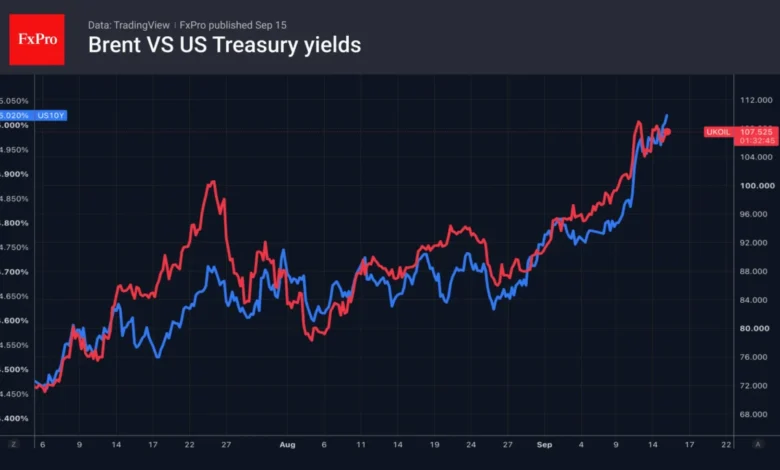
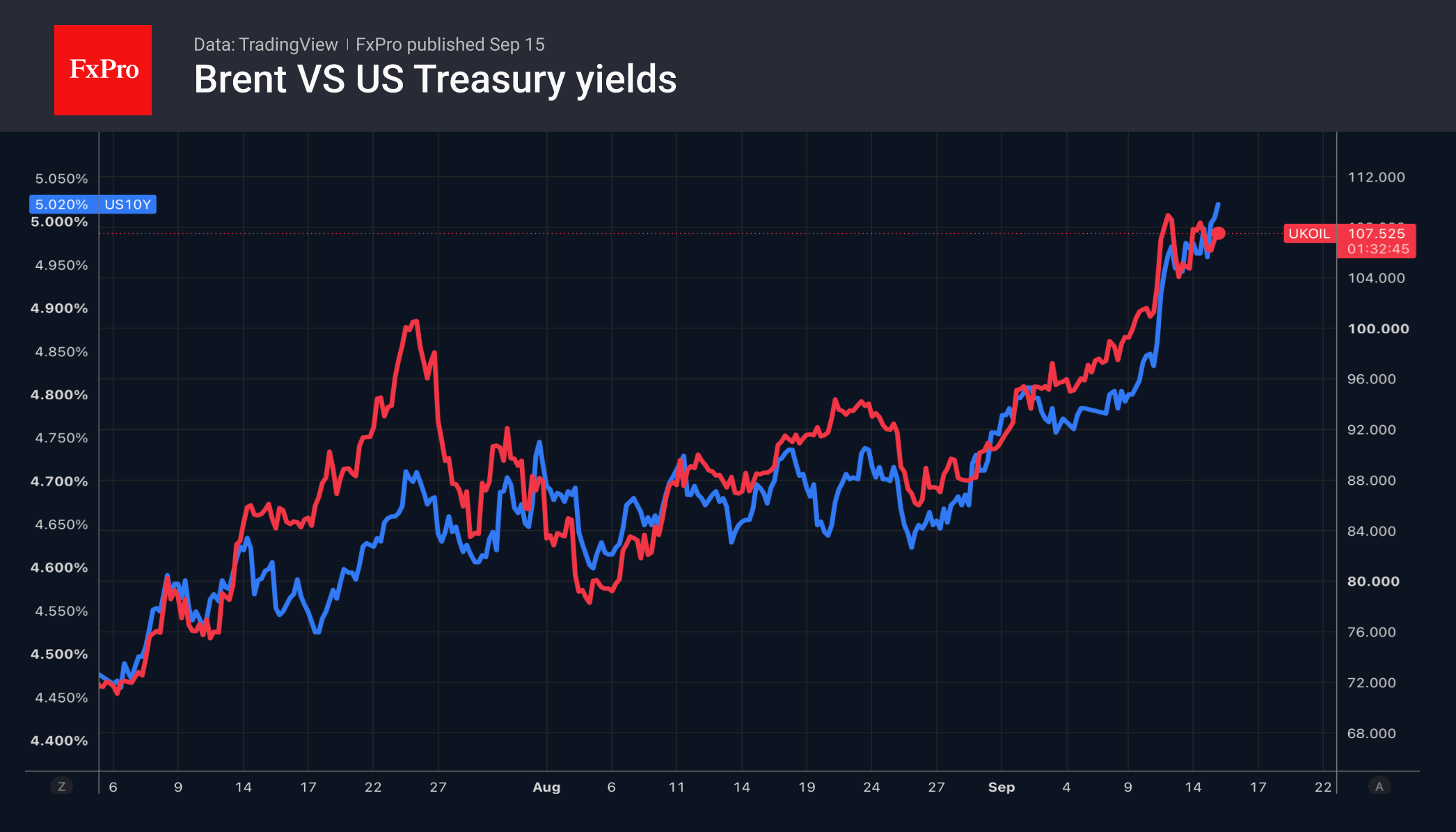
The global financial landscape experienced a seismic shift this week as the United States dollar mounted one of its most aggressive daily rallies since June, driven by a dramatic convergence of soaring sovereign debt yields, intense artificial intelligence infrastructure spending, and escalating geopolitical supply shocks in the Middle East. Benchmark 10-year US Treasury yields touched the psychologically crucial 5% threshold, a level not consistently sustained since 2007 and only briefly visited during a spike in late 2023. This resurgence in borrowing costs has rippled across global currency, equity, and commodity markets, forcing investors to reevaluate macroeconomic risk models that had previously anticipated a smooth descent into monetary policy easing.
Financial markets are currently grappling with a complex web of structural and geopolitical catalysts. While traditional economic indicators such as persistent employment growth and sticky domestic consumption have kept baseline inflation elevated, the explosive capital expenditures directed toward artificial intelligence technologies have introduced a novel layer of economic stimulation. Simultaneously, an ongoing and severe disruption in the Middle East has propelled crude oil prices upward by more than 50% since February, fundamentally altering the calculus for central banks worldwide. As yields march toward levels unseen in a generation, the era of cheap capital appears to be drawing a definitive, turbulent close.
Anatomy of the Bond Market Rally: The 5% Yield Threshold
The return of the 10-year US Treasury yield to the 5% mark represents a monumental psychological and structural milestone for international debt markets. To contextualize this movement, yields have not remained consistently above this threshold for the past quarter-century. Even during the robust economic expansion preceding the 2008 global financial crisis, debt yields peaked near 5.3% before plunging into the multi-year era of quantitative easing and near-zero interest rates.
Today’s ascent to 5% defies standard macroeconomic narratives that attribute high yields solely to persistent inflationary pressures or runaway government spending. While inflation—both actual and expected—plays a contributing role, the sheer velocity of the current bond market repricing stems from an unprecedented intersection of technological capital allocation and commodity-driven supply side shocks.
Market participants are aggressively adjusting their rate expectations in response to these compounding pressures. Current interest rate futures indicate that investors are now pricing in three distinct rate hikes from the US Federal Reserve by the end of next year. Concurrently, market pricing reflects expectations of four rate increases from the European Central Bank and five from the Bank of England, illustrating a synchronized global monetary tightening cycle born from renewed inflationary fears.

The Artificial Intelligence Boom and Fiscal Competition
A primary domestic driver behind the persistent strength in US Treasury yields is the unprecedented financial commitment to artificial intelligence infrastructure. The tech sector’s race to build and scale generative AI models requires massive investments in data centers, specialized semiconductors, and immense electrical power grids. This localized boom impacts the broader economy through multiple distinct channels.
Directly, the sheer scale of corporate borrowing to fund AI infrastructure creates intense competition within the debt markets. Technology giants and telecommunications firms frequently issue substantial corporate debt, running parallel to the US Treasury’s own heavy borrowing requirements to finance expanding national deficits. This crowding effect naturally pushes yields higher as the aggregate demand for capital outpaces traditional savings pools.
Indirectly, this technology-driven investment is providing a powerful floor beneath the broader US economy, preventing the slowdown that many analysts had previously forecasted. Furthermore, the exponential demand for electricity generated by burgeoning data center hubs has inadvertently stoked localized inflationary pressures. The massive power consumption required to train and operate advanced large language models has strained regional energy grids, increasing production and utility costs. This structural energy demand, combined with robust economic activity, has heightened the probability of a more hawkish stance from the Federal Reserve, reinforcing the upward trajectory of bond yields.
Middle East Geopolitical Tensions and the Crude Oil Shock
While structural domestic factors like AI capital expenditure provide a foundational push, the paramount catalyst behind the surging Treasury yields and the strengthening US dollar is the ongoing geopolitical conflict in the Middle East. Since the outbreak of hostilities in February, international benchmark Brent crude has surged by approximately 53%. This relentless climb in energy prices has directly inflated consumer price indices globally, while simultaneously amplifying the risk of entrenched core inflation due to the second-order economic impacts of prolonged supply chain disruptions.
Central banks, which had initially dismissed energy price volatility as a transient phenomenon, can no longer afford to remain passive. The longevity of the Middle East conflict has transformed what was once viewed as a temporary commodity spike into a persistent structural risk. Energy costs permeate every sector of the global supply chain, from agricultural production to international shipping and manufacturing. As energy prices stay elevated, input costs for businesses continue to rise, inevitably translating into higher retail prices for consumers and forcing central banks to maintain or even escalate restrictive monetary policies.
The ripple effects of this energy shock are clearly visible in currency markets. The US dollar, traditionally viewed as the ultimate safe-haven asset during geopolitical crises while simultaneously supported by high domestic yields, experienced its most potent daily performance since June. International investors seeking refuge from equity market volatility and currency depreciation have flooded back into dollar-denominated assets, further amplifying the greenback’s dominance.
The Battle of the Pipelines: Conflicting Reports on Saudi Infrastructure
At the epicentre of the energy market anxiety is the operational status of critical Saudi Arabian oil infrastructure. The market’s precarious balance was severely tested following the closure of the strategic East-West Pipeline, an artery vital for transporting crude oil across the Arabian Peninsula to export terminals on the Red Sea.
Initially, Brent crude exhibited a surprisingly muted reaction to the pipeline closure. This restrained market behavior reflected lingering investor optimism that Saudi state oil giant Saudi Aramco would successfully execute contingency plans to bypass the disruption. Market participants anticipated that Riyadh would swiftly increase export flows through alternative maritime routes, specifically the Strait of Hormuz, to stabilize global supply. Early reports corroborated this optimism, suggesting that the interruption would be remarkably brief and that the US Department of Energy expected the pipeline to resume full operations shortly.
However, subsequent intelligence reports and regional assessments painted a starkly different picture. The Associated Press, citing reliable regional sources, published accounts indicating that the East-West Pipeline would remain non-operational for several weeks due to the complexity of the required security assessments and potential structural repairs.
This divergence in operational timelines has injected immense volatility into energy trading pits. Commodity research firms such as Rystad Energy have issued severe warnings regarding the implications of a prolonged outage. According to Rystad’s analytical models, if the East-West Pipeline remains closed for an extended period, Brent crude prices could easily accelerate their current rally, targeting the psychologically significant threshold of $120 per barrel.
Global Supply Deficits and Export Mathematics
To understand the gravity of the potential supply shortfall, one must examine the baseline export figures for Saudi Arabia prior to the infrastructure disruption. In early September, Saudi Arabia exported approximately 3 million barrels of crude oil per day exclusively via the East-West Pipeline, bypassing the geopolitical choke points of the Persian Gulf. In addition to this overland transit, the kingdom exported another 1 million barrels per day through maritime shipments navigating the Strait of Hormuz.
The temporary or extended removal of the 3 million barrels per day transported via the pipeline deals a severe blow to the global energy balance. While a portion of this volume could theoretically be redirected toward the Strait of Hormuz, the physical capacity limits of maritime loading terminals and the heightened security risks associated with transit through the narrow waterway make a complete logistical workaround nearly impossible in the short term.
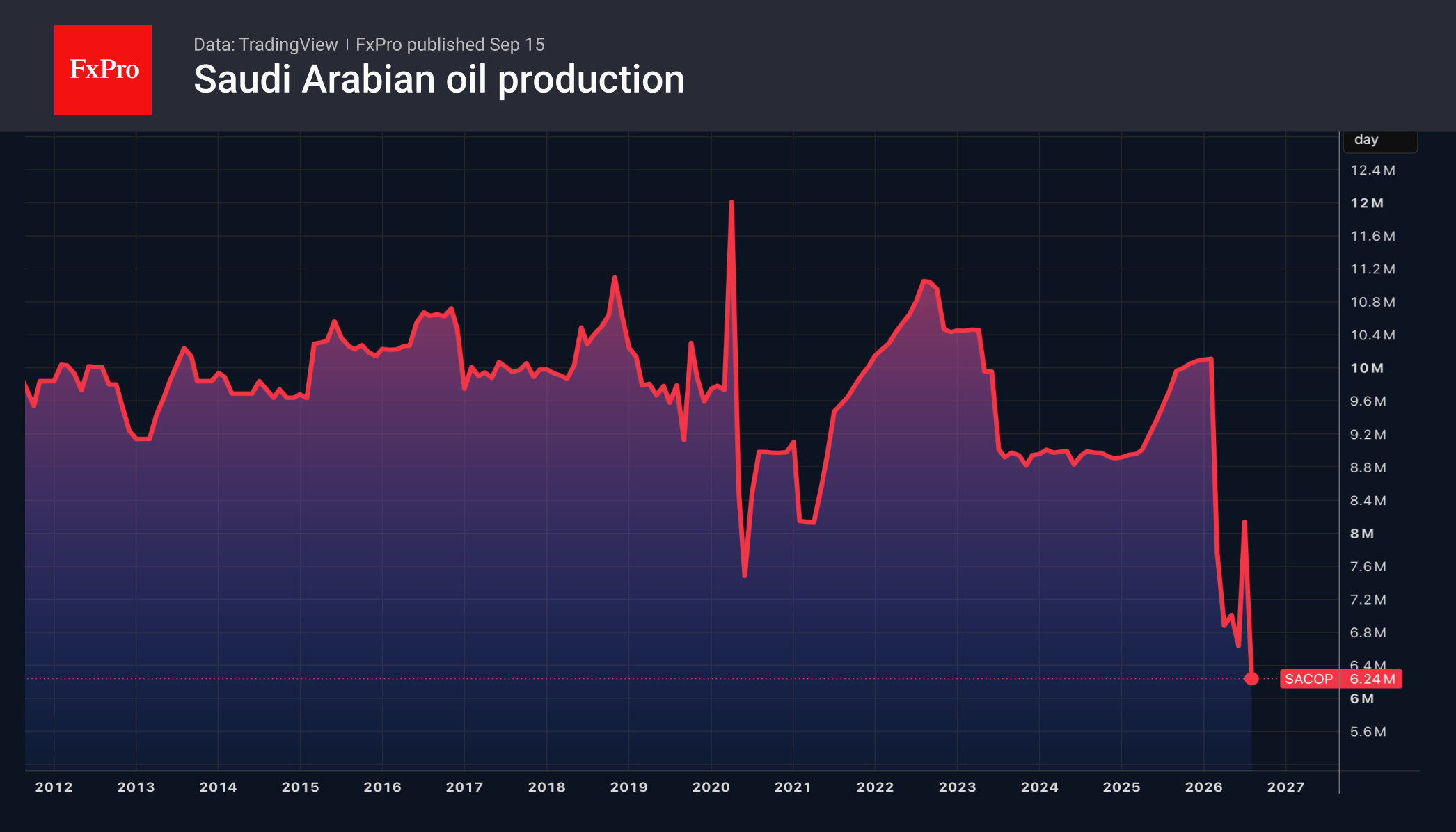
Consequently, the global market faces an immediate and acute shortage of several million barrels per day. In a commodity market where supply and demand are balanced on razor-thin margins, the sudden removal of this volume guarantees exacerbated deficits. This structural shortage serves as the fundamental bedrock supporting the ongoing commodity price surge, ensuring that inflationary pressures stemming from energy costs will remain a central concern for policymakers and market participants for the foreseeable future.
Macroeconomic Implications and Financial Market Outlook
The convergence of 5% Treasury yields, aggressive corporate spending on artificial intelligence, and a persistent energy crisis driven by Middle Eastern conflict has created a uniquely challenging environment for global asset allocation. Traditional portfolio management strategies, which rely on negative correlations between stocks and bonds, are being severely tested as both asset classes experience heightened volatility driven by simultaneous interest rate and inflation shocks.
For equity markets, the rising cost of capital presents a persistent headwind. Higher discount rates applied to future corporate earnings reduce equity valuations, particularly for growth and technology companies whose valuations depend heavily on cash flows projected far into the future. Even the high-flying artificial intelligence sector, while acting as a primary driver of economic growth and productivity gains, must now contend with the reality of more expensive debt financing and higher operational hurdles.
For fixed-income investors, the stabilization of the 10-year Treasury yield at or near the 5% level offers the highest risk-free return seen in nearly two decades. This attractive yield has triggered a significant reallocation of capital out of riskier assets and into sovereign debt, reinforcing the strength of the US dollar. However, this capital migration also tightens financial conditions globally, making it increasingly difficult for emerging market economies and debt-laden sovereigns to service US dollar-denominated liabilities.
As central banks prepare for their upcoming policy meetings, the data will dictate whether current market pricing for multiple rate hikes across the Federal Reserve, European Central Bank, and Bank of England will materialize. Much will depend on the duration of the Middle East conflict and the speed at which vital energy infrastructure like the East-West Pipeline can be safely restored to full capacity. Until concrete resolutions emerge on the geopolitical front, global financial markets will likely remain hyper-sensitive to every fluctuation in oil prices and every data release touching upon employment, inflation, and economic growth.