Gold Prices Face Sharp Correction Amidst Shifting Macroeconomic Landscape and Regulatory Scrutiny

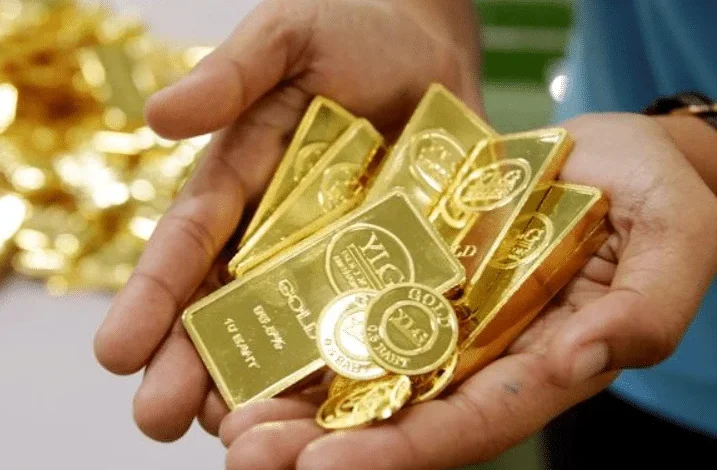
Gold prices have entered a significant correction phase following a robust rally witnessed in early January, a development attributed to a confluence of evolving macroeconomic expectations, forced deleveraging pressures, and decisive regulatory interventions in key global markets. While initial market movements were triggered by a recalibration of U.S. monetary policy outlooks, the depth and speed of the current downturn underscore the market’s underlying fragility and overextended positioning.
The nomination of Kevin Warsh as the next Federal Reserve Chair appears to have assuaged investor concerns regarding an aggressive easing cycle, fostering a belief that U.S. financial conditions are likely to tighten. This shift in sentiment, coupled with a noticeable uptick in U.S. producer inflation data, has bolstered the U.S. dollar and contributed to higher real yields. Consequently, these factors have exerted downward pressure on the non-yielding precious metal in the short term. The reversal was further amplified by systemic selling as momentum indicators, which had remained in deeply overbought territory prior to the downturn, left the market susceptible to rapid liquidation once critical price levels were breached.
China’s Regulatory Response Highlights Volatility Concerns
Developments emanating from China have provided a stark illustration of the escalating volatility within the gold market. Major Chinese financial institutions, including the Industrial and Commercial Bank of China (ICBC), Bank of China, and China Construction Bank, issued public advisories to precious metals investors, characterizing the market as "technically fragile" and urging a cautious approach. In response to these concerns, the Shanghai Gold Exchange implemented adjustments to its margin requirements and price limits, effectively curtailing aggressive speculative trading. These measures signal a growing apprehension among Chinese authorities that recent price movements may have been disproportionately driven by leverage and speculative sentiment rather than sustainable end-user demand.
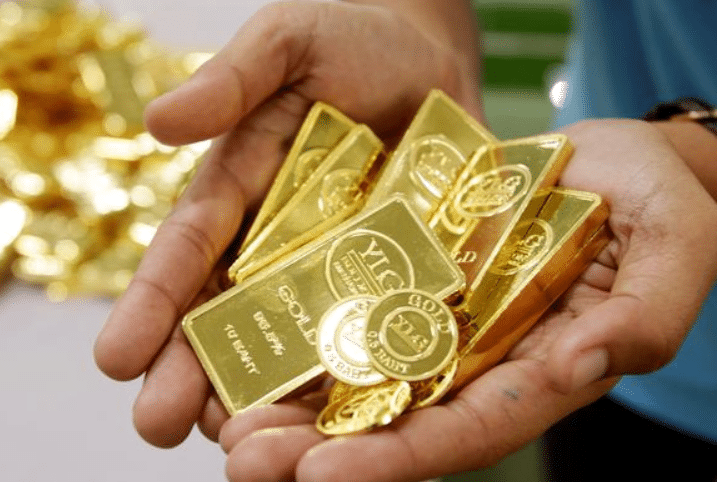
This heightened volatility has also manifested in stressed retail investor behavior. In Kyrgyzstan, reports indicate a surge in residents seeking to sell certified gold bars to the state-owned Kyrgyzaltyn company following the global price slump. This phenomenon underscores the rapid behavioral shifts that can occur in smaller markets, where sentiment can quickly pivot from accumulation to capital preservation in the face of significant price declines.
Underlying Support for Gold Remains Intact
Despite the current correction, the fundamental pillars supporting gold’s long-term value proposition remain robust. Central banks globally continue to exhibit a strong appetite for gold, actively diversifying their foreign exchange reserves with the precious metal. This sustained institutional buying provides a foundational layer of demand that is not directly tied to short-term speculative trends.
Furthermore, the geopolitical landscape continues to contribute to gold’s safe-haven appeal. Tensions between the United States and Iran, although experiencing periods of rhetorical calm, remain a significant underlying concern. Such geopolitical uncertainties tend to drive demand for assets perceived as secure havens, including gold, during times of heightened global instability.
This recent correction is therefore being widely interpreted not as a fundamental trend reversal, but rather as a necessary market adjustment following an emotionally driven surge. For gold to regain upward momentum rapidly, a renewed increase in macroeconomic stress or a discernible pivot in global monetary policy conditions would likely be required.
Gold Price Technical Analysis: Breach of 200-day Moving Average Signals Downtrend
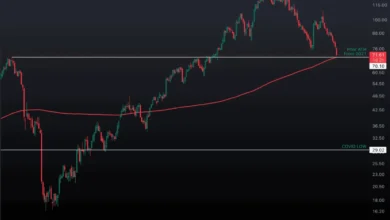
Technical analysis of the gold market reveals a concerning picture for investors. The 4-hour chart illustrates a significant downturn, with gold prices falling below the 200-period moving average (MA) near $4,600 for the first time since November 2025. This breach is a strong technical indicator of a sustained downtrend, suggesting the potential for further price declines. However, the Relative Strength Index (RSI) has entered oversold territory, hinting at a possible consolidation or a temporary pullback before any further downward movement.
The precious metal may initially test the 100-period MA, which is currently situated around $4,835. Following this, traders will be watching the $5,000 psychological mark, and subsequently, the 20-period MA at $5,250. On the downside, there is a risk of gold breaking below today’s low of $4,400. Such a move could lead to the filling of a price gap observed at $4,330. A more substantial decline could see gold testing the significant psychological support level of $4,000.
Market Reaction and Expert Commentary
Financial analysts and market strategists have been actively commenting on the sharp decline. According to a senior analyst at Sterling Capital Markets, "The speed of this correction is notable. It highlights how quickly sentiment can shift in an environment where interest rate expectations are volatile. While fundamental drivers like central bank demand and geopolitical risks remain supportive, the market’s positioning became overly stretched, making it ripe for a pullback."
The advisory from Chinese banks has been seen as a significant signal, indicating a coordinated effort to manage market excesses. "Beijing is clearly concerned about financial stability, especially with the leverage that has built up in commodity markets," stated a report from Global Economic Insights. "Their intervention suggests a proactive stance to prevent a more disorderly unwinding of positions."
Historical Context of Gold Corrections
Gold has historically exhibited periods of sharp corrections following extended bull runs. For instance, following the peak in 2011, gold experienced a significant drawdown of nearly 40% over the subsequent two years. This correction was also influenced by a strengthening U.S. dollar and a shift in monetary policy expectations. Similarly, the current correction, while swift, shares some characteristics with past market adjustments that ultimately paved the way for renewed upward trends once speculative excesses were purged and underlying fundamentals reasserted themselves.
The period leading up to January saw gold prices surge, driven by a combination of factors including persistent inflation concerns, ongoing geopolitical tensions, and expectations of a less aggressive stance from major central banks. This rally propelled gold to new highs, creating a technically overbought environment. The subsequent reversal illustrates the dynamic nature of financial markets, where rapid shifts in sentiment and policy expectations can quickly alter price trajectories.
Broader Economic Implications
The correction in gold prices has several broader economic implications. A strong U.S. dollar, supported by higher real yields, can impact global trade by making dollar-denominated imports more expensive for other countries and exports cheaper for the U.S. This can influence currency markets and potentially impact inflation rates in various economies.
For countries with significant gold reserves, like Russia and China, the fluctuating price of gold can affect their reserve management strategies and the overall value of their foreign exchange assets. Furthermore, for emerging markets that rely on commodity exports, a downturn in gold prices, if sustained, could impact their balance of payments and economic growth.
The observed stress among retail investors, as seen in Kyrgyzstan, highlights the vulnerability of individuals in smaller economies to global financial shocks. The rush to sell gold bars underscores the importance of financial literacy and risk management, particularly in markets where gold often serves as a primary store of value.
Outlook for Gold
Looking ahead, the trajectory of gold prices will likely depend on a delicate balance of competing factors. The continued commitment of central banks to diversify reserves provides a structural floor for demand. Geopolitical risks, though currently subdued in their immediate market impact, remain a persistent underlying support for safe-haven assets.
However, the immediate future for gold appears to be one of consolidation and potential further downside if macroeconomic conditions continue to favor a stronger U.S. dollar and higher real yields. A significant catalyst for a renewed upward move would likely be a more pronounced escalation of global geopolitical tensions, a sharp slowdown in global economic growth, or a clear and dovish pivot in monetary policy from major central banks. Until such conditions materialize, the gold market is expected to remain sensitive to economic data releases and central bank communications, with technical factors suggesting a period of consolidation or further decline before any substantial recovery can be sustained.
The current price action serves as a reminder that even historically stable assets like gold are subject to the ebb and flow of market sentiment, speculative positioning, and evolving macroeconomic realities. The resilience of gold’s fundamental drivers, however, suggests that this correction may prove to be a temporary pause rather than the beginning of a prolonged bear market.
Disclaimer: This article is for informational purposes only and does not constitute financial advice. Investors should conduct their own research and consult with a qualified financial advisor before making any investment decisions.