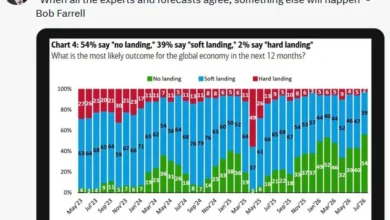
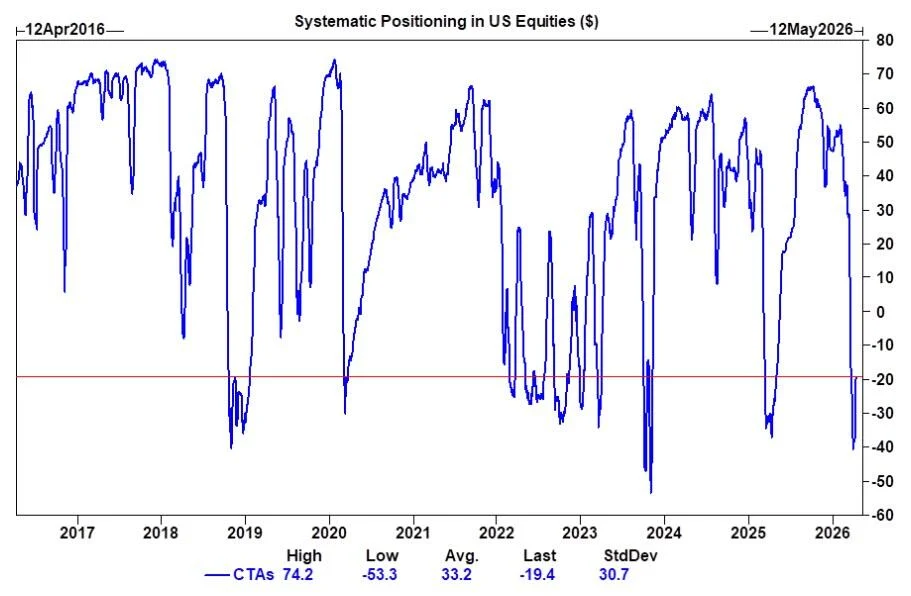
As AI & chip stocks tanked, investors shifted from the AI trade to the safe-haven trade and bid up Treasuries.

The United States government executed a massive $907 billion sale of Treasury securities this week, a move that underscores the escalating scale of federal borrowing requirements in the current fiscal climate. This monumental issuance, distributed across 11 separate auctions, highlights a critical juncture in the bond market as investors recalibrate their portfolios in the face of cooling sentiment toward the previously high-flying artificial intelligence and semiconductor sectors.
The auction results, which saw $670 billion in Treasury bills and $237 billion in Treasury notes sold, reflect a broader market rotation. As equity valuations in the technology sector faced significant downward pressure—exemplified by recent struggles at major firms like Intel—capital has noticeably flowed into the perceived security of government-backed debt. This migration toward "safe-haven" assets has exerted downward pressure on Treasury yields, even as the underlying fiscal trajectory of the United States remains characterized by record-setting issuance volumes.
The Mechanics of Recent Treasury Issuance
The sheer volume of debt brought to market this week illustrates the Treasury Department’s ongoing challenge: financing a persistent federal deficit while managing the maturity profiles of an ever-expanding debt pile. Of the $907 billion total, the bulk consisted of Treasury bills—short-term instruments with maturities ranging from four weeks to 52 weeks. These instruments serve as the bedrock of short-term liquidity for institutional investors and are highly sensitive to Federal Reserve policy expectations.
The issuance data for the week ending October 31, 2026, breaks down as follows:
- 4-week Bills: $121 billion
- 6-week Bills: $103 billion
- 8-week Bills: $116 billion
- 13-week Bills: $103 billion
- 17-week Bills: $79 billion
- 26-week Bills: $89 billion
- 52-week Bills: $59 billion
These auctions were supplemented by $237 billion in note sales, including a mix of fixed-coupon 2-year, 5-year, and 7-year notes, as well as 2-year Floating Rate Notes (FRNs). The presence of the FRNs, which reset interest rates weekly based on 13-week bill auction yields, provides a window into the market’s appetite for rate-hedged instruments in an uncertain interest-rate environment.
A Historical Perspective on Debt Expansion
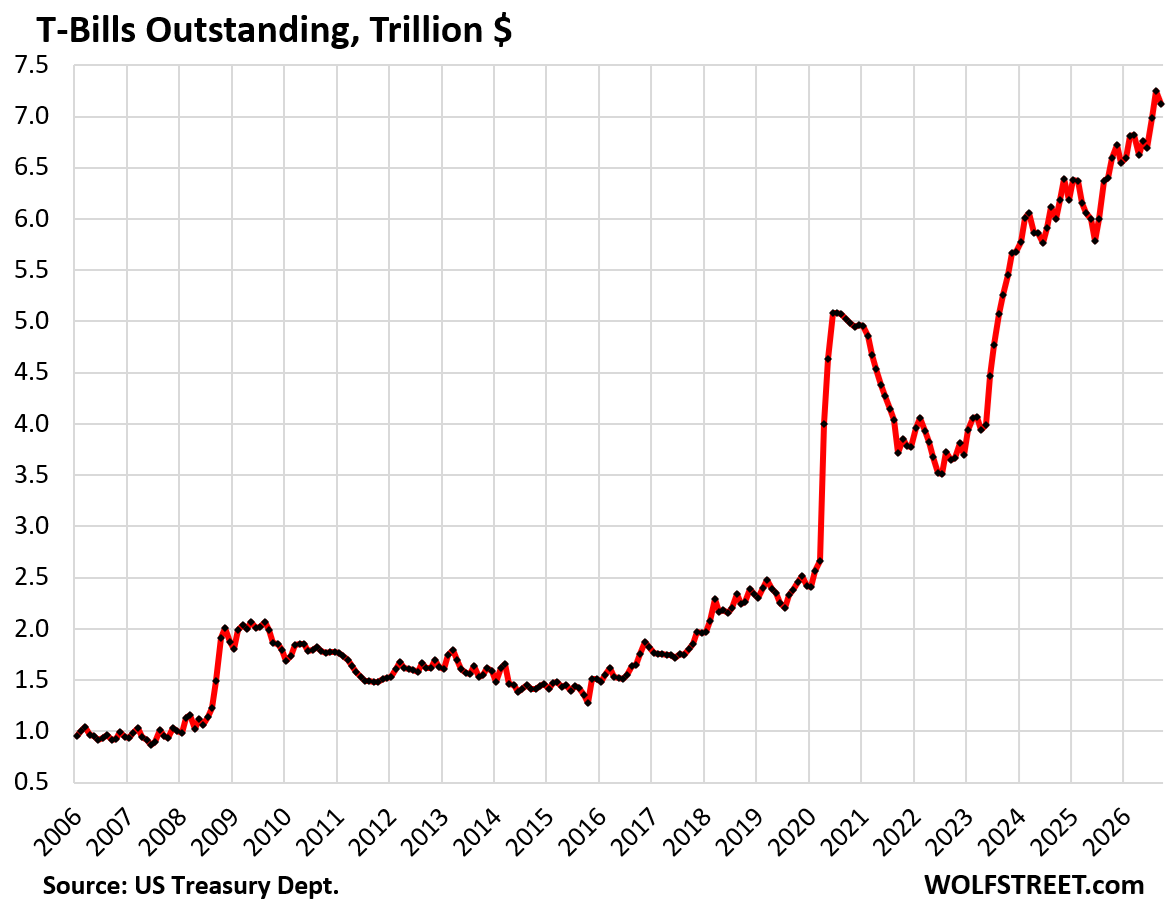
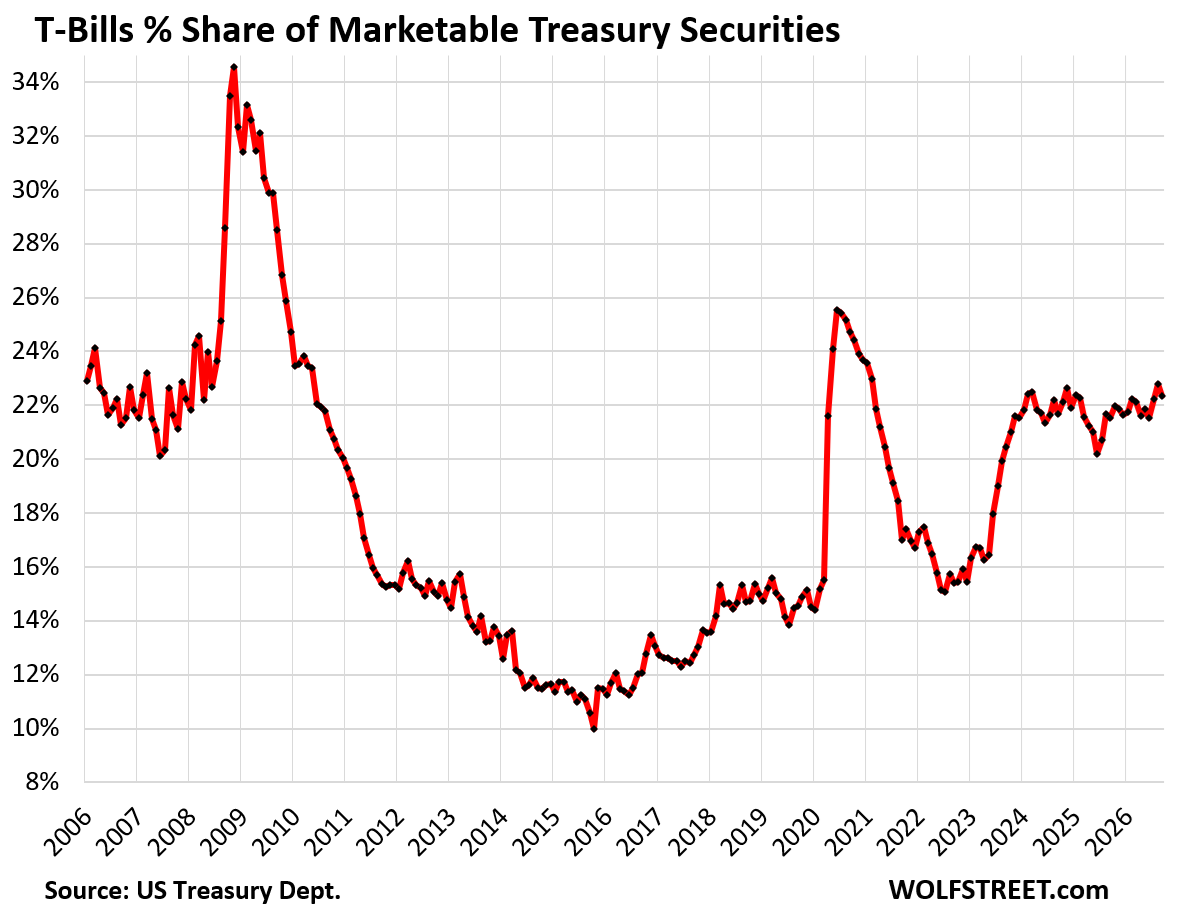
The current reliance on short-term T-bill financing is not an isolated phenomenon but rather the continuation of a trend that has accelerated over the past several years. Total marketable Treasury securities have surged significantly since 2020. At the dawn of the decade, the volume of outstanding T-bills sat at approximately $2.5 trillion. By the end of September 2026, that figure had climbed to $7.12 trillion.
This expansion has occurred under successive Treasury administrations, with a consistent pattern emerging since the beginning of 2025. During the current tenure of Treasury leadership, the volume of outstanding T-bills has increased by roughly $930 billion. While analysts had anticipated a potential shift in debt management strategy—specifically, a move to rely more heavily on longer-term notes and bonds to lock in rates—current data suggests that the Treasury remains heavily reliant on the bill market, which now accounts for approximately 22% of total marketable securities.
This reliance carries inherent fiscal risks. Because T-bills must be refinanced frequently, the federal government is highly exposed to interest rate volatility. During periods of persistent inflation and hawkish monetary policy, the need to roll over this debt at higher prevailing rates creates a feedback loop that can rapidly exacerbate the federal deficit. Each maturity forces the government to issue new debt at the current market yield, translating Fed rate decisions into increased interest expenses with little delay.
Market Sentiment and the "Safe-Haven" Rotation
The primary driver of the yield compression observed this week appears to be the aggressive exit from risk-on assets. For much of the year, the "AI trade" acted as the primary engine of market optimism, driving capital into tech stocks and semiconductor manufacturers. However, as these valuations faced a correction, investors sought refuge in the relative safety of the U.S. Treasury market.
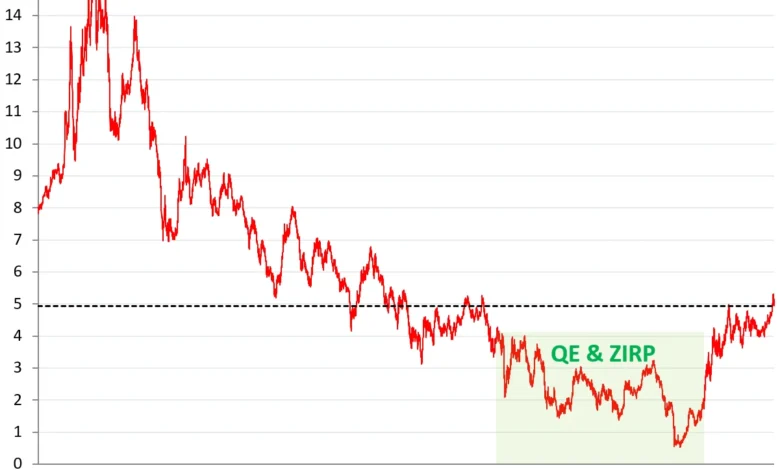
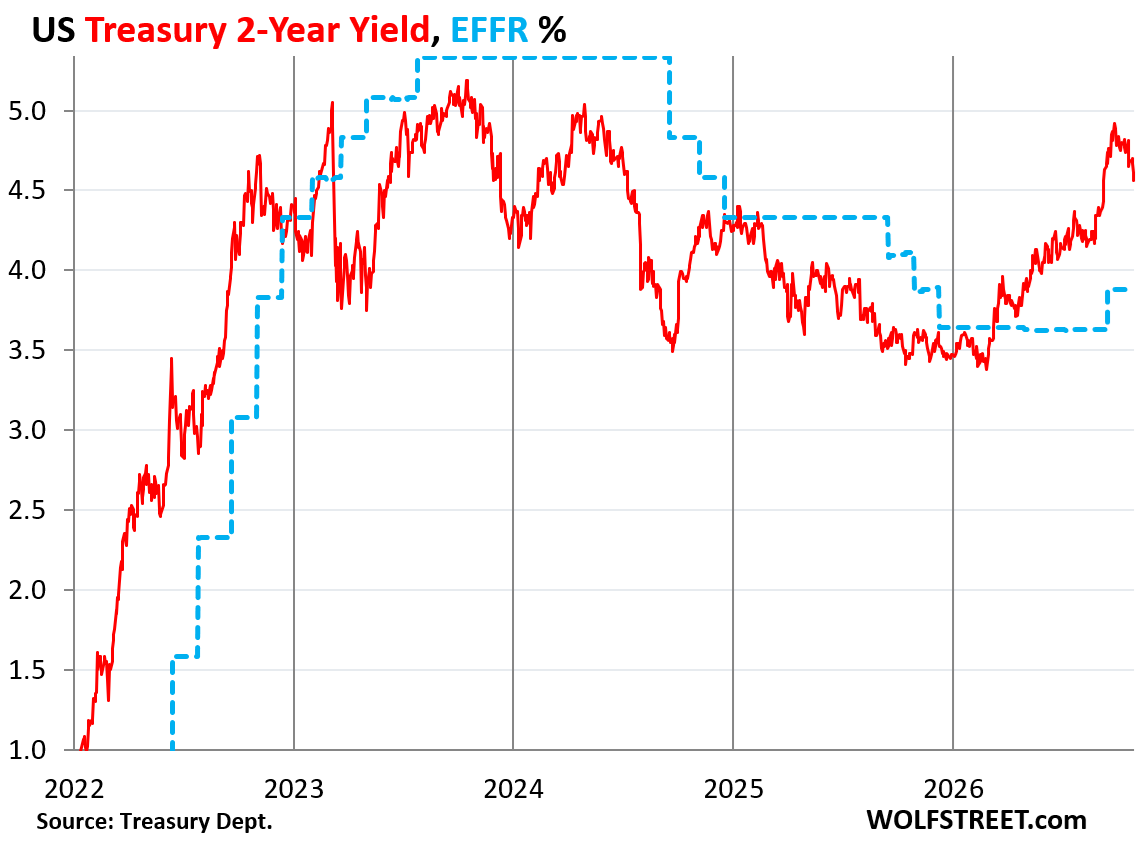
This rotation has caused a distinct decline in yields across the curve. For example, the 2-year Treasury note, which had reached elevated levels due to expectations of continued interest rate hikes, saw its auction yield dip to 4.708%, down from 4.787% just one month prior. Similarly, the 10-year Treasury yield, which had surged to 5.31% earlier in October, retreated to 4.94% by the end of the week.
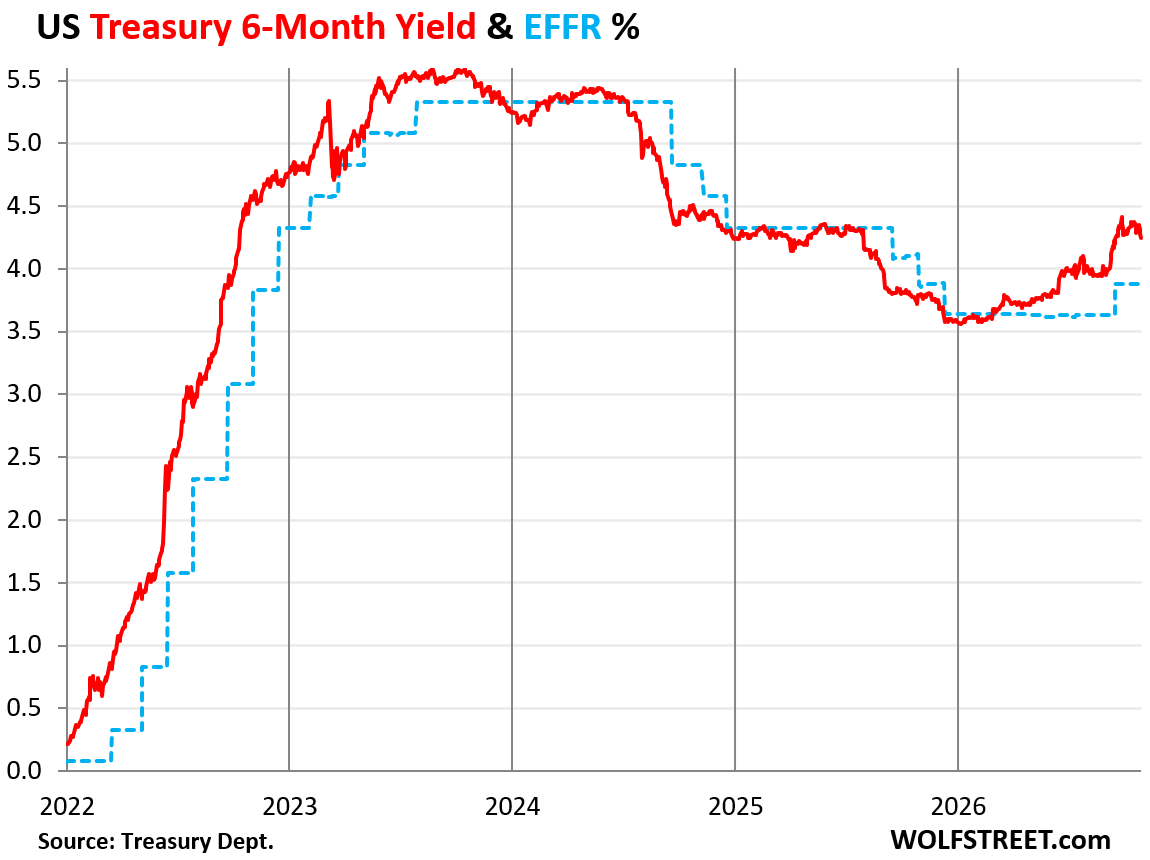
Despite this decline, the market remains cautious. The spread between the 6-month Treasury yield and the Effective Federal Funds Rate (EFFR) remains elevated, suggesting that bond traders are not fully convinced that the Federal Reserve has finished its tightening cycle. The 37-basis point spread currently observed in the 6-month maturity suggests that the market is pricing in at least one further rate increase in the coming months, a testament to the lingering concerns regarding structural inflation.

Implications for Monetary Policy and Future Borrowing
The current volatility in the bond market is compounded by a shift in how the Federal Reserve communicates its intentions. With recent signals indicating a move away from traditional "forward guidance," market participants are increasingly left to interpret economic data and auction results on their own. This lack of explicit guidance is expected to heighten volatility in Treasury auctions throughout the remainder of the year.
Furthermore, the sheer supply of new debt is becoming a fundamental factor in pricing. With approximately $2.2 trillion in new supply hitting the market annually, the Treasury must compete with private corporate issuers for investor capital. As corporate bond yields remain attractive, particularly in the tech and industrial sectors, the U.S. government faces the ongoing pressure of needing to offer competitive yields to ensure successful auctions.
For policy analysts, the situation raises questions about the long-term sustainability of current financing strategies. If inflation proves sticky and the Federal Reserve maintains a higher-for-longer stance, the cost of servicing the ballooning national debt will continue to consume a larger share of federal expenditures. While the recent "safe-haven" demand has provided a temporary respite in the form of lower yields, it does not solve the fundamental structural imbalance between tax revenue and government spending.
Conclusion: The Road Ahead
As the market looks toward the final months of 2026, the intersection of equity market weakness and Treasury market demand remains the central narrative. The rapid pivot from chip stocks to government securities underscores the fragility of current market sentiment.
The coming months will likely see a test of resolve for both the Treasury Department and the Federal Reserve. Should the yield on the 10-year Treasury continue to flirt with the 5% threshold, the pressure on the federal budget will intensify, likely forcing a broader debate on fiscal consolidation. For now, the market is content to treat the U.S. Treasury as the ultimate safety net, but the sheer scale of the $907 billion weekly issuance serves as a stark reminder of the debt-fueled path the economy currently navigates. Investors will be watching the next round of auctions closely to see if the appetite for U.S. debt remains robust or if the supply-demand balance begins to tilt toward higher long-term borrowing costs.