July 15, 2026 – China’s ambitious drive to establish self-sufficiency in the semiconductor industry is accelerating, positioning it as one of the fastest-growing segments globally. This strategic push is attracting significant investment and attention, with specialized financial instruments emerging to capitalize on the sector’s expansion. The VanEck China Semiconductor ETF (SMHC), for instance, is designed to offer targeted exposure to 25 of the largest and most liquid Chinese semiconductor companies, reflecting a growing investor interest in this dynamic market.
The development of China’s domestic semiconductor capabilities is not merely an economic objective; it is a cornerstone of the nation’s broader technological and geopolitical strategy. Facing increasing international scrutiny and technological export restrictions, China has prioritized reducing its reliance on foreign chip manufacturers. This has spurred substantial government funding, research and development initiatives, and the cultivation of domestic talent, creating a fertile ground for growth within the sector.
The Semiconductor Landscape: A Global Race
Semiconductors, often referred to as the "brains" of modern technology, are fundamental to everything from smartphones and artificial intelligence to advanced defense systems and automotive manufacturing. The global semiconductor market is a highly competitive arena dominated by a few key players, primarily in the United States, Taiwan, South Korea, and Japan. China’s ascent in this industry is viewed as a significant shift in the global technological power balance.
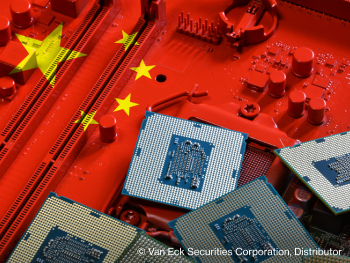
The impetus for China’s intensified focus on semiconductors can be traced back to mounting geopolitical tensions and trade disputes. In recent years, the United States has implemented various measures aimed at curbing China’s access to advanced semiconductor technology and manufacturing equipment. These actions, including export controls on critical technologies and sanctions on certain Chinese companies, have underscored the strategic vulnerability associated with an over-reliance on foreign supply chains. In response, Beijing has redoubled its efforts to build a robust, indigenous semiconductor ecosystem, aiming to achieve technological independence.
VanEck China Semiconductor ETF (SMHC): A Window into the Market
The VanEck China Semiconductor ETF (SMHC) represents a financial mechanism designed to provide investors with a consolidated way to participate in the growth of China’s semiconductor industry. By tracking a curated selection of 25 leading Chinese semiconductor companies, SMHC aims to capture the performance of firms involved in various aspects of the semiconductor value chain, including design, manufacturing, equipment, and materials.

The ETF’s focus on the "largest and most liquid" companies suggests an effort to mitigate some of the inherent risks associated with investing in emerging markets and specialized sectors. Liquidity is crucial for ETFs, as it allows for efficient trading and minimizes tracking error. The selection criteria likely encompass market capitalization, trading volume, and adherence to certain industry classifications within the semiconductor space.
Key characteristics and potential implications of SMHC include:
- Targeted Exposure: Offers investors a focused approach to a specific segment of the Chinese economy.
- Diversification within the Sector: While concentrated in China’s semiconductor industry, it provides exposure to multiple companies, potentially spreading risk across different sub-sectors and business models within the industry.
- Growth Potential: Aims to capitalize on the projected high growth rates of China’s domestic semiconductor market, driven by government support and increasing domestic demand.
- Investment Considerations: Investors should be aware that investing in emerging markets and specific industry ETFs carries inherent risks, including political, economic, currency, and regulatory uncertainties. The prospectus for SMHC would detail these risks, along with investment objectives, charges, and expenses.
Government Support and Investment Trends
China’s semiconductor industry development is heavily influenced by state-backed initiatives and substantial government funding. The "Made in China 2025" strategy, while not solely focused on semiconductors, highlighted the sector as a critical area for technological advancement and national competitiveness. Subsequent policies and direct investment have continued to pour into the industry, supporting both established players and promising startups.
Data from various industry analysis firms indicates a significant surge in both domestic and international investment in Chinese semiconductor companies. Venture capital funding rounds have become increasingly common, and mergers and acquisitions within the sector are on the rise as companies seek to consolidate capabilities and scale operations. This robust investment environment suggests a strong conviction among stakeholders regarding the long-term prospects of China’s semiconductor ambitions.
The Broader Impact on Global Markets
The growth of China’s semiconductor industry has far-reaching implications for the global technology landscape and international trade relations.
- Supply Chain Diversification: As China strengthens its domestic capabilities, it could lead to a more diversified global supply chain, potentially reducing the concentration of manufacturing in specific regions. However, it also raises questions about geopolitical alignment and the potential for bifurcated technological ecosystems.
- Competition and Innovation: Increased competition from Chinese firms could spur further innovation and drive down costs globally. Conversely, it may also lead to intensified trade friction and calls for protectionist measures from other nations.
- Technological Advancement: China’s advancements in semiconductor technology could accelerate the development and adoption of new technologies, such as artificial intelligence, 5G, and the Internet of Things (IoT), both domestically and internationally.
Risks and Considerations for Investors
While the growth trajectory of China’s semiconductor sector appears strong, investors must remain cognizant of the associated risks.
- Geopolitical Tensions: Ongoing trade disputes and potential sanctions could disrupt supply chains, impact access to critical technologies, and affect the profitability of Chinese semiconductor companies.
- Technological Gaps: Despite significant progress, China still faces challenges in certain advanced areas of semiconductor manufacturing, particularly in leading-edge logic chips and advanced lithography equipment. Bridging these technological gaps requires sustained investment and breakthroughs.
- Regulatory Environment: The regulatory landscape in China can be dynamic, and changes in government policy or enforcement could impact business operations and investment returns.
- Economic Conditions: Broader economic slowdowns, both domestically within China and globally, could affect demand for semiconductors and impact industry growth.
The information provided by Van Eck for the SMHC ETF, including details on investment objectives, risks, charges, and expenses, is crucial for any potential investor. A thorough review of the prospectus is essential to understand the specific holdings, investment strategy, and potential risks associated with the fund. The statement emphasizing that "Investing involves substantial risk and high volatility, including possible loss of principal" serves as a critical reminder of the speculative nature of such investments.
Looking Ahead
China’s journey to semiconductor self-sufficiency is a long-term endeavor characterized by significant investment, strategic planning, and a relentless pursuit of technological advancement. The emergence of financial products like the VanEck China Semiconductor ETF (SMHC) signals the growing recognition of this sector’s importance and its potential as an investment theme. As China continues to invest heavily in its domestic semiconductor industry, the global technological and economic landscape will undoubtedly continue to evolve, presenting both opportunities and challenges for investors and policymakers alike. The coming years will be critical in determining the extent to which China can achieve its ambitious goals and reshape the global semiconductor arena.
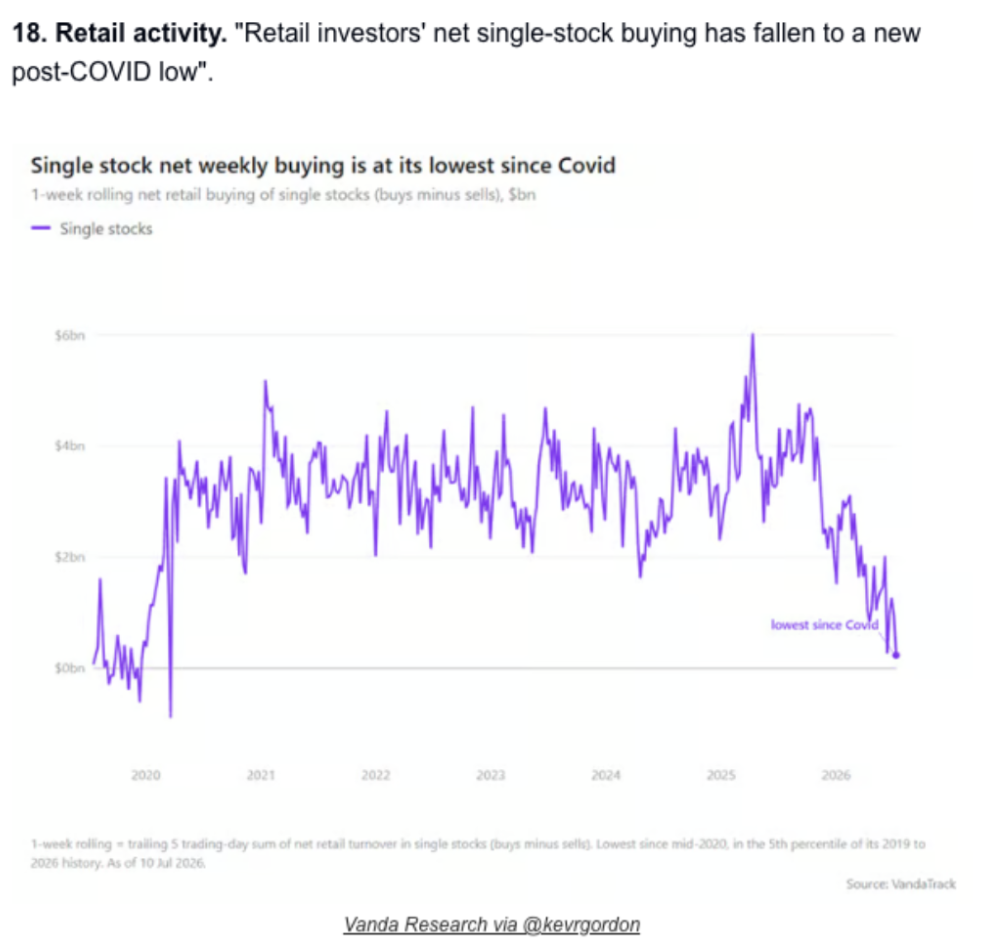
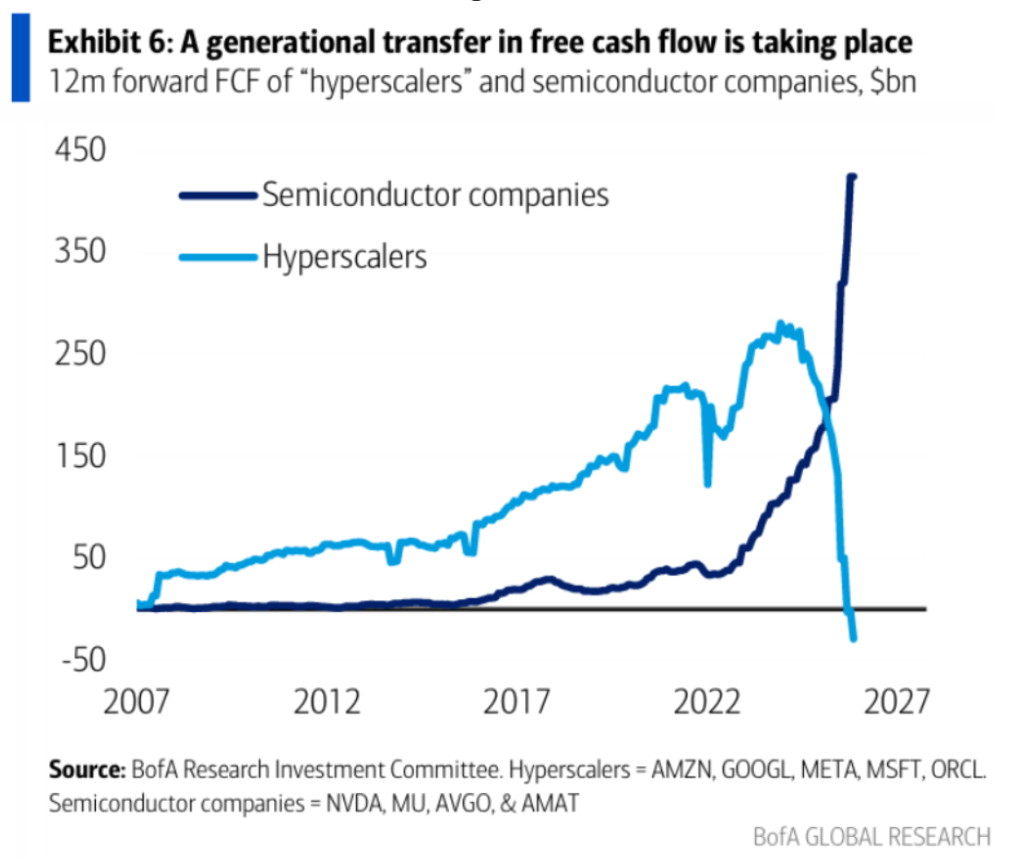
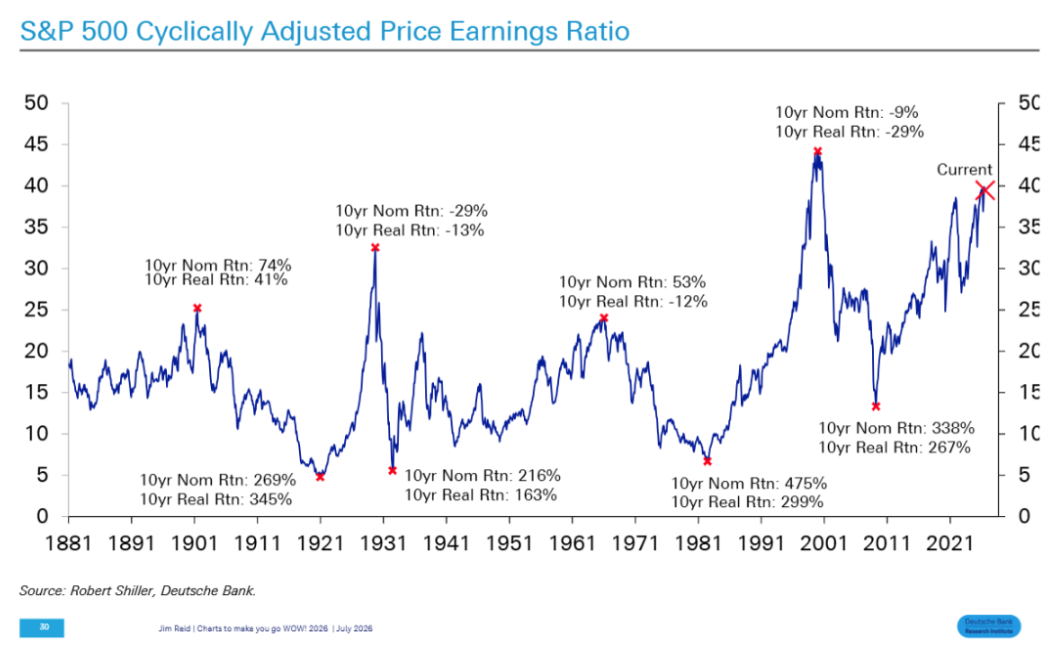
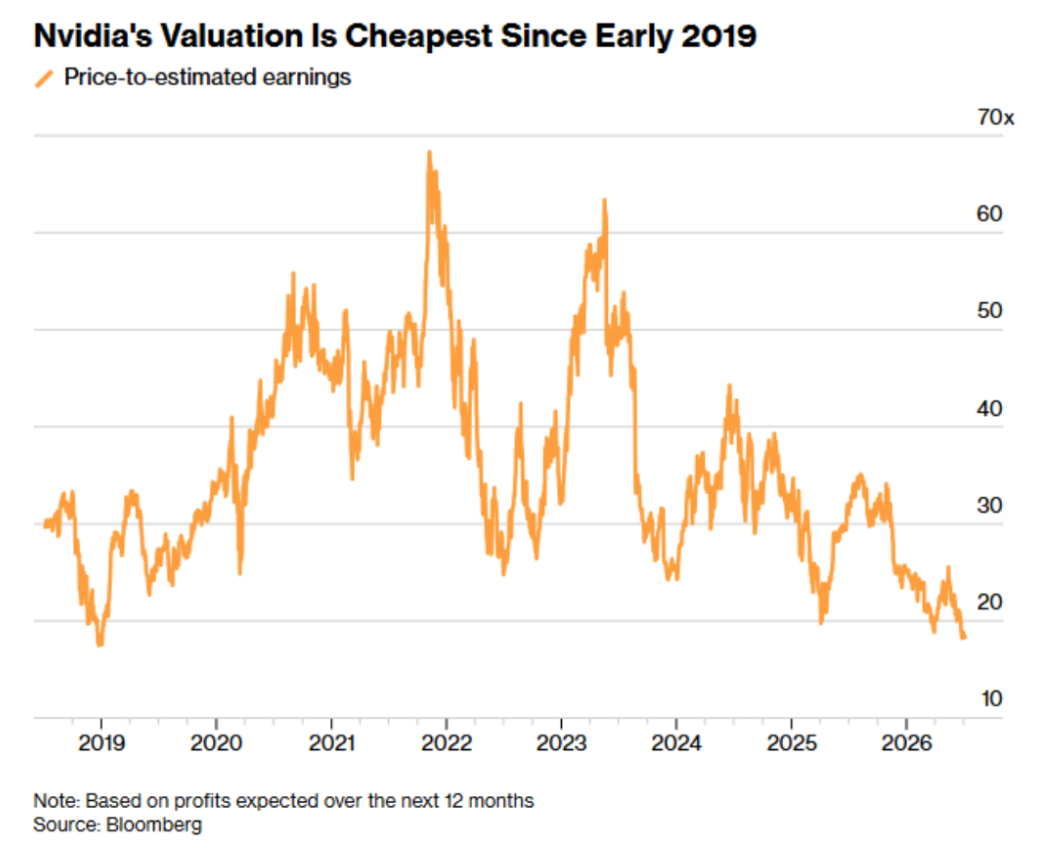
The provided content also includes promotional material for Nuveen, a sponsor of "Animal Spirits," encouraging listeners to explore alternative investments. Additionally, a series of charts and social media posts (tweets/bluesky) offer visual data and brief commentary on market trends, economic indicators, and technological developments, including AI’s impact on employment, consumer behavior shifts, and the performance of various market indices. While these elements provide context and broader market sentiment, the core focus of this analysis remains on the strategic development of China’s semiconductor industry and the investment vehicles associated with it.