France’s Comprehensive Block of Polymarket Signals a Pivotal Shift in Global Prediction Market Regulation

France’s recent directive mandating internet service providers (ISPs) to implement a nationwide block on Polymarket, a leading decentralized prediction market platform, marks a significant escalation in governmental oversight of such nascent digital financial instruments. This action starkly distinguishes itself from previous regulatory measures enacted in various jurisdictions, including Romania, India, Indonesia, Brazil, and Argentina, which primarily focused on restricting user participation or specific betting services. By ordering a comprehensive block of the entire website, French authorities are not merely curbing activities perceived as gambling but are effectively severing public access to a platform increasingly recognized as a vital real-time information aggregator. This decisive move underscores a fundamental re-evaluation of how prediction markets are perceived by regulatory bodies, signaling a profound shift in the debate from traditional gambling frameworks to complex concerns surrounding financial market integrity, information control, and potential manipulation.
The Evolution of Prediction Markets: Beyond Speculative Betting
Polymarket, a prominent decentralized prediction market platform leveraging blockchain technology, has evolved significantly beyond its initial perception as a mere online betting site. It functions as a sophisticated mechanism for aggregating collective intelligence, where thousands of participants stake capital on the probabilistic outcomes of future events. These events encompass an extensive array of subjects, from major political elections and critical economic indicators like interest rates to complex geopolitical developments, scientific breakthroughs, and even highly granular phenomena such as localized weather patterns. The contracts traded on Polymarket generate dynamic, real-time probability estimates, derived from the collective beliefs and financial incentives of its diverse user base. This unique characteristic has led to its growing adoption by a wide range of stakeholders: journalists frequently consult Polymarket to gauge public sentiment or anticipate probable outcomes of major events, investors monitor its markets for early signals that could influence traditional financial instruments, and researchers utilize its rich dataset for academic studies on collective forecasting, market efficiency, and the wisdom of crowds. Unlike conventional polling methods, which can be slow, expensive, and susceptible to sampling biases, prediction markets offer continuous, incentivized forecasts, making them a unique and often prescient source of information. The financial stakes involved encourage participants to rigorously analyze information and predict accurately, as incorrect predictions result in monetary losses. Furthermore, the platform’s transparent and auditable nature, inherent to its blockchain foundation, allows for public scrutiny of market activity and settlement processes, further bolstering its credibility as an information market.
France’s Precedent-Setting Stance: Prioritizing Market Integrity
The timing and underlying rationale behind France’s intervention are particularly significant, pointing towards a new regulatory paradigm. French authorities have reportedly cited grave concerns regarding the potential for manipulation and the exploitation of informational advantages within certain Polymarket contracts. While official communiqués detailing the specific incident remain limited, reports suggest that a key catalyst was an incident involving a weather-linked prediction market. Such markets, tied to highly localized, time-sensitive, and often proprietary data feeds, present unique challenges for maintaining fair play. The core apprehension appears to be that individuals or entities with privileged, early, or even insider access to specific real-world data could potentially influence market outcomes or profit unfairly before such critical information becomes widely available to the general public. This perspective fundamentally reframes the regulatory challenge: France is not primarily viewing Polymarket through the lens of traditional gambling addiction or consumer protection against financial losses from betting. Instead, it is treating the platform as a nascent financial market, susceptible to practices akin to insider trading, front-running, or broader market manipulation, concerns typically reserved for highly regulated stock exchanges or commodities markets. This reclassification, from a "casino" model to a "financial market" model, signifies a profound evolution in the regulatory discourse surrounding prediction markets. It posits that the integrity of the information generated and traded on these platforms is paramount, mirroring the stringent concerns that apply to traditional financial ecosystems. The implications of such a regulatory shift are far-reaching, potentially subjecting prediction markets to stricter financial regulations, including those related to anti-money laundering (AML), know-your-customer (KYC) protocols, sophisticated market surveillance, and enhanced investor protection mechanisms.
A Chronology of Escalating Global Regulatory Scrutiny

France’s comprehensive blocking order is the latest in a series of global regulatory responses to prediction markets, though its sweeping nature sets a new precedent. The timeline of these actions reflects a growing, albeit varied, governmental struggle to categorize and control these novel platforms:
- Early 2026: Argentina implemented an early nationwide ban and block of Polymarket. This action was likely driven by concerns over unauthorized financial activity, consumer protection, and potentially the unregulated nature of the platform’s operations within the national financial system.
- March 2026: Brazil followed suit, with national authorities blocking access to prediction markets. Their concerns mirrored those of Argentina, focusing on the lack of regulatory oversight for financial activities and the potential for consumer harm in an unregulated environment.
- April 2026: Indonesia imposed restrictions, often involving ISP-level blocks, as part of a broader, ongoing crackdown on unauthorized online betting and financial services. These measures typically aimed at limiting access to the platforms themselves.
- May 2026: India and Romania also took steps to restrict user access to prediction markets. These actions often involved administrative orders targeting payment processors or specific operators, primarily aiming to limit participation and financial transactions rather than outright information access.
- July 2026: France’s order to block the entire Polymarket website represents a significant escalation. Unlike previous actions that often allowed access but restricted financial transactions, or targeted specific types of betting, France’s move constitutes a wholesale denial of access to both the platform’s trading functionalities and its valuable information streams for all French citizens.
This chronology reveals a consistent, yet increasingly intensified, trend of governments grappling with the novel characteristics of decentralized prediction markets. Regulators frequently struggle to fit these platforms into existing legal frameworks, which were originally designed for traditional financial instruments or gambling operations, highlighting the urgent need for new, adaptable regulatory paradigms.
The Global Regulatory Landscape: A Fragmented Approach
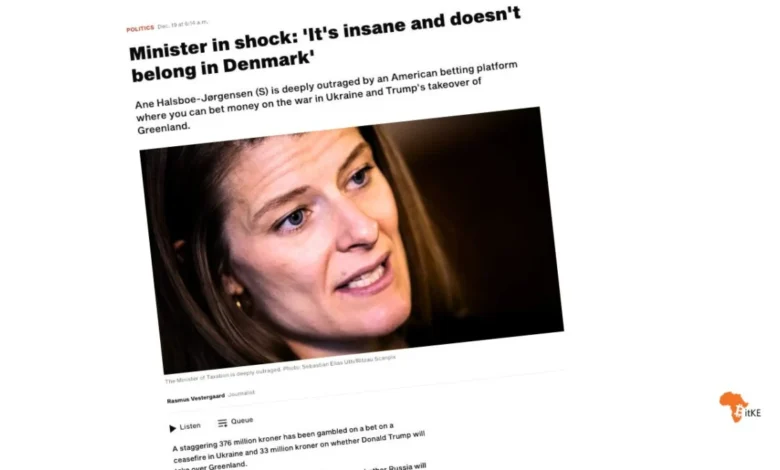
The regulatory responses to prediction markets globally remain fragmented, largely reactive, and often inconsistent. In jurisdictions like the United States, prediction markets such as Kalshi and PredictIt operate under varying degrees of regulatory oversight, typically by the Commodity Futures Trading Commission (CFTC) or through specific No-Action Letters. These often require markets to be structured as non-profit entities or impose caps on individual stakes to avoid classification as unregulated gambling or derivatives. Within the European Union, prior to France’s recent directive, member states generally adopted a more cautious, often national-level approach. Some countries, like Denmark, issued warnings or implemented limited restrictions on certain types of markets without imposing blanket bans.
The distinction between classifying prediction markets as "gambling" versus "financial instruments" is paramount. If categorized as gambling, they fall under national gambling laws, which vary widely in their permissiveness and regulatory requirements. However, if deemed financial instruments or derivatives, they become subject to far more stringent financial regulations, including those concerning market abuse, securities issuance, and investor protection. France’s current stance leans heavily towards the latter, suggesting a potential model for other developed economies, particularly within the EU, to consider. This reclassification is profoundly significant because it explicitly acknowledges the informational utility of these platforms, even while seeking to control their perceived risks. The absence of a unified international regulatory framework for decentralized prediction markets creates a complex and challenging operating environment for platforms like Polymarket, which, by their very nature, operate globally without fixed geographical boundaries.
Economic and Societal Implications of a Comprehensive Block
The comprehensive blocking of Polymarket in France carries multifaceted implications that extend far beyond the immediate cessation of trading for French users.

- Information Access and Transparency: Perhaps the most significant impact is on the availability of real-time, market-derived probability estimates. Journalists, researchers, academics, and citizens in France will now be denied access to a unique and often prescient source of aggregated intelligence on a diverse range of future events, from crucial election outcomes to evolving economic trends. This raises fundamental questions about the free flow of information, censorship, and the public’s right to access diverse data sources in a digital age.
- Chilling Effect on Innovation: France’s stringent approach could send a powerful and chilling message to innovators within the decentralized finance (DeFi) and broader blockchain space. Developers and entrepreneurs might become hesitant to launch or operate platforms that could be reclassified and subjected to comprehensive blocking with little warning, potentially stifling innovation in a rapidly evolving technological sector that promises new forms of market efficiency and information aggregation.
- Economic Impact on the Platform: For Polymarket, a major market like France being entirely blocked could significantly impact its overall user base, liquidity, and trading volume. While decentralized platforms are inherently resilient, widespread national blocks can lead to market fragmentation, reduce overall efficiency, and impede the network effect that underpins their value.
- Precedent for Other Digital Assets: This action could establish a significant precedent for how other decentralized applications (dApps) or digital asset platforms are regulated in the future. If a platform is deemed to possess characteristics similar to regulated financial markets, even if it operates on a blockchain and offers novel functionalities, it could face similar comprehensive blocks, regardless of its underlying technology or stated purpose.
- User Evasion and Regulatory Arbitrage: Historical evidence suggests that blanket bans often lead to users finding sophisticated ways to circumvent restrictions, for example, through Virtual Private Networks (VPNs) or other alternative access methods. This creates a challenging cat-and-mouse game between regulators and users, potentially driving activity underground, making it harder for authorities to monitor, and ultimately hindering effective regulation.
Inferred Statements and Industry Reactions
While specific official statements from Polymarket regarding the French block have not been widely publicized, industry analysts, legal experts, and stakeholders in the blockchain community are closely monitoring and reacting to the situation.
- From Polymarket’s Perspective (Inferred): The platform is highly likely to view this as an unprecedented overreach, particularly given its strong emphasis on its identity as an information market rather than merely a gambling site. Polymarket’s legal team would likely argue that a blanket block disproportionately harms users’ fundamental right to access information and that concerns about manipulation can be adequately addressed through more targeted regulatory measures or robust technological safeguards, rather than outright censorship. Polymarket is anticipated to explore all available legal avenues to challenge the order, potentially arguing against the classification as illegal gambling or an unregulated financial product, and emphasizing principles of freedom of information and expression.
- From French Authorities (Inferred): French regulators would likely maintain that their actions are essential to protect consumers, uphold market integrity, and prevent potential financial abuses, especially concerning vulnerabilities like information asymmetry in specific market types (e.g., weather markets). They would assert their sovereign right to regulate online activities impacting their citizens, particularly where significant financial risks or market manipulation concerns are identified.
- Industry Analysts and Blockchain Advocates: Many in the crypto, DeFi, and digital rights spaces are expressing significant concern. "This is a pivotal moment for prediction markets globally," commented one unnamed blockchain legal expert. "France’s move could force a fundamental re-evaluation of how these platforms design their markets, source their data, and proactively interact with traditional regulatory bodies. It’s a clear signal that simply operating on a blockchain doesn’t automatically exempt you from national laws, especially when real-world data and financial stakes are involved." Digital rights and privacy advocates are also raising alarms, viewing this as another instance of governments exerting potentially unwarranted control over internet access and potentially stifling the open flow of information.
The Impending Legal Battle and Its Precedent-Setting Potential
It is highly probable that Polymarket will mount a vigorous legal challenge against the French blocking order. Such a challenge would likely be multifaceted, focusing on several key legal and philosophical arguments:
- Jurisdiction and Extraterritoriality: Questioning the legal basis for a blanket block of a globally accessible, decentralized platform by a national authority.
- Classification Discrepancy: Disputing the classification of Polymarket’s offerings as either illegal gambling or unregulated financial products under French law, especially by highlighting its distinct role as an information market that aggregates public sentiment rather than simply facilitating bets.
- Proportionality of Measures: Arguing that a complete website block is a disproportionate and excessively restrictive response to the stated concerns, and that less intrusive measures could effectively achieve legitimate regulatory objectives without infringing on fundamental rights.
- Freedom of Information and Expression: Emphasizing the platform’s contribution to public discourse, its role in aggregating and disseminating market-based information, and its alignment with principles of free speech and access to knowledge.
The outcome of any such legal contest could establish a highly significant precedent, not only for the future of prediction markets but for the broader regulation of decentralized applications operating across national borders. A legal victory for Polymarket could compel regulators to adopt more nuanced, technology-specific approaches, acknowledging the unique characteristics of blockchain-based platforms. Conversely, a successful defense by French authorities could embolden other nations to implement similar comprehensive blocks, leading to a more fragmented and restrictive global regulatory landscape for decentralized technologies. This case will undoubtedly become a critical test of how traditional legal frameworks adapt to the decentralized, permissionless, and inherently borderless nature of blockchain-based platforms.
The Future of Prediction Markets in a Regulated World
France’s decisive action against Polymarket underscores a growing and complex global challenge: how to effectively regulate innovative decentralized technologies that inherently blur the lines between traditional legal and economic categories. The debate is clearly evolving beyond the simplistic "is it gambling?" question, moving towards a more sophisticated and granular inquiry into critical questions such as "can it be manipulated?" and "does it uphold market integrity and fair play?" This significant shift demands that prediction market platforms themselves consider and implement robust compliance frameworks. This includes enhanced oracle security (for reliable and tamper-proof real-world data feeds), transparent dispute resolution mechanisms, and potentially even proactive self-regulatory measures designed to pre-empt governmental intervention and build trust with regulators. Regulators, on their part, face the daunting but essential task of developing coherent and adaptable frameworks that can effectively protect consumers and maintain financial market integrity without stifling technological innovation or unduly restricting legitimate access to valuable information. The ongoing saga between France and Polymarket will undoubtedly serve as a crucial case study, shaping the future trajectory of prediction market regulation and influencing how governments worldwide engage with the burgeoning ecosystem of decentralized finance and innovative information aggregation platforms.