Global Markets Navigate Geopolitical Shifts, Sticky Inflation, and Divergent Central Bank Policies

Global financial markets are currently navigating a complex web of crosscurrents, characterized by lingering geopolitical friction in the Middle East, structural economic divergences between the United States and China, and persistent inflationary pressures that continue to challenge major central banks. While investors have found moments of relief through adapting supply chains and robust technological investment, the broader macroeconomic landscape remains fraught with policy challenges, shifting currency dynamics, and elevated bond yields.
Main Facts and Market Overview
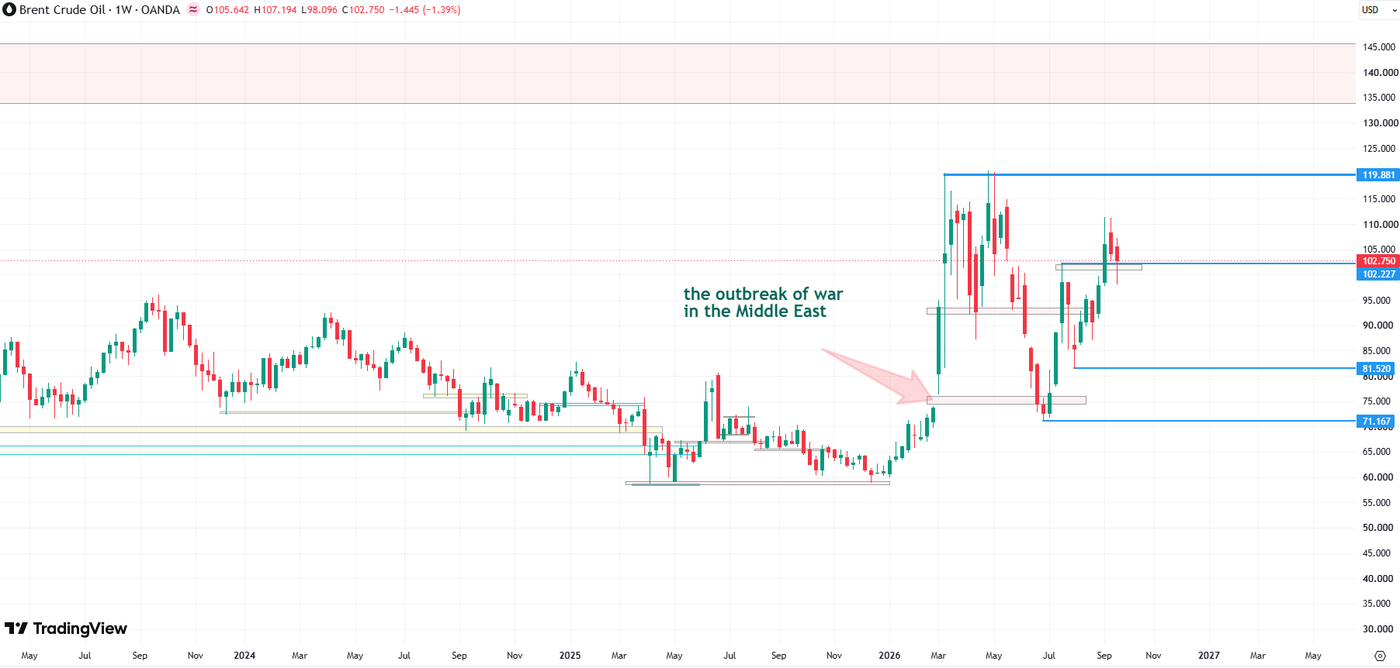
At the heart of current market anxiety is the fragile equilibrium in the Middle East. Although direct hostilities have seen temporary lulls, the structural risks to global energy supplies remain pronounced. Crude oil markets continue to act as a primary barometer for investor sentiment, heavily influenced by maritime shipping realities and political posturing surrounding vital trade chokepoints.
Concurrently, the world’s leading economies are displaying starkly different resilience profiles. The United States continues to outpace expectations, largely insulated from external energy shocks by domestic production and a relentless boom in artificial intelligence infrastructure. Conversely, China remains mired in domestic property sector woes, relying heavily on net exports to sustain growth while leaving itself vulnerable to escalating global trade barriers. In Europe, the euro area is demonstrating surprising stamina in the face of elevated energy costs, prompting the European Central Bank to maintain a cautious stance on monetary policy. Meanwhile, global bond markets are wrestling with the dual pressures of expansive fiscal deficits and lingering price instability, pushing yields to multi-decade highs and reshaping currency forecasts for the U.S. dollar.
Chronology and Timeline of Recent Events
To understand the current positioning of global markets, it is necessary to examine the sequence of macroeconomic and geopolitical milestones that have shaped the past year:

- Early to Mid-2025: Tensions in the Middle East escalate significantly, resulting in disruptions to traditional Gulf export routes. In response, regional shippers increasingly rely on alternative logistical methods, including clandestine and indirect transit routes, to keep crude oil flowing to international buyers and prevent an absolute price shock.
- September 2025: Confronted with sticky inflation readings that consistently outpace projections, the U.S. Federal Reserve implements a 25-basis-point interest rate hike, signaling to the market that monetary easing will be deferred much longer than previously anticipated.
- Late 2025 to Early 2026: Artificial intelligence capital expenditure accelerates across North America, driving immense corporate spending toward the construction of data centers, semiconductor manufacturing plants, and supporting electrical grid infrastructure. This sector acts as a powerful buffer against broader economic deceleration.
- Spring 2026: China reports persistently subdued domestic demand as the lingering fallout from its multi-year property market slump continues to weigh on consumer confidence and private business investment. Export volumes surge, drawing renewed scrutiny and protectionist countermeasures from Western trade partners.
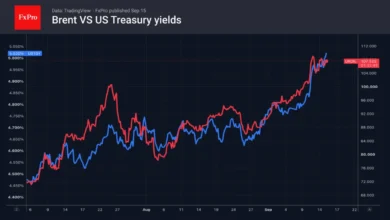
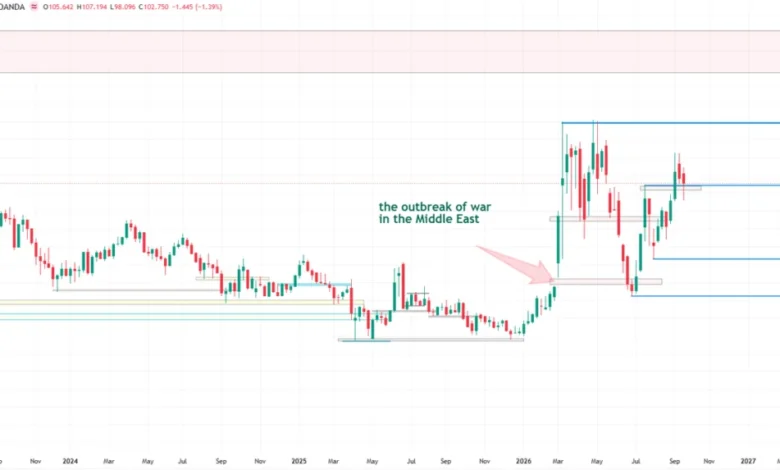
- September 2026: Brent crude oil prices experience renewed volatility amid ongoing diplomatic standoffs involving the United States and Iran, keeping geopolitical risk premiums elevated across commodity derivatives. Bond markets react sharply to fears of prolonged fiscal deficits and delayed central bank rate cuts.
Supporting Data and Economic Projections
Quantitative indicators across major jurisdictions highlight the underlying strength—and vulnerability—of the global economy heading toward the latter half of the decade:
- United States GDP Growth: Forecasts project real GDP growth of 2.4% for the full year 2026, moderating slightly to 2.3% in 2027, underpinned by robust private sector investment in technology and energy.
- Euro Area Performance: The European economy is anticipated to achieve modest growth of approximately 1.0% in 2026, ticking slightly higher above the 1.0% threshold in 2027, even as energy import costs keep headline inflation stubbornly close to the 3.0% threshold.
- U.S. Treasury Yields: Yields on five-year U.S. Treasury bonds have climbed to multi-decade highs not observed in twenty years, reflecting persistent investor demands for higher risk premiums on sovereign debt.
- Central Bank Rate Trajectories: The Federal Reserve is widely anticipated to implement at least one additional rate increase before the close of 2026, with the possibility of a solitary rate cut deferred as late as the final quarter of 2027. Meanwhile, the European Central Bank is expected to lift its deposit facility rate to 2.75% in December 2026 and maintain that restrictive level through the end of 2027.
Official Responses and Policy Perspectives
Policymakers across the globe are walking a narrow tightrope between containing inflation and supporting fragile economic recoveries. Representatives from the Federal Reserve have repeatedly emphasized that monetary policy must remain restrictive until there is definitive, empirical proof that price stability has been permanently restored. Federal Reserve officials have noted that premature easing could unmoor inflation expectations, rendering the central bank’s previous tightening cycle ineffective.
In Frankfurt, European Central Bank leadership has adopted a similarly resolute tone. ECB officials acknowledge that higher borrowing costs impose a heavy burden on households and industrial producers within the euro area, yet they maintain that anchoring long-term inflation expectations remains paramount. The consensus within the ECB Governing Council favors a "higher-for-longer" interest rate paradigm to ensure that secondary wage and price pressures do not become entrenched.
Meanwhile, fiscal authorities in Western nations face mounting domestic political pressure. Large structural budget deficits, driven by defense spending, social security obligations, and energy transition subsidies, have complicated efforts toward fiscal consolidation. Legislative polarization in several major economies has made meaningful spending cuts politically unviable, leaving bond markets to absorb ever-increasing issuances of sovereign debt.
Broader Impact and Market Implications
The intersection of geopolitical friction, structural economic shifts, and monetary tightening carries profound implications for global asset allocators, corporations, and everyday consumers.
Energy Markets and Geopolitical Risk
The reliance on unconventional shipping channels—often referred to in market parlance as "dark transits"—has successfully prevented catastrophic supply shortages following Middle East disruptions. However, these methods introduce operational inefficiencies and maritime security risks. While a normalization of weather conditions and winter supply adjustments could provide temporary relief to oil prices, the underlying geopolitical premium is unlikely to evaporate quickly. Any unexpected escalation near the Strait of Hormuz or a breakdown in diplomatic channels between Washington and Tehran could instantly reverse recent price declines, sending shockwaves through global equities and fixed-income assets.
The Divergence Between U.S. and Chinese Economic Models
The bifurcation of the world’s two largest economic superpowers continues to define global trade flows. The U.S. economy’s capacity to self-generate growth through technological innovation—specifically the artificial intelligence boom—has confounded analysts who predicted a sharper downturn following aggressive monetary tightening. Conversely, China’s structural reliance on export-led growth to compensate for an anaemic domestic property sector leaves Beijing acutely vulnerable to foreign tariffs and technological export controls. This imbalance threatens to exacerbate global trade tensions in the quarters ahead.
Currency Dynamics and the Future of the U.S. Dollar
Over the medium to long term, the dominance of the U.S. dollar faces subtle yet persistent headwinds. Proposals and policy discussions emanating from political figures, including the administration of Donald Trump, regarding potential curbs on the operational independence of the Federal Reserve have introduced a new layer of institutional risk for foreign investors. Combined with an aggressive trade posture, these developments are prompting an increasing number of emerging market economies and trade blocs to explore alternative bilateral settlement mechanisms and currency diversification strategies. While dethroning the dollar remains a gradual, generational process, these frictions could offer structural support to the euro and other major currencies over the coming years.
Outlook for Bond and Equity Investors
For fixed-income investors, the near-term landscape may offer temporary respite. Current market pricing may have already baked in an overly aggressive trajectory of rate hikes from both the Federal Reserve and the ECB. If upcoming economic prints show energy price stabilization and a definitive cooling in core inflation indices, market participants could revise their expectations downward. Such a shift would likely compress bond yields temporarily and provide a welcome tailwind for equity market sentiment.
Nevertheless, structural headwinds—ranging from persistent sovereign debt accumulation to the perpetual threat of geopolitical shocks—suggest that volatility will remain a defining characteristic of global capital markets well into the late 2020s. Investors will need to maintain high levels of portfolio agility, closely monitoring central bank communications, energy infrastructure developments, and fiscal policy announcements as the global economy transitions toward a new, albeit fragile, equilibrium.