Gold Prices Enter Sharp Correction Amidst Shifting Macroeconomic Landscape and Regulatory Scrutiny

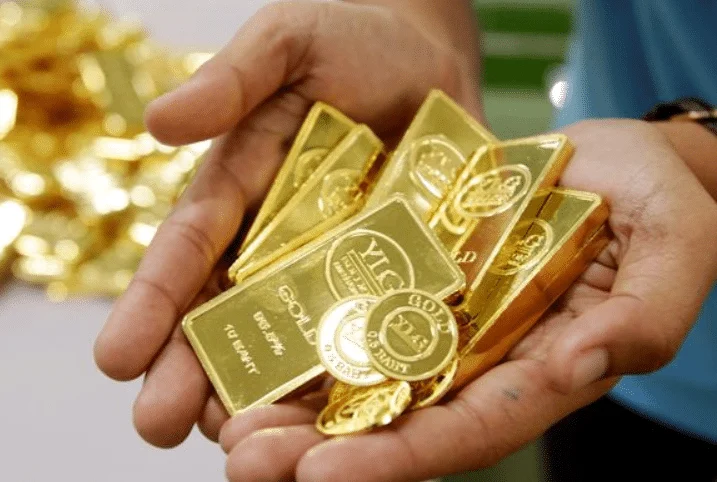
Gold prices are currently undergoing a significant correction, marking a sharp reversal after a robust rally experienced earlier in January. This downturn is attributed to a confluence of evolving macroeconomic developments, the necessity of forced deleveraging in leveraged positions, and decisive regulatory responses implemented in key global markets. While an initial shift in expectations regarding U.S. monetary policy served as the catalyst, the pronounced nature of this price decline underscores the underlying fragility of market positioning that had developed during the preceding upward trend.
The Shifting Sands of Monetary Policy and Inflationary Pressures
A pivotal factor contributing to the gold price correction has been the nomination of Kevin Warsh as the potential next Federal Reserve Chair. This appointment has effectively tempered anxieties surrounding the prospect of aggressive monetary easing from the U.S. central bank. Investors have consequently recalibrated their outlook, anticipating a trajectory towards tighter financial conditions. This shift in monetary expectations, coupled with a notable uptick in U.S. producer inflation figures, has provided a tailwind for the U.S. dollar and real yields. As a non-yielding asset, gold often finds itself inversely correlated with these factors, leading to downward pressure on its price in the short term. The U.S. Producer Price Index (PPI) for finished goods, a key indicator of inflation at the wholesale level, recently reported a year-over-year increase of 3.1% in December, surpassing market expectations and signaling persistent inflationary pressures that the Federal Reserve may need to address through tighter monetary policy. This contrasts with earlier expectations of sustained low inflation, which had supported gold’s appeal as an inflation hedge.
Technical Vulnerabilities and Systematic Selling
The severity of the recent decline in gold prices has been amplified by systematic selling activities. Prior to the reversal, momentum indicators had remained deeply overbought for an extended period, signaling an overheated market that was ripe for a correction. This technical vulnerability meant that once key price levels were breached, the market became susceptible to rapid liquidation as algorithmic trading strategies and margin calls triggered cascading sell orders. The Relative Strength Index (RSI), a common momentum oscillator, had been hovering in overbought territory for weeks, indicating that gold had experienced a rapid and sustained price increase that was unlikely to be sustainable without a pullback. The subsequent breach of critical support levels, such as the 200-period moving average on the 4-hour chart, provided the necessary signal for a broad-based exit from long positions.
China’s Regulatory Intervention and Market Volatility
Developments in China have starkly illustrated the heightened volatility characterizing the precious metals market. Several major Chinese financial institutions, including ICBC, Bank of China, and China Construction Bank, issued public warnings to precious metals investors, highlighting the "technically fragile" nature of the markets and urging a cautious approach. In a swift response to these concerns and the observed market instability, the Shanghai Gold Exchange (SGE) implemented changes to its margin requirements and price limits. These measures were designed to curb excessive speculation and reduce the leverage available for aggressive trading. The SGE’s actions underscore a growing apprehension among Chinese authorities that the recent price surges in gold may have been driven more by speculative fervor and leveraged trading rather than by robust, underlying end-user demand. This regulatory tightening in one of the world’s largest gold consuming nations has had a palpable impact on global gold market sentiment. Data from the World Gold Council indicates that China is a significant driver of physical gold demand, and any disruptions or cooling in this market can have far-reaching consequences.
Retail Stress and Capital Preservation in Smaller Markets
The ripple effects of the global gold price slump have also manifested among retail investors, particularly in smaller, more sensitive economies. Reports from Kyrgyzstan indicate a surge in residents rushing to sell certified gold bars to the state-owned Kyrgyzaltyn company following the international price decline. This behavior shift from hoarding to active capital preservation, observed in smaller markets after a substantial price drop, underscores the psychological impact of significant market movements and the propensity for individuals to protect their assets when faced with perceived risk. In times of uncertainty or rapid asset depreciation, retail investors often prioritize liquidity and safety, leading to a rush to convert assets into more stable forms of currency, even at a loss.
Enduring Structural Support for Gold
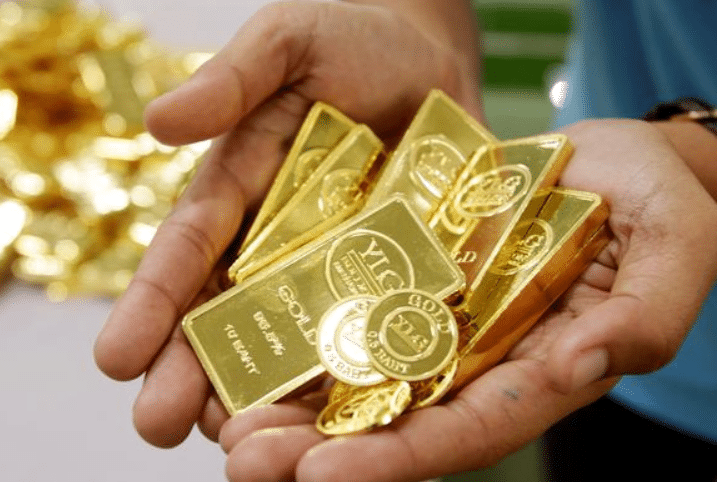
Despite the current correction, the fundamental pillars supporting gold’s long-term value proposition remain largely intact. Central banks worldwide continue to exhibit a strong appetite for gold, actively increasing their reserves as a means of diversifying away from traditional fiat currencies and hedging against geopolitical and economic uncertainties. This sustained institutional buying provides a crucial floor for gold prices. The World Gold Council’s latest reports consistently highlight net purchases by central banks, indicating a strategic rebalancing of global reserves.
Furthermore, the geopolitical landscape continues to offer a backdrop conducive to safe-haven demand for gold. Tensions between the United States and Iran, while experiencing periods of rhetorical calm, remain a significant underlying factor that supports the appeal of gold as a refuge asset. Any escalation or renewed friction in this region could swiftly reignite demand for gold as investors seek to hedge against potential disruptions to global stability and energy markets. The ongoing strategic competition and regional power dynamics in the Middle East have historically been potent drivers of gold’s safe-haven status.
A Necessary Reset, Not Necessarily a Trend Reversal
The current correction in gold prices is being widely interpreted not as a definitive trend reversal, but rather as a necessary market adjustment or "reset" following an exceptionally strong, emotion-driven rally. The rapid ascent of gold prices in the preceding weeks, fueled perhaps by speculative enthusiasm and a rush to capitalize on perceived geopolitical risks, created an unsustainable momentum. This period of price discovery, characterized by significant overbought conditions, has now given way to a period of recalibration.
For gold to embark on a swift upward trajectory once more, market observers suggest that a confluence of factors would likely be required. These could include a re-emergence of significant macroeconomic stress, such as a sharper-than-expected economic slowdown or an escalation of global inflationary pressures that prompts central banks to alter their policy stance. Alternatively, a clear and decisive pivot in global monetary conditions, moving away from tightening towards easing, could reignite interest in gold as an inflation-hedging and diversifying asset.
Gold Price Technical Analysis: Navigating Below Key Averages
A technical analysis of the gold market on a 4-hour chart reveals a challenging scenario. The price has decisively broken below the 200-period moving average, a significant long-term trend indicator, which it had maintained since November 2025. This breach signals a potential shift towards a sustained downtrend, with the possibility of further price depreciation. However, the current oversold conditions, as indicated by the RSI, suggest that a period of consolidation or a technical pullback could occur before any significant further downside materializes.
The immediate upside targets for gold, should a rebound materialize, are seen at the 100-period moving average, situated around the $4,835 level. Beyond this, the psychological mark of $5,000 per ounce and the 20-period moving average at $5,250 represent subsequent resistance levels. Conversely, if selling pressure intensifies, gold could break below its recent lows of $4,400. Such a move could lead to the filling of a price gap at $4,330. Further declines could then test the significant psychological support level of $4,000 per ounce. The sustained trading below the 200-day moving average is a bearish signal, often preceding extended periods of price weakness, but the oversold RSI suggests that the market may be due for a brief reprieve.
The current market environment for gold is characterized by a complex interplay of macroeconomic shifts, regulatory interventions, and technical factors. While the immediate outlook suggests continued pressure, the underlying demand drivers for gold, particularly from central banks and its role as a safe-haven asset, provide a degree of structural support that may limit the extent of any prolonged downturn. Investors and traders are closely monitoring upcoming economic data and geopolitical developments for further clarity on the future direction of this vital commodity. The path forward for gold will likely be dictated by the pace of global economic recovery, the trajectory of inflation, and the evolving stance of major central banks on monetary policy.