Ethereum Foundation Announces Devcon 8 Mumbai Ticket Launch and Programming Roadmap for Global Developer Summit

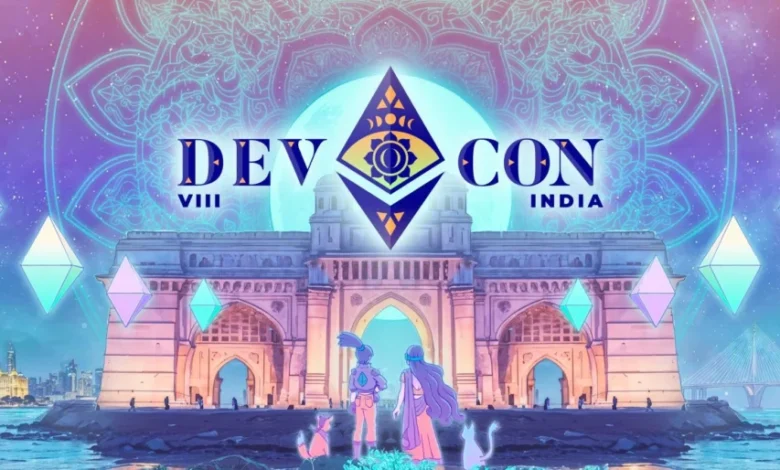
The Ethereum Foundation has officially opened ticket sales for Devcon 8, the premier global gathering for the Ethereum ecosystem, which is scheduled to take place this November in Mumbai, India. This year’s iteration of the conference marks a significant strategic shift for the Ethereum community, moving the flagship event to one of the world’s most populous and technologically vibrant nations to foster a more focused and intimate environment for researchers, builders, and organizers. As the eighth major installment of the Decentralized Foundation’s signature event, Devcon 8 aims to transcend the traditional conference format, serving instead as a four-day intensive laboratory for the future of open technology and decentralized governance.
The selection of Mumbai as the host city underscores the Ethereum Foundation’s commitment to the "Global South" and acknowledges India’s burgeoning role as a powerhouse in the global blockchain and software development landscape. With a developer population that is among the largest in the world, India represents a critical frontier for the adoption of Ethereum-based solutions. Devcon 8 is designed to capitalize on this local expertise while integrating it with the global community of core protocol maintainers and privacy researchers. The event will be hosted across four days, featuring a curriculum that balances high-level theoretical research with hands-on technical workshops.
A Multi-Tiered Approach to Global Accessibility
In an effort to ensure that the event remains accessible to a diverse cross-section of the global community, the Ethereum Foundation has implemented a sophisticated multi-tiered ticketing structure. General Admission tickets, which went live on July 14, are available to the broad public without application requirements. These tickets are released in "waves," a strategy designed to manage demand while rewarding early participants with lower price points. The initial wave offers the most competitive pricing, with subsequent releases scheduled to increase in cost as the event date approaches.
Beyond General Admission, the Foundation has placed a heavy emphasis on inclusivity through its Community Discount program. This initiative is specifically tailored to support those who have historically formed the backbone of the Ethereum ecosystem but may face financial or geographic barriers to attendance. Eligible groups for these discounts include residents of India, full-time students, youth, and active contributors to public goods. Furthermore, core developers—those responsible for the maintenance of the Ethereum protocol—and past Devcon attendees are also eligible for reduced rates.
A unique category of "Builder" discounts is also available, targeting individuals who are actively developing on the Ethereum stack or working within the "Sanctuary Tech" space—a subset of the industry focused on privacy-preserving and censorship-resistant tools. Unlike General Admission, these discounted tiers often require an application process, which is reviewed in rolling batches. This ensures that the limited supply of subsidized tickets is allocated to those who are most likely to contribute meaningfully to the conference’s mission of advancing open-source technology.
Programming and the Nine Pillars of Devcon 8
The intellectual core of Devcon 8 is organized around nine distinct tracks, reflecting the multifaceted nature of modern blockchain development. These tracks are designed to cater to a wide range of expertise, from deep-level protocol engineering to the social implications of decentralized governance. The core pillars of the Mumbai program include:
- Core Protocol: Discussions on the Ethereum roadmap, including scalability solutions, sharding, and the evolution of the execution and consensus layers.
- Applied Cryptography: Focusing on zero-knowledge proofs, multi-party computation, and the practical implementation of cryptographic primitives.
- Privacy: Addressing the urgent need for on-chain confidentiality and the tools required to protect user data in a transparent ledger environment.
- Security: An examination of smart contract auditing, formal verification, and the mitigation of systemic risks within the ecosystem.
- Open Source: Celebrating the philosophy of open technology and exploring sustainable funding models for non-proprietary software.
- Governance: Analyzing decentralized autonomous organizations (DAOs), voting mechanisms, and the challenges of collective decision-making.
- UX and Design: Improving the interface between complex blockchain backends and the end-user to facilitate mass adoption.
- Public Goods: Strategies for building and maintaining infrastructure that benefits the entire community without being captured by private interests.
- Real-World Impact: Case studies on how Ethereum is being used to solve tangible problems in finance, supply chain, and social identity.
The Foundation has issued a call for speakers that is open to the entire community, emphasizing that there is no "invite-only" list or speaker bureau. This meritocratic approach ensures that the stage is occupied by those with the most compelling ideas, regardless of their institutional affiliation. Applications for speakers are open until August 6, with the selection committee beginning its deliberations in late August. Selected speakers are granted complimentary access to the event, further incentivizing high-quality contributions from independent researchers and grassroots builders.
Community Hubs and the Decentralized Event Model
One of the most anticipated features of Devcon 8 is the return of Community Hubs. These are dedicated spaces within the venue that are managed and programmed by specific sub-communities within the Ethereum ecosystem. Rather than following a top-down agenda set by the Foundation, these hubs allow groups focused on specific topics—such as privacy, Layer 2 scaling, or local regional adoption—to curate their own workshops, roundtables, and interactive sessions.
The Request for Proposals (RFP) for Community Hubs emphasizes that these spaces must be community-led and free from corporate branding or project-specific promotion. This requirement aligns with the Foundation’s broader "CROPS" principles: Community, Resilience, Openness, Public-goods, and Sustainability. By decentralizing the event’s programming, the Foundation ensures that Devcon remains a reflection of the community’s diverse interests rather than a monolithic corporate showcase.
Institutional Support and the Impact Program
While Devcon is primarily a developer-focused event, it also provides a platform for ecosystem projects to demonstrate their commitment to the network. The Supporters Program allows aligned teams to establish a presence at the event, connect with users, and launch new initiatives. However, unlike traditional sponsorship models found at major tech conferences, the Devcon Supporters Program is vetted to ensure that participating teams are philosophically aligned with Ethereum’s core values.
For Free and Open Source Software (FOSS) projects and non-profit organizations, the Foundation offers the Impact Program. This initiative provides free opportunities for participation, ensuring that projects that lack significant venture capital backing still have a voice at the table. This program is particularly vital for public goods contributors who provide essential infrastructure—such as client software or block explorers—that the entire network relies upon.
Historical Context and Broader Implications
Devcon has a storied history within the crypto-economy, evolving from a small gathering of enthusiasts in Berlin (Devcon 0) to a global phenomenon that has visited cities like Bogota, Osaka, and Prague. Each location is chosen to highlight a specific theme or to support a burgeoning local community. The move to Mumbai for Devcon 8 follows the success of previous events in the Asia-Pacific region but signals a more mature approach to global expansion.
The decision to host a "more focused and intimate" event in Mumbai is an intentional response to the rapid growth of the blockchain industry. As crypto conferences have become increasingly commercialized and crowded, the Ethereum Foundation is seeking to return to the roots of Devcon: a place for deep technical work and genuine human connection. By limiting the scale and emphasizing developer-centric tracks, the organizers hope to foster the kind of breakthrough conversations that are often lost in larger, more marketing-heavy trade shows.
The implications of Devcon 8 extend far beyond the four days of the conference. For India, the event serves as a validation of its tech sector’s importance and is likely to catalyze further investment and talent development in the domestic Web3 space. For the Ethereum network, the insights generated in Mumbai will likely influence the next several years of the protocol’s development, particularly as the community grapples with the challenges of scaling and maintaining decentralization in a post-Merge world.
As the industry looks toward November, the launch of ticket sales marks the beginning of the final countdown to what many consider the most important annual event in the blockchain calendar. With its blend of rigorous technical discourse, community-led programming, and a deep commitment to global accessibility, Devcon 8 is poised to set a new standard for how decentralized communities gather, learn, and build the future of the internet. Individuals interested in attending, speaking, or supporting the event are encouraged to engage with the official Devcon website and the Ethereum Foundation’s communication channels as the roadmap to Mumbai continues to unfold.