They’ve invested huge amounts in AI infrastructure, but they’ve raised cash even faster.

The current landscape of the global technology sector is defined by an unprecedented "arms race" in Artificial Intelligence. As the world’s largest tech conglomerates pivot their entire business models toward generative AI and large-scale computing infrastructure, the financial magnitude of these investments has reached levels previously unseen in corporate history. However, a paradox has emerged: while these companies are burning through billions of dollars to construct data centers and procure high-end semiconductors, their liquid assets are growing even more rapidly. This financial maneuver suggests a strategic, if aggressive, effort to stockpile capital against potential macroeconomic volatility.
The Financial Fortress of the AI Giants
An analysis of the latest SEC filings for the 13 most prominent AI-focused corporations reveals a collective cash pile of $1.13 trillion. This liquidity—comprised of cash, cash equivalents, and marketable securities—serves as a massive buffer, allowing these firms to weather market corrections, rising interest rates, or sudden shifts in capital availability.
Alphabet, Anthropic, and Amazon currently lead the pack, collectively accounting for $511 billion of that total. Alphabet, for instance, reported $265 billion in liquidity as of September 30, 2026. Despite booking a negative free cash flow of $9.1 billion in the third quarter—a direct consequence of its massive capital expenditure on AI infrastructure—the company’s overall cash position remains fortified. This pattern is repeated across the industry: firms are actively choosing to issue debt and equity at a pace that outstrips their operational and capital spending, effectively "pre-funding" their future growth.
A Chronology of the Capital Surge
The acceleration of this spending began in earnest following the widespread public adoption of generative AI models in late 2022 and early 2023. Initially, companies operated with a "wait and see" approach, but by 2024, the competition for compute power—specifically Nvidia’s H100 and Blackwell series chips—forced a transition into a massive infrastructure buildout.

- Late 2023: Initial reports indicate a massive shift in capital expenditure (CapEx) budgets, with Microsoft and Meta leading the transition toward massive GPU cluster acquisition.
- Early 2025: The focus expanded from pure software development to physical infrastructure, including high-capacity power grids, liquid cooling, and dedicated data center real estate.
- Mid-2026: Market analysts began noting that while operational costs soared, these companies simultaneously tapped credit markets and equity offerings with renewed vigor, taking advantage of still-accessible liquidity to bolster their balance sheets.
- Q3 2026: The most recent quarterly filings confirmed the "prodigious cash" trend, with total reserves exceeding the trillion-dollar mark across the 13 tracked giants.
Breakdown of Corporate Liquidity (As of Q3 2026)
| Company | Liquidity (Billions USD) | Reporting Date |
|---|---|---|
| Alphabet | $265 | Sep 30 |
| Anthropic | $132 | Jun 30 |
| Amazon | $114 | Sep 30 |
| Nvidia | $99 | Jul 27 |
| SpaceX | $90 | Sep 30 |
| Meta | $82 | Sep 30 |
| Microsoft | $65 | Sep 30 |
| Apple | $62 | Jun 27 |
| Intel | $54 | Sep 26 |
| Tesla | $45 | Sep 30 |
| Micron | $43 | Sep 3 |
| Broadcom | $38 | Aug 2 |
| Oracle | $37 | Aug 31 |
The Mechanics of the "Circular Economy"
The capital being spent is not vanishing; it is flowing into a complex, circular ecosystem. The money spent by hyperscalers like Amazon and Microsoft on hardware often flows directly back to suppliers like Nvidia or semiconductor manufacturers like Micron. In turn, these suppliers utilize the revenue to expand their own manufacturing capacity, often requiring more equipment, labor, and energy—thereby stimulating secondary and tertiary sectors of the economy.
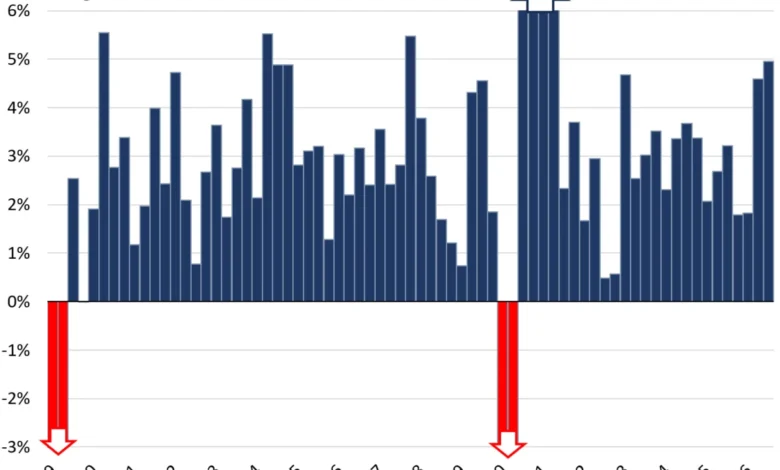
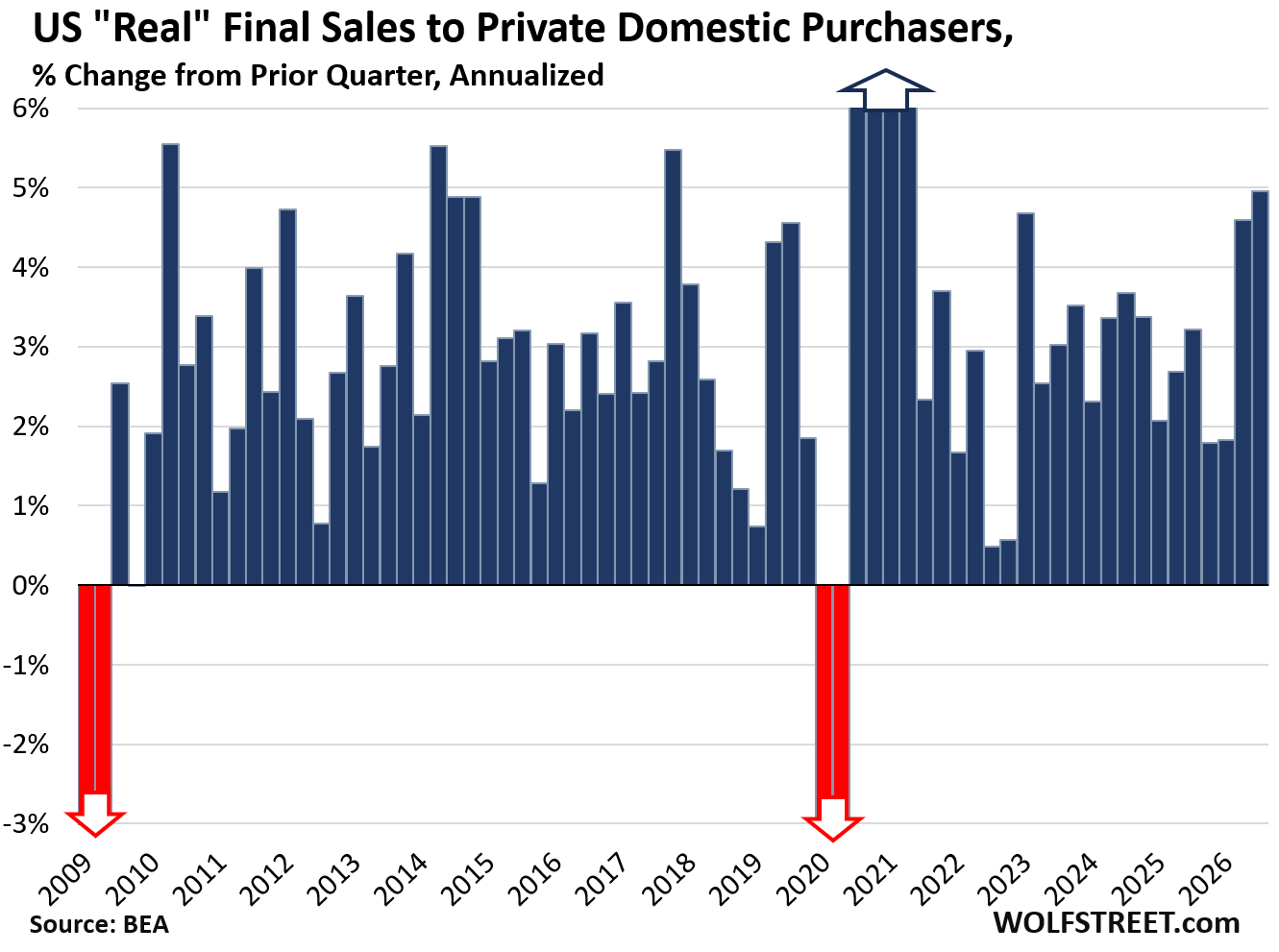
This capital recycling creates a robust economic feedback loop. According to recent Bureau of Economic Analysis data, "Real Final Sales to Private Domestic Purchasers"—a key metric that strips away government spending and trade volatility—soared by 4.9% in the third quarter of 2026. This is the fastest growth rate observed since the post-pandemic recovery of 2021. Economists note that this growth is heavily tethered to the explosion in nonresidential structure investment and intellectual property development, both of which are core components of the AI infrastructure boom.
Implications and Market Sensitivity
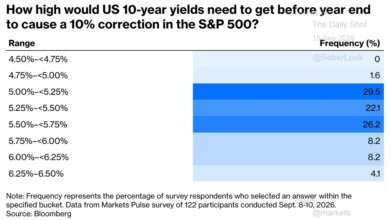
The primary question facing analysts is the longevity of this trend. Can the "tsunami" of AI spending continue indefinitely? The answer appears to be linked to the cost of capital. If market conditions tighten—characterized by spiking yields, equity market volatility, or a contraction in credit markets—the ability to raise new capital will become constrained.
However, the current cash reserves act as a massive hedge. Even if the primary markets were to freeze tomorrow, these 13 companies possess enough liquid capital to sustain their current rate of investment for several quarters, or even years, without needing to seek external financing. This effectively creates a "private stimulus" that acts as a stabilizer for the broader U.S. economy, insulating the tech sector from the immediate shocks of monetary policy shifts.
Industry and Regulatory Perspectives
While the tech sector views these expenditures as vital for maintaining long-term competitiveness, regulators and some institutional investors have expressed concerns regarding the return on investment (ROI). Critics argue that the "AI bubble" is being artificially inflated by a cycle of borrowing and spending that lacks immediate, bottom-line profitability for many of the projects being funded.
Conversely, industry proponents argue that the infrastructure currently being built is foundational. They draw parallels to the expansion of the telecommunications networks in the late 1990s. While many companies failed, the physical fiber-optic networks laid during that era became the backbone of the modern digital economy. The current investment in AI is viewed through this lens: as an essential utility buildout that will define the productivity potential of the next decade.
Broader Economic Impact
The ripple effects of this capital expenditure are evident in the labor market and commercial real estate. Specialized construction firms, data center cooling specialists, and power grid infrastructure providers are seeing record demand. This has contributed to a tight labor market in high-tech industrial sectors, even as some white-collar roles in traditional media and software are displaced by the very AI tools these companies are building.
Furthermore, the concentration of $1.13 trillion in just 13 firms highlights a growing trend of corporate dominance. These companies are not merely businesses; they are now acting as quasi-sovereign financial entities, managing their own capital cycles with such scale that they can influence macroeconomic trends, such as interest rate demand and corporate bond market liquidity.
Looking Ahead
As we move toward the final quarter of 2026, the trajectory of this AI-driven spending remains the single most important variable in the U.S. economic outlook. If the companies continue to prioritize cash accumulation alongside their infrastructure buildout, the tech sector will remain a bastion of stability in an otherwise uncertain global market.
Investors will be watching the next set of quarterly disclosures closely. If free cash flow continues to trend into negative territory, the focus will shift to how long these companies are willing to deplete their "rainy day" funds before they demand actual, tangible revenue growth from their AI products. For now, the strategy of raising cash faster than it is spent remains the dominant play, ensuring that regardless of what happens in the wider economy, the AI infrastructure revolution will have the fuel to continue its expansion for the foreseeable future.