The Architecture of Precision: Why Financial Data Infrastructure is the Bedrock of Modern Algorithmic Trading

In the high-stakes world of quantitative finance, the success of an algorithmic trading strategy is often measured by the sophistication of its models or the speed of its execution. However, professional researchers recognize a more critical, underlying reality: the quality and integrity of a trading system are inextricably linked to the reliability of its data infrastructure. Before a single signal is generated or a backtest is run, the foundational layer of data ingestion must be robust, scalable, and consistent. In professional research environments, data infrastructure is not merely a preliminary task; it is a definitive gating function. Any instability or inconsistency at this foundational level propagates downstream, ultimately compromising the validity of even the most mathematically sound trading models.
The Evolution of Data Ingestion in Quantitative Finance
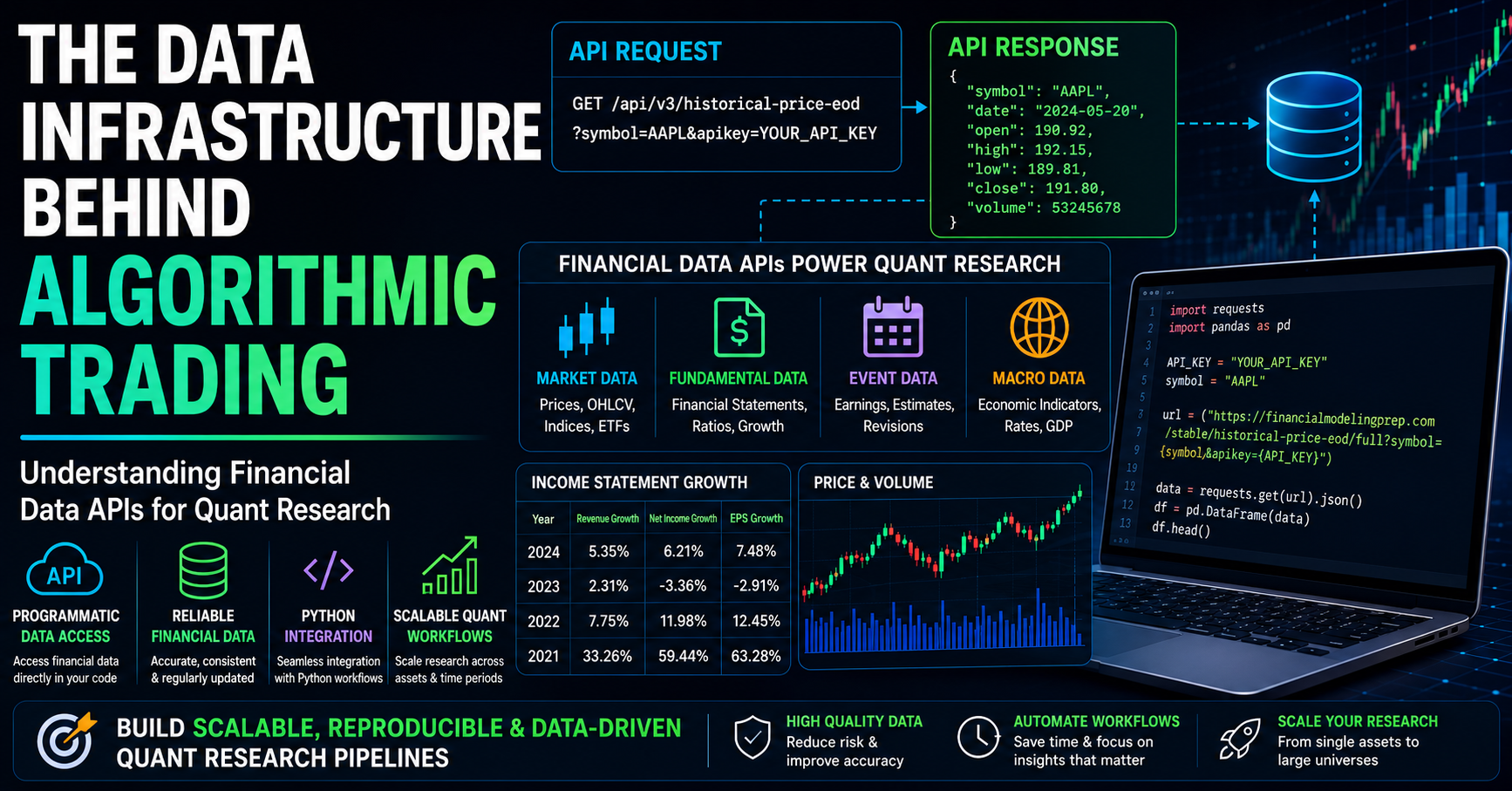
The transition from manual data management to programmatic, API-driven architectures represents one of the most significant shifts in financial research over the past decade. Historically, quantitative analysts relied on manual workflows—downloading spreadsheets, aggregating fragmented data sources, and manually cleaning disparate files. This methodology, while sufficient for localized, small-scale academic research, is fundamentally incompatible with the demands of modern systematic trading.
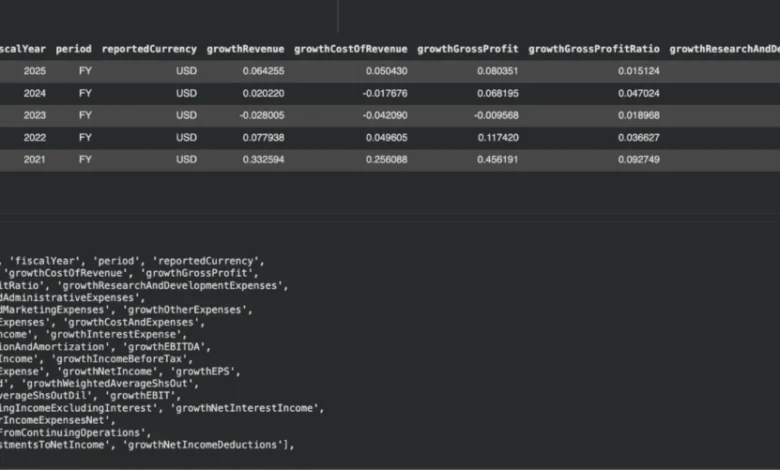
Manual data collection is prone to "data rot" and human error, including misaligned timestamps, missing values, and formatting inconsistencies. In a quantitative pipeline, where feature engineering relies on precise synchronization between disparate datasets, these errors are catastrophic. For example, failing to adjust for a stock split or incorrectly aligning an earnings release timestamp can lead to look-ahead bias, rendering an entire backtest misleading. The evolution toward Financial Data APIs, such as those provided by Financial Modeling Prep (FMP), has enabled researchers to shift from brittle, manual processes to high-fidelity, automated pipelines. These APIs provide a standardized interface, ensuring that datasets ranging from historical price series to complex fundamental growth metrics are delivered in a structured format ready for immediate computational use.
The Mechanics of Scalable Research Workflows
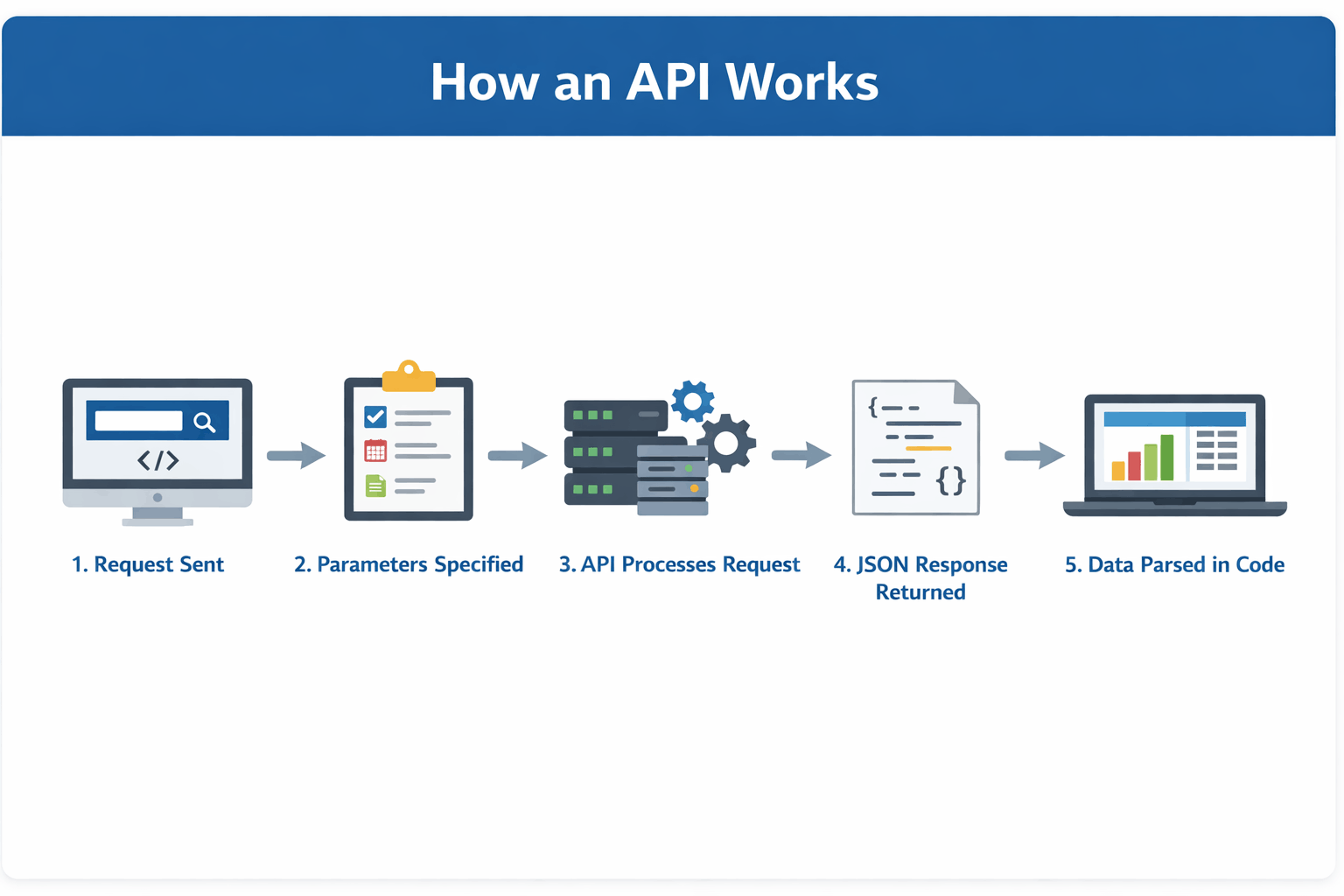
To understand why data infrastructure is the primary determinant of scalability, one must examine the workflow of a modern quantitative researcher. A standard research pipeline involves three core phases: ingestion, feature engineering, and hypothesis testing.
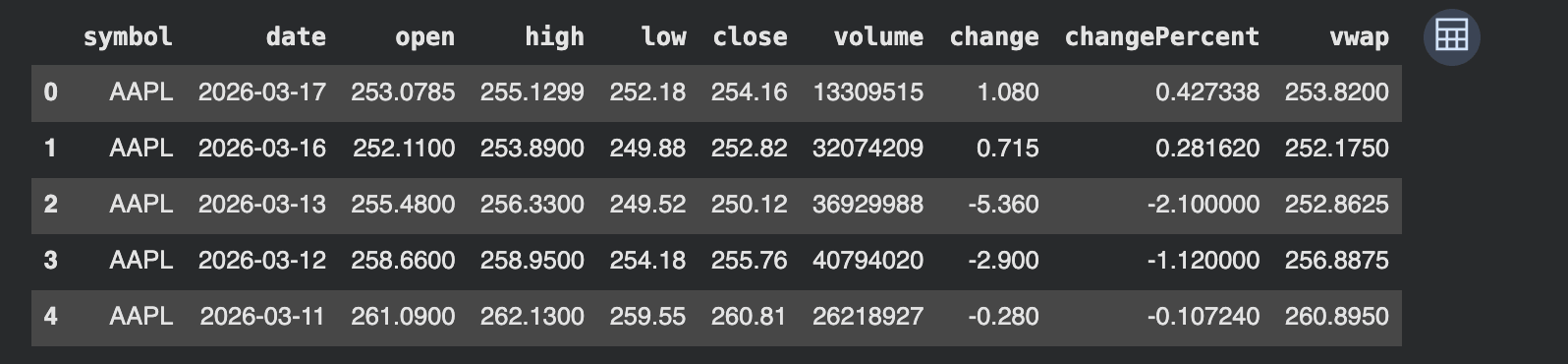
During the ingestion phase, the API acts as a gateway. Unlike manual downloads, which are restricted by the researcher’s ability to navigate legacy portals, an API integration allows for the programmatic retrieval of vast datasets. By utilizing Python, researchers can build automated scripts that query specific endpoints—such as historical EOD (End-of-Day) price data or income statement growth metrics—and load them directly into data structures like Pandas DataFrames. This automation ensures that data is not only consistent but also reproducible. Reproducibility is the cornerstone of the scientific method in finance; if a researcher cannot re-run a model using the exact data parameters of a previous test, the results lose their validity.
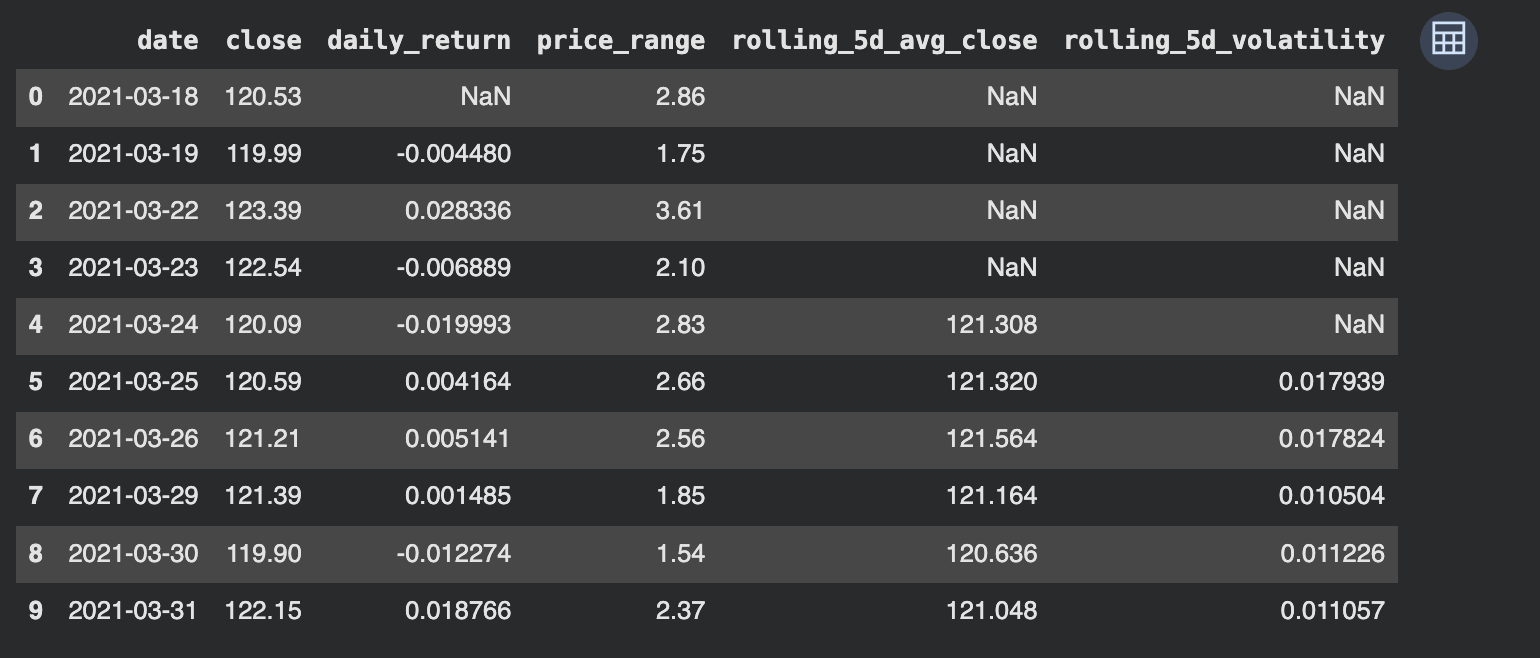
Feature engineering represents the transformation of raw data into predictive signals. When dealing with market data, this might involve calculating rolling volatility, moving averages, or relative strength indices. When incorporating fundamental data, the challenge is different: aligning periodic financial reports with daily price movements. This synchronization is where most amateur research pipelines fail. Professional-grade infrastructure requires sophisticated forward-filling techniques to ensure that fundamental data is only available at the point in time it would have been known to the market. Improper handling of this "point-in-time" data is a frequent cause of backtest overfitting, where a strategy appears profitable on paper but fails to perform in live markets due to an implicit reliance on future information.
The Role of Data Quality in Mitigating Market Risk
Data quality is the silent variable that dictates the survival of a trading system. In the current landscape, the sheer volume of financial data—often referred to as "Big Data" in finance—has made quality assurance more difficult. According to industry benchmarks, quantitative firms now spend an estimated 60% to 80% of their research time on data cleaning and preparation rather than on actual strategy development.
The integration of standardized APIs reduces this burden significantly. By utilizing providers that align with global market data standards—such as those monitored by the Financial Information Services Division (FISD)—firms can ensure their inputs adhere to rigorous, industry-recognized quality metrics. These metrics include, but are not limited to, schema consistency, latency stability, and the accurate representation of corporate actions.
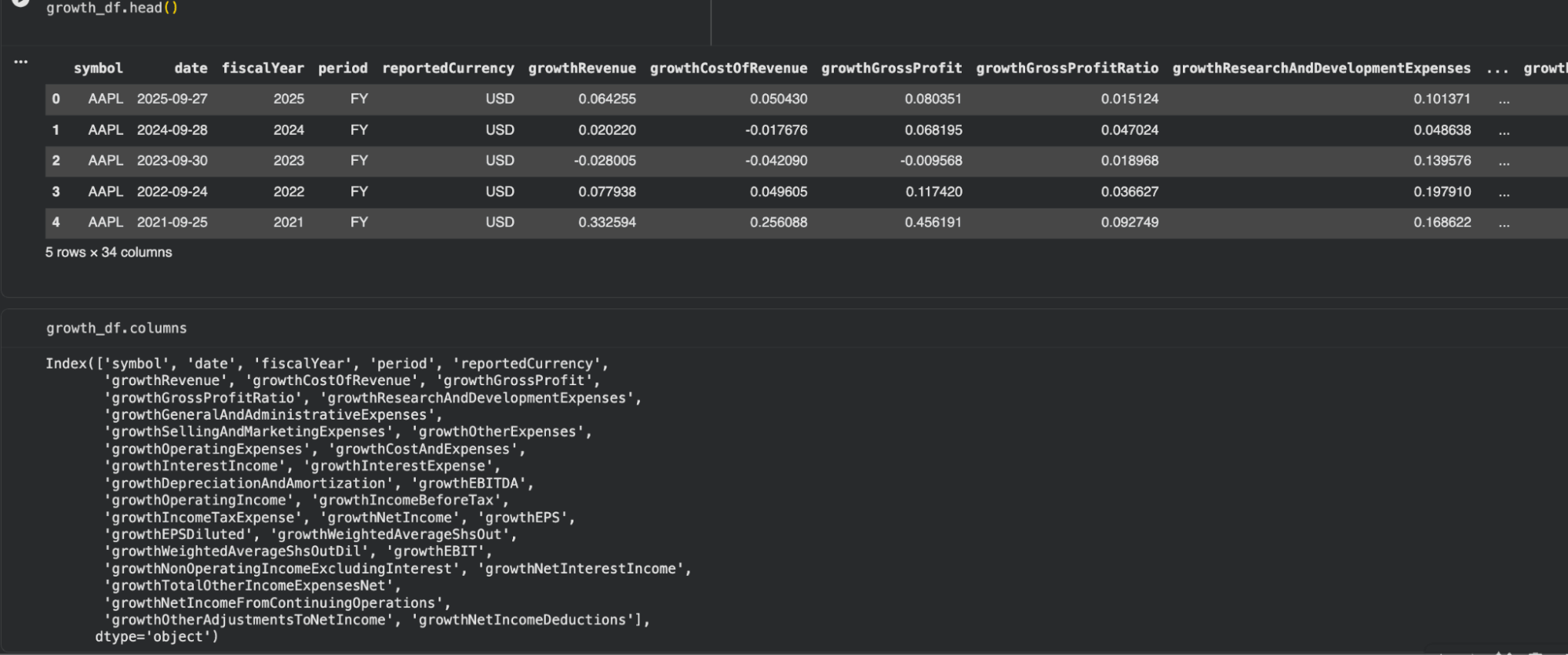
When data is standardized, the researcher can focus on the hypothesis rather than the plumbing. For instance, if a researcher is testing the relationship between revenue growth and price momentum, they can trust that the growth metrics provided by the API are consistent across the entire universe of equities. This reliability allows for the testing of hypotheses across thousands of stocks simultaneously, a process known as "cross-sectional analysis."
Broader Implications for the Financial Industry
The democratization of high-quality financial data through APIs has fundamentally altered the competitive landscape. Historically, only the largest hedge funds and proprietary trading firms had the resources to build and maintain proprietary data warehouses. Today, boutique firms, independent researchers, and retail quantitative developers can access institutional-grade data, leveling the playing field.
This shift has profound implications for market efficiency. As more market participants gain access to reliable data and sophisticated analytical tools, anomalies in the market are identified and corrected more rapidly. However, it also raises the bar for what constitutes a "competitive edge." If everyone has access to the same clean, structured data, the edge no longer comes from having better data, but from having more innovative ways to combine that data.
Looking toward the future, the integration of alternative data—such as sentiment analysis from news, social media, and macroeconomic indicators—will likely follow the same trajectory as fundamental data. As these datasets become standardized and accessible via APIs, they will be incorporated into the same pipelines that currently handle price and fundamental data. The core challenge for the next generation of algorithmic traders will remain the same: building a resilient, scalable, and modular infrastructure that can handle the increasing complexity of global financial markets.
Final Assessment: The Foundational Necessity

The conclusion to be drawn from the current state of quantitative finance is clear: infrastructure is the differentiator. A sophisticated model built on shaky data is a liability, while a simple model built on reliable, high-quality data is an asset. As developers and researchers continue to push the boundaries of what is possible in systematic trading, the importance of the foundational layer—the API-driven ingestion of structured, accurate, and timely financial data—cannot be overstated.
By prioritizing the stability of the data layer, researchers ensure that their work is not only reproducible but also scalable. As the industry moves toward more automated, AI-driven research environments, the robustness of the data infrastructure will ultimately determine which strategies succeed in the long term and which ones succumb to the noise of the market. The integration of platforms like Financial Modeling Prep into the research workflow is not just a technical convenience; it is a strategic necessity for any entity aiming to navigate the complexities of modern, data-centric financial markets with precision and confidence.