Renting with Children and the Financial Independence Retire Early Movement


The traditional trajectory of the American Dream, long defined by the acquisition of a thirty-year mortgage and a suburban family home, is facing increased scrutiny from a growing demographic of financially independent families. While conventional wisdom suggests that homeownership is a prerequisite for stability once children enter the equation, a prominent subset of the Financial Independence, Retire Early (FIRE) movement is challenging this narrative. Kristy Shen and Bryce Leung, former engineers who retired in their early thirties to pursue a nomadic lifestyle, have recently demonstrated that the arrival of a child does not necessitates a return to traditional homeownership or the workforce. After a three-month period of nomadic living in Spain with their toddler and a subsequent relocation across Canada, the couple continues to advocate for a "rent and invest" strategy, prioritizing liquidity and time sovereignty over property equity.
The Evolution of the Nomadic FIRE Lifestyle
The journey of Shen and Leung began in 2015 when they transitioned from high-income engineering roles to a life of full-time travel. Their philosophy, popularized through the "Chautauqua" financial forums hosted by investment author JL Collins, centers on the concept of "buying freedom and renting the rest." In 2016, the couple argued that the opportunity cost of a down payment, combined with the unrecoverable costs of homeownership—property taxes, maintenance, and insurance—often outweighed the benefits of owning a primary residence.
Despite critics suggesting that parenthood would inevitably lead to a more traditional lifestyle, the couple’s recent activities suggest otherwise. Following the conclusion of their speaking engagements in 2022, they transitioned into nomadic parenting. Their recent three-month residency in Spain serves as a case study for "slow travel" with children, a trend where families move between locations for months at a time rather than weeks, utilizing local infrastructure and short-term rentals to maintain a lower cost of living while maximizing cultural exposure.
Economic Context: Renting vs. Owning in the Modern Market
The decision to remain renters is backed by significant economic data. According to the U.S. Census Bureau, the national homeownership rate stood at approximately 65.3% in the fourth quarter of 2023. However, for many families, the barrier to entry has become historically high. Data from the National Association of Realtors (NAR) indicates that housing affordability has reached its lowest point in decades due to a combination of elevated mortgage rates and a persistent shortage of inventory.
For the FIRE community, the argument against homeownership is often rooted in the "invisible costs" of owning. Financial analysts frequently cite the "1% rule," which suggests that homeowners should expect to pay at least 1% of their home’s value annually in maintenance and repairs. When combined with property taxes (averaging 1.1% nationally) and homeowners’ insurance, the non-equity-building costs of a $500,000 home can easily exceed $15,000 per year. Conversely, proponents of the "rent and invest" model argue that by placing a traditional $100,000 down payment into a diversified low-cost index fund (yielding a historical average of 7-10% annually), a family can generate sufficient dividends and capital gains to subsidize or entirely cover their rental costs, while maintaining the ability to relocate for better opportunities or lower costs of living.
A Strategic Framework for Long-Term Rental Stability
To mitigate the inherent risks of renting—such as "renovictions" or sudden lease terminations—Shen and Leung have developed a ten-point strategic framework designed to provide families with the stability typically associated with homeownership.
1. Prioritizing Purpose-Built Rental Structures
One of the most critical aspects of their strategy is the selection of "purpose-built" rental apartments rather than individually owned condos or houses. These buildings are owned by corporations or professional landlords specifically for the purpose of long-term leasing. Because the owner cannot sell an individual unit to an owner-occupier, the risk of a tenant being forced to move due to a property sale is significantly reduced.
2. Rigorous Landlord Vetting and Reputation Management
In the digital age, the "Rate the Landlord" movement has gained traction. Prospective tenants are increasingly treating landlord selection with the same scrutiny landlords apply to tenants. This involves researching management companies for legal history, city citations, and tenant reviews. Maintaining the common areas—such as laundry rooms and lawns—is often used as a proxy for the quality of internal maintenance.
3. Professionalism in the Application Process
The couple emphasizes that in competitive urban markets, the rental process must be approached with professional rigor. This includes punctuality, presentable attire, and a comprehensive "tenant resume" that includes credit reports and references.
4. Establishing "A++" Tenant Status
To gain leverage in negotiations, tenants are encouraged to prove their financial stability. For those in the FIRE movement, this often involves showing bank statements with at least one year’s worth of rent in liquid assets. This transparency reduces the landlord’s perceived risk, often leading to more favorable lease terms or priority in high-demand buildings.
5. The "Pick Two" Rule of Urban Living
The strategy acknowledges the necessity of compromise in high-cost-of-living areas. Families are encouraged to choose two out of three primary factors: convenience (proximity to transit/work), size, and neighborhood quality. For many FIRE families, sacrificing square footage in favor of a walkable, safe neighborhood with high-quality schools is the preferred trade-off.
6. Identifying Up-and-Coming Neighborhoods
Rather than competing for rentals in the most prestigious districts, the strategy suggests targeting "adjacent" neighborhoods. These areas often offer similar access to amenities and schools but at a significantly lower price point, allowing for higher investment contributions.
7. Leveraging Magnet Schools for Educational Access
A common argument for homeownership is the desire to "buy into" a specific school district. However, the use of magnet schools—public schools with specialized curricula that draw students from across traditional boundary lines—allows renting families to access elite education without the premium cost of a specific zip code.

8. Utilizing Non-Traditional Search Platforms
While sites like Zillow and Apartments.com are industry standards, the couple notes that platforms like Craigslist often host listings from smaller, independent landlords who may offer better value, provided the tenant is diligent in screening for scams.
9. Legal Literacy and Tenant Rights
Understanding local jurisdictional laws regarding rent control and eviction protection is paramount. In many regions, long-term tenants in rent-controlled units enjoy a level of financial predictability that rivals fixed-rate mortgages.
10. The Psychological Shift: Owning Time Over Assets
The overarching philosophy remains the prioritization of "time wealth." By avoiding the "lifestyle creep" associated with home maintenance and suburban accumulation, families can focus on experiential wealth and parental presence.
Broader Implications for the Housing Market and Society
The shift toward long-term renting among affluent or financially independent families has broader implications for the real estate market. As more "renters by choice" enter the market, demand for high-quality, family-sized rental units is expected to rise. This may encourage developers to shift away from luxury "micro-condos" toward larger, multi-bedroom purpose-built rentals.
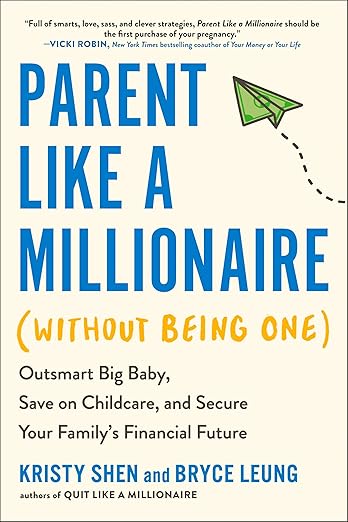
Furthermore, the "Parent Like a Millionaire" concept suggests a decoupling of parenting quality from property ownership. By focusing on "buying back time" through investment income, parents can theoretically offer more direct engagement and educational opportunities than those tied to high-stress, high-income jobs required to service large mortgages.
Conclusion and Fact-Based Analysis
The transition from "carefree nomads" to "renting parents" represents a maturing of the FIRE movement. It challenges the societal stigma that renting is a transitory phase of "pre-adulthood" and reframes it as a sophisticated financial maneuver. While homeownership remains a valid path for many, the data-driven approach of the FIRE community suggests that for those who prioritize mobility and investment growth, renting with children is not only possible but potentially more stable in an era of economic volatility.
The success of this model depends heavily on the "A++ tenant" status and the disciplined reinvestment of the capital that would otherwise be tied up in home equity. As interest rates remain a central concern for global economies, the flexibility of the rental model provides a hedge against the illiquidity of the housing market. For families like Shen and Leung, the goal is not to avoid the responsibilities of adulthood, but to redefine them in a way that maximizes both financial security and familial time.