Two US Nationals Sentenced to Prison for Facilitating North Korean IT Worker Scams

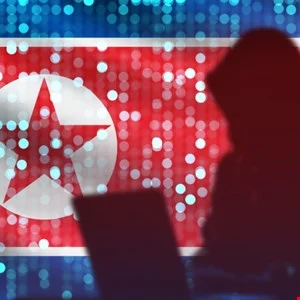
On April 15, the United States Department of Justice announced the sentencing of Kejia Wang, 42, and Zhenxing Wang, 39, both US nationals, for their involvement in a sophisticated scheme that facilitated North Korean remote IT worker scams. The operation, orchestrated on behalf of the Democratic People’s Republic of Korea (DPRK), defrauded over one hundred American companies and generated millions of dollars in illicit revenue for the North Korean regime. This case highlights the persistent threat posed by state-sponsored cybercrime and the lengths to which rogue nations will go to circumvent international sanctions and fund their operations.
The scheme, which operated over several years, leveraged the stolen identities of at least 80 American citizens to create a facade of legitimacy for North Korean IT professionals seeking employment with US-based businesses. These North Korean workers posed as US residents, filling remote IT roles and gaining access to sensitive corporate data, including proprietary source code. The total illicit revenue generated by this operation is estimated to exceed $5 million, directly benefiting the DPRK government. The impact of these breaches extended to critical sectors, with victims including military contractors and artificial intelligence companies, underscoring the national security implications of such activities.
Kejia Wang, residing in Edison, New Jersey, received a sentence of 108 months (9 years) in prison. Zhenxing Wang, of New Brunswick, New Jersey, was sentenced to 92 months (over 7.5 years) in prison. Both individuals had previously pleaded guilty to conspiracy to commit wire fraud and conspiracy to commit money laundering. Zhenxing Wang also entered a guilty plea to conspiracy to commit identity theft, reflecting the multifaceted nature of the criminal enterprise.
The Mechanics of the Deception
The investigation revealed a meticulously crafted operation designed to bypass due diligence processes employed by American businesses. Stolen identities of US citizens were utilized to submit applications and secure remote IT positions across more than 100 organizations, including several Fortune 500 companies. These credentials allowed the North Korean operatives to present themselves as qualified American professionals, capable of performing the required IT tasks.
Within the US, Kejia Wang is understood to have played a managerial role, overseeing at least five individuals who were actively engaged in these fraudulent remote positions. Both Kejia Wang and Zhenxing Wang facilitated the operation by using their home addresses to receive laptops. These devices were intended for the use of the remote workers, who the hiring companies believed to be legitimate US-based employees. Crucially, both Kejia Wang and Zhenxing Wang provided the overseas IT workers in North Korea with remote access to these laptops, enabling them to perform their duties while maintaining the illusion of a US presence.
To further obscure the illicit nature of the operation and channel funds to North Korea, shell companies were established, complete with corresponding financial accounts. These entities were designed to create the appearance that the overseas IT workers were affiliated with legitimate US businesses. This intricate network allowed Kejia Wang and Zhenxing Wang to receive hundreds of millions of dollars from unsuspecting US businesses, who believed they were transferring salaries to their remote employees. A significant portion of these funds was then laundered and repatriated to North Korea, directly supporting the regime’s economy and its illicit activities.
Chronology of the Scheme and Investigation
While the exact start date of the scheme is not publicly detailed, the US Department of Justice’s announcement on April 15, 2024, marks a significant milestone in bringing key facilitators to justice. The investigation likely spanned several years, requiring extensive cooperation between US law enforcement agencies and potentially international partners.
- Pre-2024: The scheme operated for an undisclosed period, with North Korean IT workers, aided by US-based facilitators, infiltrating American companies using stolen identities. Millions of dollars were laundered and sent to North Korea.
- Investigation Phase: The FBI and Department of Justice initiated a comprehensive investigation into the sophisticated cybercrime operation. This likely involved tracking financial flows, analyzing digital communications, and identifying individuals involved in both the US and potentially overseas.
- Indictments: As part of the investigation, indictments were issued against Kejia Wang, Zhenxing Wang, and eight other individuals for their roles in the scheme.
- Guilty Pleas: Kejia Wang and Zhenxing Wang eventually pleaded guilty to charges including conspiracy to commit wire fraud, conspiracy to commit money laundering, and in Zhenxing Wang’s case, conspiracy to commit identity theft.
- Sentencing (April 15, 2024): Kejia Wang was sentenced to 108 months and Zhenxing Wang to 92 months in prison, marking a significant legal victory against state-sponsored cybercrime.
The FBI has indicated that the remaining eight individuals indicted for their involvement in this scheme are still at large and are actively being sought.
Supporting Data and Scale of the Operation
The scale of this operation is substantial, as evidenced by the following data points:
- Number of Defrauded Companies: Over 100 American companies were victims of the scam.
- Number of Stolen Identities: At least 80 American citizens had their identities compromised and used in the scheme.
- Estimated Illicit Revenue: More than $5 million was generated for the North Korean government.
- Sentences: Kejia Wang received a 108-month sentence, and Zhenxing Wang received a 92-month sentence.
- Targeted Sectors: Victims included military contractors and AI companies, highlighting the exploitation of sensitive industries.
The use of stolen identities is a common tactic in cybercrime, but this case demonstrates its strategic deployment in state-sponsored operations to circumvent sanctions and generate revenue. The involvement of Fortune 500 companies underscores the broad reach and sophistication of these illicit networks.
Official Responses and Law Enforcement Stance
The sentencing has drawn strong statements from US law enforcement officials, emphasizing the government’s commitment to combating North Korean cyber threats.
Assistant Director Brett Leatherman of the FBI’s Cyber Division issued a clear warning: "Today’s announcement sends a clear message: US nationals who facilitate DPRK IT worker schemes and funnel revenue to North Korea will face FBI investigation and potential prison time." He further articulated the FBI’s resolve, stating, "Working closely with our partners, the FBI will pursue their co-conspirators and hold accountable those who seek to empower the DPRK by defrauding American companies and stealing the identities of private citizens."
These statements highlight a multi-pronged approach by US authorities: prosecuting individuals who facilitate these schemes within the US, disrupting financial flows to North Korea, and working to prevent future attacks by raising awareness and enhancing cybersecurity measures. The cooperation between various law enforcement agencies, both domestically and potentially internationally, is crucial in dismantling these complex global criminal networks.
Broader Implications and Future Concerns
The sentencing of Kejia Wang and Zhenxing Wang serves as a stark reminder of the ongoing and evolving threat posed by North Korean cyber activities. The DPRK has long been identified as a significant state sponsor of cybercrime, using these illicit activities to fund its weapons programs and circumvent international sanctions. The IT worker scam is just one facet of a broader strategy that includes cryptocurrency heists, ransomware attacks, and the exploitation of financial systems.
Analysis of Implications:
- Financial Support for DPRK Regime: The funds generated through these schemes directly contribute to the North Korean regime’s financial stability, allowing it to continue its pursuit of advanced military technologies and maintain its authoritarian control.
- Erosion of Trust and Corporate Security: The success of such schemes can lead to increased suspicion and distrust in remote work arrangements, potentially impacting legitimate employment opportunities and requiring companies to implement more stringent and costly vetting processes.
- National Security Risks: The access gained by North Korean IT workers to sensitive data from military contractors and AI companies poses significant national security risks, potentially leading to espionage, intellectual property theft, and the compromise of critical infrastructure.
- Challenges in Attribution and Prosecution: While this case demonstrates successful prosecution of facilitators, definitively attributing and prosecuting the ultimate beneficiaries within North Korea remains a significant geopolitical and technical challenge.
- Need for Enhanced Cybersecurity and International Cooperation: The incident underscores the urgent need for businesses to strengthen their cybersecurity defenses, particularly concerning remote work and third-party vendor risks. Furthermore, it highlights the imperative for robust international cooperation to share intelligence, coordinate enforcement actions, and develop effective countermeasures against state-sponsored cyber threats.
The FBI’s pursuit of the remaining eight indicted individuals signifies that this investigation is ongoing. The successful prosecution of Kejia Wang and Zhenxing Wang, however, represents a significant step in disrupting North Korea’s ability to profit from its illicit cyber operations and sends a strong deterrent message to others who might consider aiding such activities. The continued vigilance and proactive measures by governments and private entities will be essential in mitigating the persistent threat posed by North Korean cyber actors.
Related posts: