LG Electronics USA to Suspend Smart TV Apps Exploiting Residential Proxy Functionality Amidst Security Concerns

LG Electronics USA announced this week its intention to suspend any applications built for its smart TVs that transform the television into an always-on residential proxy node. This decisive action follows less than a month after researchers unveiled a significant security vulnerability, revealing that over 42 percent of games and applications available on LG’s webOS store allowed unknown third parties to route their internet traffic through unsuspecting users’ televisions. The move signals a critical shift in how smart TV manufacturers are addressing the growing complexities of app monetization and the associated privacy risks for consumers.
The Unseen Network: Proxy SDKs in Smart TV Applications
The controversy first gained widespread attention on July 2nd, when the cybersecurity firm Spur published extensive research detailing the alarming prevalence of residential proxy software development kits (SDKs) within smart TV applications. Spur’s investigation found that a substantial portion of apps available on LG smart TVs, specifically more than 42 percent, integrated SDKs that effectively turned the user’s television into a perpetual proxy node. This meant that the device could be used by external parties to channel their internet traffic, potentially for a wide array of activities, without the explicit and informed consent of the television owner.
The findings were not limited to LG. Spur’s analysis also indicated that over a quarter of the applications designed for Samsung’s Tizen operating system exhibited similar residential proxy components. This widespread integration suggests a systemic approach by some app developers to leverage these SDKs as a revenue stream, often at the expense of user privacy and security. The implication is that user devices are being rented out to third parties, who then utilize the user’s internet connection and IP address for their own purposes.
LG’s Response: A Stance Against Unauthorized Proxy Use
In direct response to Spur’s findings and inquiries from KrebsOnSecurity, John Taylor, Senior Vice President at LG Electronics, confirmed the company’s commitment to eradicating this practice from its platform. Taylor stated that LG is actively collaborating with app developers to ensure the removal of residential proxy functionalities from their applications on the webOS platform. Crucially, he underscored that developers failing to comply with these directives will face the suspension of their applications.
"A residential proxy network is not an intended use for LG smart TVs, and LG Electronics is working with developers to remove the residential proxy option from their apps on the webOS platform," Taylor stated in an official communication. "If this option is not removed, these apps will be suspended." This firm stance indicates LG’s recognition of the potential for misuse and its proactive approach to safeguarding its user base.
Taylor further emphasized LG’s ongoing commitment to preventing the future incorporation of residential proxy networks into its smart TV applications. He confirmed that the company’s review of existing applications is "well underway now." This implies a comprehensive audit of the LG Content Store to identify and address any remaining problematic applications.
"As part of our ongoing efforts to enhance platform quality and the user experience, LG will continue to strengthen our evaluation process for developer-submitted apps, including those that incorporate residential proxy SDKs," Taylor elaborated in his statement. This suggests a more robust and stringent app review process moving forward, aiming to prevent similar issues from arising in the future.

The Monetization Maze: How Residential Proxies Operate
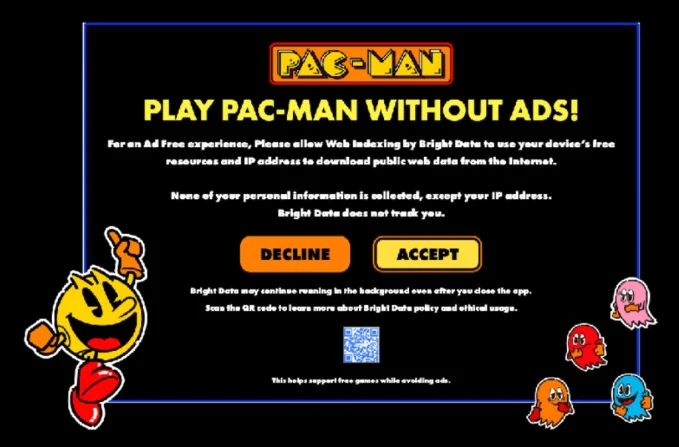
The practice of embedding residential proxy SDKs is often a method for app developers to generate revenue. These providers pay developers to integrate their SDKs, which then transform the end-user’s device into a residential proxy node. This node is subsequently leased to paying customers who utilize it for various online activities. Spur’s research highlighted that these SDKs were found bundled with a wide range of applications on both LG and Samsung smart TVs, from seemingly innocuous games like Pac-Man to functional utilities such as screensavers and file management tools.
One of the most prominent residential proxy networks identified in Spur’s report was Bright Data, which was found to account for a majority of the proxy SDKs present on both LG and Samsung smart TVs. Despite repeated attempts, Bright Data did not respond to requests for comment regarding their SDKs’ presence on smart TV platforms and the potential implications for users.
Companies like Bright Data typically assert that they adhere to rigorous "know your customer" (KYC) processes to verify the legitimacy of their clients’ usage. They often state that their services are primarily used for activities such as content scraping, market research, and ad verification. Furthermore, these proxy providers generally claim to implement technological safeguards designed to prevent their customers from accessing or controlling other devices on the residential proxy user’s local network. However, the research by Spur and previous investigations into botnets like KimWolf have raised concerns about the potential for misuse and the inherent risks associated with these networks.
Broader Implications and Consumer Transparency
Spur argues that the fundamental issue lies not with the existence of residential proxy networks themselves, but with their widespread and often surreptitious integration into devices that consumers do not typically associate with complex networking capabilities. Unlike personal computers, which users may be more inclined to scrutinize for security and privacy settings, smart TVs are often perceived as passive entertainment devices. This lack of user awareness and technical understanding exacerbates the risk.
Trevor Sutter of Spur articulated this concern, stating, "A one-time consent prompt buried in a TV app is not a substitute for meaningful transparency, ongoing control, and platform oversight." He further highlighted the amplified risk when consent is given by individuals within a household who may not fully comprehend the implications or possess the authority to grant such permissions, such as minors. The ease with which these SDKs can be integrated and the often opaque consent mechanisms employed raise significant questions about informed consent in the smart TV ecosystem.
A Pattern of Concern: McAfee Partnership Under Scrutiny
LG’s decisive action on residential proxy SDKs comes at a time when the company is also facing scrutiny for a separate controversial partnership. Earlier this week, the YouTube channel Gamers Nexus brought to light that certain LG high-end LCD monitors were found to automatically install an application promoting paid McAfee antivirus subscriptions. Disturbingly, this installation occurred via Windows Update without any explicit approval prompt from the user. This incident raises further questions about LG’s approach to software integration and its impact on user experience and privacy, even outside of its smart TV division. The implication is that LG’s hardware, including its monitors, may be bundled with software that can be installed without direct user consent, potentially leading to unwanted subscriptions or security software that may not align with user preferences.
The dual controversies surrounding residential proxy SDKs and the McAfee software installation highlight a broader challenge for consumer electronics manufacturers: balancing monetization strategies with user privacy, security, and transparency. As smart devices become increasingly integrated into our daily lives, the need for robust oversight and ethical development practices becomes paramount. LG’s commitment to removing these proxy functions from its smart TV app store is a positive step, but the ongoing scrutiny of its software integration practices suggests that the company, and the industry as a whole, has a considerable path ahead in rebuilding consumer trust and ensuring a secure and transparent connected ecosystem. The long-term impact of these events will likely involve increased regulatory attention and greater consumer demand for accountability from manufacturers regarding the software and services embedded within their devices.