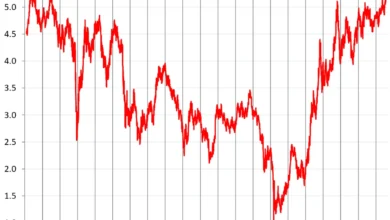
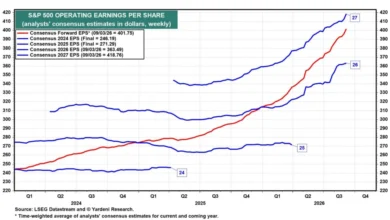
Conniptions in the Treasury Market calm down. Nothing Goes to Heck in a Straight Line, says the WOLF STREET dictum, not even the Treasury Market.

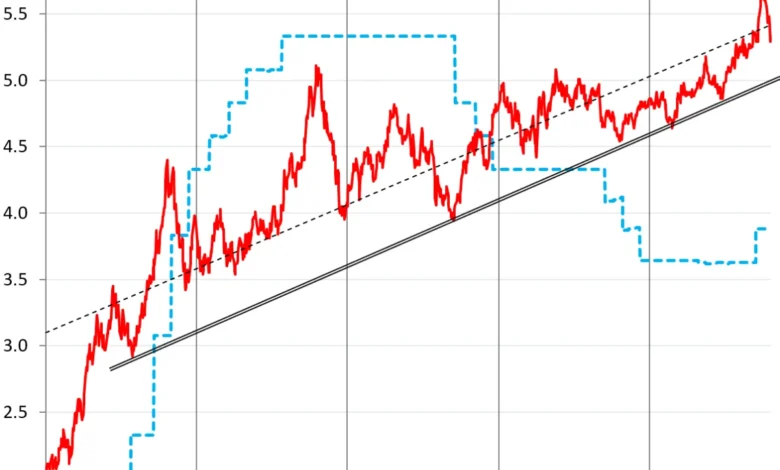
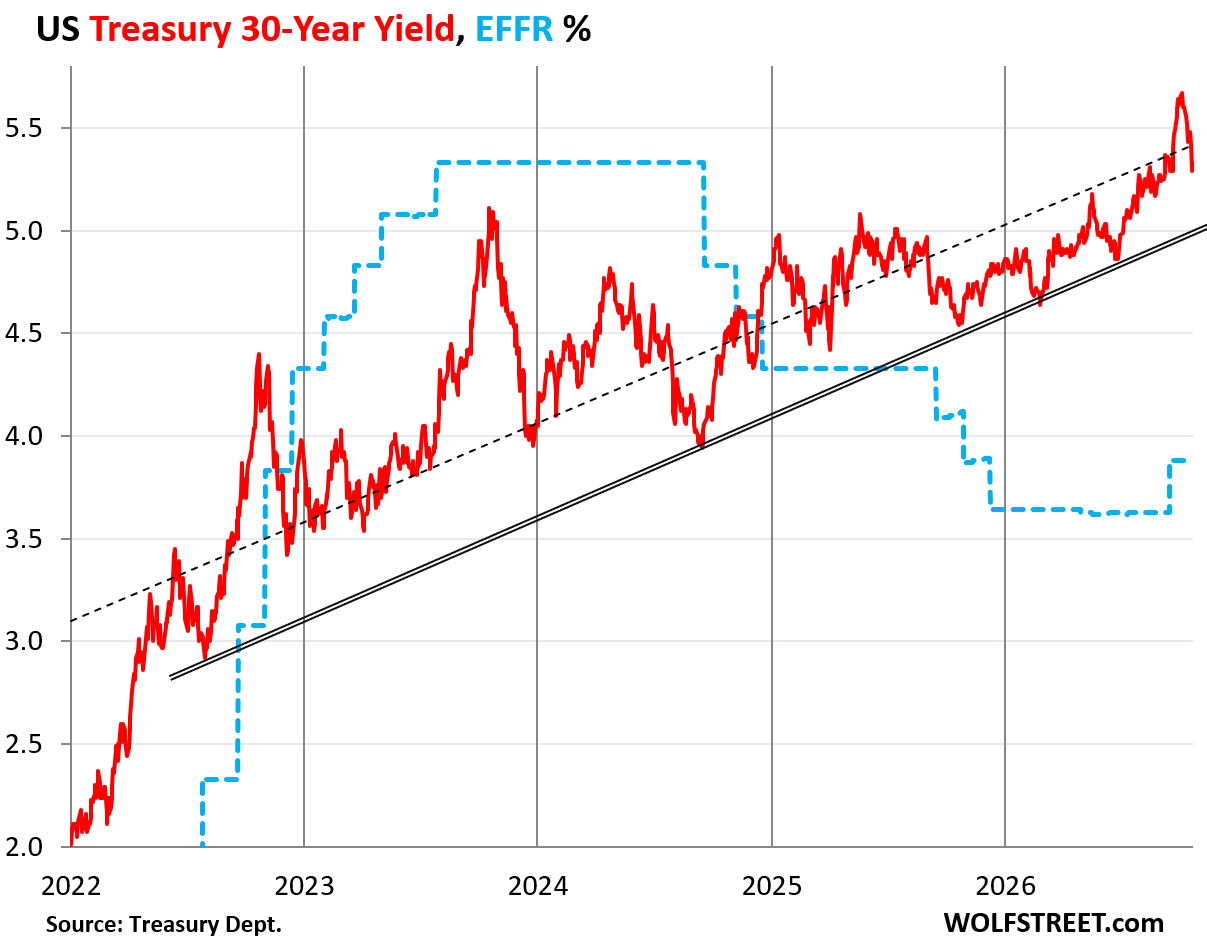
The volatility that has defined the United States Treasury market throughout the current calendar year has shown initial signs of stabilization, providing a reprieve from the aggressive yield spikes that dominated the third and fourth quarters. For months, the primary engine driving this turbulence was the frenetic pace of corporate capital raising, particularly among technology firms engaged in the intensive infrastructure race to deploy artificial intelligence (AI). These corporations, anticipating market tightening and attempting to outpace competitors and major upcoming initial public offerings from entities like Anthropic and OpenAI, flooded the debt markets with massive bond offerings. This corporate appetite for capital, layered atop the U.S. government’s own requirement to finance an annual deficit of roughly $2.2 trillion, created a supply-demand imbalance that forced yields to their highest levels in over two decades.
A Strategic Retreat from the Bond Market
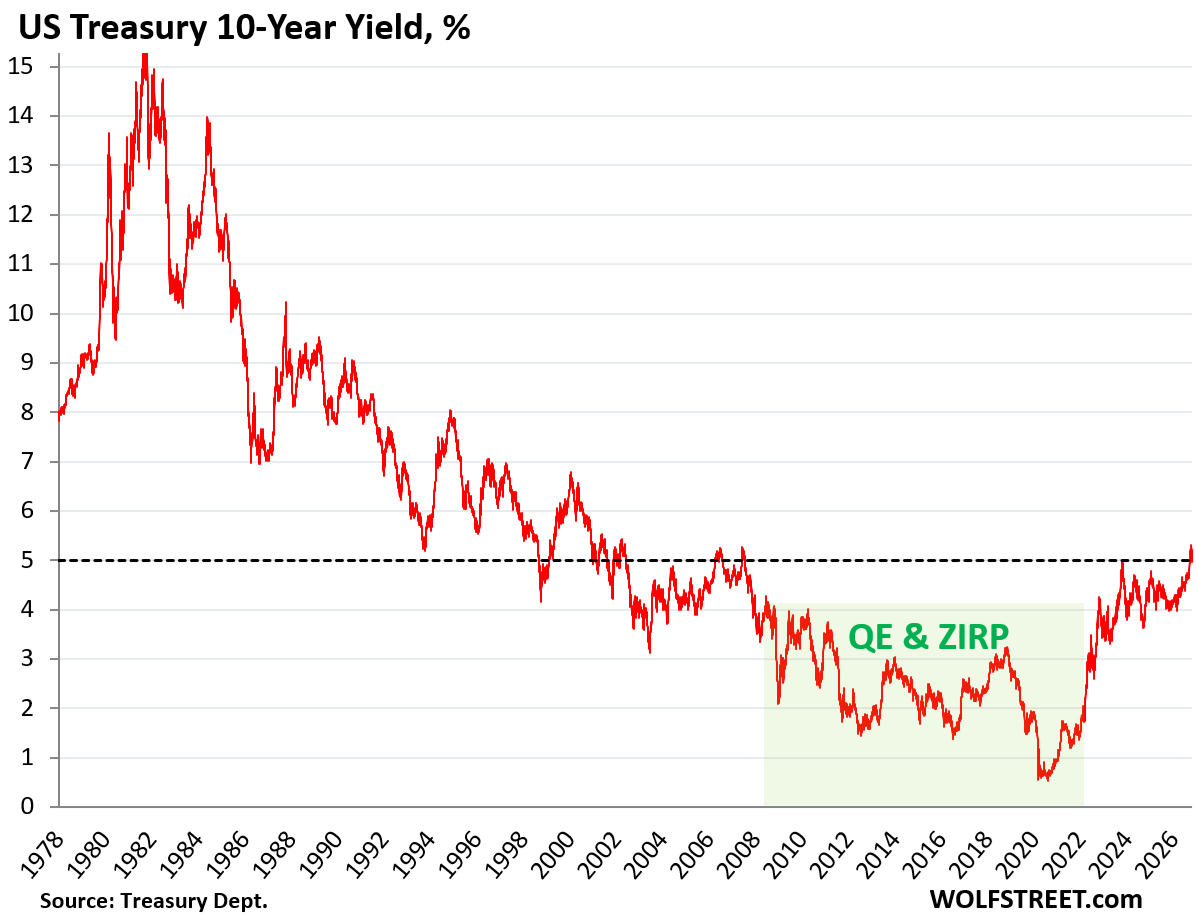
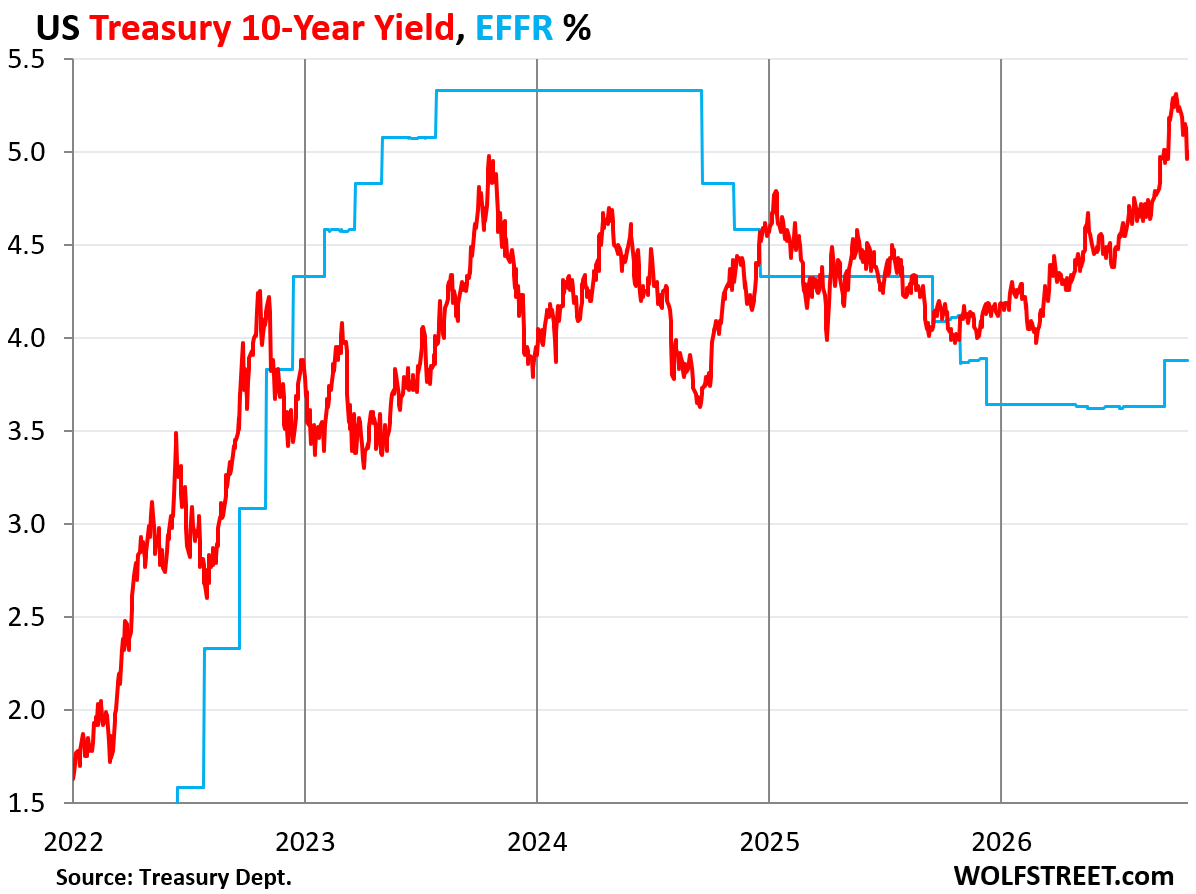
The recent cooling of Treasury yields—the 10-year yield falling from a closing high of 5.31% on October 5 to 5.00% by late October—is not a sign that the AI investment cycle is ending. Rather, it signifies that the most aggressive phase of corporate front-loading has concluded. Companies involved in the AI sector have successfully fortified their balance sheets, hoarding hundreds of billions of dollars in cash and marketable securities. By securing this liquidity, these firms have insulated their operations against potential future market lock-ups.

Alphabet, for instance, reported $242.5 billion in cash and equivalents as of June 30. Following an additional $29 billion capital raise in August and robust operating cash flows—which reached $39 billion in the second quarter alone—the company is sitting on an estimated $300 billion hoard. Even against the backdrop of its $44 billion in quarterly capital expenditures, Alphabet is positioned to continue its infrastructure spending regardless of current volatility in the debt markets. Similarly, Amazon and SpaceX have executed significant capital raises, with SpaceX finalizing a $40 billion debt offering via private credit and institutional channels, effectively bypassing the traditional bond market and alleviating pressure on Treasury yields.
The Cumulative Weight of AI Infrastructure Capital
The scale of capital accumulation among the top 10 AI-focused companies is unprecedented. According to recent financial filings, these firms held a combined $774.7 billion in cash and marketable securities at the end of their respective last reported quarters. Since that time, they have raised an additional $107.7 billion, bringing the total liquidity pool to approximately $882.4 billion. This figure does not account for private entities like OpenAI or Anthropic, nor does it include massive non-AI-related debt packages, such as the $52 billion raised for the Paramount Skydance acquisition.
The sheer volume of this capital movement created a "crowding out" effect. When corporations issue bonds at higher yields to attract investors, they effectively compete with the U.S. government for the same pool of institutional capital—pension funds, insurance companies, and sovereign wealth funds. This competition was a primary catalyst for the "bond bloodbath" witnessed in early October, as investors demanded higher returns to hold government debt in an environment flooded with high-yield corporate alternatives.
Chronology of the Treasury Volatility
The market’s recent trajectory highlights the speed at which sentiment can shift. In late September, concerns regarding high inflation data and persistent economic growth projections pushed the 10-year Treasury yield toward 5.10%. By early October, the market entered a period of extreme duress, with the yield accelerating to 5.31% over a nine-day sell-off. This period was characterized by widespread speculation regarding "fiscal dominance"—a scenario where the government’s debt load becomes so unsustainable that it forces the central bank to intervene via monetary expansion.
However, the reversal was equally rapid. Over the subsequent 13 trading days, the yield unwound the 31-basis-point surge, returning to the 5.00% level. This cycle serves as a practical demonstration of the market’s inherent tendency to correct after extreme, one-sided movements. While market commentators initially feared an unyielding climb, the "breather" arrived as institutional buyers identified value at higher yields, triggering a wave of short-covering among leveraged hedge funds.
The Persistence of Fundamental Headwinds
Despite the recent moderation in yields, the structural challenges facing the Treasury market remain largely unchanged. The macroeconomic environment is defined by three persistent factors: stubborn inflation, strong nominal economic growth, and the ongoing fiscal trajectory of the federal government. While the temporary withdrawal of large-scale corporate bond issuers has reduced the "competition" for capital, the underlying supply of government debt remains elevated.
Financial analysts note that the decline in yields from the October peak should not be interpreted as a return to a low-rate environment. Rather, it represents a recalibration of risk premiums. The market is currently navigating a "higher for longer" reality where investors require significant compensation for the risks associated with long-term government debt, particularly in an era of fiscal expansion.
Broader Economic Implications
The decoupling of AI infrastructure spending from the immediate need for capital markets is a crucial development for the broader economy. Because these corporations are currently "cash-rich," the real-world deployment of AI technology—data centers, specialized hardware, and power infrastructure—is likely to continue at pace even if the bond market remains volatile or restrictive.
However, the implications for the Treasury market are more nuanced. The stabilization observed in late October is welcome, but it remains fragile. Should the government’s borrowing requirements exceed market expectations, or should inflation data reignite, the competition for capital could intensify once again.
Furthermore, the shift of certain corporate borrowers toward private credit—as seen with SpaceX’s move to loan funds and institutional credit providers—represents a diversification of the financial landscape. By moving away from the public bond markets, these companies are effectively thinning the crowd of issuers, which may provide the Treasury market with more "breathing room" in the short term.
Conclusion
The current state of the market suggests that while the "conniptions" have subsided, the fundamental dynamics of the U.S. debt market remain under pressure. The cooling of Treasury yields is a testament to the success of corporate treasury departments in front-loading capital, yet it also masks the reality that the primary drivers of volatility—fiscal policy and macroeconomic data—are still at play. For now, the market has entered a period of relative calm, having demonstrated that even in an era of rapid technological change and unprecedented government spending, financial markets do not move in a straight line. The coming quarters will likely test whether this stabilization can hold as the economy continues to digest the massive infusion of capital intended for the next generation of AI infrastructure.