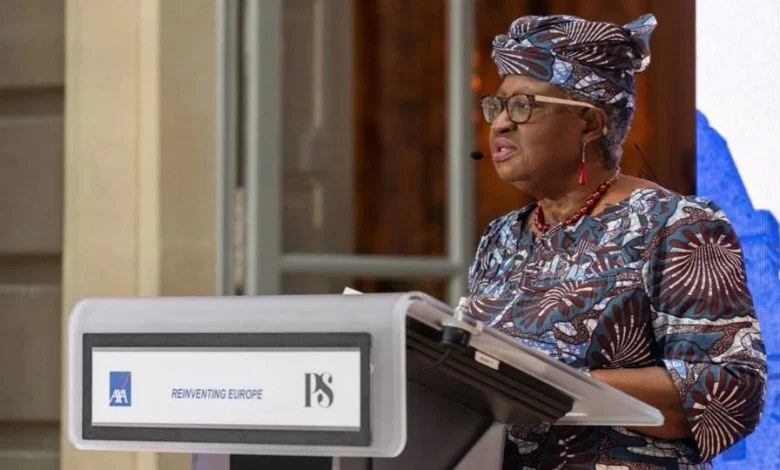
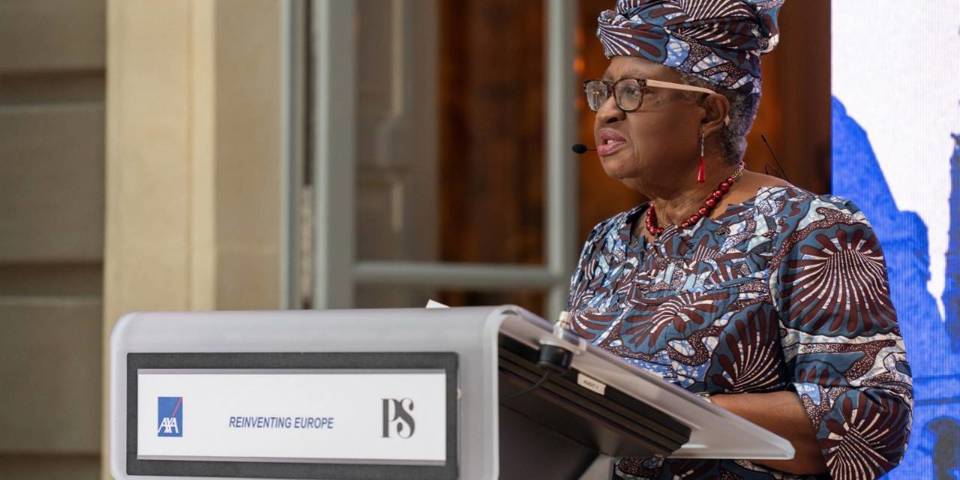
The landscape of global economics is undergoing a profound paradigm shift, and at the heart of this transformation lies the enduring resilience of international trade networks. Delivering the closing keynote address at the Project Syndicate (PS) Events symposium focused on the overarching theme of "Reinventing Europe," World Trade Organization (WTO) Director-General Ngozi Okonjo-Iweala offered a sobering yet fundamentally optimistic assessment of the European and global economic frameworks. Addressing an audience of policymakers, economists, and global business leaders, Okonjo-Iweala challenged prevailing narratives of decline, urging stakeholders to anchor their reform strategies not in panic, but in a pragmatic appreciation of existing institutional strengths. Her address served as a cornerstone for discussions concerning Europe’s external competitiveness, its positioning in a polarized geopolitical landscape, and the untapped potential of cultivating deeper economic corridors with emerging markets, particularly across the African continent.
Context and Background of the Reinventing Europe Symposium
The "Reinventing Europe" event convened at a critical juncture for the European Union, as the bloc grapples with structural sluggishness, intense technological competition from the United States and China, and the lingering aftershocks of pandemic-era supply chain disruptions, energy crises, and inflationary pressures. For years, European policymakers have wrestled with the "competitiveness gap," a term frequently invoked to describe the region’s lag in producing dominant, hyper-scale technology enterprises comparable to Silicon Valley giants or their Chinese counterparts.
Against this backdrop of intense self-reflection and policy anxiety, Okonjo-Iweala’s intervention reframed the discourse. Rather than conceding to a narrative of irreversible obsolescence, the WTO chief redirected attention toward systemic foundations that continue to function remarkably well. Her keynote underscored that the pursuit of modernization must not inadvertently dismantle the robust regulatory, scientific, and commercial bedrocks that have historically sustained Europe’s global standing.
Deconstructing the Myth of Economic Obsolescence
A central thesis of Okonjo-Iweala’s address was the common human and analytical tendency to overlook what is actively working when caught up in the fervor of reinvention. This perceptual bias, she argued, has heavily colored recent evaluations of both the multilateral trading system and the European economic model.
While critics frequently characterize the WTO and global trade rules as paralyzed or obsolete in the face of rising protectionism and geopolitical fragmentation, Okonjo-Iweala pointed to empirical resilience. Despite profound systemic shocks over the past decade—ranging from trade wars and the COVID-19 pandemic to major regional conflicts—global trade volumes have not collapsed; instead, they have adapted through diversification and restructuring.
Similarly, Europe’s economic anatomy cannot be judged solely through the narrow lens of consumer technology platform dominance. While Europe may lack a direct equivalent to hyperscale cloud providers or dominant social media conglomerates based in the US or China, it remains an indomitable global trade powerhouse. The continent commands significant shares of high-value manufacturing, specialized industrial machinery, advanced pharmaceuticals, and green transition technologies. Furthermore, Europe retains an unrivaled ecosystem of scientific research, institutional stability, and standard-setting authority that shapes global markets far beyond its borders.
The Danger of Panic-Driven Policymaking
Okonjo-Iweala cautioned against the growing temptation among European policymakers to legislate and strategize from a position of panic. In an environment dominated by anxieties over industrial de-escalation, economic security, and technological dependency, there is a palpable risk of overcorrecting.
Panic-driven policymaking, she warned, often manifests as reactionary protectionism, excessive regulatory fragmentation, or the reckless abandonment of open-market principles that have historically underpinned European prosperity. Instead of resorting to defensive fortresses, Europe must pursue measured, deliberate reforms designed to enhance productivity, accelerate capital market integration, and streamline administrative hurdles without sacrificing its social and environmental standards.
Expanding Horizons: The Strategic Imperative of EU-Africa Trade Ties
A pivotal component of Okonjo-Iweala’s vision for European reinvention involves looking beyond traditional transatlantic and Asian axes to forge transformative economic partnerships with the Global South, with Africa occupying a primary strategic position.
Demographic and economic trends make this partnership an operational imperative. Africa is home to the world’s youngest and fastest-growing workforce, alongside vast reserves of critical raw minerals essential for the global green and digital transitions. By proactively investing in African infrastructure, digital connectivity, and value-addition manufacturing locally—rather than merely extracting raw commodities—European economies can secure resilient supply chains while driving sustainable development.
Strengthening trade and investment ties with Africa offers Europe a dual advantage: it diversifies external economic dependencies away from volatile single-source markets and creates vibrant new consumer markets for European goods, services, and advanced engineering solutions. Okonjo-Iweala emphasized that this relationship must be forged on the basis of equal partnership, mutual benefit, and long-term structural integration.
Analytical Implications for Global Trade and European Strategy
The insights delivered by the WTO Director-General carry profound implications for institutional strategists and national governments alike. As Europe embarks on its multi-year legislative and economic renewal cycles, the challenge will be to balance strategic autonomy with the preservation of an open, rules-based international trading architecture.
- Balancing Protection and Openness: Europe’s pursuit of economic security must be carefully calibrated to avoid morphing into autarky. Maintaining integrated supply chains is vital for maintaining industrial competitiveness.
- Capitalizing on Research Strengths: Commercializing Europe’s world-class scientific research into scalable commercial enterprises remains the missing link in closing the productivity gap with global competitors.
- Diversification through Regional Integration: Operationalizing deeper economic frameworks with emerging regions, notably through the African Continental Free Trade Area (AfCFTA), provides a viable roadmap for long-term growth and supply chain security.
Ultimately, Okonjo-Iweala’s message at the Project Syndicate event served as a timely corrective to fatalistic rhetoric. Reinventing Europe does not require discarding its foundational identity or acting out of fear. Rather, it demands a clear-eyed assessment of enduring assets, a rejection of reactionary isolationism, and the strategic audacity to build new bridges with dynamic global partners.