Americans are buying fewer vehicles than decades ago, but more expensive vehicles, as automakers keep going upscale.


The automotive market in the United States is undergoing a profound structural shift characterized by a contraction in unit volume paired with an aggressive move toward premium pricing. As of the third quarter of 2026, the landscape of vehicle ownership and financing reveals that while the sheer number of cars leaving dealer lots has regressed to levels not seen since the mid-1980s, the financial burden on the average American consumer has hit historic highs. This transformation is driven by a combination of manufacturer strategies to prioritize high-margin luxury and utility vehicles over entry-level sedans, alongside a maturing credit environment that has moved past the "free money" era of the early 2020s.
The Current State of Auto Loan Delinquencies
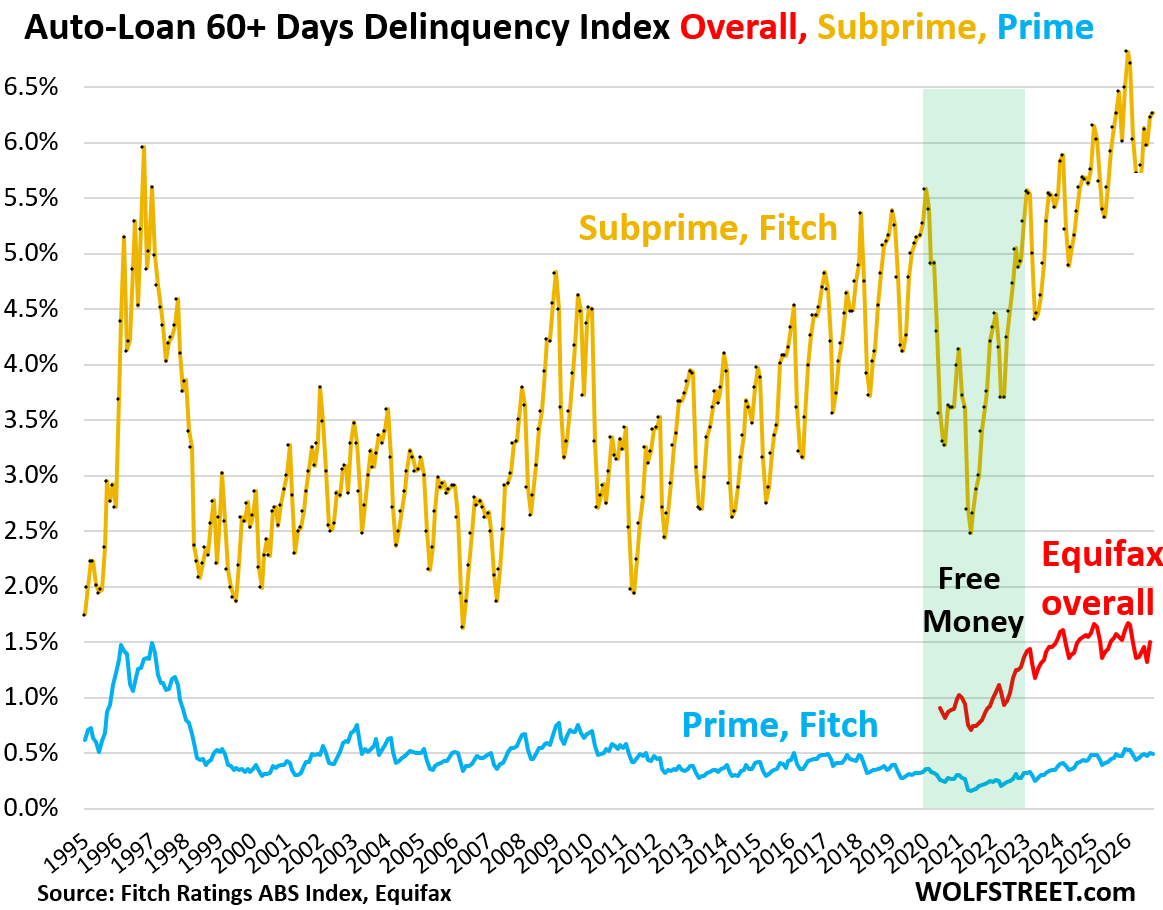
Financial stability in the automotive sector is often gauged by delinquency rates, particularly those concerning loans that are 60 days or more past due. Data provided by Equifax for September 2026 indicates an overall delinquency rate of 1.50%. While this figure represents a 7-basis-point decline year-over-year—marking the fifth consecutive month of improvement—it must be contextualized against the backdrop of the pandemic-era stimulus. During the years 2020 and 2021, historically low interest rates and massive federal liquidity injections pushed delinquency rates to artificial lows. The current environment represents a return to a more normalized credit cycle.
The subprime sector, which often serves as a canary in the coal mine for broader economic distress, shows a delinquency rate of 6.27%. This follows a turbulent period in 2025 and early 2026, during which several specialized subprime lenders faced collapse amid allegations of predatory lending and fraud. For prime borrowers, the picture remains significantly more stable, with a 60-day-plus delinquency rate of 0.49%. Although this is a 2-basis-point increase year-over-year, it reflects a necessary recalibration of risk in a higher-interest-rate environment, moving away from the near-zero anomalies of the previous cycle.
Chronology of Market Shifts and Manufacturer Strategy
The shift toward upscale vehicles did not occur overnight. It began as a strategic response to the rising costs of regulatory compliance and the demand for increasingly complex infotainment and safety technology. Over the last decade, major domestic automakers systematically phased out production of compact and subcompact sedans, which historically served as entry-level vehicles for younger or budget-conscious buyers.
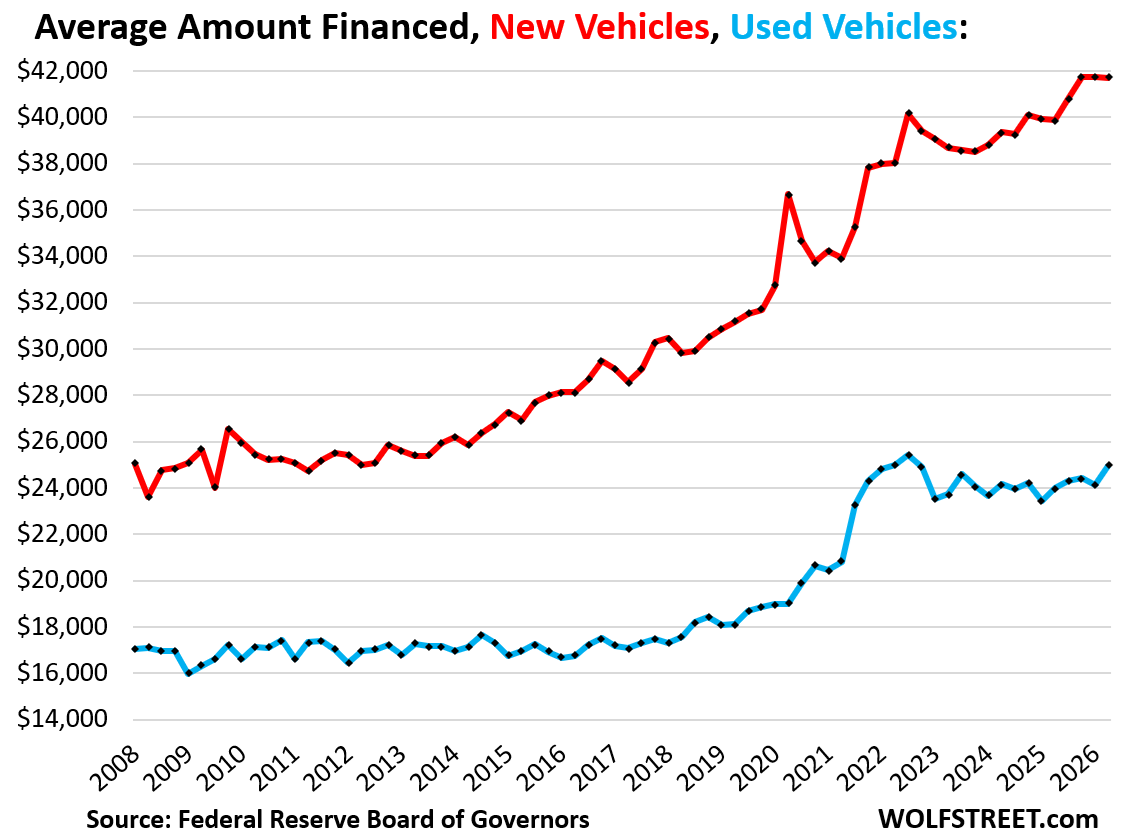
In their place, manufacturers pivoted toward light trucks, SUVs, and luxury-tier crossovers. By 2026, the $100,000 pickup truck has transitioned from a niche luxury item to a common sight on American roads. This "upscaling" strategy ensures that even if sales volume remains stagnant or declines, the gross profit per unit remains elevated. Consequently, the average amount financed for a new vehicle has plateaued at approximately $42,000 for three consecutive quarters, a staggering figure that reflects the inability of the average consumer to access affordable, base-model transportation.

Data Analysis: Debt, Income, and Loan Terms
A critical metric for understanding the sustainability of current auto debt is the debt-to-income (DTI) ratio. As of Q3 2026, the DTI ratio for automotive debt remains at approximately 7.2%. This figure is derived by comparing outstanding auto debt against "disposable income," as defined by the Bureau of Economic Analysis. While this suggests that the aggregate burden is holding steady in the middle of a two-decade range, it is vital to note that disposable income metrics exclude capital gains. Since the wealthiest demographic segments derive a significant portion of their income from equity markets and investment portfolios, the official DTI may inadvertently mask the strain placed on middle- and lower-income households who rely solely on wage-based earnings to service their debts.
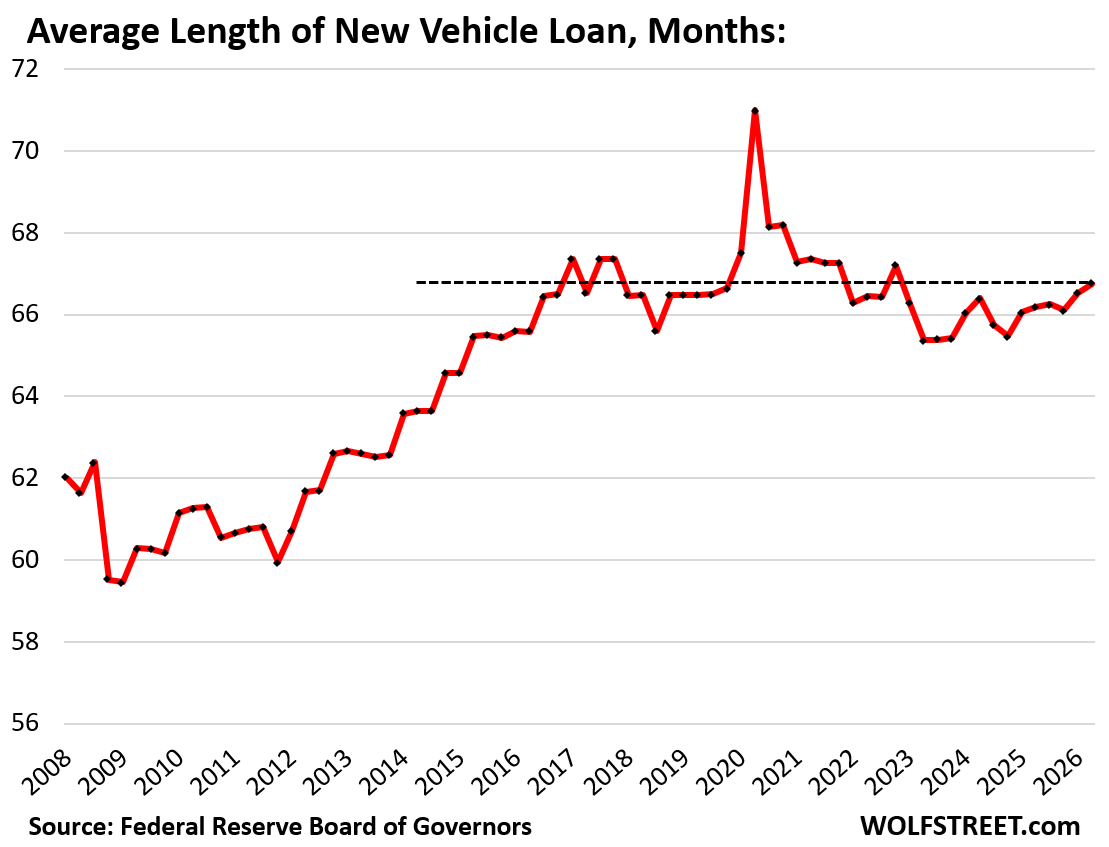
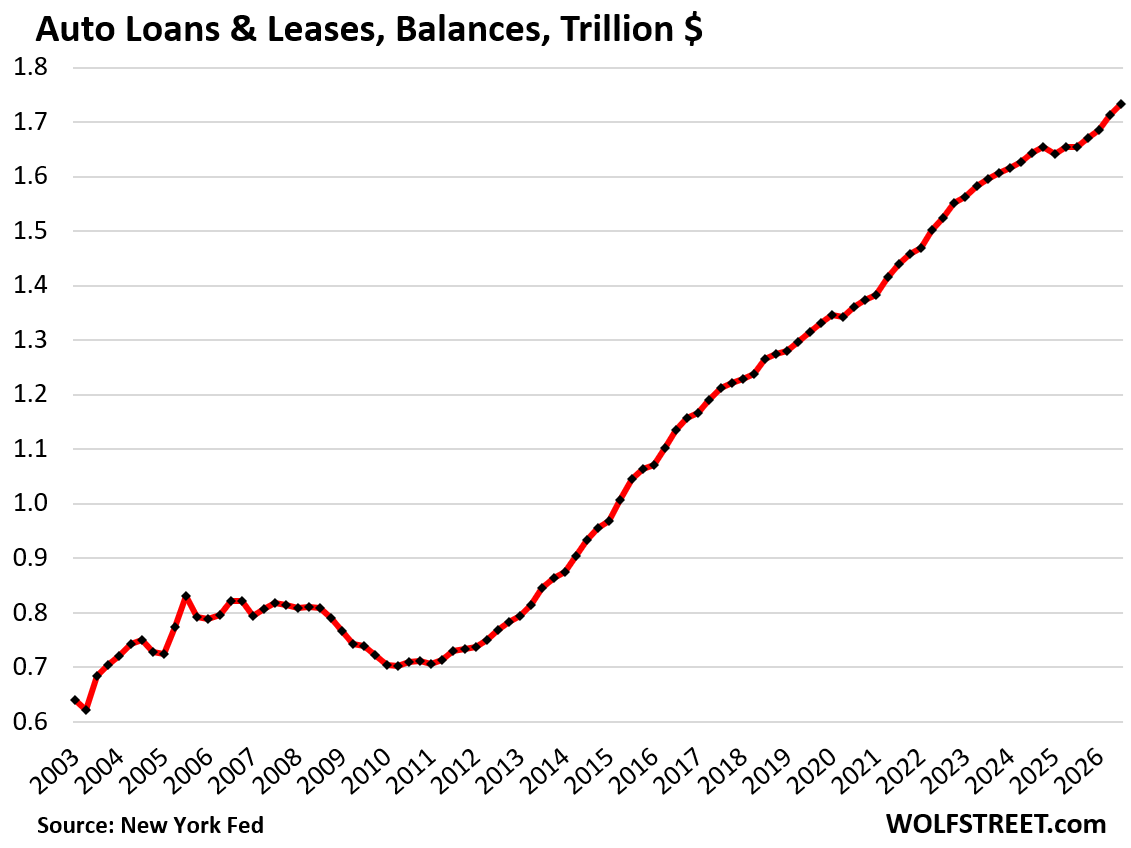
The total outstanding auto loan balance reached $1.73 trillion in the third quarter of 2026, an increase of $79 billion year-over-year. Paradoxically, this growth in total debt is not driven by an increase in the number of vehicles sold, nor is it driven by longer loan terms. Federal Reserve data indicates that the average loan length for new vehicles was 66.7 months in Q2 2026—a duration that, while elevated, is lower than the peak levels observed in 2017. Americans are effectively paying more for fewer vehicles, which they are opting to hold for longer periods to mitigate the impact of high monthly payments.
Seasonal Factors and the Role of Tax Refunds
Industry analysts closely monitor the seasonality of delinquency rates. Traditionally, delinquency rates peak in the first two months of the year, as the financial stress of the holiday season manifests in missed payments. Conversely, April consistently brings a relief valve in the form of tax refunds. The automotive industry has become highly dependent on these seasonal cash inflows, as they are frequently utilized by consumers as down payments on new or used vehicles. Furthermore, these refunds provide a mechanism for struggling borrowers to "cure" their delinquencies and avoid repossession, effectively resetting their financial position for the remainder of the year.
The Institutional Perspective: Subprime vs. Prime Lending
It is essential to clarify the distinction between subprime status and low income. A subprime credit score is a reflection of past financial behavior—a history of missed payments or high utilization—rather than a measure of current earning power. The "subprime" category includes high-income professionals who have mismanaged their debt obligations just as much as it includes lower-income households.
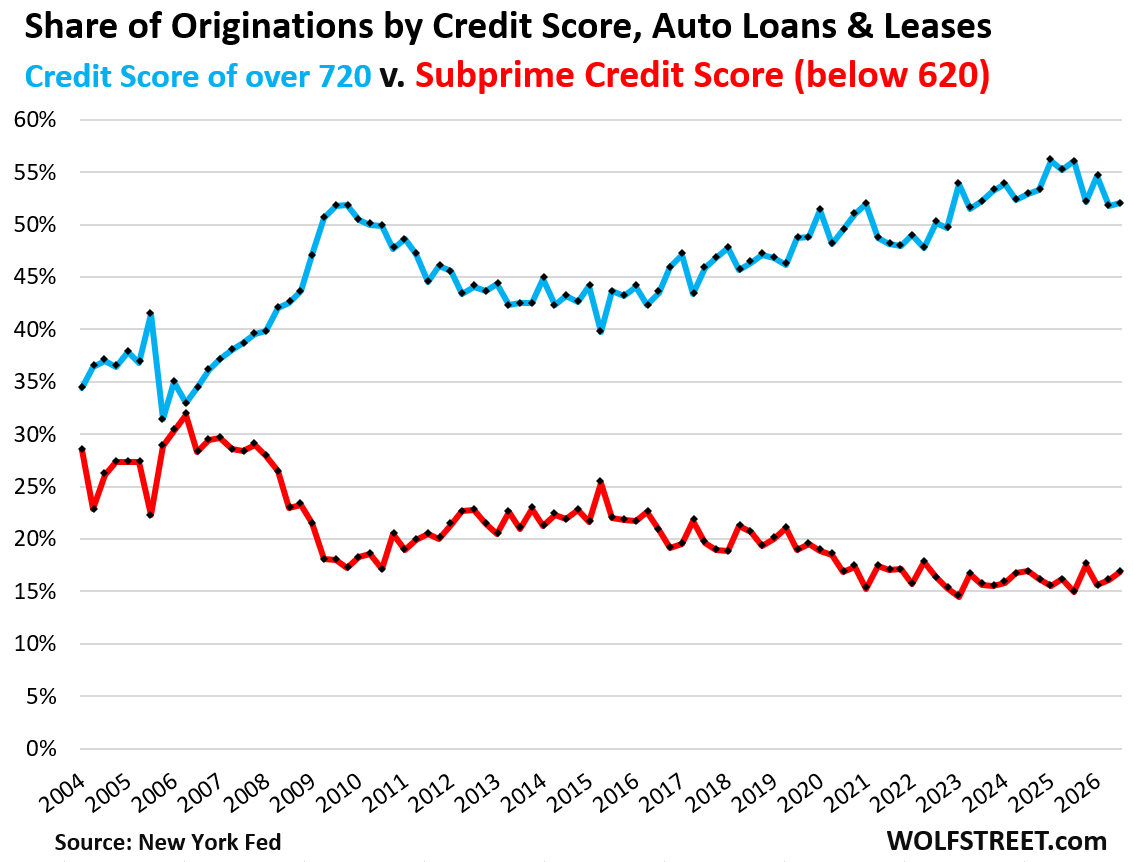
Institutional lenders, particularly those involved in the securitization of subprime auto loans into Asset-Backed Securities (ABS), have tightened their underwriting standards following the volatility of 2025. This is reflected in the origination data: over 52% of all auto loans and leases in Q3 2026 were extended to borrowers with prime credit scores (720 and higher). While this is slightly down from the 56.1% record set in 2025, it remains substantially higher than the historical averages observed before the 2008 financial crisis. This suggests a systemic preference among lenders to avoid the high-risk segments of the market, effectively pricing the most vulnerable consumers out of the new vehicle market entirely.
Broader Implications for the U.S. Economy
The current state of the automotive market serves as a bellwether for the American middle class. By abandoning the entry-level vehicle market, manufacturers have effectively created a barrier to entry that forces consumers to either take on record-level debt for new vehicles or enter the used-car market, where prices—while having retreated from their 2022 pandemic peaks—remain elevated at nearly $25,000 for an average loan.
The implications for the broader economy are multifaceted:
- Reduced Mobility: As vehicles become less affordable, the average age of the vehicle fleet increases. This impacts labor mobility, as workers may be unable to secure reliable transportation to reach employment centers.
- Fiscal Sensitivity: Because total household auto debt is tethered to disposable income, any downturn in the labor market could trigger a rapid rise in defaults. The current stability of the DTI ratio is predicated on steady income growth; should that growth falter, the $1.73 trillion in outstanding debt could present a significant systemic risk.
- Manufacturer Dependency: The industry’s reliance on high-margin, high-priced vehicles makes it increasingly sensitive to interest rate fluctuations. As the Federal Reserve manages the cost of borrowing, the ability of consumers to finance $40,000+ vehicles remains the linchpin of automotive profitability.
In conclusion, the American automotive sector has transitioned into a high-cost, low-volume paradigm. The era of the affordable, entry-level sedan appears to be over, replaced by a market that demands higher credit scores, larger loan amounts, and longer ownership cycles. While delinquency rates currently suggest a level of stability, the structural reliance on high-priced debt leaves the market vulnerable to shifts in consumer income and macroeconomic conditions. As 2026 draws to a close, the data confirms that while the industry has achieved record-level efficiency in extracting value from the consumer, it has done so at the cost of broader accessibility.