The November 18 2026 Episode of Animal Spirits Analyzes Tech Market Volatility and Macroeconomic Pressures

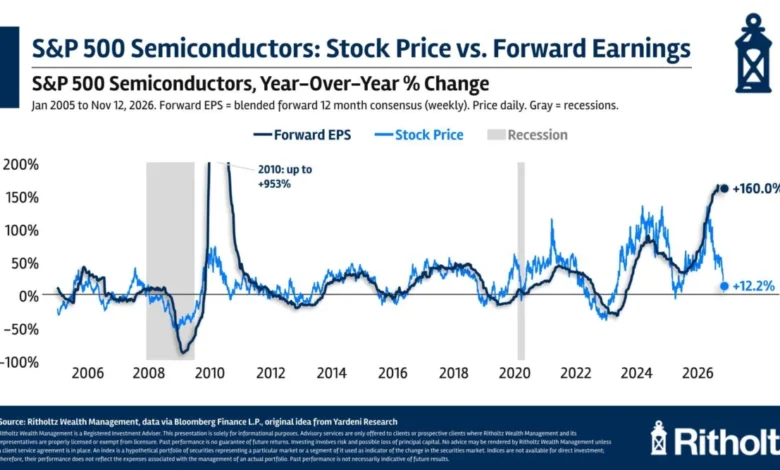
The financial landscape experienced a profound period of turbulence in mid-November 2026, characterized by the high-profile leadership departure of Nvidia’s Jensen Huang and significant operational challenges within the banking sector. As investors navigate a complex macroeconomic environment defined by persistent inflation and the rapid integration of artificial intelligence into professional workflows, the latest analysis from Animal Spirits highlights the growing tension between speculative fervor and fundamental economic realities. The intersection of these events—ranging from the sudden vacancy at the helm of one of the world’s most influential technology firms to the systemic shifts in how political campaigns and corporate entities utilize emerging digital tools—underscores a period of transition in global markets.
The Nvidia Leadership Transition and Market Response
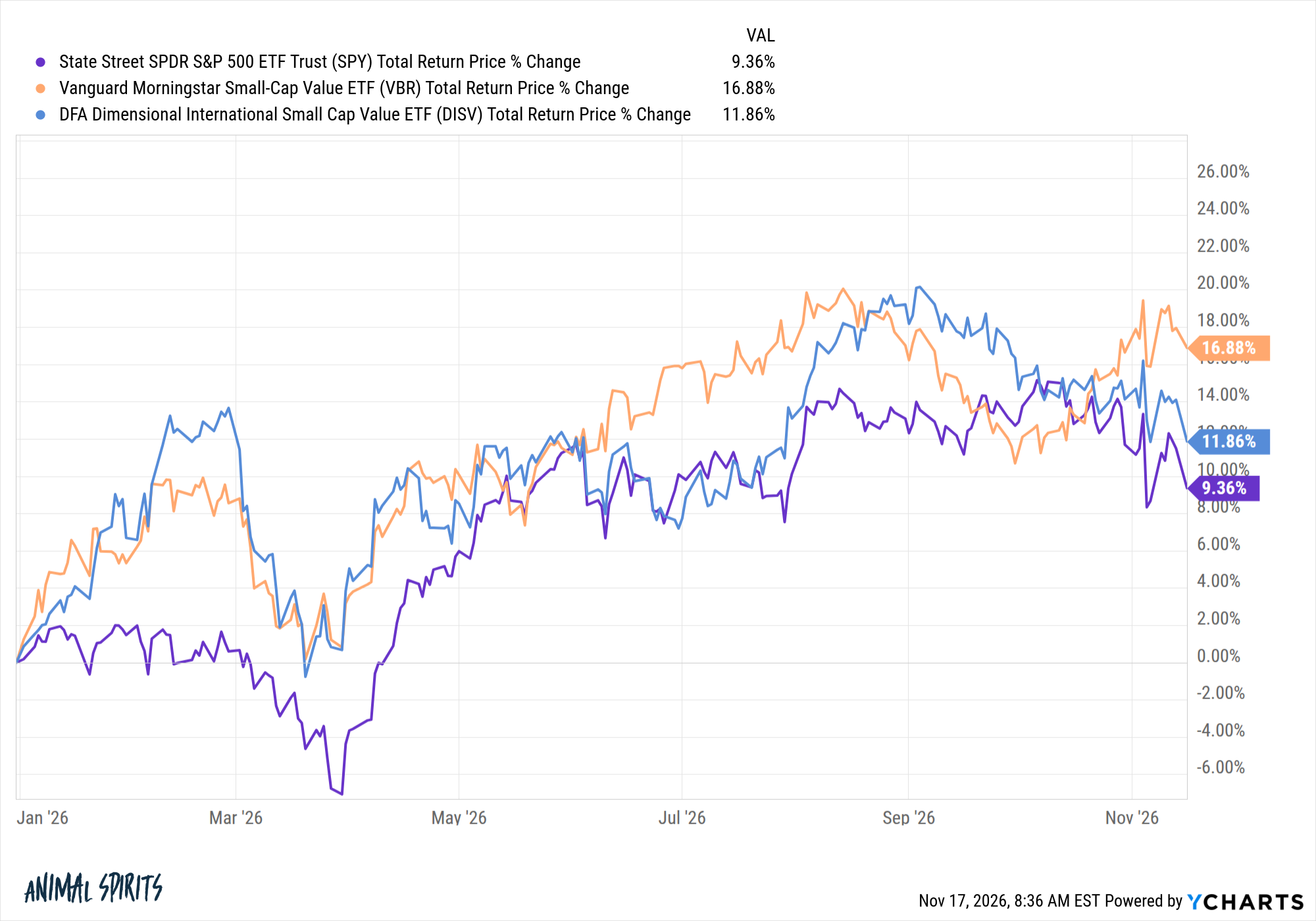
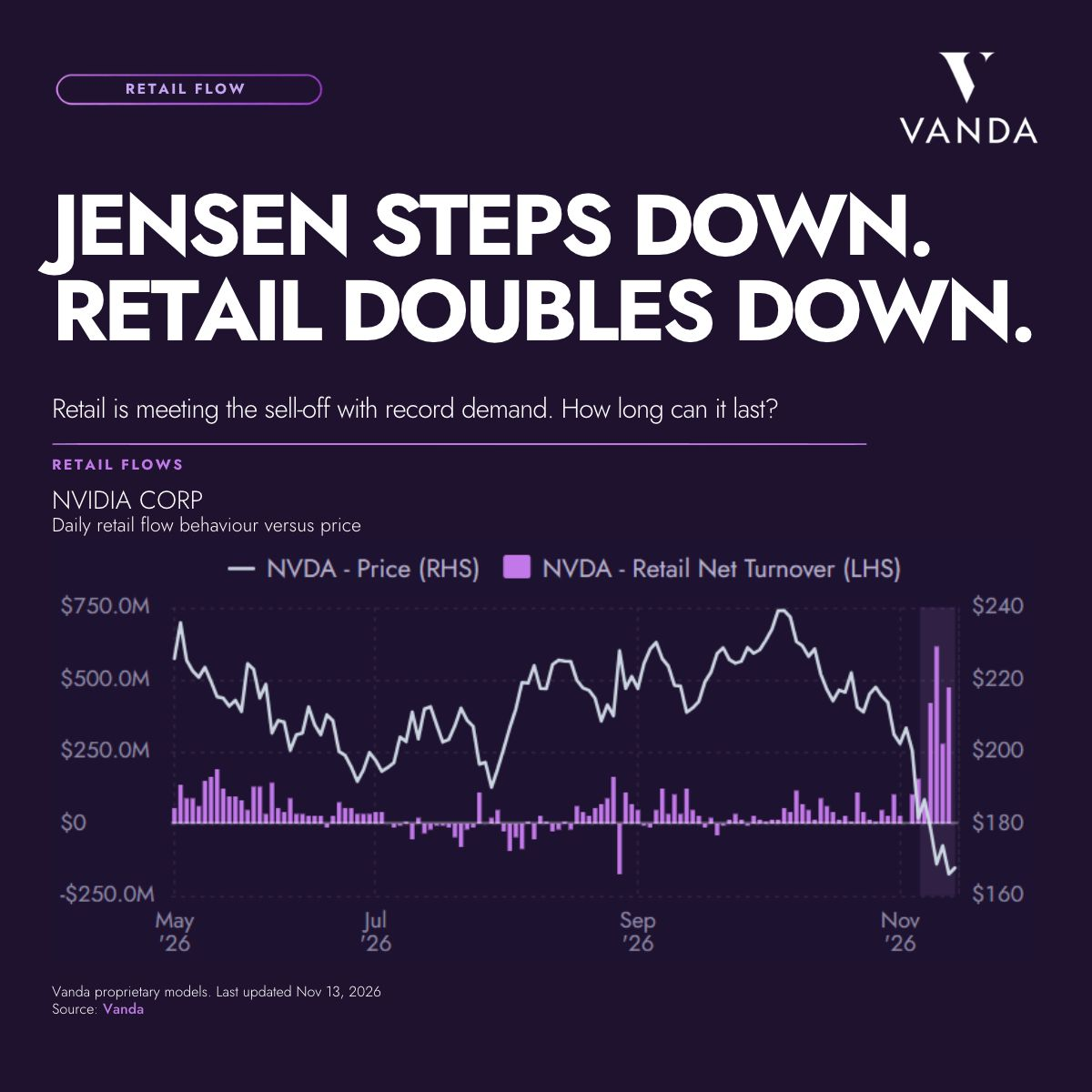
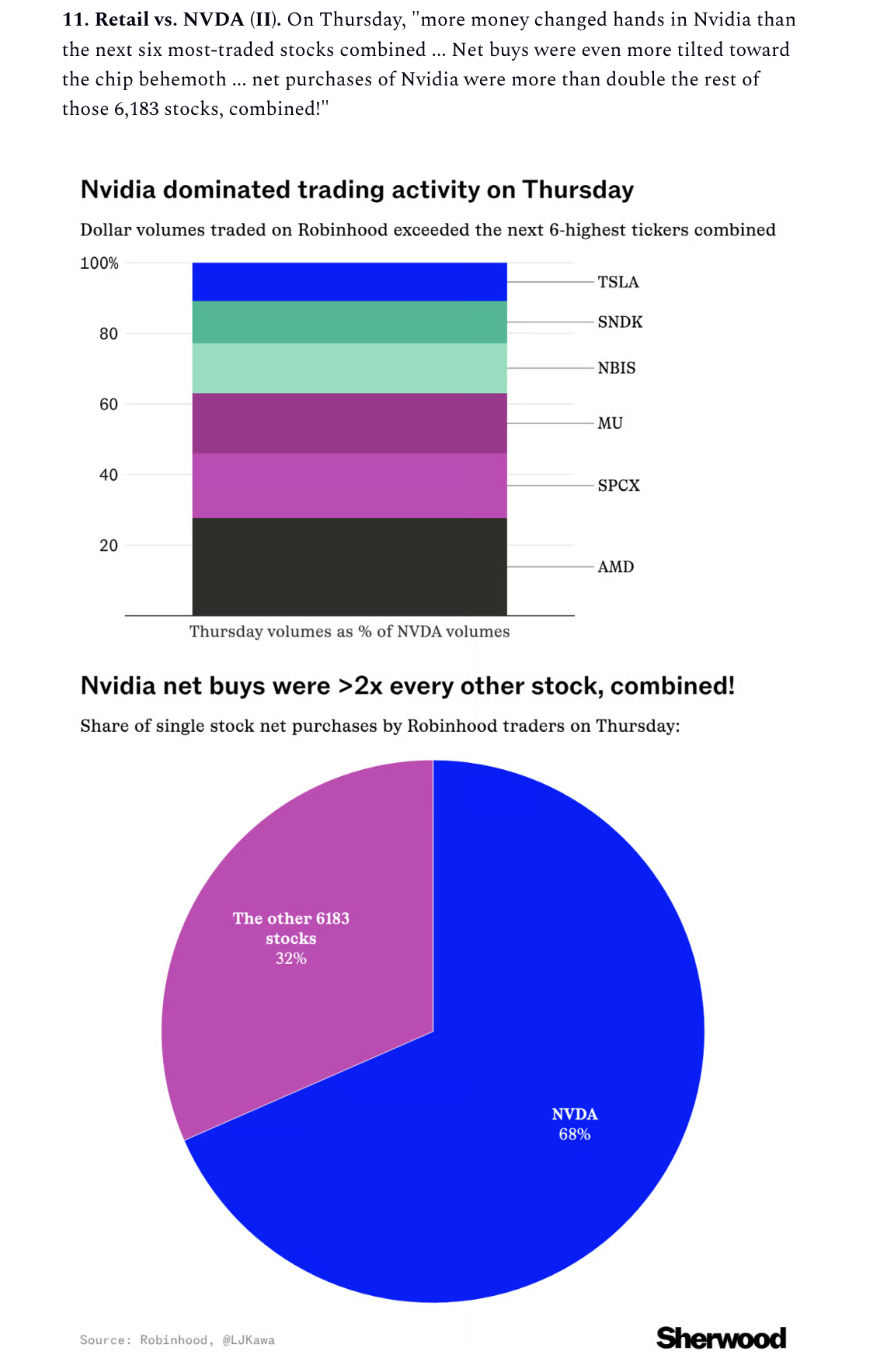
The resignation of Jensen Huang, long considered the architect of the modern AI-driven equity boom, has sent shockwaves through the semiconductor sector. Following the news, market participants observed an unprecedented surge in retail buying activity, with reports indicating that investors poured $111 million into Nvidia shares during the opening 30 minutes of trading immediately following the announcement. This volume represents a 40-fold increase over typical early-morning trading patterns. Between Monday and Wednesday of that week, Nvidia accounted for 61% of total U.S. retail net buying, suggesting that despite the institutional uncertainty surrounding the company’s future, the retail base remains deeply committed to the firm’s long-term prospects.
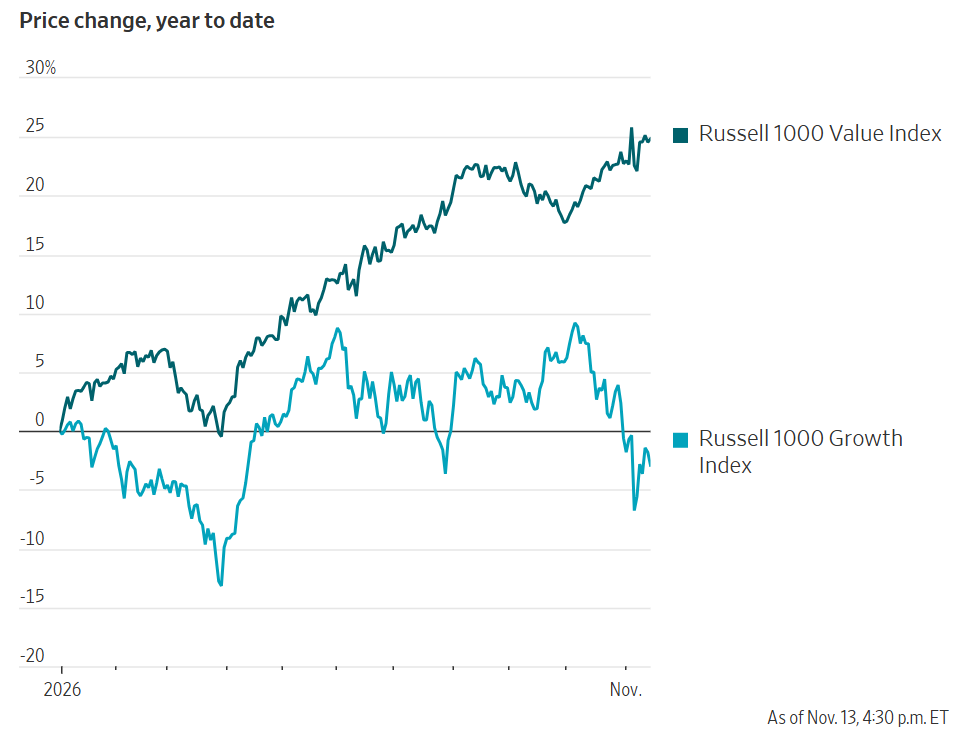
However, industry analysts are increasingly questioning the sustainability of the "open checkbook" era that characterized Nvidia’s growth. Reports from the Wall Street Journal indicate that the company’s financing strategies for the AI boom were encountering friction well before Huang’s departure. This transition marks a critical juncture for the semiconductor industry, as it must now determine whether the infrastructure build-out of the past several years can generate sufficient returns in an era of higher capital costs and shifting corporate investment priorities.
Macroeconomic Headwinds: Tariffs and Geopolitics
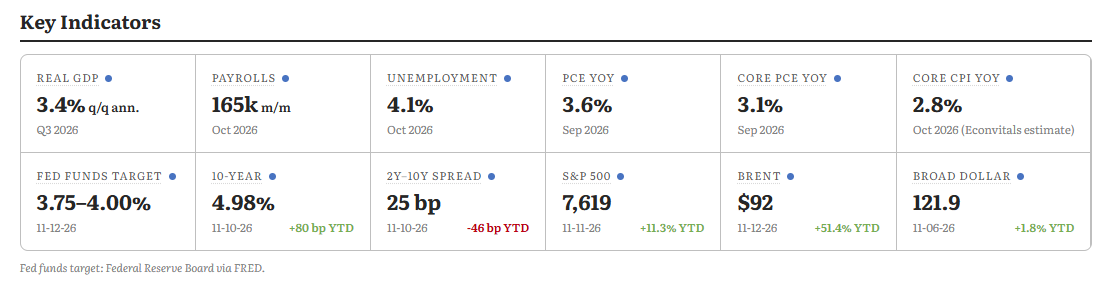
While the technology sector occupies a significant portion of the current news cycle, the broader U.S. economy is grappling with the tangible effects of trade policy and geopolitical instability. Recent data from Goldman Sachs suggests that the majority of the current U.S. inflation overshoot can be attributed directly to two primary factors: the implementation of new tariff regimes and the ongoing conflict in Iran.
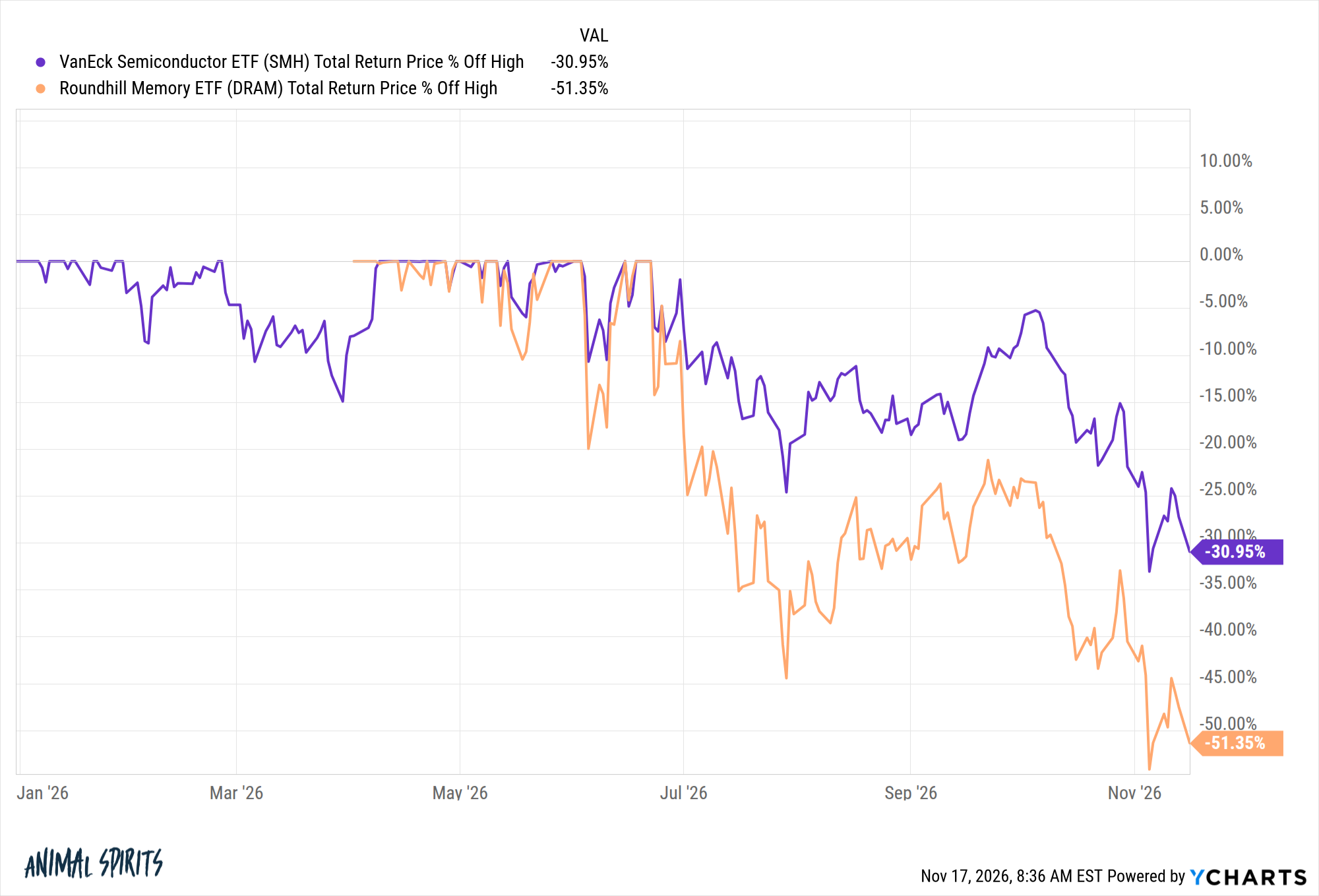
The inflationary impact of tariffs—which typically raise the cost of imported intermediate goods—coupled with the volatility in global energy markets stemming from Middle Eastern instability, has created a challenging environment for the Federal Reserve. This "cost-push" inflation is fundamentally different from the demand-driven price increases observed in previous years, complicating the central bank’s ability to use interest rate adjustments as a primary tool for price stabilization. Economists note that when inflation is driven by supply-chain disruptions and geopolitical risk rather than excessive consumer spending, the traditional "soft landing" scenario becomes increasingly difficult to execute.
Operational Challenges in the Financial Sector
The fragility of modern financial infrastructure was highlighted on November 16, 2026, when JPMorgan Chase experienced a significant service disruption. The bank confirmed that the issue was localized to a software bug within its on-premise hardware systems rather than a malicious cyber-attack. Nevertheless, the incident caused delays for customers and raised questions about the resiliency of legacy banking systems in an increasingly digitized economy.
As banks continue to modernize their back-end systems, the reliance on complex, on-premise hardware poses a latent risk. The incident at Chase serves as a reminder that even the most robust financial institutions remain vulnerable to technical debt. In a high-stakes environment where transaction speed is a primary metric of success, such outages can have a cascading effect on market liquidity and consumer confidence.
The Rise of Agentic Investing and AI Integration
Beyond the headline-grabbing market moves, a deeper structural shift is occurring in how financial analysis is conducted. Industry observers, including venture capitalist Patrick O’Shaughnessy, have noted that the divide between firms that have fully embraced artificial intelligence and those that rely on legacy workflows is widening at an alarming rate.
Evidence suggests that elite investment firms are moving toward "agentic investing," where a significant portion of research, administrative tasks, and even portfolio management is handled by automated agents. Some practitioners have reported that over 90% of their firm’s operational workload is now handled by AI systems. This transition is not merely a matter of efficiency; it represents a fundamental change in the human-to-data relationship. As AI agents become more autonomous, the role of the human investor is shifting from data processor to high-level strategist, a change that will likely redefine the professional requirements of the financial sector over the next decade.
Political Communication and the Podcast Era
The shift in professional workflows is mirrored in the political sphere, where the medium of communication has undergone a total transformation. Data provided by Spotify for an analysis of the 2026 midterm elections reveals a stark correlation between media strategy and electoral success. Winning congressional candidates made nearly three times as many podcast appearances as their opponents.
This trend indicates that the traditional broadcast media model, which relies on broad-spectrum television advertising, is being supplanted by niche, high-engagement audio platforms. Political consultants suggest that podcasts allow candidates to bypass traditional gatekeepers and speak directly to targeted demographics, a strategy that proved highly effective during the recent election cycle. The ability to articulate policy nuances in a long-form format has become a critical skill for modern political candidates, further signaling the decline of the 30-second soundbite.
Cultural Shifts and Market Sentiment
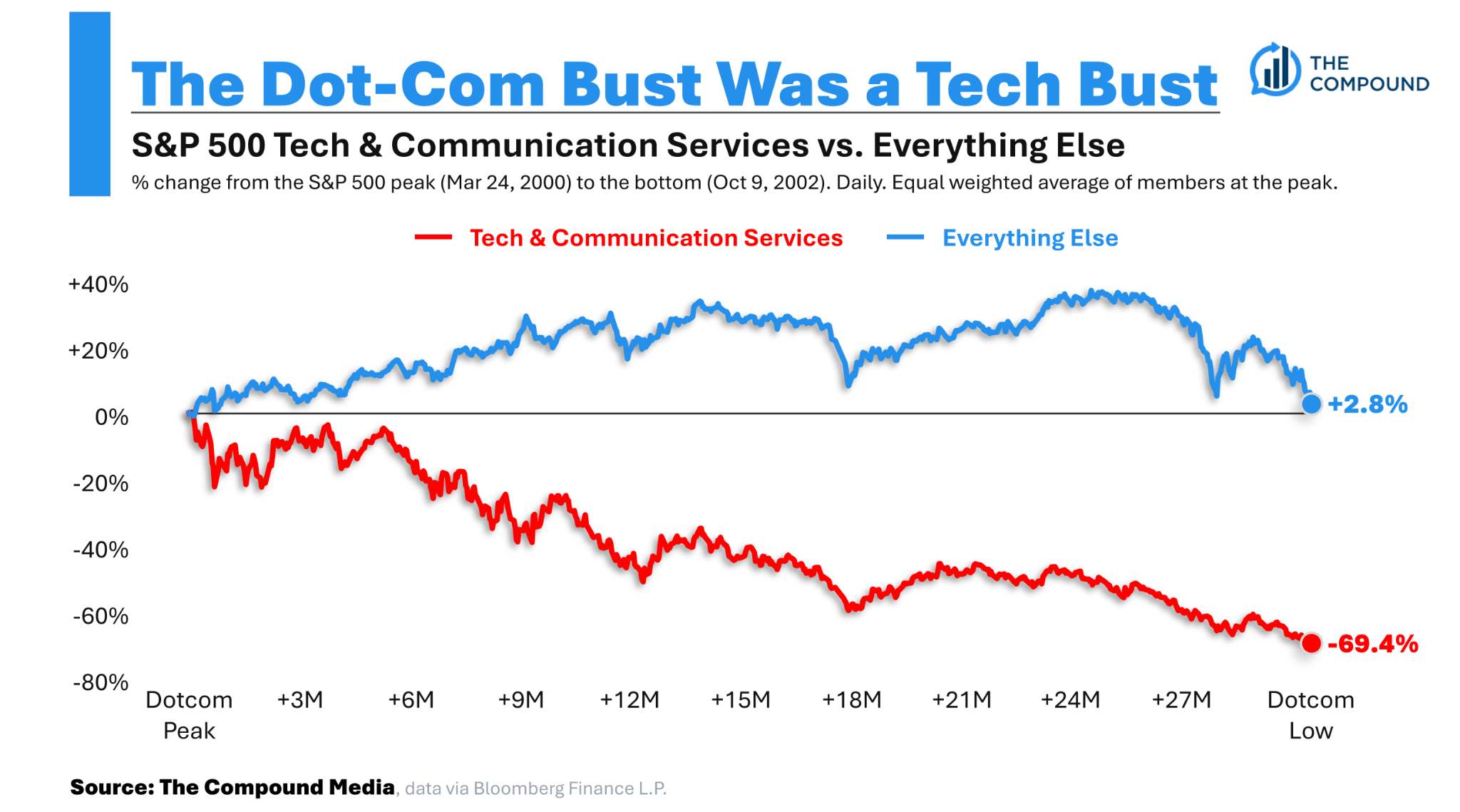
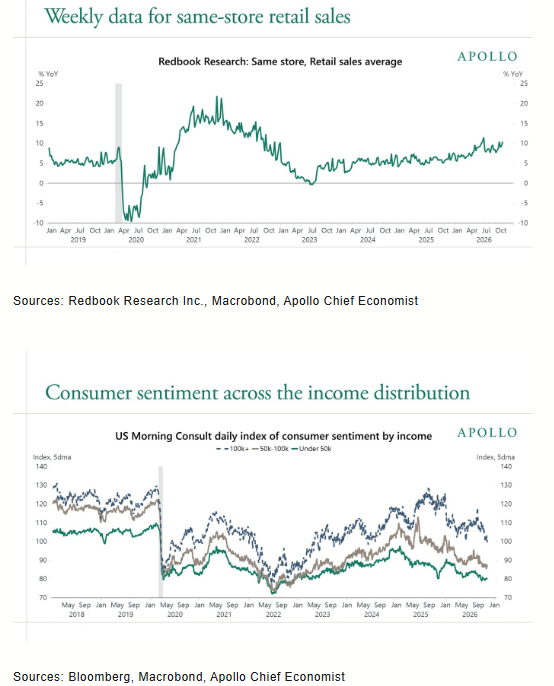
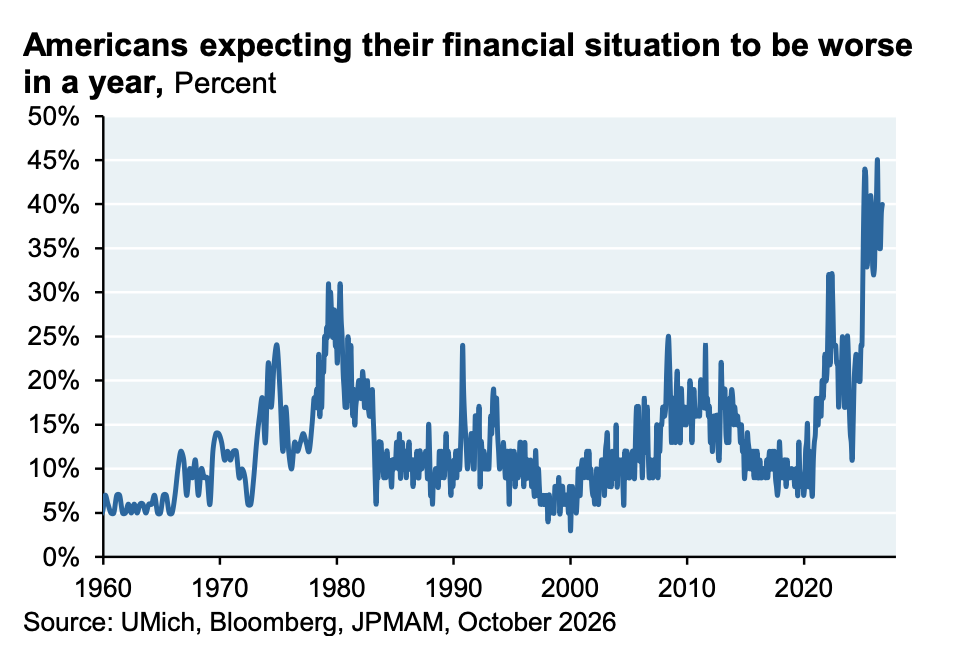
Even the entertainment industry is signaling a return to established, proven commodities amidst the broader uncertainty. The announcement that director Steve Miner will return to the Friday the 13th franchise—marking the first entry in nearly 20 years—speaks to a broader market trend of "safe" investments. When economic uncertainty rises, both capital markets and creative industries tend to retreat into familiar territory. This psychological tendency is an important consideration for investors who must distinguish between legitimate growth opportunities and the comfort of the status quo.
Conclusion and Market Outlook
As we move toward the end of 2026, the convergence of these events paints a picture of an economy in the midst of a transition. The departure of key leaders in tech, the persistent pressure of cost-push inflation, and the rapid adoption of AI in professional services are not isolated incidents; they are symptomatic of an environment where the old rules of growth and stability are being rewritten.
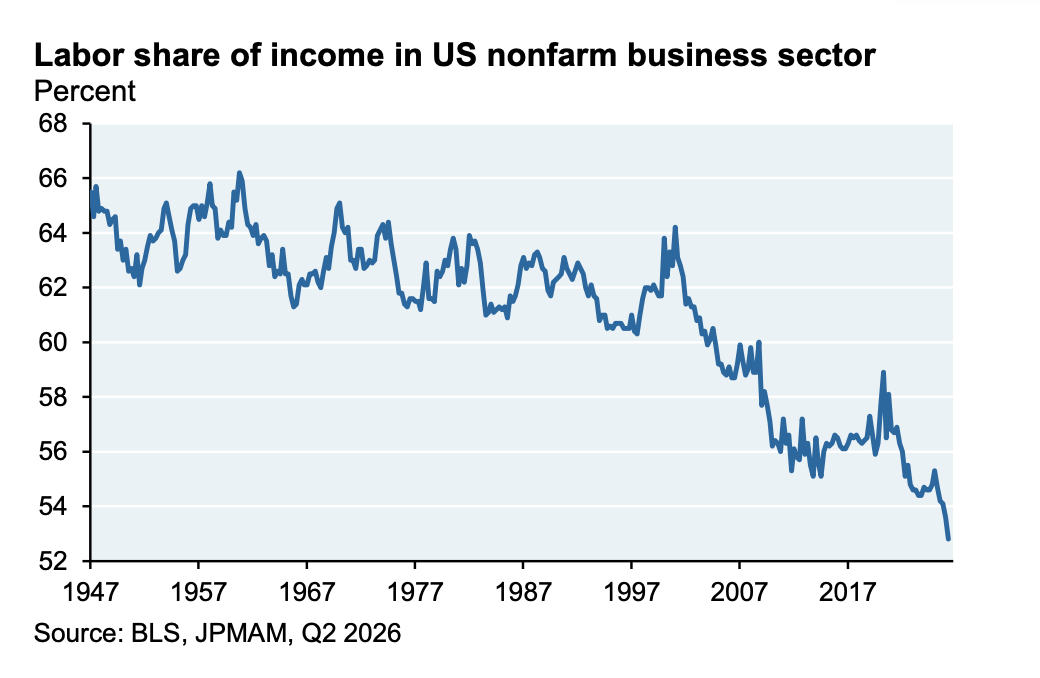
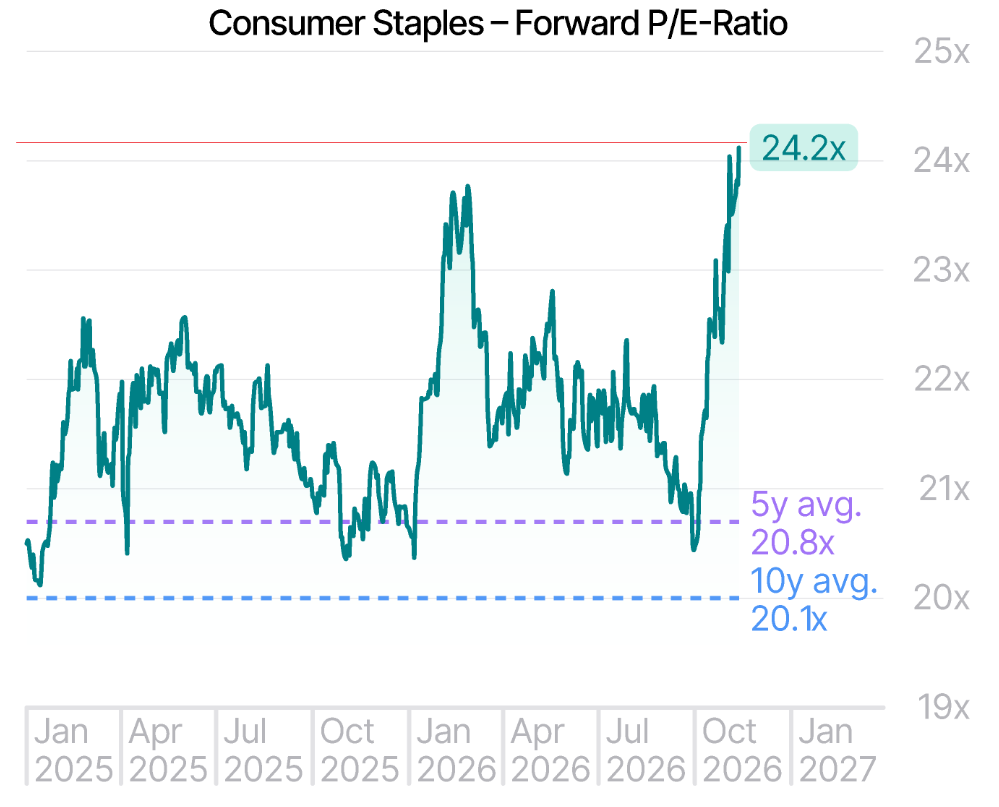
For the individual investor, the key takeaway is the necessity of adaptability. The volatility in Nvidia shares demonstrates the persistent strength of retail sentiment, yet the broader macroeconomic data cautions against over-reliance on speculative growth. The disruption at JPMorgan Chase underscores the hidden risks in our digital infrastructure, while the rise of agentic investing shows that the tools for analyzing these risks are evolving as quickly as the risks themselves.
Looking forward, market participants should remain focused on the interplay between these structural shifts. While the "graveyards are filled with indispensable men," the systems they leave behind continue to evolve. Whether in politics, finance, or technology, the ability to synthesize disparate data points—from podcast engagement numbers to geopolitical impact on inflation—will be the primary determinant of success in the coming years. The market remains resilient, but the path to long-term growth is increasingly dependent on navigating a world where technology and human behavior are inextricably linked, creating a new, complex landscape for all participants.