Animal Spirits Market Analysis: Assessing AI Volatility, Retail Sentiment, and the Rise of Private Markets

The landscape of modern finance is currently defined by a tension between the relentless pursuit of artificial intelligence-driven growth and the emerging signs of caution among individual investors. As of November 4, 2026, market participants are grappling with a complex environment where the traditional metrics of volatility seem to diverge from the actual behavior of capital flows. This shift is highlighted by the latest data from the Animal Spirits report, which captures a critical juncture in the 2026 fiscal cycle, marked by aggressive private market valuations and the first notable signs of retail exhaustion in the equity markets.
The Divergence of Perceived Volatility and Statistical Reality
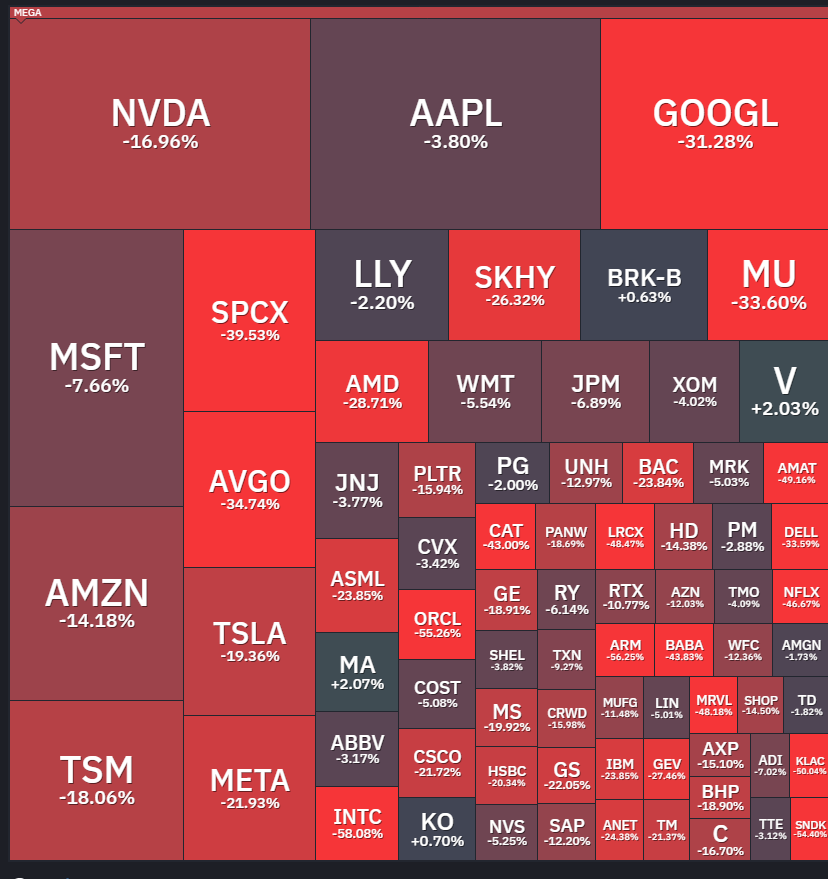
A growing concern among market observers, as noted by industry analysts like Joe Weisenthal, is the disconnect between the perceived turbulence caused by the rapid integration of artificial intelligence and the official volatility indices. While the market atmosphere feels increasingly unstable—characterized by rapid sector rotations and intense price action in technology stocks—the standard volatility statistics have yet to reflect this anxiety in full.
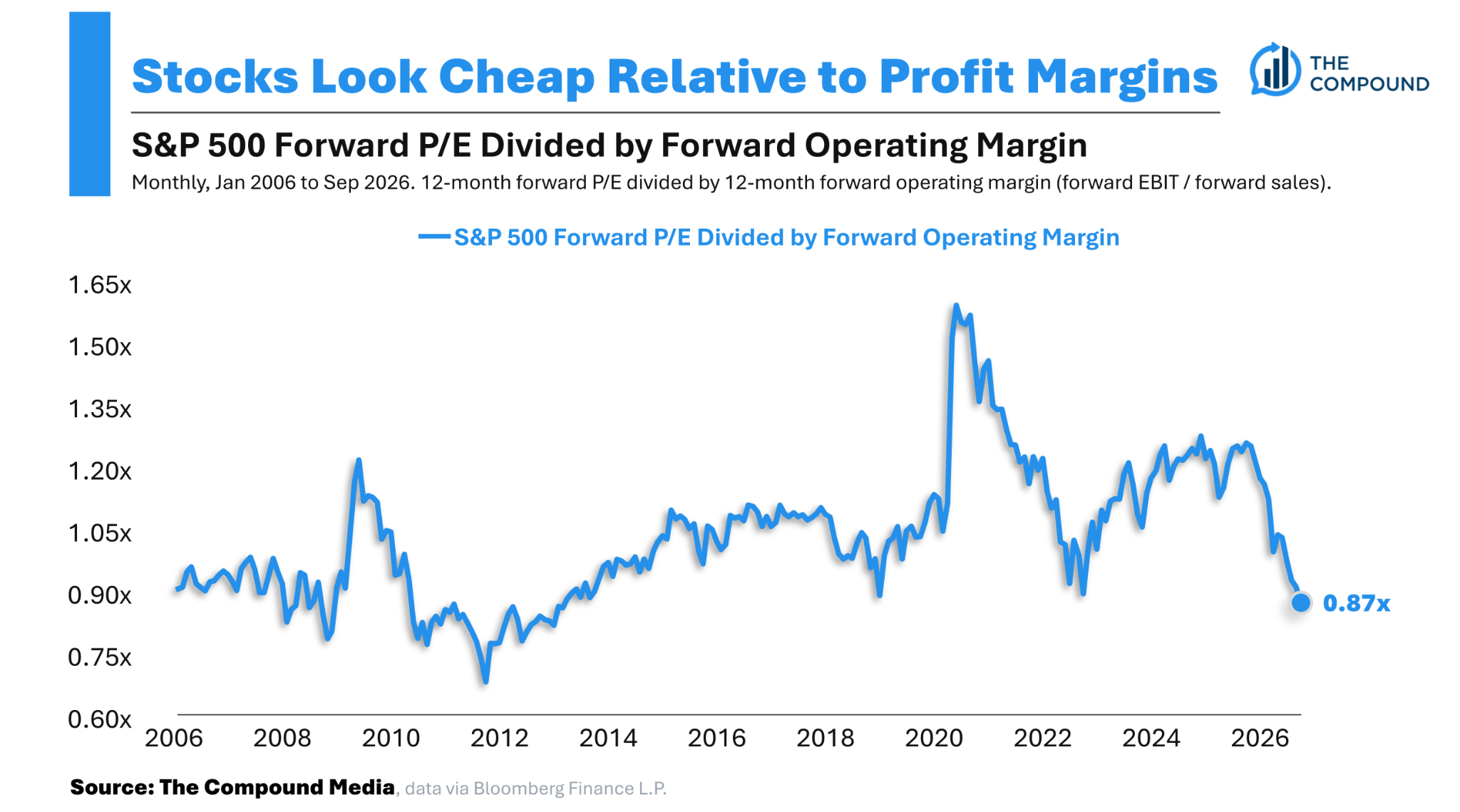
This phenomenon is often attributed to the structural changes in how institutional capital is deployed. The heavy concentration of investment into a few dominant AI-centric technology firms has effectively "masked" broader market stress. However, as these companies reach higher valuations, the margin for error diminishes. Investors are increasingly concerned that the current volatility is not being measured accurately by the VIX or other standard benchmarks, which may be failing to account for the unique liquidity risks inherent in the AI-tech trade.
Retail Sentiment Shifts: A Historical Inflection Point
The most significant development in recent weeks is the cooling of retail investor sentiment. According to data provided by Morgan Stanley’s Quantitative Derivatives Strategy (QDS) team, November 2, 2026, marked a rare and significant event: retail investors were net sellers of U.S. equities.
To put this into context, this was only the second day in the entire 2026 calendar year that retail investors moved to a net-selling position. The data indicates a total outflow of approximately $1.4 billion on that day alone. This movement is particularly striking when juxtaposed against the preceding months, during which retail investors had funneled over $1 trillion into Exchange-Traded Funds (ETFs). This surge in buying had been a primary engine for equity growth throughout the spring and summer. The sudden pivot to net selling suggests that individual investors—who were previously undeterred by valuation concerns—may finally be reaching a threshold of caution. Whether this represents a temporary profit-taking event or the beginning of a broader retreat from the markets remains a central question for institutional traders.
The Private Market Boom and the "Circle Jerk" Debate
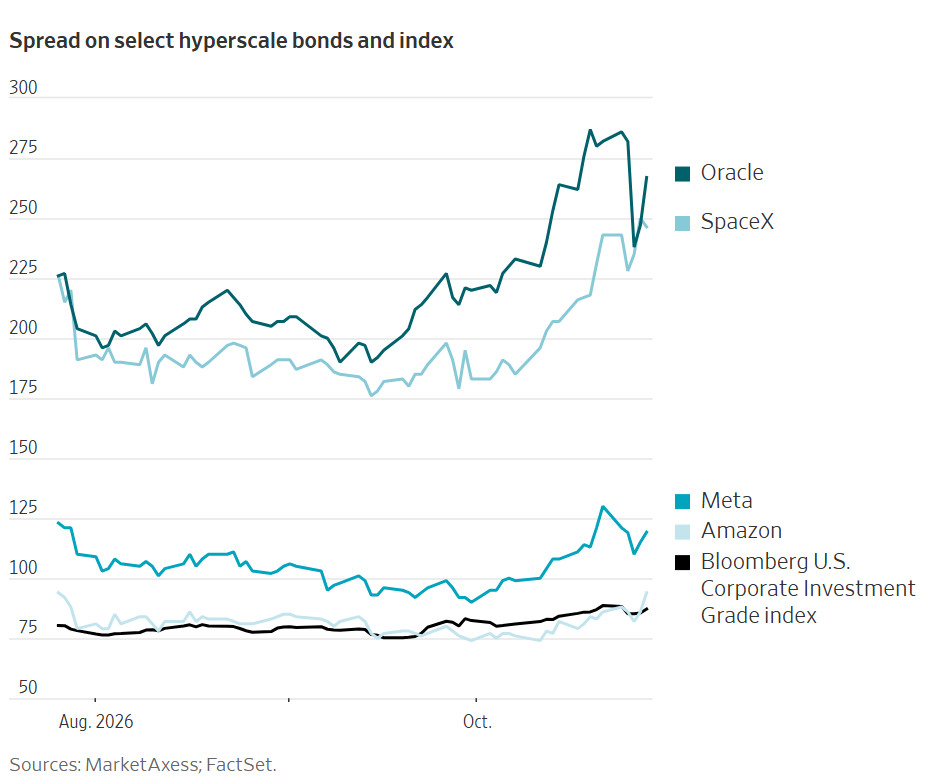
While the public markets exhibit signs of fatigue, the private markets are witnessing an unprecedented, albeit contentious, expansion. Companies like Instinct have become poster children for the current private equity environment, demonstrating valuation growth that defies conventional cycles. Instinct reportedly saw its valuation climb from $100 million to $500 million, then to $2.5 billion, $10 billion, and finally a staggering $30 billion in less than one year.
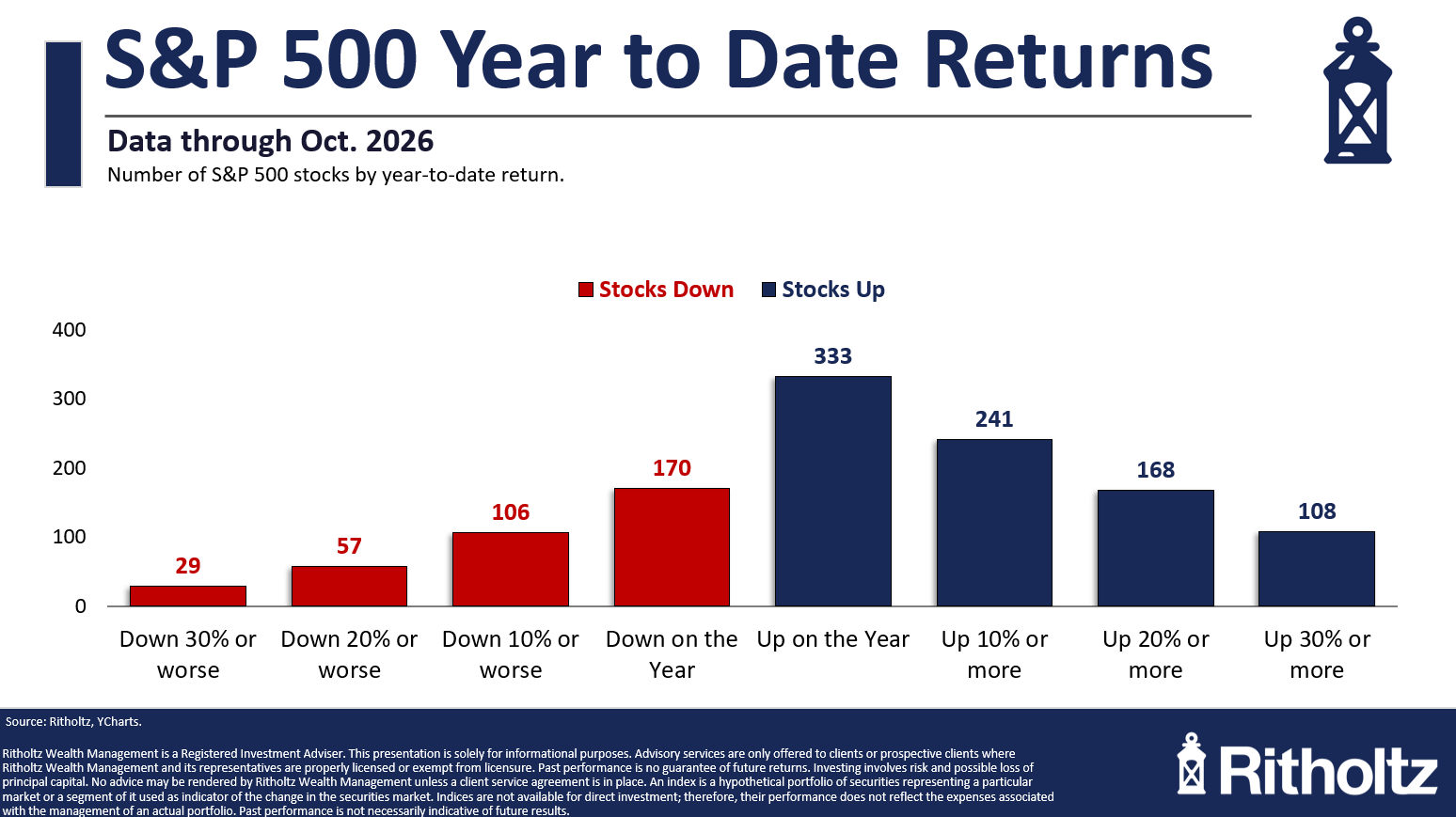
This rapid appreciation has drawn sharp criticism from industry commentators. In a recent discussion on The Weekly Show with Jon Stewart, podcaster Ed Zitron characterized the current financial environment as a "financial house of cards" propping up AI and big tech. The concern is that these private valuations are being driven by a closed loop of capital—often referred to as a "circle jerk" by critics—where the same cohort of venture capitalists and corporate partners artificially inflate valuations to sustain the narrative of infinite growth.
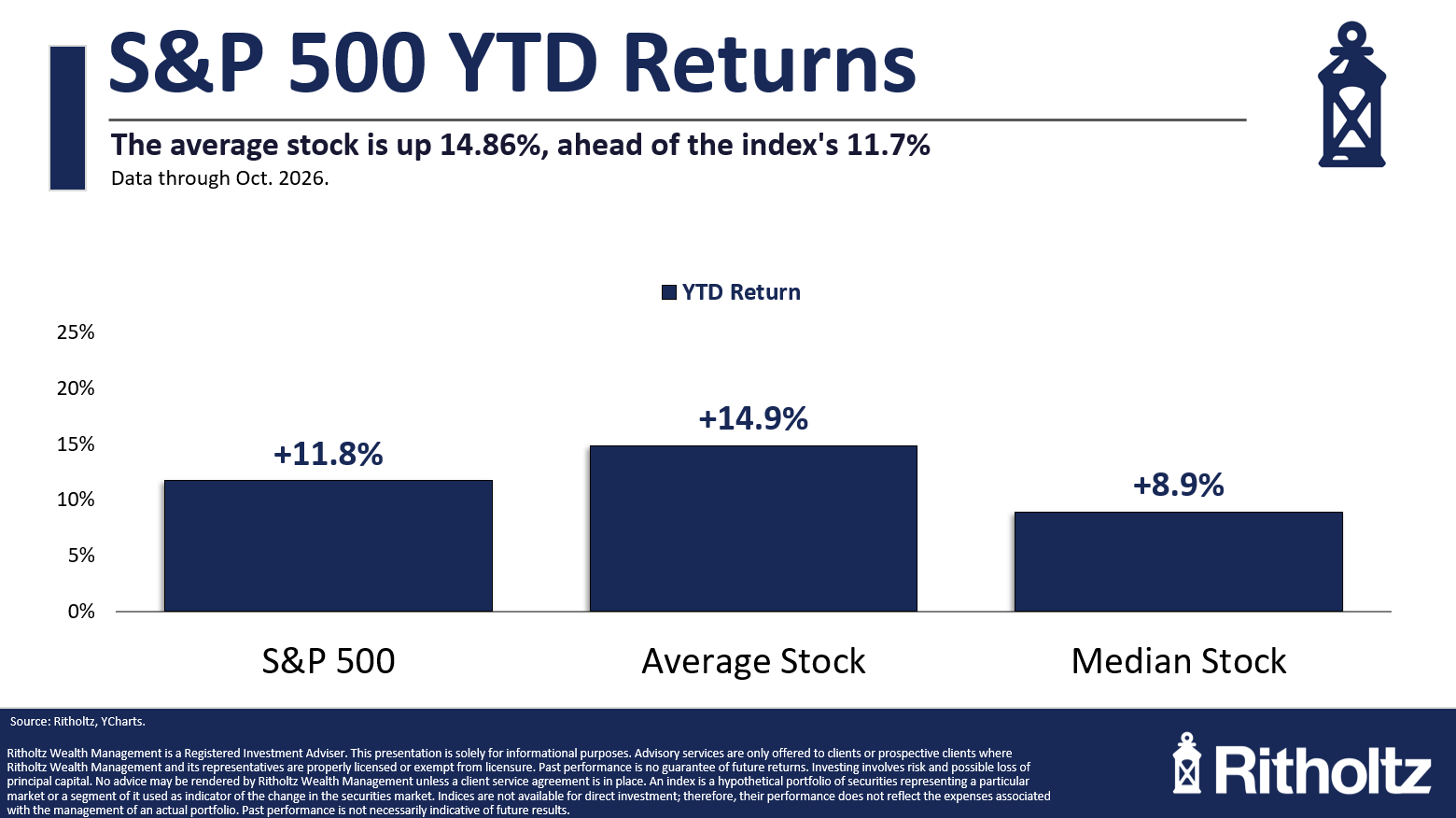
For investors, the implication is clear: wealth creation is increasingly moving away from the public markets and into the private sphere. However, this shift carries significant risks. Private assets lack the liquidity of public stocks, and the lack of transparency in valuation methods means that investors may be holding assets that are significantly overvalued compared to their actual revenue-generating potential.
Media Competition and the Netflix Parallel
Beyond the immediate financial markets, the media landscape is also undergoing a fundamental transformation. Lucas Shaw of Bloomberg has pointed out that the jealousy many media outlets feel toward YouTube is becoming increasingly complicated by the platform’s own performance. YouTube’s slowing advertising sales trajectory mirrors the historical challenges faced by Netflix as it matured.
The "streaming wars" are no longer just about content acquisition; they are about the limits of the advertising-supported model in a saturated digital market. As YouTube faces the same growth headwinds that previously plagued traditional media and early-stage streaming platforms, it serves as a bellwether for the broader digital economy. The reliance on algorithmic engagement and ad-spend growth is becoming a precarious business model as consumer attention fragments across newer, more immersive technologies.
Chronology of Recent Market Events
- October 27, 2026: Reports emerge detailing the meteoric rise of Instinct’s valuation, reaching $30 billion, highlighting the disconnect between private and public market sentiment.
- October 28, 2026: Financial commentators begin noting the "hidden" volatility in the AI sector, suggesting that standard indices are failing to capture the true risk profile of the market.
- October 28, 2026: Public discourse intensifies regarding the sustainability of AI valuations, with media figures questioning the circular nature of capital investment in the tech sector.
- November 2, 2026: Morgan Stanley QDS publishes data showing retail investors turning into net sellers for the first time since April, withdrawing $1.4 billion from U.S. equities.
- November 2, 2026: Analysis of YouTube’s advertising performance reveals a potential stagnation phase, drawing comparisons to the maturation of the streaming industry.
- November 4, 2026: Continued market evaluation highlights the persistent "wait and see" approach adopted by institutional players as they interpret the retail exit.
Broader Implications and Future Outlook
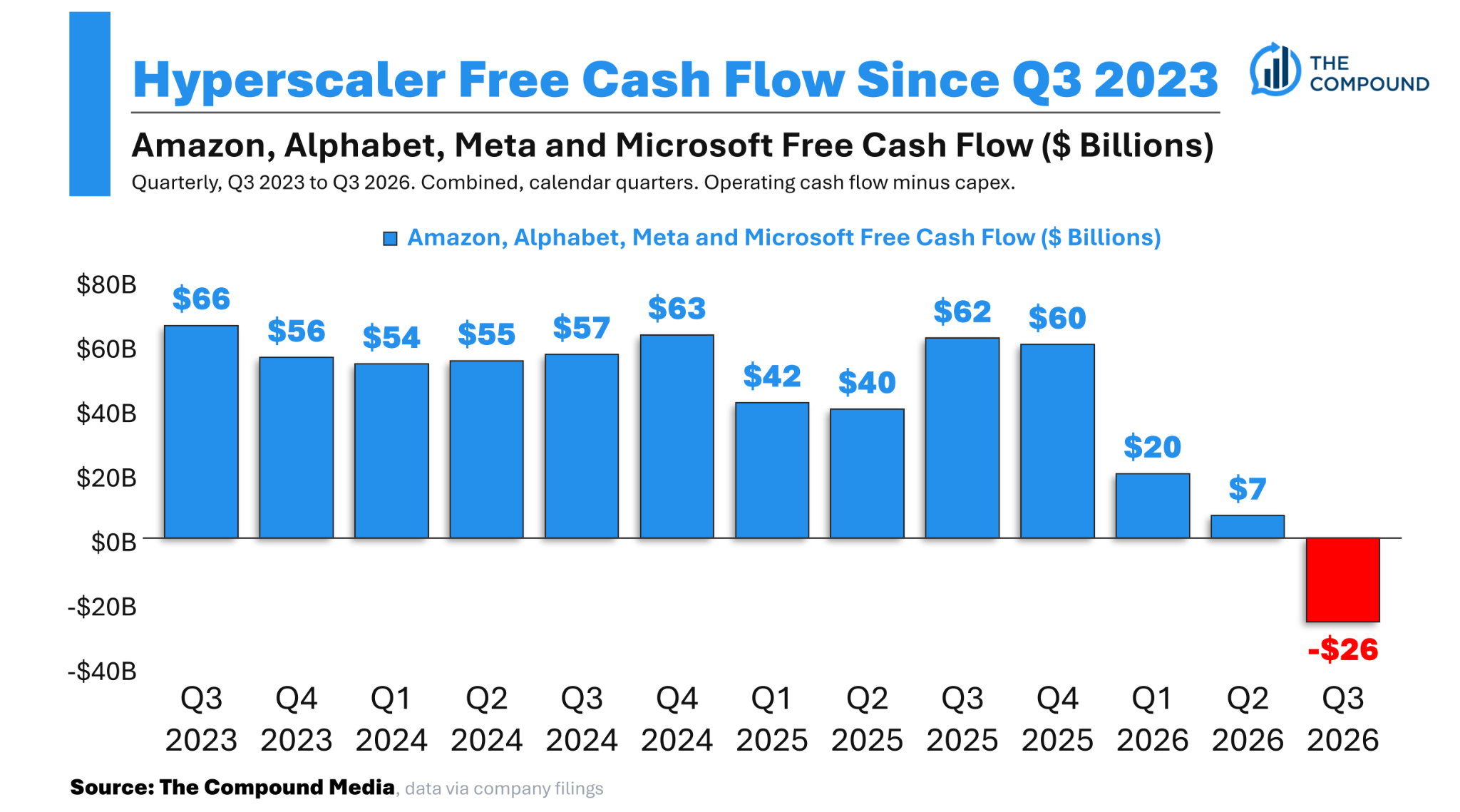
The convergence of these events suggests that the "easy money" phase of the 2026 rally may be coming to a close. The reliance on retail liquidity and the assumption that AI-driven productivity will automatically justify current equity premiums are both being tested.
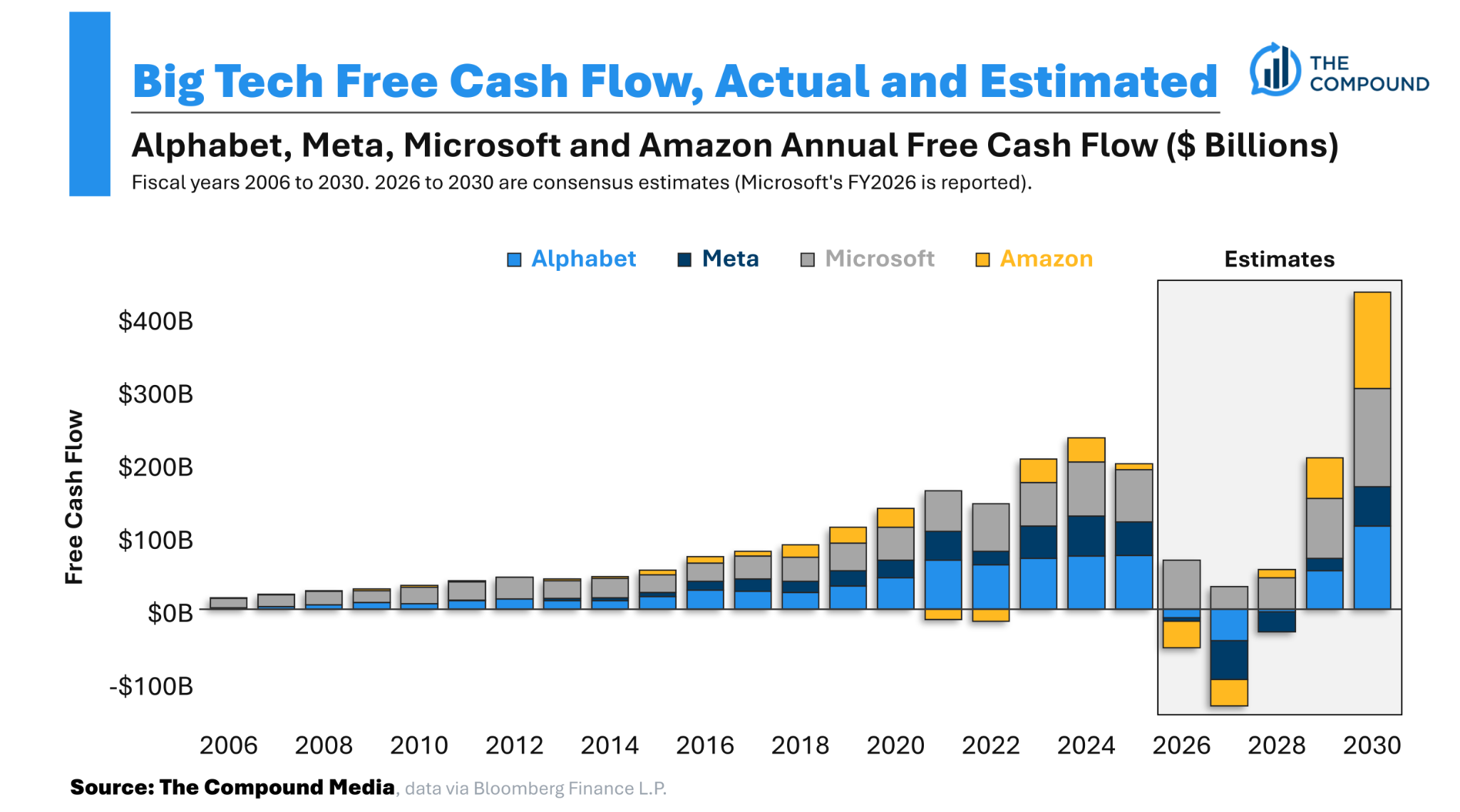
The primary implication for investors is the necessity of diversification. With retail investors showing signs of withdrawal and private markets exhibiting symptoms of a bubble, the traditional "buy-and-hold" strategy for tech-heavy portfolios may require re-evaluation. Furthermore, the scrutiny on private market valuations suggests that regulators and analysts will likely demand more transparency in the coming year to prevent systemic instability if those valuations are forced to correct.
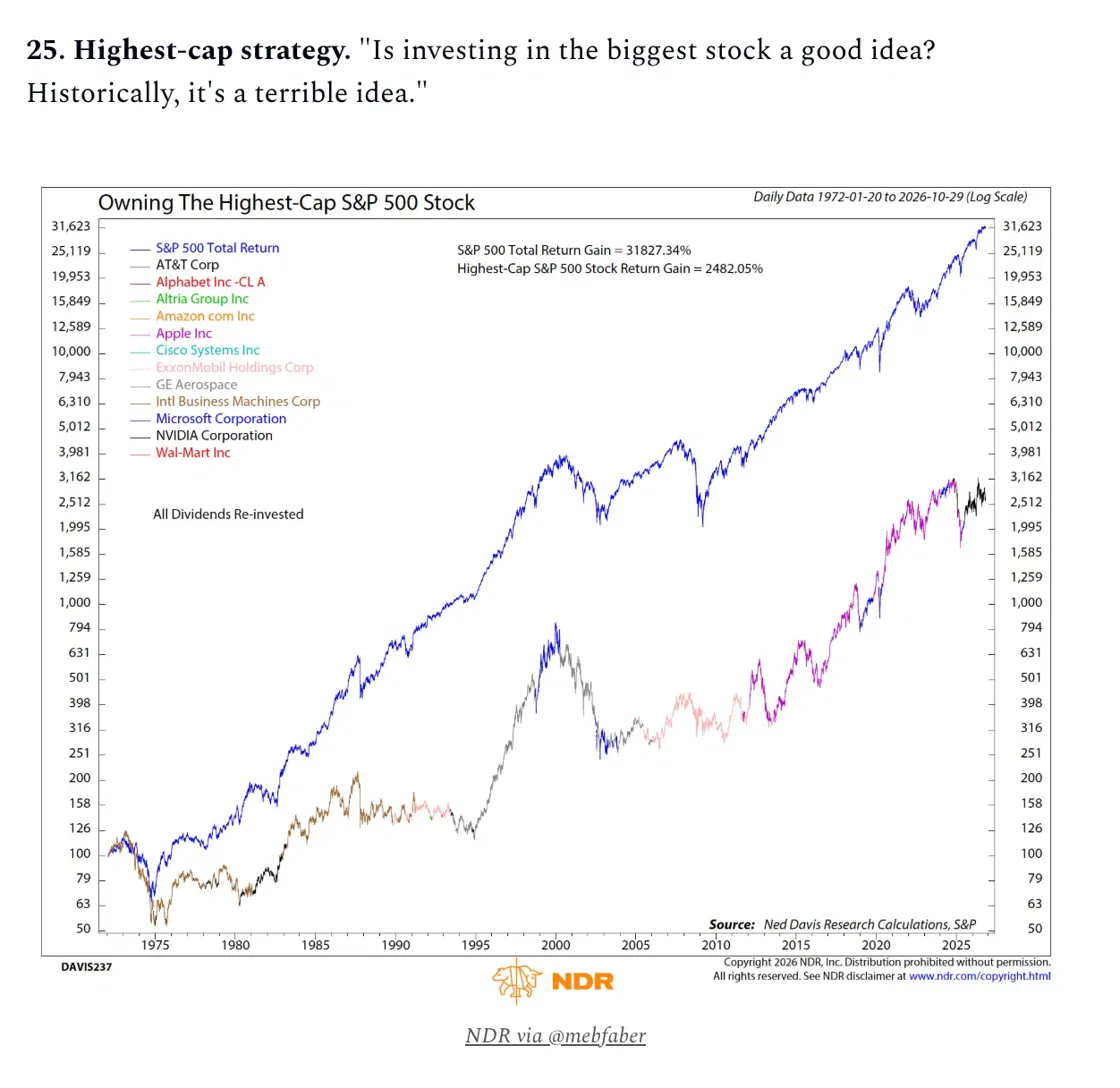
As we look toward the final quarter of 2026, the market is poised to test whether the underlying fundamentals of the economy can support the growth targets set by tech giants. If the retail selling trend continues, it could trigger a broader liquidity squeeze, forcing institutional investors to re-price risk across all asset classes. Conversely, if this is merely a temporary correction, the market may stabilize as investors rotate into more defensive, value-oriented positions.
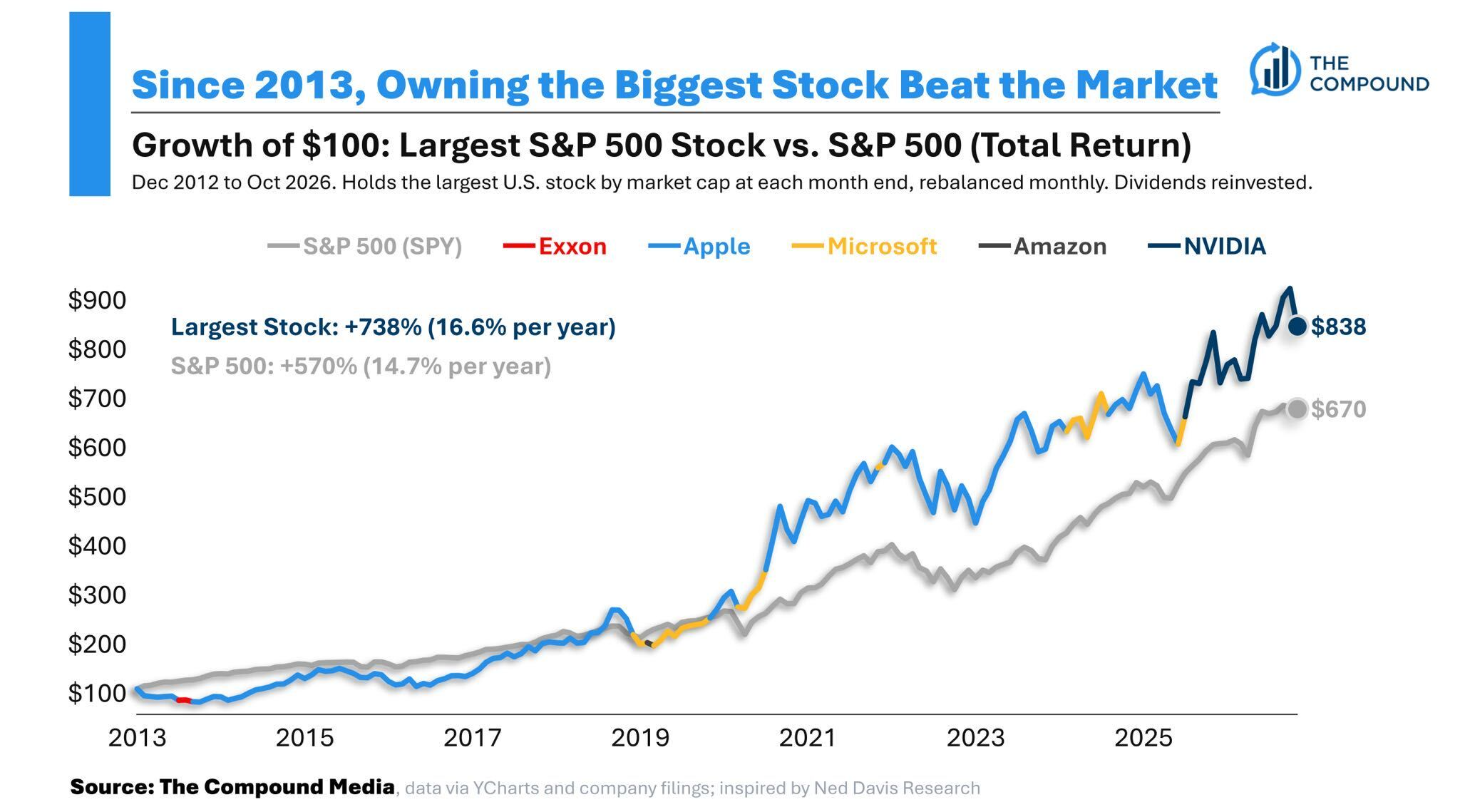
In conclusion, the current financial environment is defined by its contradictions. We are witnessing an era where private capital is surging while public retail sentiment wavers, and where the most technologically advanced sector of the economy is simultaneously the most opaque. Navigating this environment will require a disciplined focus on data, a healthy skepticism of high-growth narratives, and a keen awareness of the structural shifts in how individual investors are interacting with the market.