Animal Spirits: Navigating Global Market Volatility and Economic Anomalies

The global financial landscape in mid-2026 presents a complex tapestry of robust market performance against a backdrop of persistent economic anomalies, as highlighted in the latest analysis from Ben Carlson and the "Animal Spirits" podcast. This edition, brought to you by YCharts and Vanguard, delves into the intricate interplay of economic indicators, market sentiment, and the evolving nature of investment narratives. While headline equity markets in the United States have demonstrated resilience, showing an 11% gain year-to-date, a deeper examination of underlying trends reveals a more nuanced picture, marked by increased volatility in specific regions and a curious equilibrium in others.
A Year of Surprising "Normalcy" Amidst Shifting Currents
The year 2026, thus far, has been characterized by a peculiar sense of normalcy in certain key economic metrics, particularly within the United States. As of mid-year, the U.S. stock market’s 11% rise has been accompanied by GDP growth projected in the 2-3% range and inflation hovering around 3.5%. The 10-year Treasury yield has stabilized at approximately 4.5%. This confluence of figures suggests a market environment that, on the surface, appears balanced and predictable. However, this apparent stability often masks underlying currents of increased uncertainty and localized instability, as evidenced by a stark contrast in market behavior across different global economies.
Regional Volatility: A Tale of Two Markets
While the United States exhibits a degree of economic equilibrium, other major economies are experiencing significantly heightened market volatility. A striking observation from the "Animal Spirits" analysis points to the Korean stock market, which has registered volatility levels exceeding those seen during the 2008 Global Financial Crisis and the late 1990s Asian Financial Crisis. This surge in volatility underscores the localized nature of current market pressures, potentially driven by geopolitical tensions, sector-specific economic challenges, or shifts in global trade dynamics impacting the South Korean economy more acutely. Such regional disparities necessitate a granular approach to investment strategy, moving beyond broad market generalizations.
The Shifting Narrative: From "Bubble" Fears to Market Equilibrium
The discourse surrounding financial markets has also evolved. Recent analysis of investment podcast content reveals a notable decline in the frequency of the term "bubble" being used to describe market conditions. This shift in language is significant. In previous years, heightened market valuations and rapid asset price appreciation frequently fueled widespread concerns about speculative bubbles. The current decrease in "bubble" mentions, coupled with the "normalcy" observed in U.S. economic indicators, suggests a market that, while potentially overvalued in certain segments, is not exhibiting the extreme speculative fervor of past periods. Instead, a more pragmatic, albeit still cautious, sentiment appears to be prevailing.
Corporate Valuations and Strategic Acquisitions: A Question of Value
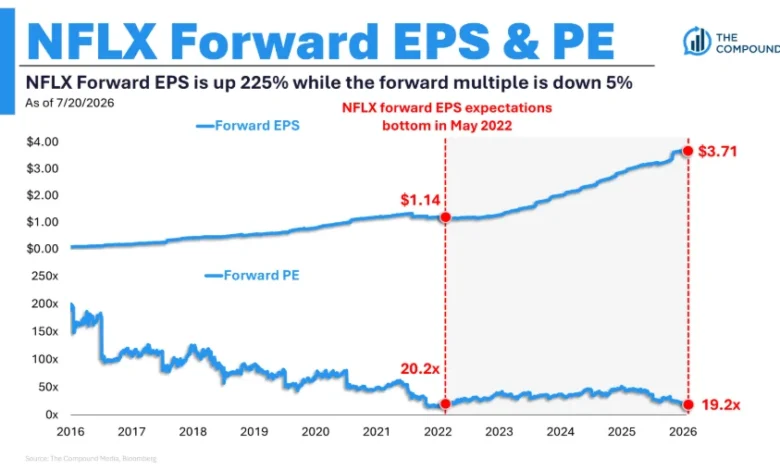
Further complicating the market narrative are insights into major corporate acquisitions and their subsequent valuations. The case of Disney’s strategic investments, reportedly in the tens of billions of dollars for entities like Marvel, Star Wars, Pixar, ESPN, and Fox, provides a compelling case study. The combined expenditure, estimated at approximately $129 billion (and potentially over $182 billion in today’s dollars, accounting for inflation), now stands in stark contrast to the entire company’s market capitalization. With Disney’s market cap hovering around $169 billion, this scenario raises critical questions about the long-term value realization from these acquisitions and the market’s current assessment of the company’s intrinsic worth. This divergence between historical investment outlay and current market valuation can be attributed to various factors, including the evolving media landscape, increased competition, changing consumer habits, and the integration challenges associated with such vast portfolios.
Economic Indicators and Their Interplay
The current economic climate is a product of several interconnected factors that investors and policymakers are closely monitoring:
- GDP Growth: The projected 2-3% GDP growth in the U.S. indicates a steady, albeit not explosive, expansion of the economy. This level of growth is generally considered healthy and sustainable, supporting corporate earnings and consumer spending.
- Inflation: With inflation at 3.5%, the Federal Reserve and other central banks are navigating a delicate balance. While this rate is above the typical target of 2%, it is not at levels that would necessarily trigger aggressive monetary tightening, especially if growth remains robust. However, persistent inflation above target could erode purchasing power and impact investment returns.
- Interest Rates: The 10-year Treasury yield at 4.5% reflects a moderate cost of borrowing and a benchmark for various financial instruments. This level suggests that the market anticipates a period of continued economic activity without the immediate prospect of sharply rising inflation that would necessitate significantly higher rates.
- Equity Market Performance: The 11% gain in the U.S. stock market indicates investor confidence in corporate profitability and economic prospects. However, it is crucial to analyze which sectors are driving this growth, as some may be experiencing outsized gains due to specific trends, while others might be lagging.
Analyzing the Broader Impact and Implications
The current market environment, characterized by regional volatility and a perceived "normalcy" in major economies, presents several implications for investors:
- Diversification is Key: The significant divergence in market performance between regions like South Korea and the U.S. highlights the paramount importance of global diversification. Relying solely on one geographic market or asset class could expose investors to substantial risks.
- Sector-Specific Analysis: With corporate valuations like Disney’s raising questions, investors need to move beyond broad market indices and conduct in-depth analysis of individual companies and sectors. Understanding the underlying business models, competitive advantages, and strategic execution is crucial.
- Inflationary Pressures: While inflation has moderated, its persistence at 3.5% warrants continued attention. Investors should consider assets that have historically provided a hedge against inflation, such as real assets and certain commodities, while remaining mindful of their risk profiles.
- Long-Term Perspective: The current market dynamics, with their blend of stability and localized turbulence, underscore the value of a long-term investment horizon. Short-term fluctuations are inevitable, but a focus on fundamental value and strategic allocation can help navigate these periods effectively.
- The Evolving Investment Landscape: The decline in "bubble" rhetoric suggests a maturing market sentiment. Investors may be more focused on sustainable growth, profitability, and risk management rather than chasing speculative gains. This shift could favor value-oriented and dividend-paying stocks, as well as investments in companies with strong balance sheets and clear competitive advantages.
The insights from "Animal Spirits" and the accompanying data paint a picture of a global economy that is both resilient and complex. The year 2026 is proving to be a period where understanding the nuances of regional economies, sector-specific performance, and the evolving narrative of market sentiment is more critical than ever for successful investment strategy. The interplay of steady economic growth in some areas and heightened volatility in others, combined with the re-evaluation of corporate strategies, demands a sophisticated and adaptable approach to navigating the financial markets.