Animal Spirits Podcast Episode September 14 2026 Featuring VanEck Market Insights

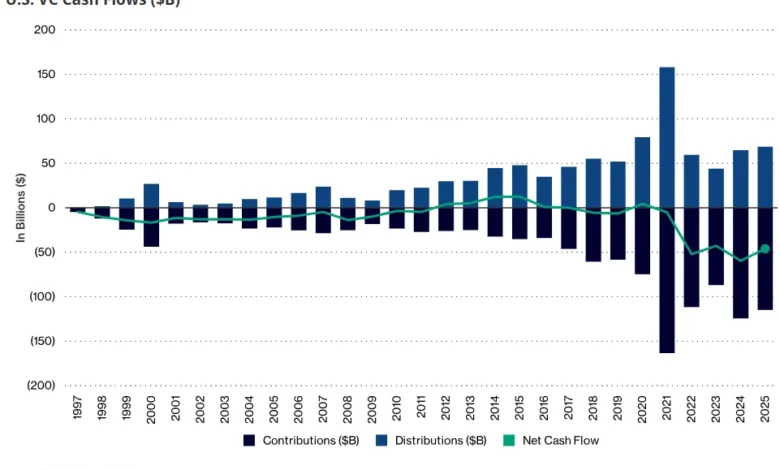
The financial landscape continues to evolve at a rapid pace as the third quarter of 2026 draws to a close, marked by a series of critical market shifts and macroeconomic adjustments. In the latest installment of the Animal Spirits podcast, released on September 14, 2026, hosts Ben Carlson and Michael Batnick delve into the underlying currents shaping investor behavior and asset allocation. Sponsored by VanEck, this episode serves as a barometer for current market sentiment, emphasizing the necessity of data-driven decision-making in an environment characterized by persistent volatility and shifting central bank policies.
Contextualizing the Market Environment
The 2026 fiscal year has been defined by a transition away from the high-interest-rate environment that dominated the previous two years. As the Federal Reserve signaled a pivot toward a more neutral policy stance mid-summer, market participants have been recalibrating their expectations regarding equity valuations and bond yields. This podcast episode highlights the necessity for investors to maintain a long-term perspective, even as short-term fluctuations dominate the headlines.
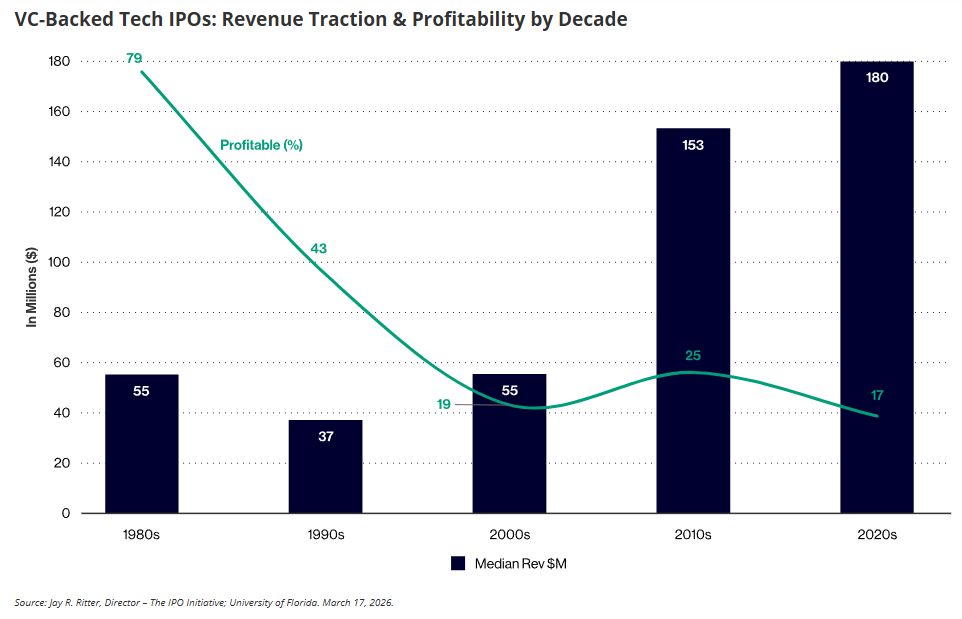
The discussion focuses heavily on the interplay between corporate earnings and macroeconomic indicators. With inflation hovering closer to historical averages, the conversation shifts toward growth sustainability. By analyzing recent charts and historical data, the hosts examine how different sectors—particularly technology and industrial materials—have reacted to the easing of liquidity constraints.
Chronology of Recent Market Shifts
The trajectory of the markets throughout 2026 has been marked by three distinct phases:
- The Q1 Recovery: Following a period of uncertainty in late 2025, the markets entered 2026 with a renewed focus on corporate efficiency. Earnings reports in February and March revealed that large-cap companies had successfully optimized their cost structures, leading to a surprise uptick in margin expansion.
- The Summer Pivot: June and July saw a significant shift in market narrative as economic data began to soften. The labor market, which had remained stubbornly tight for 18 months, finally showed signs of cooling, prompting the anticipated pivot in monetary policy.
- The September Adjustment: As of mid-September 2026, the focus has shifted to the "soft landing" versus "recession" debate. Markets are currently digesting the implications of lower rates on capital-intensive industries, leading to the volatility observed in the charts presented during the discussion.
Analytical Breakdown of Market Data
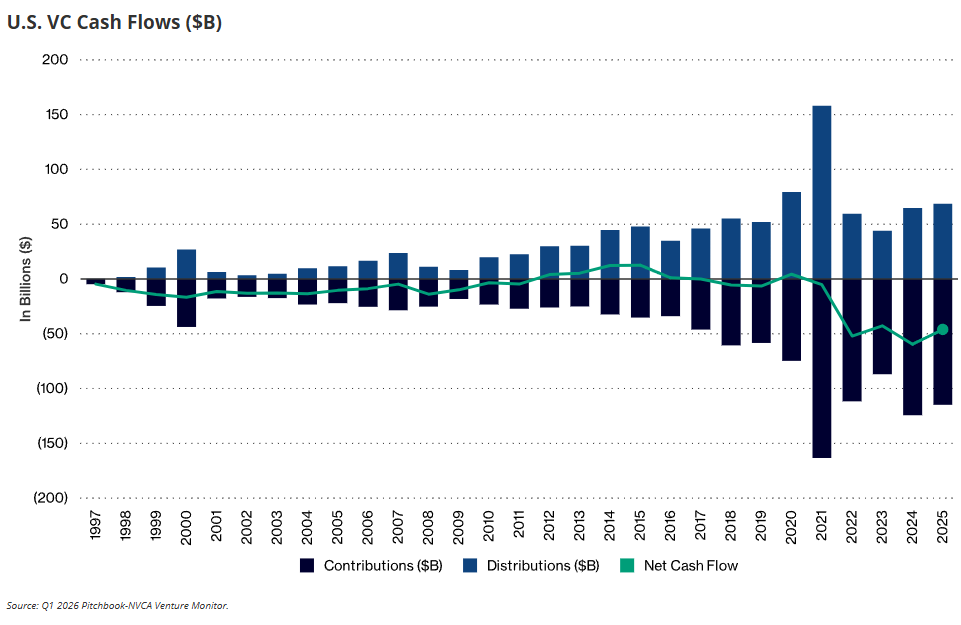
A significant portion of the episode is dedicated to interpreting technical data points that illustrate the current state of the global economy. The visual data provided by the hosts suggests that while consumer spending remains resilient, there is a discernible divergence between services-based economic health and the manufacturing sector.

Data points discussed include:
- Yield Curve Normalization: The transition of the Treasury yield curve from an inverted state back toward a normal slope is analyzed as a critical indicator of market health. Historically, this transition often precedes a period of economic stabilization.
- Equity Risk Premium (ERP): The analysis points to a narrowing ERP, suggesting that the "risk-free" rate is no longer providing the same level of competition for capital that it did during the height of the rate-hike cycle. This shift is theoretically supportive of risk assets, provided that corporate earnings do not experience a sharp contraction.
- Sector Volatility Indices: By comparing current volatility metrics against 20-year averages, the hosts illustrate that while headline volatility is high, underlying structural health in major index components remains robust.
Industry Perspectives and Expert Reactions
The involvement of VanEck as a sponsor highlights the institutional focus on thematic investing. In recent briefings, analysts from the firm have noted that the current environment is "highly conducive to active management," as broad-market beta is increasingly influenced by idiosyncratic sector news rather than uniform macroeconomic trends.
Observers within the financial services sector have reacted to these trends by diversifying portfolios away from pure-play equity indices and toward more specialized vehicles. The consensus among market analysts is that the remainder of 2026 will be defined by "stock picking" rather than the "rising tide" approach that characterized the early 2020s. Investors are being advised to scrutinize balance sheets more closely than they have in the past five years, as the cost of capital—while lower—is no longer effectively zero.
Broader Implications for Individual Investors
The primary takeaway from the September 14 discussion is the importance of maintaining an investment thesis that is independent of short-term media cycles. The hosts emphasize that the psychological component of investing—the "animal spirits"—is often what drives individuals to make suboptimal decisions during periods of market transition.
By providing listeners with the tools to interpret complex data, the podcast aims to mitigate the influence of reactive decision-making. The broader implications for the investor base are clear:
- Risk Management: Investors should assess their tolerance for volatility in the context of their long-term objectives rather than immediate price movements.
- Asset Allocation: The move toward a more balanced portfolio, incorporating fixed income, equity, and alternative assets, is viewed as the most prudent strategy for navigating the current economic cycle.
- Long-Termism: Despite the noise of the 24-hour news cycle, the fundamental drivers of long-term wealth creation remain unchanged: consistent savings, diversification, and a disciplined approach to asset allocation.
The Role of Media in Financial Education
The evolution of financial media, exemplified by platforms like Animal Spirits and The Compound, represents a shift in how retail investors consume information. By bridging the gap between high-level institutional analysis and accessible content, these platforms play a crucial role in improving financial literacy.
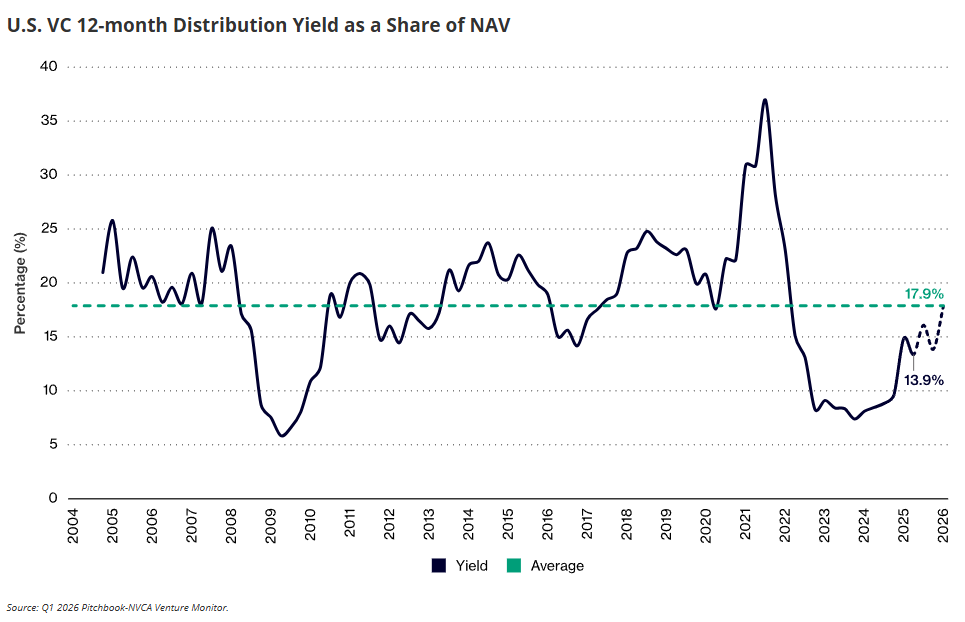
The availability of charts, historical comparisons, and expert commentary allows listeners to develop a more nuanced understanding of the markets. As the podcast notes, the goal is not to predict the exact timing of market peaks or troughs, but rather to prepare the investor for the inevitable fluctuations that define the equity markets.
Conclusion and Future Outlook
As we look toward the final quarter of 2026, the data suggests a period of transition. The macroeconomic environment is stabilizing, but the path forward remains dependent on corporate earnings performance and the global response to the easing of credit conditions. The analysis provided in this episode of Animal Spirits underscores that while challenges remain, the structural foundation of the market appears more balanced than it has been in recent memory.
Investors are encouraged to remain diligent, keep their long-term goals in focus, and utilize the wealth of data now available to make informed decisions. The synthesis of market data, expert perspective, and clear communication remains the best defense against the uncertainty that is inherent in the financial markets. For those seeking to navigate the coming months, the message is one of cautious optimism, underscored by the necessity of a well-grounded, disciplined investment strategy.
Disclaimer: The information provided herein is for informational and educational purposes only and does not constitute investment advice, financial advice, or a recommendation to buy or sell any security. All investment involves risk, including the loss of principal. Readers should consult with a qualified financial advisor before making any investment decisions. The views expressed in the referenced media are those of the speakers and do not necessarily reflect the views of any affiliated organizations. Inclusion of sponsor content does not imply an endorsement of any product or service.