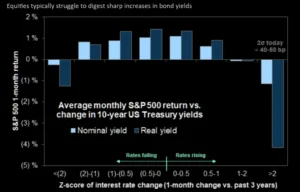
Federal Reserve Delivers First Rate Hike Since 2023, Pushing Funds Rate to 3.75%-4.00% Amid Bond Market Pressure

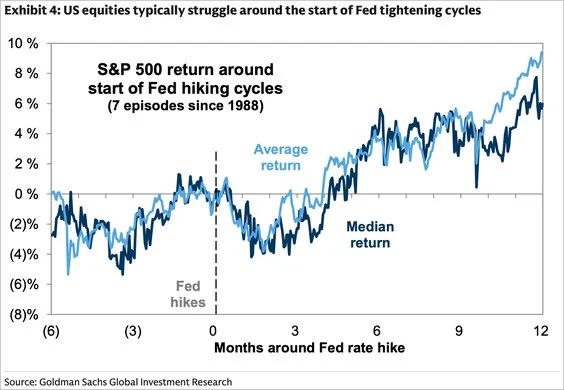
The Federal Open Market Committee (FOMC) enacted its first interest rate hike since 2023 this past week, raising the benchmark federal funds rate by 25 basis points to a target range of 3.75% to 4.00%. The unanimous 12-0 vote came as bond market yields surged, forcing the central bank’s hand to address persistent inflationary pressures driven primarily by a supply-side energy shock rather than domestic demand. While the decision was largely anticipated by Wall Street, the exclusion of scheduled rate cuts in the longer-term projections and commentary from officials warning of potential subsequent hikes caught equity markets off guard.

Market Reaction and Cross-Asset Volatility
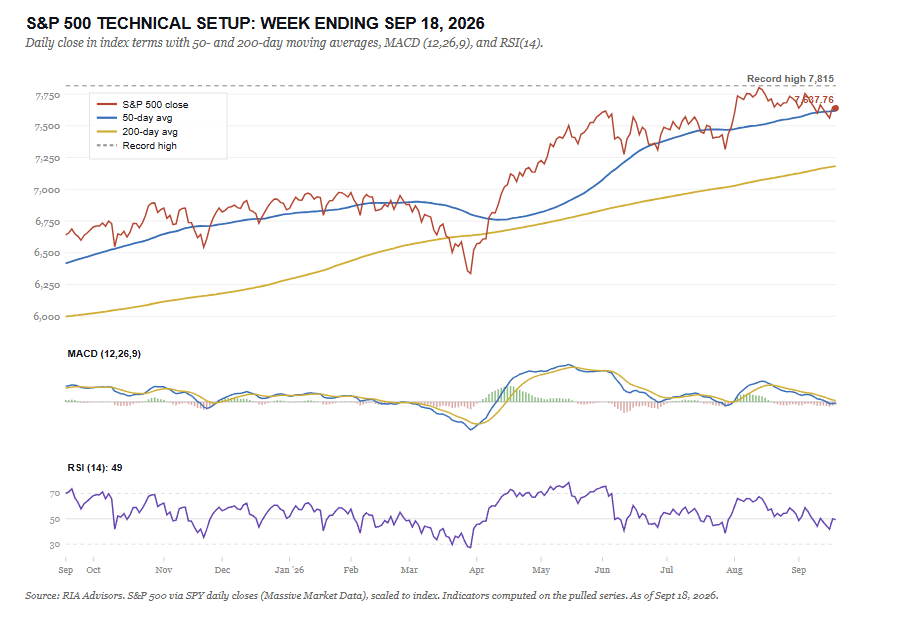
Equities experienced immediate downward pressure following the FOMC announcement on Wednesday, with the S&P 500 retreating to an intra-week low of 7,585. However, a sharp rebound on Thursday and a resilient recovery through late-day options expiration on Friday helped the broader indices finish the week near parity. The S&P 500 closed the week at 7,637.76, while the Dow Jones Industrial Average finished at 51,778, the Nasdaq Composite at 26,418, and the Russell 2000 small-cap index at 2,874.

Beneath the headline index stability, significant sector divergence emerged. Financial stocks bore the brunt of the selling pressure, led by major banking institutions as the yield curve adjusted to the monetary tightening. Goldman Sachs and Bank of America each saw weekly declines of approximately 8%, marking the sector’s worst weekly performance since March. Meanwhile, the energy sector softened alongside crude oil prices, which pulled back below $100 per barrel, with West Texas Intermediate (WTI) settling near $95.46.
Cross-asset indicators reflected mounting economic tension. The benchmark 10-year Treasury yield hovered near the 5% threshold—a level unseen in 19 years—while the 30-year bond yield held firm at approximately 5.34%. Safe-haven assets remained well-bid, with gold trading near $4,420 per ounce. Concurrently, Bitcoin rose to $81,190, signaling that broader liquidity measures remained active despite tighter monetary policy. However, market breadth remained narrow, with mega-cap technology and artificial intelligence-adjacent leaders carrying the indices while rate-sensitive segments lagged.
The Mechanics of the Fed’s Decision and the Supply-Shock Dilemma

The central bank’s policy pivot highlights a fundamental economic debate regarding the limits of monetary policy. Central bank rate hikes are designed to cool credit-financed economic demand by increasing borrowing costs for mortgages, auto loans, and corporate capital expenditures. By subduing aggregate demand, the Federal Reserve aims to anchor inflation expectations and stabilize price growth.
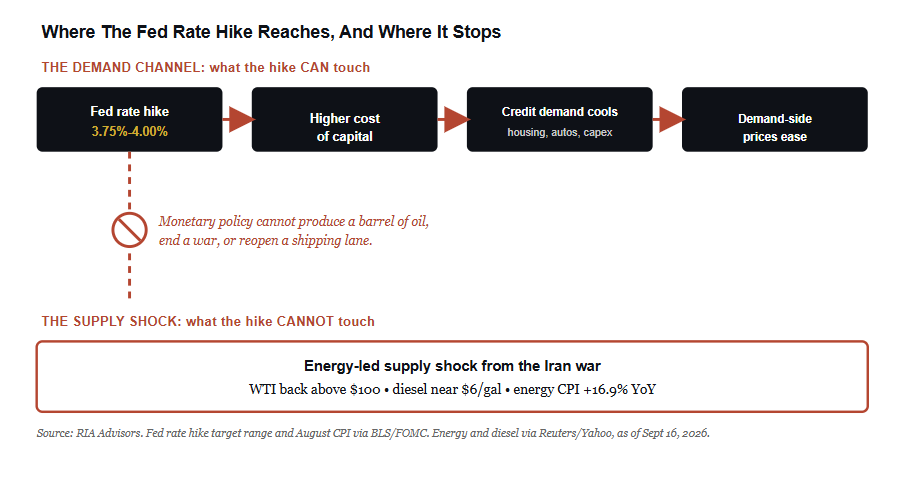
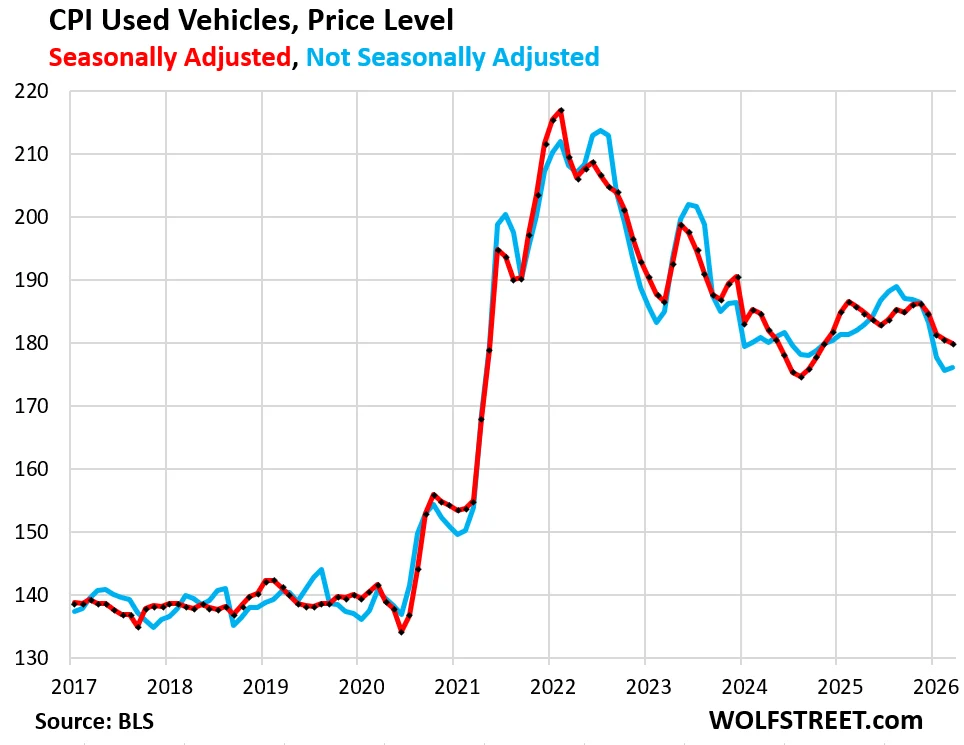
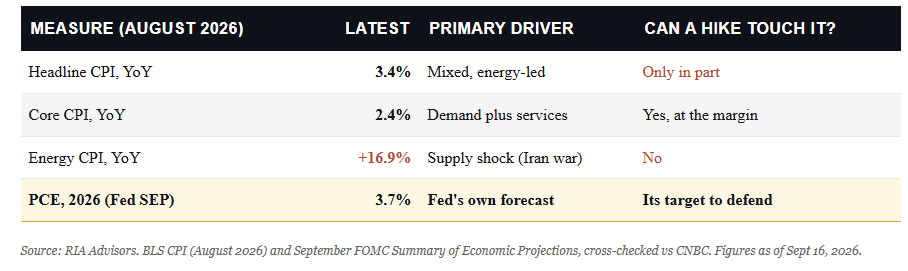
However, analysts note a critical structural limitation: monetary policy tools operate exclusively on the demand side of the ledger. They cannot directly influence supply-side constraints, such as geopolitical conflicts impacting global oil routes or disruptions in commodity supply chains. Data from the preceding months underscored this disconnect, with headline inflation running at 3.4% annually, while energy components surged by 16.9%. Economists argue that tightening monetary policy in response to a supply-driven shock risks exacerbating economic slowdowns without directly alleviating the root causes of commodity inflation.
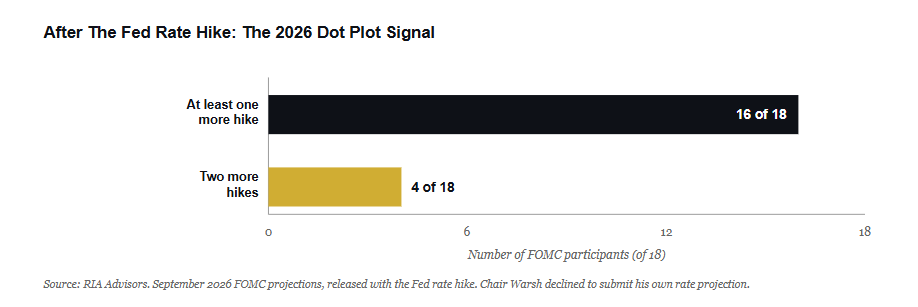
Despite these limitations, the FOMC’s unanimous decision was widely interpreted as an effort to preserve institutional credibility and anchor long-term inflation expectations. The updated "dot plot" projections indicated that the majority of committee members see the possibility of further tightening before the end of the year if price pressures remain elevated.
Investor Sentiment and Institutional Positioning

Investor sentiment deteriorated notably in the wake of the announcement. The American Association of Individual Investors (AAII) weekly sentiment survey revealed that 53% of individual investors reported a bearish outlook for the six-month horizon—an increase of approximately 14 percentage points from the previous week and the highest level of pessimism recorded since the spring.
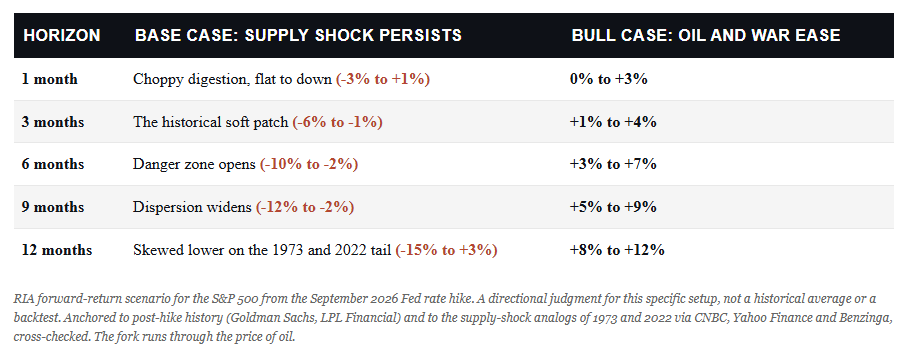
While elevated fear readings often historically precede consolidation or buying opportunities, institutional allocation models continue to advise caution. The Money Flow Breadth Ratio (MFBR) indicated that institutional equity allocations have rolled back from recent peaks, shifting the technical composite into a more defensive posture. Analysts recommend monitoring key support levels for the S&P 500, specifically identifying 7,585 as a critical threshold. A decisive break below this reaction low could expose the index to further downside toward 7,500 and 7,400, where intermediate moving averages converge.

Upcoming Economic Catalysts and Earnings Focus

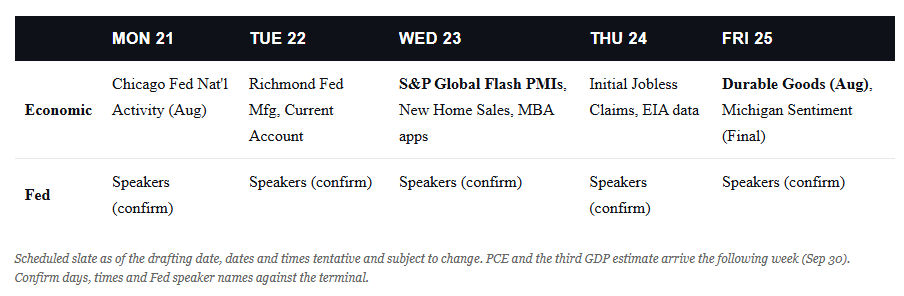
Looking ahead, the macroeconomic calendar features limited top-tier economic releases, placing heightened scrutiny on upcoming public commentary from Federal Reserve officials. Markets will parse speeches from central bank leadership for any indication regarding the pace and terminal rate of the current tightening cycle.

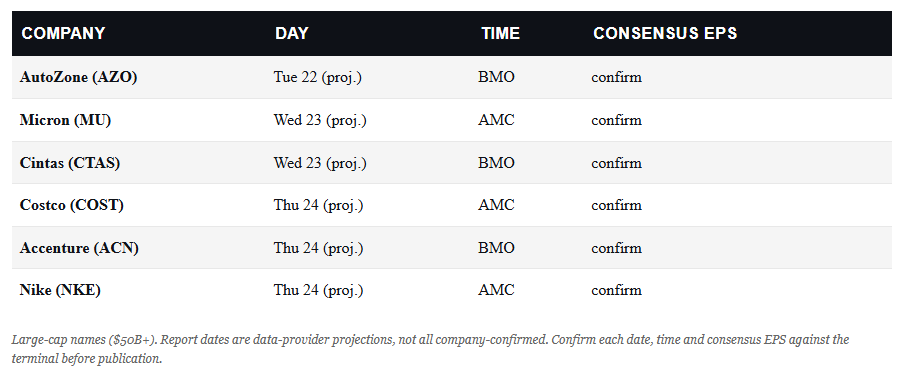
Additionally, upcoming data releases will include the S&P Global flash Purchasing Managers’ Index (PMI) on Wednesday, followed by durable goods orders and the final University of Michigan consumer sentiment survey on Friday, which will provide updated metrics on consumer inflation expectations. In the corporate sector, earnings reports from bellwether companies such as Micron Technology, Costco Wholesale, Accenture, and Nike will serve as critical indicators of enterprise technology spending, semiconductor demand, and consumer resilience in a high-cost environment.