Government Agencies Under Daily Siege: Ransomware Attacks Escalate to One Per Day

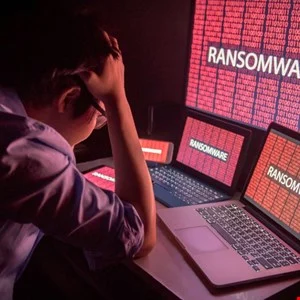
The digital ramparts of government departments and agencies worldwide are crumbling under a relentless assault, with new analysis revealing that ransomware attacks are now so frequent that one such entity is falling victim to system encryption every single day. This alarming statistic, derived from a comprehensive study of ransomware incidents targeting public sector organizations between January and June 2026, paints a stark picture of the escalating cyber threat landscape facing governments. The findings underscore the growing vulnerability of public services and the sensitive data they hold to sophisticated criminal enterprises.
A Sobering Surge in Cyber Hostilities
Researchers at Comparitech, a leading firm specializing in cybersecurity analysis, meticulously documented ransomware events impacting government entities during the first half of 2026. Their report, published on July 16th, identified a staggering 187 distinct ransomware attacks against government organizations. This figure represents a significant 13% increase compared to the 165 attacks recorded in the latter half of 2025, signaling an accelerating trend of cyber aggression.
The sheer volume of these incidents is particularly striking. With 187 attacks occurring over 182 days, the average rate of ransomware attacks against governmental bodies has indeed reached the sobering milestone of one per day. This consistent barrage highlights a pervasive and persistent threat that shows no signs of abating. Of the 187 recorded incidents, just over half, or 89, were publicly confirmed by the affected organizations, suggesting that the true number of attacks may be even higher, with some governments opting for discretion rather than public disclosure.
The Allure of the Public Sector: A Prime Target for Cybercriminals
The persistent targeting of government agencies is not accidental. These organizations represent exceptionally lucrative targets for ransomware groups due to a confluence of factors. Firstly, the potential for widespread disruption to essential public services is immense. The encryption of critical systems can cripple everything from emergency response and healthcare to administrative functions, leading to prolonged outages and significant public inconvenience. This disruption creates immense pressure on affected governments to restore services as quickly as possible.
Secondly, government bodies are custodians of vast repositories of sensitive data pertaining to the general public. This data can include personal identifiable information (PII), financial records, health information, and more, making it a valuable commodity for cybercriminals who can monetize it through illicit marketplaces or use it for further exploitation.
Rebecca Moody, head of data research at Comparitech, emphasized this point in her commentary on the findings. "From weeks-long disruptions due to system encryption to extensive data breaches, governments are the ideal target for hackers," Moody stated. "This significantly increases the potential of the victim paying the ransom for a decryption key, rather than attempting to take much longer to independently restore services that the public are reliant on." The economic and social leverage gained from holding public services and citizen data hostage is a powerful motivator for ransomware actors.
The United States: A Disproportionate Target
The Comparitech analysis also sheds light on the geographical distribution of these attacks. The United States emerged as the most frequent target for ransomware attacks against government agencies during the six-month period, accounting for a substantial 31% of all recorded incidents. This disproportionate targeting is likely attributable to several factors, including the sheer scale of the US government’s operations, its extensive digital infrastructure, and potentially, a higher volume of data it manages compared to many other nations.
In stark contrast, every other country with reported ransomware incidents registered only single-digit percentages of the total. Germany, Spain, and Italy, while affected, represented significantly smaller proportions of the global governmental ransomware landscape, with 7%, 4%, and 4% respectively. While population size is a contributing factor to the volume of data and the number of potential targets, the disparity suggests that US governmental entities may face a more concentrated and aggressive campaign from cybercriminals.
Ransom Demands and the Art of Negotiation
The financial aspect of ransomware attacks against governments is also a critical consideration. The average ransom demand levied against government agencies during the analyzed period stood at $100,000. This figure suggests a degree of strategic calculation by the attackers. Demands that are too exorbitant, especially from taxpayer-funded entities, might be met with a firm refusal, leading to the loss of potential revenue. A more moderate demand might increase the likelihood of payment, particularly when faced with the prospect of extended service disruptions and the political fallout associated with them.
However, the landscape is not without its outliers, demonstrating the unpredictable nature of these operations. A particularly significant case involved a $3.1 million ransom demand made to the Land and Agricultural Development Bank of South Africa following a cyber-attack in January 2026. In a notable act of defiance, the organization refused to pay the ransom. This decision, while principled, resulted in prolonged system restoration efforts, with services only being fully reinstated in April 2026. This case highlights the difficult trade-offs governments face: pay a substantial sum to regain control, or endure lengthy disruptions and incur significant costs in rebuilding systems independently.
The Architects of Disruption: Known and Emerging Threat Actors
While the South African incident involved an unknown assailant, many of the other ransomware attacks could be attributed to well-established and notorious cybercriminal groups. Between January and June 2026, the most prolific attackers identified in the Comparitech report were "The Gentlemen," responsible for 10% of the attacks, followed closely by "Qilin" at 9%, and the persistent "LockBit" group at 7%. The presence of these known entities underscores the organized and sophisticated nature of the ransomware threat. These groups often leverage common, well-publicized cybersecurity vulnerabilities, exploiting them with alarming efficiency.
A Proactive Defense: The Imperative for Robust Cybersecurity Strategies
In light of this escalating threat, the call for robust cybersecurity measures has never been more urgent. Rebecca Moody of Comparitech stressed the paramount importance of a proactive cyber defense strategy for government organizations. "Keeping systems up to date, patching vulnerabilities as soon as they’re flagged, carrying out regular backups, and making sure employees are regularly trained and are on high alert at all times are crucial to mitigating the risks of attacks," she advised.
This comprehensive approach encompasses several key pillars:
- Vulnerability Management and Patching: Regularly scanning for and promptly addressing known security weaknesses in software and hardware is fundamental. Cybercriminals actively seek out unpatched systems, making this a critical first line of defense. The speed at which vulnerabilities are discovered and exploited has dramatically decreased, demanding an equally rapid response from defenders.
- Data Backups and Disaster Recovery: Maintaining secure, off-site, and regularly tested backups is essential. In the event of a ransomware attack, these backups provide a viable alternative to paying a ransom, enabling organizations to restore their data and operations without capitulating to criminal demands. A robust disaster recovery plan ensures a swift and organized return to normalcy.
- Employee Training and Awareness: Human error remains a significant factor in many cyberattacks, particularly through phishing and social engineering tactics. Continuous and effective training for all employees, from entry-level staff to senior leadership, is crucial. This training should focus on recognizing malicious emails, links, and attachments, as well as understanding secure online practices. Cultivating a culture of security awareness where employees feel empowered to report suspicious activity is vital.
- Network Segmentation and Access Control: Implementing strong network segmentation can limit the lateral movement of ransomware once it gains a foothold in an organization’s network. Strict access controls, adhering to the principle of least privilege, ensure that users and systems only have the permissions necessary to perform their functions, thereby reducing the potential impact of a compromised account.
- Endpoint Detection and Response (EDR) and Security Information and Event Management (SIEM) Systems: Advanced security tools like EDR solutions can detect and respond to threats in real-time on individual devices, while SIEM systems aggregate and analyze security logs from across the network, providing critical visibility into potential breaches.
The Broader Implications: Trust, Resilience, and Public Confidence
The continuous onslaught of ransomware attacks against government agencies carries profound implications beyond immediate operational disruption and financial costs. It erodes public trust in the ability of governments to protect sensitive citizen data and maintain essential services. The confidence citizens place in their public institutions is a cornerstone of democratic societies, and a persistent failure to secure digital infrastructure can undermine this trust.
Furthermore, the diversion of resources to combat and recover from these attacks diverts funds and attention from other critical public services and policy initiatives. The economic impact, while difficult to quantify precisely, is substantial, encompassing not only ransom payments and recovery costs but also lost productivity, reputational damage, and potential legal liabilities.
The escalating trend underscores a global cybersecurity arms race. Governments must not only invest in advanced technological defenses but also foster international cooperation to disrupt ransomware networks, apprehend perpetrators, and share intelligence on emerging threats. The battle against ransomware is not merely a technical challenge; it is a strategic imperative for national security and the continued functioning of democratic societies in an increasingly digitized world. The daily siege faced by government entities is a stark reminder that cybersecurity must be a top-tier priority, demanding continuous vigilance, strategic investment, and a proactive, multi-layered defense.