Microsoft’s July Patch Tuesday Addresses Over 570 Vulnerabilities, Tripling Previous Record Amidst AI-Driven Discovery Surge

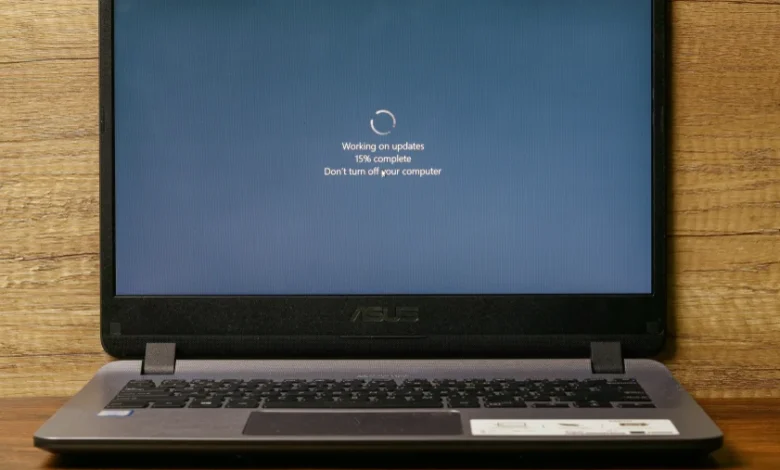
Microsoft Corp. on Tuesday released a monumental software update addressing at least 570 security vulnerabilities across its Windows operating systems and other software, a figure that nearly triples the number of fixes issued in the company’s previous record-breaking Patch Tuesday release. The software giant attributes this dramatic surge in patch counts to the increasing efficacy of artificial intelligence in discovering security weaknesses. This unprecedented volume of fixes underscores a rapidly evolving threat landscape and a significant shift in how software vulnerabilities are being identified and addressed.
The July Patch Tuesday, which typically occurs on the second Tuesday of each month, has historically been a critical event for IT professionals and cybersecurity experts worldwide. It represents Microsoft’s commitment to maintaining the security and integrity of its vast ecosystem of products. However, this month’s release stands out not only for its sheer volume but also for the implications it carries for the future of cybersecurity. The integration of AI into vulnerability research is proving to be a double-edged sword, accelerating the pace of both discovery and, potentially, exploitation.
A Record-Breaking Patch Load: AI as a Catalyst
Microsoft’s latest security bulletin details a staggering 570 vulnerabilities, a substantial leap from previous months. This escalation is directly linked to advancements in artificial intelligence. According to Pavan Davuluri, Executive Vice President of Windows at Microsoft, AI is fundamentally changing the speed and scale at which security issues are identified.
"The pace of vulnerability discovery is changing with advances in AI making it possible to find more issues, faster, across more code, with new mechanisms that can accelerate both discovery and analysis," Davuluri stated in a blog post on July 9th. This sentiment suggests that what was once a laborious, manual process of code review and penetration testing is now being augmented, and in some cases, potentially outpaced by AI-driven tools. These tools can sift through vast amounts of code, identify complex patterns indicative of vulnerabilities, and even generate potential exploit scenarios with remarkable efficiency.
The implications of this AI-driven discovery are profound. For Microsoft and other software vendors, it means a constant race to patch an ever-growing number of discovered flaws. For users, it signals the need for more frequent and diligent patching routines. The sheer volume of updates released on this single day can present a logistical challenge for organizations, requiring careful planning and testing to avoid disrupting critical business operations.
Critical Vulnerabilities and Exploited Zero-Days: A Heightened Threat
Among the 570 vulnerabilities patched, nearly 60 have been classified with a "critical" severity rating. This designation means that attackers could potentially exploit these flaws to gain remote control over a Windows device with minimal user interaction. Such vulnerabilities are the most coveted by malicious actors, as they offer a straightforward path to compromise systems and deploy malware.
Adding to the urgency, Microsoft also addressed three zero-day flaws, which are vulnerabilities that are known to be exploited by attackers in the wild before a patch is available. Of these three, two are already being actively exploited. This highlights the immediate danger posed by unpatched systems, as cybercriminals are actively leveraging these unknown weaknesses.
Zero-Day Flaws and Their Implications:
-
Elevation of Privilege: Two of the zero-day vulnerabilities allow an attacker to escalate their user privileges on a Windows system. This means a compromised user account with limited permissions could be leveraged to gain administrative control over the entire system. This type of attack is particularly insidious, as it can be used to unlock deeper access for further malicious activities, such as data exfiltration or ransomware deployment.
- CVE-2026-56155: This vulnerability affects Active Directory Federation Services (AD FS), a critical component for identity and access management in many enterprise environments. Exploiting this flaw could allow attackers to gain elevated privileges within an organization’s network.
- CVE-2026-56164: A vulnerability in Microsoft SharePoint, a widely used collaboration and document management platform. Compromising SharePoint can lead to the exposure of sensitive business data and disruption of internal operations.
-
Security Feature Bypass: The third zero-day flaw, CVE-2026-50661, is a security feature bypass in Windows BitLocker. BitLocker is a full-disk encryption feature designed to protect data at rest. This bypass could allow attackers with physical access to a device to circumvent BitLocker’s protection and gain access to encrypted data. While Microsoft has indicated this bug has been publicly detailed, they are not aware of active exploitation, suggesting a window of opportunity for users to patch before malicious actors fully weaponize it.
In total, approximately 250 "elevation of privilege" flaws were addressed this month, indicating a broader trend of attackers seeking to gain greater control over compromised systems. This focus on privilege escalation underscores the layered approach that sophisticated attackers often employ, starting with initial access and then moving laterally to gain deeper system control.
A New Threat: AI-Powered Exploit Development
The same AI advancements that are accelerating vulnerability discovery are also making it easier for attackers to develop exploits for known flaws. Historically, Microsoft has used an "exploitability index" to gauge the likelihood of a vulnerability being exploited. This index is a subjective assessment based on factors such as complexity, required user interaction, and the availability of exploit code.
However, experts like Satnam Narang, Senior Staff Research Engineer at Tenable, argue that this system needs to adapt to the "machine speed" of AI-driven exploit development. Narang points to a recent study by Anthropic’s Red Team, which found that their AI model, Mythos Preview, could produce proof-of-concept exploits for 13 out of 14 vulnerabilities rated as "Exploitation Less Likely" or "Exploitation Unlikely."
"What this means is that our way of looking at Patch Tuesday has changed, because the exploitability index is centered around humans, not AI tools, and as these tools continue to improve, defense needs to improve alongside it," Narang explained. This suggests that Microsoft’s traditional exploitability assessments may no longer be a reliable indicator of immediate risk in an AI-augmented threat landscape. Vulnerabilities previously deemed low-risk could now become prime targets for rapid exploitation by AI-powered tools.
This shift necessitates a more proactive and agile approach to patch management. Organizations can no longer afford to defer patching based on a perceived low exploitability rating. The speed at which AI can generate exploits means that a vulnerability deemed "less likely" to be exploited by human actors could be weaponized within hours or days by AI-driven tools.
Notable Vulnerabilities and Industry Trends
Beyond the critical zero-days, several other vulnerabilities warrant attention:
- CVE-2026-48561 (Microsoft Copilot): Jack Bicer, director of vulnerability research at Action1, highlighted a critical remote code execution flaw in Microsoft Copilot, the AI-powered assistant integrated into Windows and Microsoft 365. This vulnerability carries a CVSS threat score of 9.6, indicating a high severity. The flaw could allow an unauthorized attacker to execute code over the network by hosting a malicious website. When a user visits this site using Microsoft Edge for Android, the browser could automatically send crafted prompts to Copilot, triggering the exploit. This vulnerability is particularly concerning as it targets an AI feature that many users interact with daily.
The surge in Microsoft’s patch volume is not an isolated incident. A broader trend across the software industry shows an increased cadence of security updates. Chris Goettl, at Ivanti, noted that major software vendors are also increasing their patch release frequency.
- Adobe: Announced a move to twice-monthly security bulletins, published on the second and fourth Tuesday of each month, also citing AI as a factor in accelerating their patch cycles.
- Cisco, Mozilla, and Oracle: These companies are also shipping updates more frequently.
- Google: In June 2026, Google’s patch batches reportedly exceeded 900 security fixes, indicating a similar acceleration in vulnerability discovery and remediation across the tech industry.
This industry-wide trend suggests that the challenges posed by an evolving threat landscape, exacerbated by AI, are being recognized and addressed by multiple major software providers. The collaborative effort to secure digital infrastructure is becoming increasingly vital.
Recommendations for Users and Organizations
The sheer volume and critical nature of the vulnerabilities patched in July’s release necessitate careful consideration for users and IT administrators. Microsoft’s advice, while always recommending prompt patching, also acknowledges the potential for instability with such large updates.
"Backing up your Windows system and/or data is always a good idea before applying operating system updates," the article states. "Given the volume of patches addressed this month, it may be wise for end users to wait a few days before applying these fixes. It’s not uncommon for security patches to introduce system stability issues, and those chances probably increase quite a bit with the gigantic patch count released today."
This cautious approach is prudent. While the urgency to patch critical and zero-day vulnerabilities is paramount, organizations should consider their patch management strategies:
- Prioritize Critical and Zero-Day Fixes: Implement immediate patching for all critical vulnerabilities and any zero-day flaws that are actively exploited. This requires robust vulnerability scanning and patch deployment tools.
- Phased Rollouts: For cumulative updates of this magnitude, a phased rollout approach is recommended. Deploy patches to a small subset of non-critical systems first to identify any potential compatibility or stability issues before a broader deployment.
- Automated Patch Management: Invest in and optimize automated patch management solutions to ensure timely and efficient deployment of security updates across the organization.
- Continuous Monitoring: Maintain vigilant monitoring of systems for any signs of compromise or unusual activity, especially after large patch releases.
- User Education: Continue to educate users about the importance of security updates and the risks associated with delayed patching.
The Evolving Landscape of Cybersecurity
Microsoft’s July Patch Tuesday serves as a stark reminder of the dynamic and increasingly complex nature of cybersecurity. The integration of AI into both offensive and defensive strategies is reshaping the battlefield. While AI offers powerful tools for identifying and mitigating threats, it also empowers malicious actors with unprecedented capabilities.
The record-breaking volume of patches is not merely a testament to Microsoft’s diligent efforts but also an indicator of the accelerating pace of vulnerability discovery. This trend is likely to continue, demanding greater agility, continuous learning, and robust security practices from individuals and organizations alike. The future of cybersecurity will undoubtedly be shaped by the ongoing race between AI-powered defenses and AI-enhanced attacks, making proactive and adaptive security strategies more critical than ever before.
Further Reading:
- Action1’s Patch Tuesday blog: https://www.action1.com/patch-tuesday/patch-tuesday-july-2026/?vyi
- Automox’s rundown: https://listen.automox.com/episodes/patch-fix-tuesday-july-2026-e34
- Microsoft Security Response Center (MSRC) Update Guide: https://msrc.microsoft.com/update-guide/
- CISA Known Exploited Vulnerabilities Catalog: https://www.cisa.gov/news-events/alerts/2026/07/01/cisa-adds-one-known-exploited-vulnerability-catalog