Opening Range Breakout Strategy: A Complete Guide to Systemic Intraday Trading

The Opening Range Breakout (ORB) strategy stands as a cornerstone in the realm of systematic intraday trading, meticulously studied and widely implemented by algorithmic traders. This comprehensive guide delves into the foundational rules, diverse trade setups, common pitfalls, rigorous validation methodologies, and the critical elements required to construct ORB systems that demonstrate resilience and profitability in live market conditions.
Understanding the Opening Range Breakout Strategy
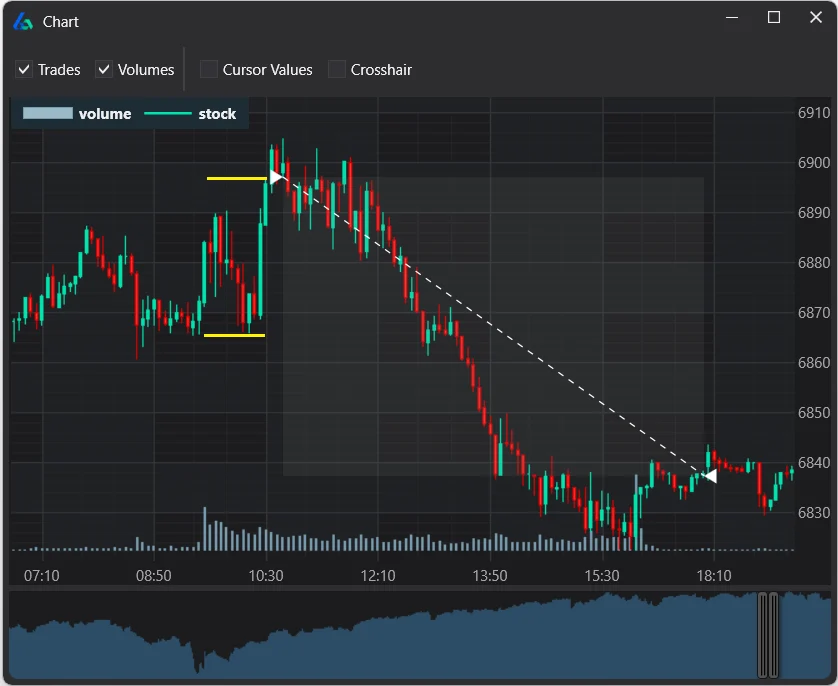
At its core, the Opening Range Breakout (ORB) strategy is a trading methodology that leverages the price action established within a defined early trading session. Typically, this initial period spans from the first 5 to 60 minutes after the market opens. The strategy identifies potential breakout opportunities by monitoring the high and low prices achieved during this formation period. Traders initiate positions when the market price decisively breaks above the Opening Range High (ORH) or below the Opening Range Low (ORL), aiming to capitalize on the directional momentum that often solidifies at the market’s commencement.
The ORH and ORL are not merely price points; they evolve into crucial reference levels that guide trading decisions for the remainder of the trading session. These levels function dynamically as support, resistance, entry triggers, stop-loss placements, and even potential profit targets, all derived from a singular observation made during the early trading hours. This inherent simplicity, coupled with its reliance on fundamental market dynamics, underpins the enduring appeal of the ORB strategy.
Quick Summary of the Opening Range Breakout Strategy
- Core Concept: Trade breakouts above the Opening Range High (ORH) or below the Opening Range Low (ORL).
- Timeframe: Typically uses the first 5-60 minutes of the trading session to define the range.
- Key Levels: ORH and ORL serve as critical support, resistance, and entry/exit points.
- Objective: Capture directional momentum established at the market open.
The Mechanics of the Opening Range Breakout Strategy
The implementation of an ORB strategy follows a straightforward, sequential process designed to capture initial market direction:
- Define the Range: The first step involves meticulously recording the highest and lowest price points achieved during a predetermined number of minutes at the session’s open. For instance, a 30-minute window is a commonly employed period. This establishes the initial trading boundaries.
- Observe and Wait: Patience is paramount. Traders must allow the entire defined opening range to form completely. Premature entries based on tentative price movements within the range are a common source of losses and are actively avoided.
- Execute the Breakout Entry: The actual trade is initiated when the market price decisively breaches either the ORH or the ORL. A buy order is placed when the price breaks above the ORH, signaling bullish momentum, while a sell order is placed when the price falls below the ORL, indicating bearish sentiment.
- Manage the Trade: Once a position is entered, rigorous trade management is essential. Stop-loss orders are typically placed either just inside the opening range or are determined by volatility-based measures. Profit targets can be set at specific levels, the trade can be trailed to lock in gains, or positions can be exited at the end of the trading session, depending on the strategy’s design.
The opening range, therefore, crystallizes two pivotal levels that dictate trading activity throughout the session. These levels serve as the bedrock upon which subsequent trading decisions are built, offering a clear framework for tactical execution.
The Rationale Behind Opening Range Breakout Efficacy
The persistent effectiveness of Opening Range Breakout strategies is rooted not in mere pattern recognition but in fundamental structural behaviors inherent to financial markets:
- Institutional Order Flow: The market open is a critical juncture where large institutional orders are executed. These orders, often stemming from overnight decisions, inject significant directional pressure. Once this initial pressure is established, it frequently persists throughout the trading day, providing a sustained trend for ORB strategies to exploit. For example, large asset managers may rebalance portfolios or execute large block trades immediately after the opening bell, setting a tone for the session.
- Volatility Expansion: The first hour of trading characteristically exhibits the highest levels of volatility. The opening range effectively captures this initial compression of price movement. A breakout from this range signifies a release of this stored energy, often leading to rapid and significant price swings that can be profitable for well-positioned traders. Studies by financial institutions have consistently shown a spike in trading volume and price range expansion in the first 60 minutes across major asset classes.
- Price Discovery: The opening period is when overnight positioning collides with newly released information and economic data. The opening range represents the market’s initial consensus on the fair value of an asset after the preceding period of inactivity. A break from this consensus signals a renewed directional conviction among market participants, providing a clear signal for trend continuation. For instance, a significant economic report released overnight can dramatically shift the initial consensus, leading to a pronounced opening range and a subsequent breakout.
- Liquidity Concentration: Trading volume typically peaks around the market open. Breakouts that occur when liquidity is high are generally considered more significant and reliable than those that transpire on thinner volume later in the session. This heightened liquidity ensures that trades can be executed efficiently without significant slippage, reinforcing the validity of the breakout signal. Analyzing volume profiles of major exchanges often reveals a distinct spike in trading activity in the first hour.
Four Distinct Opening Range Breakout Trade Setups
While the basic ORB is foundational, seasoned traders employ several nuanced setups to enhance their trading efficacy. These four distinct approaches illustrate how price can interact with the opening range levels to create varied trading opportunities:
Setup 1: The Classic Clean Breakout Above ORH
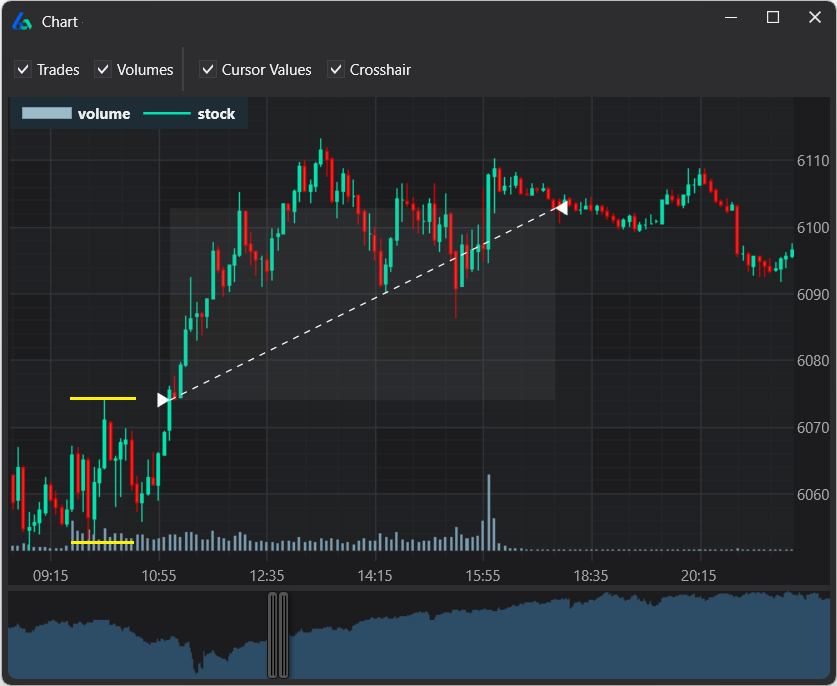
This is the quintessential ORB trade. It occurs when price breaks decisively above the Opening Range High and continues to move higher without significant retracement. The entry is triggered on the breakout itself. The stop-loss is typically placed just below the ORH or, more conservatively, at the ORL. The exit strategy often involves holding the position until the end of the day (EOD) or the end of the trading session to capture the full directional move. This setup is favored for its simplicity and direct capture of momentum.
Setup 2: Fading the False Breakout
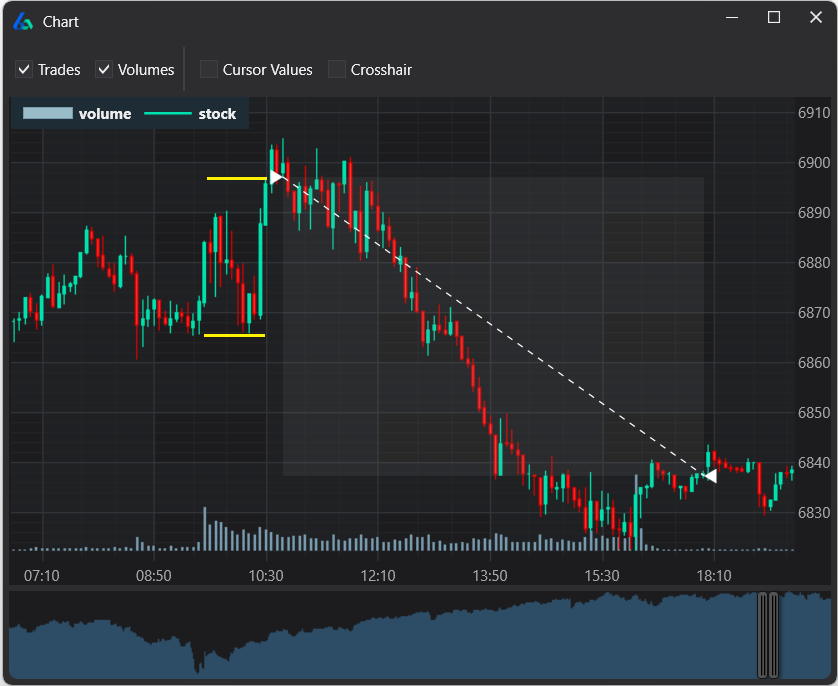
Conversely, a false breakout occurs when price initially breaches the ORH but then rapidly reverses and falls back below it. Instead of chasing the initial breakout, this setup capitalizes on the reversal. Traders initiate a short position when the price retreats back inside the range after the failed upside breakout. The rationale is that the trapped buyers who entered on the false breakout will become sellers, adding to the downward momentum. This strategy requires keen observation and a quick reaction to price reversals.
Setup 3: The Retest and Limit Entry
Considered by many to be the highest probability ORB setup, this strategy involves price first breaking above the ORH and moving higher. Subsequently, the price pulls back to retest the ORH, which now acts as a support level. Entries are taken via a limit order placed at the ORH. This confirmation of the breakout level as new support significantly increases the confidence in the trade. The stop-loss is placed below the retest level, and the target is to ride the continuation of the upward move.
Setup 4: Entry at Opposite Range Support
This setup is employed when the price action is range-bound or hesitant within the opening range itself. In this scenario, the price may pull back all the way to the ORL, which then acts as a support level. A long position is initiated at the ORL, with a stop-loss placed just below this level. The profit target would typically be the ORH or potentially higher, aiming to capture a bounce off the lower end of the initial range. This setup is effective in markets that exhibit less immediate directional conviction at the open.
Video Walkthroughs and Demonstrations
To further illustrate the practical application of ORB strategies, several video resources are available. A 5-minute Opening Range Breakout strategy walkthrough demonstrates the entire process of building, testing, and validating such a system within a specialized algorithmic trading platform. This includes signal selection, robustness testing, and code export, offering a comprehensive view of the development cycle.
Additionally, a video on Opening Range Trading Strategies provides a deeper dive, showcasing five different applications of trading around the opening range. This resource also highlights how algorithmic platforms can rapidly improve upon basic ORB strategies through automated discovery and refinement, eliminating the need for manual coding. These visual aids are invaluable for traders seeking to understand the nuances and capabilities of ORB implementation.
Essential Trade Management: Exits, Limits, and Filters
The success of ORB strategies hinges not only on entry signals but also on disciplined trade management. This encompasses well-defined exit rules, limits on the number of trades, and the strategic use of filters:
Strategic Exit at Opposite Range Level
A common and effective exit strategy involves using the opposite end of the opening range as a profit target or stop-loss. For a long position initiated above ORH, the ORL can serve as a target. Alternatively, for risk management, the midpoint of the opening range can be used as a more conservative exit. This approach leverages the natural support and resistance characteristics of the opening range levels. However, the trade-off between conservatism and potential premature exits must be rigorously tested for each specific market and strategy.
Limiting Trades Per Day
To mitigate the impact of false breakouts and choppy market conditions, most ORB strategies benefit from a strict limit on the number of trades executed per session. Typically, allowing only one or two entries per day prevents the strategy from accumulating losses on multiple losing signals during volatile periods. Algorithmic trading platforms often provide functionality to set a maximum number of trades, integrating this crucial rule into the strategy’s core logic.
Forced End-of-Day Exit
Intraday strategies, by definition, should close all open positions before the trading session concludes. Holding ORB trades overnight introduces significant gap risk, as overnight price movements can drastically alter the intended outcome of an intraday strategy. Implementing a forced exit at a predetermined time, such as 15 minutes before the market close, ensures that the strategy remains purely intraday and avoids unforeseen overnight risks.
Opening Range Size Filters
The width of the opening range itself can be a critical factor. An excessively wide range can lead to poor risk-reward ratios, as the entry point is far from the stop-loss. Conversely, an extremely narrow range might indicate a lack of conviction and increase the likelihood of false breakouts. A popular filtering technique involves measuring the Opening Range relative to the Average True Range (OR / ATR). This metric normalizes the range size by recent volatility, allowing traders to focus on sessions where the opening range is sufficiently large to offer a viable trading opportunity or calm enough for a stable system to operate. Different OR / ATR ratios may suggest different trading styles within the ORB framework.
Key Variations of the Opening Range Breakout Strategy
The ORB strategy is not monolithic; it can be adapted and refined through various configurations to suit different market conditions and trading styles:
| Variation | Description | Best For |
|---|---|---|
| 5-Minute ORB | Utilizes a very short opening range (e.g., 5 minutes), resulting in tighter ranges and more frequent signals, but also increased noise. | Scalpers, highly liquid futures markets. |
| 30-Minute ORB | Employs a 30-minute opening range, offering a balance between signal frequency and stability. This is the most widely studied window. | General intraday trading across various assets. |
| 60-Minute ORB | Uses the first 60 minutes, often referred to as the "Initial Balance" in Market Profile terminology. This results in wider ranges, fewer signals, and potentially more stable trends. | Swing-oriented intraday traders. |
| Volatility-Filtered | Trades are only initiated if the Average True Range (ATR) exceeds a predefined threshold, ensuring trading occurs only in sufficiently volatile markets. | Avoiding choppy, low-volatility days. |
| Gap-Based ORB | Incorporates pre-market gaps (price differences between the previous close and current open) into the strategy, focusing on trades with an existing directional bias. | Capturing immediate directional momentum after a gap. |
| Volume-Confirmed | Requires a significant spike in trading volume at the time of the breakout to confirm its validity, helping to filter out less convincing moves. | Filtering out false breakouts with increased reliability. |
Common Mistakes to Avoid in ORB Trading
Despite its conceptual simplicity, the ORB strategy is prone to several common errors that can undermine its effectiveness:
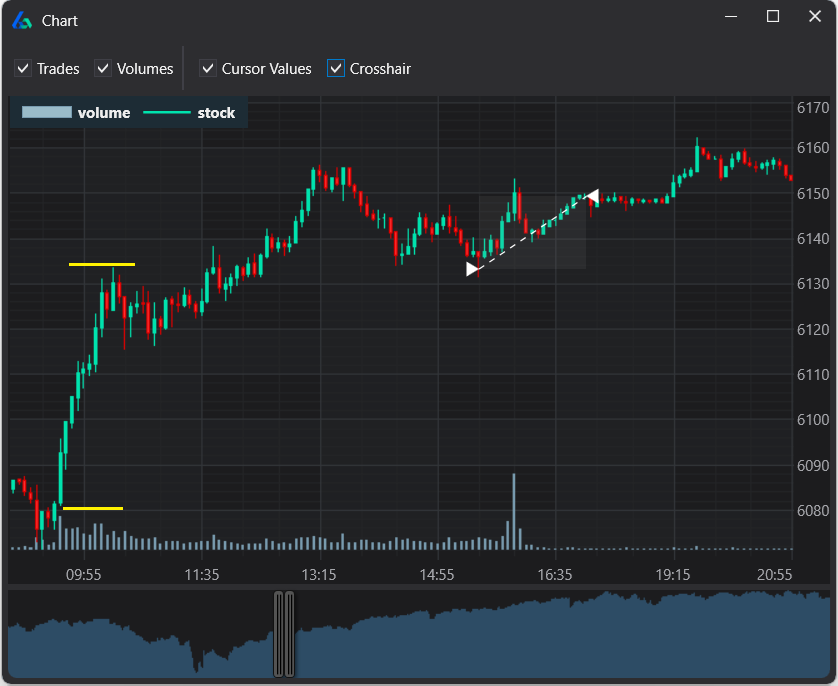
- Overfitting the Time Window: Systematically testing numerous opening range durations (e.g., 5, 7, 10, 15, 20, 25, 30 minutes) without rigorous validation significantly increases the risk of parameter mining. This process guarantees finding a time window that appears profitable in historical data but is unlikely to perform well in live trading. This is a classic example of curve fitting.
- Ignoring Market Regime: The ORB strategy behaves differently in trending versus mean-reverting markets. A strategy optimized for trending conditions may perform poorly during periods of consolidation or sideways movement, and vice versa. Understanding and potentially filtering for specific market regimes is critical for sustained success.
- Lack of Trade Limits: Executing every single breakout signal without imposing daily trade limits can transform a potentially profitable strategy into a noise-chasing machine, especially on volatile days. Limiting trades to one or two per day is a common and effective risk management technique.
Validating an Opening Range Breakout Strategy
To ensure an ORB strategy is robust and not merely a product of historical data fitting, it must undergo a series of stringent validation tests:
- Out-of-Sample Testing: Performance is evaluated on data sets that were not used during the strategy’s development or optimization phase. This confirms the strategy’s ability to generalize to unseen market conditions.
- Walk-Forward Analysis: This method tests the strategy’s stability across rolling windows of historical data, simulating how it would have performed if it were re-optimized periodically in live trading.
- Monte Carlo Simulation: This technique estimates the range of possible outcomes for the strategy, providing insights into its potential drawdown and overall performance variability.
- Noise Testing: The strategy’s resilience is assessed by observing how its performance changes with minor alterations to the input data, helping to identify sensitivity to random fluctuations.
- Vs. Random Benchmarking: This crucial test compares the ORB strategy’s performance against random entry and exit points to ensure that any observed edge is statistically significant and not simply due to luck.
A comprehensive approach incorporating these validation methods is essential for building trust in an ORB system’s future performance.
Why Most ORB Strategies Fail in Live Markets
The proliferation of seemingly profitable ORB strategies in backtests is often a deceptive outcome of the curve-fitting trap. The vast strategy search space, encompassing numerous time windows, stop-loss methodologies, and profit target configurations, statistically guarantees that some combinations will appear highly profitable purely by chance. Testing hundreds or thousands of variations without proper validation inflates the probability of finding such statistically anomalous results.
Understanding the distinction between strategy generation and optimization is paramount. The goal is to discover inherently robust ORB systems, not to meticulously tailor parameters to historical noise. The "Lying Backtests" case study is a stark illustration of this problem, where two strategies with identical historical performance diverged dramatically in forward testing, highlighting the critical difference between data mining and genuine predictive edge.
How Build Alpha Enhances ORB Development
Tools like Build Alpha are designed to revolutionize ORB strategy development by automating the entire research workflow. Instead of manually testing individual variations, these platforms facilitate:
- Automated Strategy Generation: The platform can generate thousands of unique trading strategies based on user-defined inputs and parameters in seconds.
- Integrated Robustness Testing: Built-in validation protocols, including out-of-sample testing, walk-forward analysis, and Monte Carlo simulations, are applied automatically to every generated strategy.
- No-Code Strategy Discovery: Traders can discover and refine ORB systems without writing a single line of code, democratizing access to sophisticated algorithmic trading.
This systematic approach transforms the development of ORB strategies from an intuitive idea into a statistically validated and proprietary trading system. Each discovered strategy is unique to the user and has undergone rigorous testing to enhance its potential for live market success.
Advanced ORB Optimization Techniques
Further enhancing ORB strategies can be achieved through advanced optimization techniques:
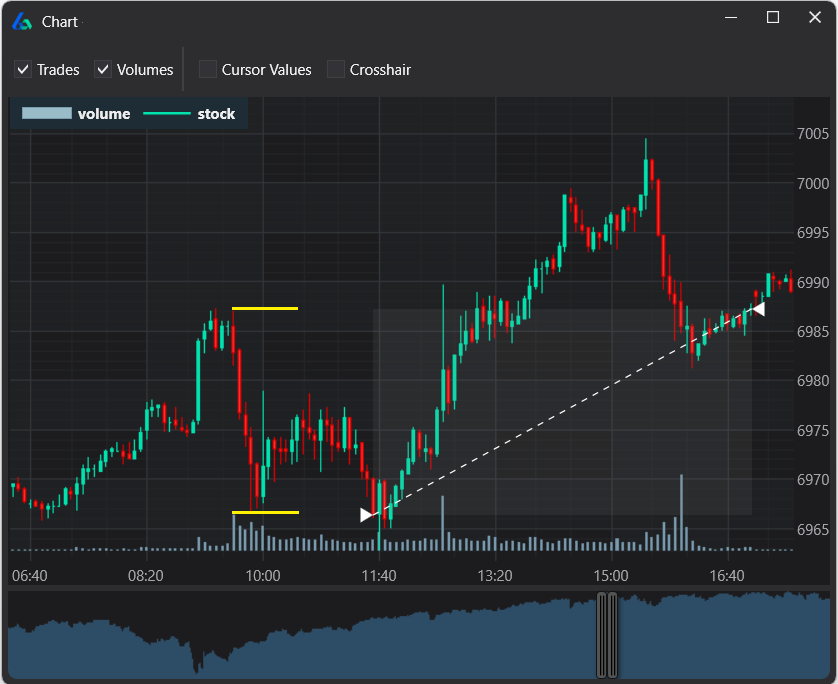
- Combining with Filters: ORB strategies can be significantly improved by integrating filters such as trend indicators (e.g., 200-day Moving Average), volatility thresholds (e.g., ATR levels), or even seasonal effects (e.g., day-of-week patterns). Build Alpha can automatically discover which filters most effectively complement ORB rules.
- Portfolio of ORBs: Building a diversified portfolio of multiple, uncorrelated ORB variations across different time windows, markets, or entry types can reduce overall portfolio drawdown and improve risk-adjusted returns.
- Cross-Market ORB Analysis: The behavior of ORB strategies can vary considerably across different asset classes, including futures, stocks, forex, and cryptocurrencies. Testing ORB on a diverse range of markets enhances stability and captures different structural market dynamics.
Frequently Asked Questions About ORB Trading
What is the best time frame for an Opening Range Breakout?
While the 30-minute opening range is a common benchmark, the optimal time frame is market-dependent and requires rigorous robustness testing. Arbitrarily testing numerous windows without validation often leads to overfitting.
Does the Opening Range Breakout work in all markets?
No. ORB strategies tend to perform best in volatile, trending environments, particularly in equity index futures and liquid stocks. They may underperform in range-bound or low-volatility markets. The use of regime filters can help adapt the strategy.
How do you avoid false breakouts in ORB trading?
Employing filters such as volume confirmation, volatility thresholds, and trend direction can improve reliability. The retest entry (Setup 3) is inherently designed to confirm the breakout level. Robust validation, including noise testing and random benchmarking, is also crucial.
Is the Opening Range Breakout still profitable today?
Yes, it can be profitable, but only when properly validated, avoiding overfitting, and integrated into a diversified trading portfolio. The edge lies not in the ORB concept itself but in the rigor of its testing and validation.
What is the difference between a clean breakout and a retest entry?
A clean breakout enters immediately upon price breaking the ORH. A retest entry waits for the price to break ORH, pull back to retest it as support, and then enters via a limit order, offering higher probability but fewer signals.
Should I hold ORB trades overnight?
No. ORB is an intraday strategy. All positions should be closed before the session ends to avoid gap risk, which the strategy is not designed to handle. A forced exit 15 minutes before the close is a standard practice.