EUR/USD Technical Outlook Points to Extended Bearish Momentum Amid Long-Term Trend Reversal Fears

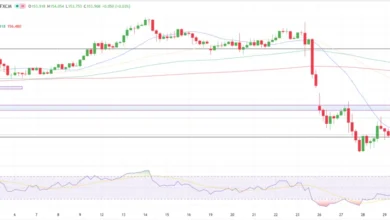
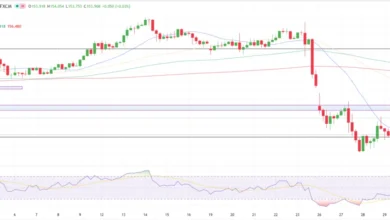
The euro continues to face sustained downward pressure against the US dollar, with technical indicators pointing toward further losses in the near term and a potentially profound structural shift in the multi-year foreign exchange landscape. Following a persistent downward trajectory over recent sessions, the currency pair remains pinned near critical technical junctures. Although short-term momentum indicators, such as the 4-hour Moving Average Convergence Divergence (MACD), reveal a slight loss of downward velocity, market analysts emphasize that there are currently no definitive signs of a market bottoming process taking shape.
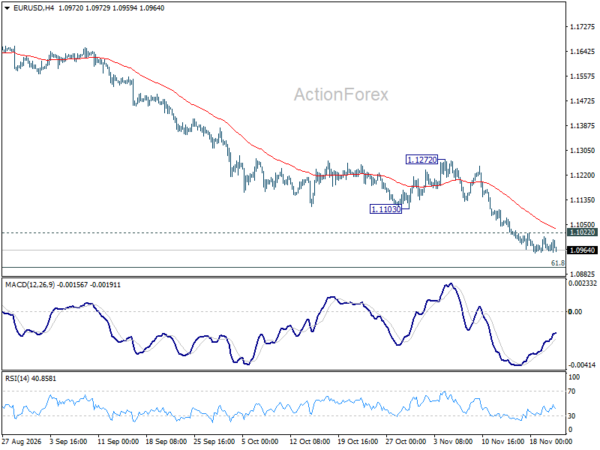
Foreign exchange strategists maintain a mildly bearish bias for the upcoming trading sessions, keeping a close eye on the 1.0904 Fibonacci retracement level as the primary near-term downside target. While minor resistance near the 1.1072 threshold could trigger temporary neutral consolidation if breached, the broader macroeconomic and technical outlook remains overwhelmingly tilted to the downside. As long as key resistance barriers remain intact, sellers are expected to dominate the currency pair’s price action.
Near-Term Technical Landscape and Key Price Levels
In the immediate term, market participants are closely monitoring specific price thresholds that dictate intraday and weekly trading strategies. The initial downside objective sits squarely at the 1.0904 mark, which corresponds to a significant Fibonacci retracement level derived from previous medium-term price swings. A failure of buyers to defend this zone could accelerate liquidation toward deeper historical supports.
Conversely, any corrective recovery attempt faces an immediate hurdle at the minor resistance level of 1.1072. A decisive move above this threshold would neutralize the immediate bearish bias, likely ushering in a period of range-bound consolidation. However, market technicians stress that any prospective recovery is strictly limited in scope. The overarching bearish outlook will remain firmly entrenched provided that the more robust resistance zone at 1.1272 holds against buying pressure. In the event of a more substantial technical rebound, the former support-turned-resistance level at 1.1323 acts as the ultimate ceiling for any corrective bullish wave, keeping overall downside risks active.
Medium-Term Retracement and the 2025 Low Reversal
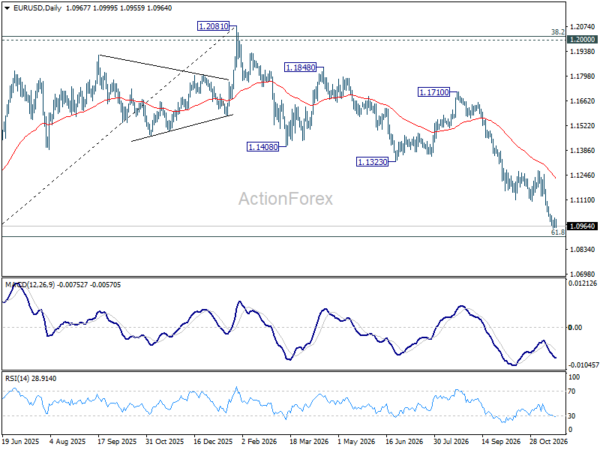
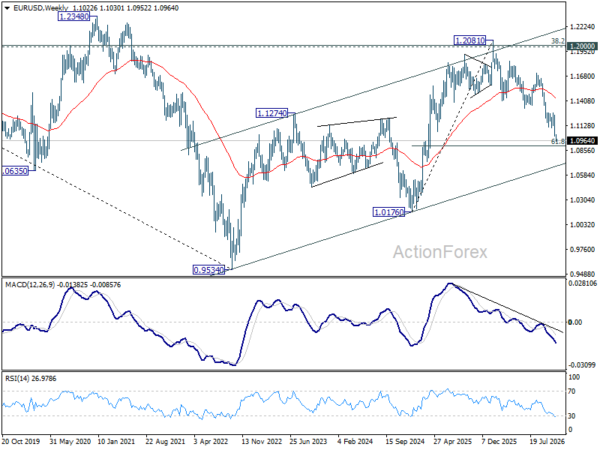
Stepping back to analyze the medium-term market structure, recent technical developments indicate that the sharp decline from the 1.2081 medium-term peak is systematically reversing the preceding upward cycle. This rally originated from the 1.0176 low established in 2025, and potentially extends its roots even further back to the historic 0.9534 low recorded during the energy and geopolitical crises of 2022.
The unfolding price action suggests that the market is navigating a deeper corrective phase. Analysts calculate that a breach of the initial 1.0904 target—representing the 61.8% retracement of the entire move from the 1.0176 low to the 1.2081 high—would pave the way for an extended slide. A sustained breakdown beneath this critical Fibonacci marker would expose the major psychological and structural support located at the 2025 low of 1.0176. Throughout this medium-term descent, risk parameters remain heavily skewed toward further depreciation as long as the 1.1323 ceiling successfully repels upward corrections.
Long-Term Macroeconomic Context and Historical Trends
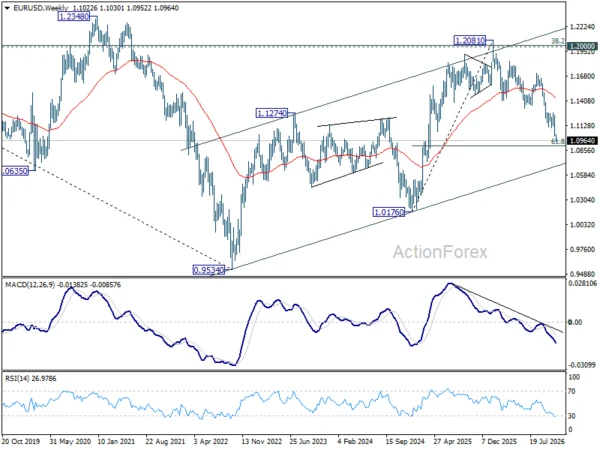
The macro-technical narrative for the EUR/USD pair extends far beyond recent weekly movements, touching upon multi-decade currency valuations and structural economic divergences between the Eurozone and the United States. A critical development in the long-term charts is the decisive break below the 55-month Exponential Moving Average (EMA), which currently hovers around the 1.243 region.
This decisive moving average violation strongly implies that the recovery wave starting from the 2022 low of 0.9534 has fully completed its lifecycle as a three-wave corrective pattern, capping out at the 1.2081 peak. This top coincided closely with a major technical rejection at the 38.2% retracement of the massive historical decline from the 2008 high of 1.6039 down to the 0.9534 low, a zone that also intersects with the crucial 1.2000 psychological milestone.
By failing to sustain momentum above these significant long-term resistance barriers, the currency pair has reinforced the validity of the multi-decade downtrend originating from the pre-financial crisis era of 2008. Consequently, technical models suggest that a long-term breach of the foundational 0.9534 cyclical low remains a distinct possibility over a longer operational horizon, cementing the dollar’s structural dominance over the single European currency.
Chronology of Recent Price Movements
The current downward slide in the EUR/USD pair is the culmination of a gradual transition from bullish optimism to persistent macroeconomic caution. The chronology of this multi-year cycle highlights the shifting dynamics of global foreign exchange markets:
- 2008 Peak: The EUR/USD reaches an all-time high of 1.6039, driven by robust global growth and differing central bank monetary stances before the onset of the global financial crisis.
- 2022 Low: Following years of structural economic divergence and a severe European energy crisis, the pair plunges to a generational low of 0.9534, testing parity and sparking intense debate over the euro’s viability.
- 2025 Recovery Low: The currency establishes a higher cyclical low at 1.0176, sparking a corrective three-wave recovery phase that eventually attempts to build a sustainable base.
- Medium-Term Top: The recovery peaks at 1.2081, running directly into heavy resistance near the 38.2% long-term retracement level and the key 1.2000 psychological threshold.
- Recent Weeks: Downward momentum accelerates, breaking through the 55-month EMA and setting the stage for a retest of crucial Fibonacci supports near the 1.0904 region.
Broader Economic Implications and Market Impact
The persistent weakness in the single currency carries wide-ranging implications for international trade, corporate profitability, and central bank policymaking on both sides of the Atlantic. For the Eurozone, a depreciating euro historically acts as a double-edged sword. While it provides a welcome competitive boost to the bloc’s export-driven manufacturing sectors—particularly in economies like Germany—it simultaneously exacerbates imported inflation by raising the costs of dollar-denominated commodities, most notably crude oil and industrial raw materials.
Conversely, the relative strength of the US dollar presents distinct challenges for American multinational corporations facing translation headwinds on overseas earnings, even as it helps domestic monetary authorities in their ongoing battle to anchor consumer price pressures. Foreign exchange strategists note that institutional investors are increasingly repositioning their portfolios to account for a prolonged period of dollar outperformance, driven by persistent interest rate differentials and structural growth disparities between the United States and the Eurozone economies.
As the EUR/USD pair navigates these treacherous technical waters, market participants will continue to monitor incoming macroeconomic data releases, central bank forward guidance, and geopolitical developments for any catalysts that might invalidate the prevailing bearish outlook or accelerate the slide toward historical support zones.