The Crisis of Frugality and Inertia Why Wealthy Elderly Populations Face Increasing Health Risks from Heat and Domestic Neglect

The intersection of record-breaking global temperatures and a psychological phenomenon known as "activation energy" has created a burgeoning public health crisis among the world’s wealthiest demographic: the elderly. Recent data and domestic case studies suggest that even when retirees possess significant financial resources, a combination of physiological decline, deep-seated frugality, and mental inertia often prevents them from implementing life-saving home improvements. This paradox—where those with the most capital live in the most precarious conditions—has led to a surge in preventable heat-related deaths and domestic accidents across the United States and Europe.
The Escalating Toll of Global Heat on Aging Populations
According to the World Health Organization (WHO), heat stress has become the leading cause of climate-related death in the European Region, claiming more than 175,000 lives annually. Statistics indicate that approximately 85% to 90% of these fatalities occur among individuals over the age of 65. This vulnerability is rooted in the physiological reality of aging; the human body’s ability to thermoregulate—specifically through sweating and cardiovascular adjustment—diminishes significantly with age. Pre-existing conditions such as respiratory and heart disease are exacerbated by extreme temperatures, turning a poorly ventilated home into a potential death trap.
Despite these risks, there is a notable lag in the adoption of cooling technologies among seniors. In regions like Hawaii and Southern Europe, where summer temperatures frequently range between 83 and 90 degrees Fahrenheit with high humidity, many elderly residents continue to live without functional air conditioning. This occurs despite the fact that the 65-and-older demographic remains the wealthiest in many developed nations, holding the majority of home equity and retirement savings.
The Psychology of Inertia and Activation Energy
The primary barrier to safety and comfort for the elderly is rarely financial; rather, it is a deficit of "activation energy." In physics and chemistry, activation energy is the minimum energy required to initiate a reaction. In a geriatric context, this translates to the mental and physical effort required to research a service, vet a contractor, schedule an appointment, and supervise a home repair.

For a younger homeowner, fixing a leaking pipe or replacing a broken air conditioner is an administrative annoyance. For an individual in their 80s, each step of the process represents a significant cognitive and physical hurdle. This leads to a state of "adaptation," where seniors gradually grow accustomed to deteriorating conditions. A blurry television, a leaking ceiling, or a non-functional car air conditioner becomes "background noise." When the discomfort is paid in small, daily installments, the individual often chooses the path of least resistance: doing nothing.
Case Study: The Cost-Effectiveness of Comfort Interventions
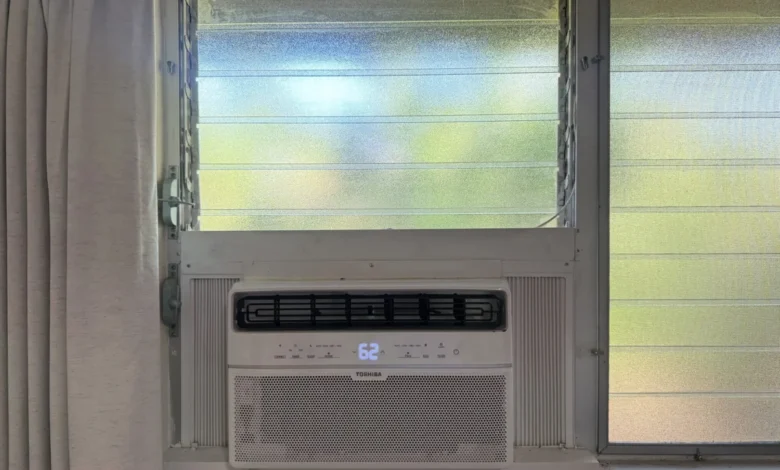
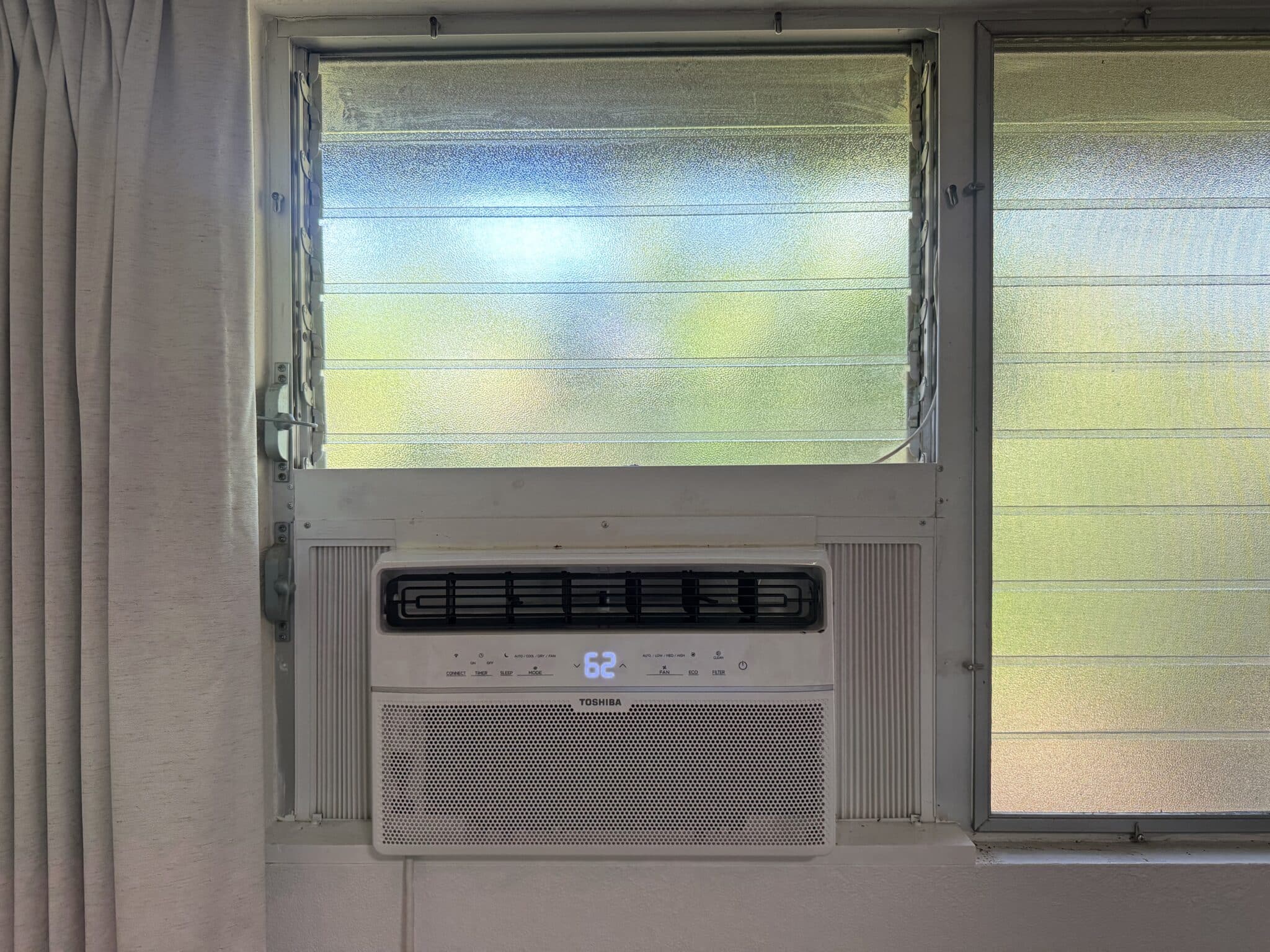
Recent observations in Honolulu, Hawaii, illustrate the disparity between the low cost of intervention and the high risk of neglect. In one instance, a 42-year-old through-the-wall air conditioning unit had become non-functional, rendering a residence essentially uninhabitable during the humid summer months. The total cost to replace the unit and install an additional one in a secondary bedroom was approximately $500 per room, including labor.
The financial breakdown—$260 for the hardware and $250 for professional installation—represents a negligible fraction of the average retiree’s net worth. Yet, the intervention required an external agent (in this case, an adult child) to provide the activation energy. Without that external push, the occupants were prepared to endure temperatures exceeding 90 degrees, a decision that significantly increased the risk of heat stroke and cardiovascular distress.
This pattern extends to automotive safety as well. Observations of elderly drivers operating vehicles that are 25 to 30 years old reveal a dangerous trend. In many cases, these vehicles lack modern safety features such as backup cameras, Bluetooth connectivity, and—critically—functional climate control. A 15-minute drive in a vehicle where the cabin temperature exceeds 100 degrees can lead to cognitive impairment or fainting, posing a risk not only to the driver but to the general public.
Chronology of Neglect: The Gene Hackman Case
The dangers of domestic inertia and the "frugality trap" reached a tragic zenith in 2025 with the deaths of Academy Award-winning actor Gene Hackman and his wife, Betsy Arakawa. Despite a reported net worth of $80 million, the couple was found deceased in their Santa Fe home after having been undiscovered for over a week.
The timeline of the tragedy highlights the breakdown of domestic maintenance:
- Initial Decline: Over several years, the property fell into disrepair, with investigators later finding extensive rodent infestations in outbuildings and vehicles.
- The Infection: Betsy Arakawa contracted hantavirus pulmonary syndrome, a rare but fatal disease spread by rodent droppings.
- The Aftermath: Hackman, 95, who was suffering from advanced Alzheimer’s, lived alongside his wife’s body for several days before his own heart failed.
The Hackman case serves as a stark reminder that wealth does not automatically translate to a safe living environment. The "activation energy" required to hire pest control, cleaners, and caretakers was absent, leading to a fatal outcome that was entirely preventable with a fraction of the couple’s resources.
The Role of Family Caregivers and the "Sandwich Generation"
As the global population ages—a phenomenon often referred to as the "Silver Tsunami"—the responsibility for breaking the cycle of elderly inertia falls increasingly on adult children. Experts suggest that "check-ins" must evolve from simple phone calls to active observations.
Professional recommendations for family members include:
- Extended Observation: Short visits often only reveal a "highlight reel" of a senior’s life. Longer stays (two to four weeks) are necessary to identify broken appliances, expired food, or structural issues like leaking pipes.
- Autonomous Intervention: Adult children are encouraged to fix small issues without seeking "committee approval" from their parents. Identifying a problem and immediately hiring a professional bypasses the senior’s hesitation.
- Logistical Absorption: The most effective way to help is to absorb the logistics. Rather than giving a parent a phone number for a mechanic, the child should schedule the appointment and facilitate the transport.
- Gradual Introduction of Technology: Services like grocery delivery and ride-sharing apps can reduce the physical burden on seniors, but they often require an initial "onboarding" phase led by a younger family member.
Broader Implications and Economic Analysis
The failure to invest in "comfort and safety" has broader economic consequences. Heat-related hospitalizations place an immense strain on public healthcare systems. In the United States, the cost of treating heat-related illnesses and the resulting loss in productivity is estimated to be in the billions of dollars annually.

Furthermore, the "frugality mindset" common among the Depression-era and early Boomer generations can lead to a dangerous form of lifestyle deflation. While frugality is often lauded as a virtue that builds wealth, in the terminal stages of life, it can become a liability. Financial advisors are increasingly focusing on "decumulation" strategies—encouraging clients to spend their savings on services that enhance safety, health, and quality of life rather than hoarding capital that they can no longer utilize.
Conclusion: The Vital Importance of External Perspective
The disconnect between an elderly individual’s perceived resilience and their actual physical vulnerability is a growing concern for health officials. As climate change increases the frequency and intensity of heatwaves, the "frugality trap" becomes more lethal.
Protecting the aging population requires more than just financial security; it requires a proactive social and familial infrastructure that provides the "activation energy" seniors lack. Whether it is an $80 freon recharge for a car or a $500 air conditioning unit for a bedroom, these small costs are the only defense against catastrophic risks. The ultimate utility of wealth in old age is not the balance in a bank account, but the ability to purchase the safety and intervention necessary to prolong life and maintain dignity.
As the WHO and other global health organizations continue to monitor heat-related mortality, the message remains clear: the most dangerous room in a heatwave is the one where the occupant has the means to fix the problem but lacks the momentum to do so.