The Environmental Fallout of the Strait of Hormuz Standoff and the Iran War

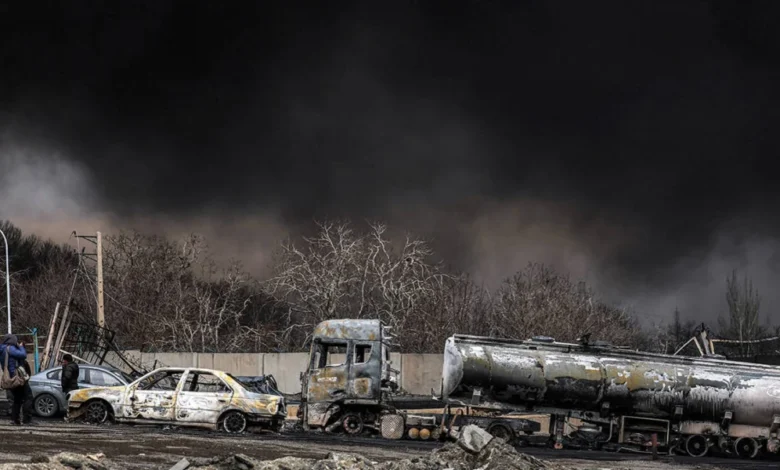
RIO DE JANEIRO — Six months into the devastating conflict involving Iran, the persistent military standoff in the Strait of Hormuz continues to send violent shockwaves through the global economy. International energy traders, shipping conglomerates, and national governments remain on high alert for further escalation, while households and manufacturing sectors worldwide endure soaring fuel costs and genuine fears of widespread energy scarcity. Yet, beyond the immediate economic disruption and geopolitical posturing, this protracted conflict is exacting a profound, albeit less immediately visible, environmental toll. By forcing a global pivot back toward carbon-intensive fossil fuels like coal and driving rapid expansions in biofuel production, the war is accelerating deforestation, inflating global carbon dioxide emissions, and severely undermining multilateral cooperation on climate change. Crucially, unlike volatile oil prices that eventually stabilize, these ecological costs will inflict long-lasting damage that endures long after the final shots are fired.
Geopolitical Origins and the Anatomy of the Hormuz Blockade
The crisis traces its roots to escalating tensions in the Middle East that boiled over into open warfare, rapidly militarizing one of the world’s most crucial maritime chokepoints. The Strait of Hormuz—a narrow waterway connecting the Persian Gulf with the Gulf of Oman—normally handles roughly one-fifth of the world’s petroleum consumption, serving as the literal artery for oil exports from Saudi Arabia, the United Arab Emirates, Kuwait, Iraq, and Iran itself.
When military hostilities erupted and subsequently locked the strait into a semi-permanent zone of conflict, commercial shipping ground to an abrupt halt. Maritime insurers canceled coverage for vessels transiting the Persian Gulf, and naval blockades established by warring factions effectively severed the flow of crude oil and liquefied natural gas (LNG). Overnight, millions of barrels of daily petroleum production were stranded, forcing importing nations—particularly in energy-dependent Asia and Europe—into a desperate scramble to secure alternative energy sources to avert domestic economic collapse.
Chronology of the Six-Month Crisis
The unfolding crisis can be mapped across distinct phases over the past half-year:
- Month 1 (Pre-Conflict to Outbreak): Diplomatic channels collapse following a series of regional escalations. Military engagements in the Persian Gulf escalate rapidly, culminating in the formal closure and de facto blockade of the Strait of Hormuz by hostile naval maneuvers and active combat zones.
- Months 2 to 3 (Immediate Market Shock): Brent crude prices spike by over 60 percent within weeks. Global equity markets tumble as supply chains fracture. Importing nations begin emergency releases from strategic petroleum reserves while frantically seeking non-Middle Eastern suppliers.
- Months 4 to 5 (The Pivot to Alternative Fuels): As emergency stockpiles dwindle and liquefied natural gas prices hit unprecedented highs, governments in Europe and Asia authorize emergency exemptions for coal-fired power plants. Simultaneously, agricultural ministries pivot grain and land use toward industrial biofuel production to substitute for liquid hydrocarbons.
- Month 6 (Current State): The stalemate solidifies. Environmental monitoring agencies begin recording significant spikes in global carbon dioxide emissions. Deforestation rates in key agricultural regions accelerate to feed the surging demand for bio-feedstocks, while upcoming international climate summits face paralysis due to fractured geopolitical trust.
Quantitative Realities: Data and Market Impacts
The quantitative fallout of the Hormuz blockade extends far beyond standard economic inflation. According to preliminary data from global energy watchdogs, the sudden constriction of Middle Eastern oil and gas supplies forced a 14 percent global increase in coal-fired electricity generation during the second and third quarters of the conflict.
To replace missing petroleum imports, several major economies reopened decommissioned coal plants or extended the operational lifespans of facilities slated for retirement. This single policy shift added an estimated 420 million metric tons of carbon dioxide equivalent to the global atmosphere within a mere 180-day window.
Simultaneously, the agricultural sector experienced a massive demand shock. With crude oil hovering at historically elevated price levels, state-backed incentives for biofuels—such as ethanol and biodiesel—surged. Commodity analysts report a 22 percent diversion of arable land previously dedicated to food crops toward energy crops, particularly in South America and Southeast Asia. This sudden reallocation of land use has not only driven global food price inflation but has also catalyzed aggressive deforestation. In regions like the Amazon and the Indonesian archipelago, pristine forest canopy is being cleared at an alarming rate to establish new plantations for biofuel feedstock, destroying vital carbon sinks and threatening regional biodiversity.
Official Responses and Diplomatic Stalemate
Governments caught in the energy crunch have defended their emergency measures as matters of acute national security. Representatives from several import-dependent industrialized nations stated that preventing widespread blackouts, industrial shutdowns, and social unrest necessitated the temporary suspension of carbon-reduction targets. Energy ministers have argued that long-term climate goals are unattainable if current economic stability collapses under the weight of an energy depression.
Conversely, international environmental bodies and climate scientists have sharply criticized these stopgap measures. In joint briefings, organizations monitoring global carbon budgets warned that the suspension of environmental safeguards creates a dangerous precedent. Developing nations, disproportionately vulnerable to climate change yet bearing little responsibility for the conflict, have voiced profound frustration. During recent preliminary climate dialogues, representatives from the Global South accused wealthy nations of double standards, noting that Western powers are quick to abandon their own net-zero pledges the moment geopolitical convenience dictates.
Furthermore, the war has severely fractured international cooperation. Climate diplomacy relies fundamentally on mutual trust, transparent data sharing, and collective ambition. With major powers divided over Middle Eastern alliances, economic sanctions, and security guarantees, collaborative frameworks under the United Nations Framework Convention on Climate Change (UNFCCC) have stalled. Joint research initiatives on green technologies have been paused, and financial pledges for climate adaptation funds for developing nations face significant shortfalls as national treasuries redirect funds toward defense and emergency energy subsidies.
Broader Implications and Long-Term Environmental Legacy
The environmental consequences of the Iran war extend well beyond temporary emissions spikes and immediate land-use changes; they threaten to structurally alter the trajectory of the global green transition.
First, the crisis has exposed the profound fragility of energy transitions that rely on traditional fossil-fuel infrastructure as a transitional bridge. When traditional chokepoints fail, the immediate fallback mechanism for modern industrial states remains deeply carbon-intensive. This reality has emboldened fossil fuel lobbyists and conservative political factions worldwide, who are utilizing the energy crisis to argue for a permanent rollback of environmental regulations, framing green energy policies as a national security vulnerability rather than an economic imperative.
Second, the accelerated deforestation driven by biofuel demand inflicts permanent damage on planetary boundaries. Forests and peatlands converted to agriculture release centuries of sequestered carbon into the atmosphere instantaneously. The loss of these ecosystems is irreversible on any human timescale, permanently diminishing the Earth’s capacity to absorb future emissions. Even when peace eventually returns to the Strait of Hormuz and petroleum flows resume, the newly established agricultural tracts and reopened coal supply chains will possess economic and bureaucratic momentum of their own, making a return to pre-war climate trajectories exceedingly difficult.
Ultimately, the six-month standoff in the Strait of Hormuz serves as a stark warning about the interconnected nature of modern security and planetary health. Regional conflicts are no longer isolated humanitarian or economic events; in an integrated global system, geopolitical violence instantly translates into ecological degradation. As governments grapple with the immediate imperatives of energy security, the quiet, compounding damage inflicted upon the global climate system ensures that the true price of the war in the Middle East will be paid by generations to come.
Related posts: