The Hidden Crisis of Elderly Inertia Why the Wealthiest Demographic Often Suffers Through Preventable Risks and Extreme Heat

A growing body of evidence suggests that one of the most significant ironies in modern personal finance is the disparity between the wealth of the elderly and their actual living conditions. Despite being the wealthiest demographic in many developed nations, a significant portion of the population over the age of 65 continues to live in environments that are uncomfortable, outdated, or even life-threatening. Recent reports from Honolulu to the European Union highlight a recurring theme: the primary obstacle to a safer, more comfortable life for seniors is not a lack of financial resources, but a phenomenon known as "activation energy" and the psychological adaptation to declining standards.
The Paradox of Wealth and Heat Vulnerability
While financial literacy and retirement planning are often focused on the accumulation of assets, the management of those assets to ensure physical safety remains a critical blind spot. This paradox is most visible during the summer months. According to the World Health Organization (WHO), heat-related stress has become the leading cause of climate-related death in the European region, claiming more than 175,000 lives annually. In Europe alone, approximately 60,000 people die from heat every summer.
The demographic most affected is consistently those aged 65 and older, who account for roughly 85% to 90% of these fatalities. Medical experts attribute this to "mind-body incongruency," where the aging body’s ability to thermoregulate—through sweating and cardiovascular adjustments—diminishes, even while the mind remains accustomed to previous levels of resilience. Despite having the savings to afford air conditioning—often a one-time cost of as little as $400 for a window unit and installation—many seniors opt to "tough it out," leading to tragic consequences.
Case Study: The Honolulu Experience and the Cost of Comfort
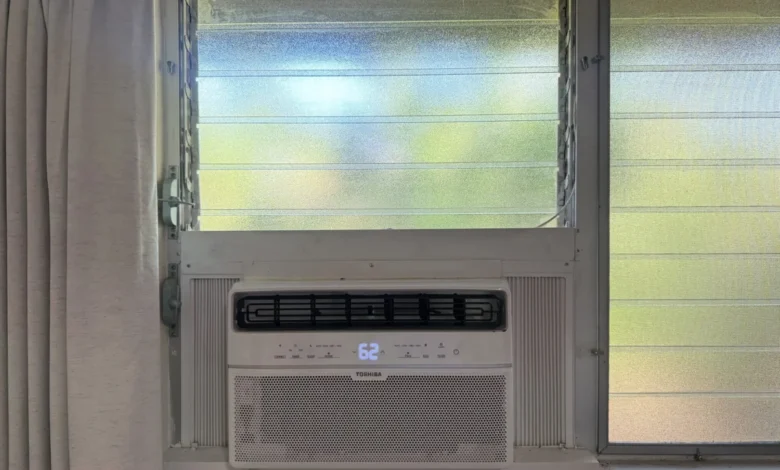
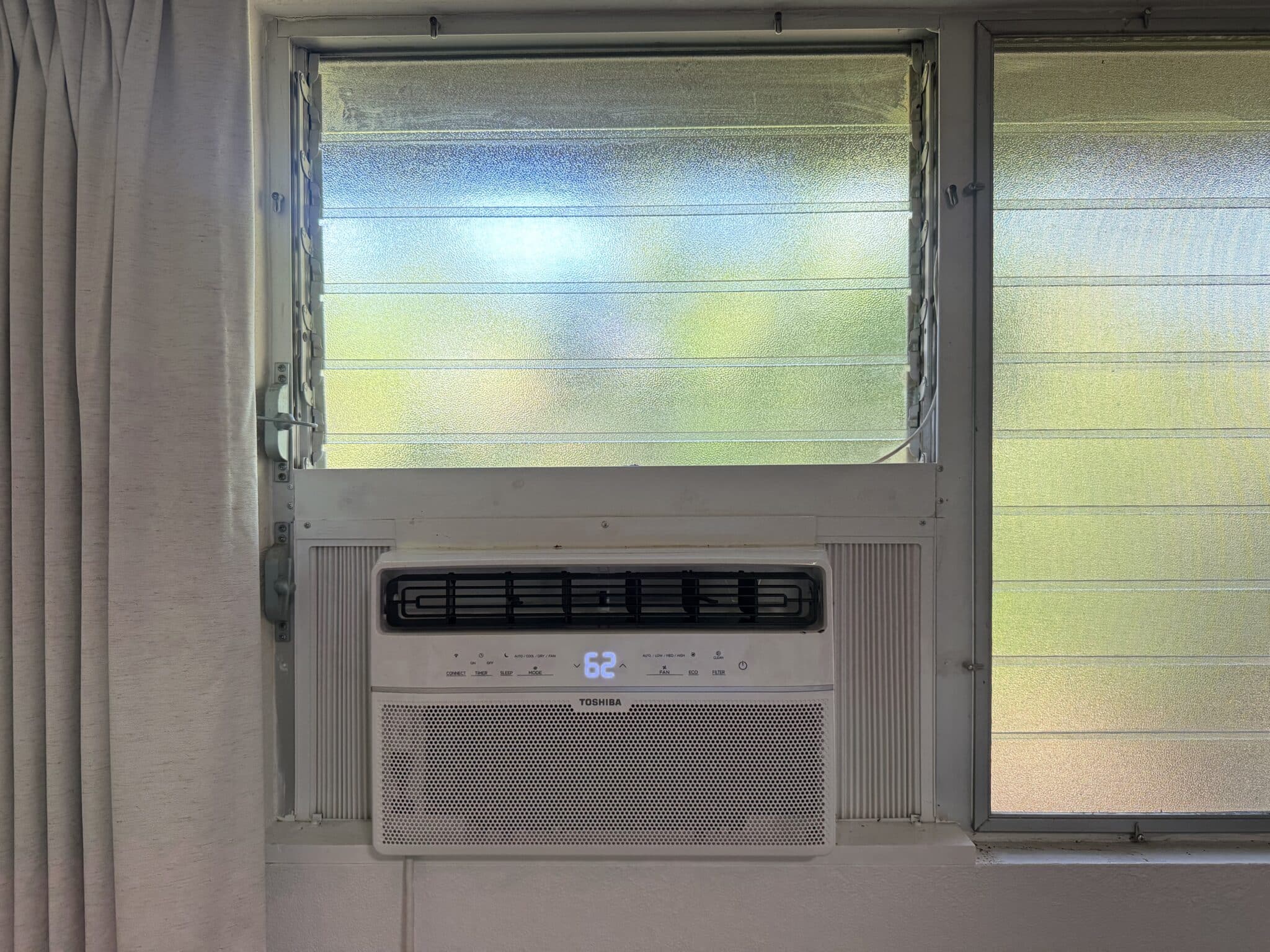
A recent analysis of elderly living conditions in Honolulu, Hawaii, illustrates how small financial outlays can mitigate significant health risks. In one instance, a two-bedroom in-law unit occupied by elderly residents was found to have a 42-year-old, non-functional through-the-wall air conditioning unit. During summers where temperatures consistently range between 83 and 90 degrees with high humidity, the lack of climate control creates a "sauna effect" that increases the risk of heatstroke and respiratory distress.

The resolution to this particular issue was remarkably cost-effective. A new unit was purchased for $250, and labor for installation cost approximately $150. By replacing the ancient unit and installing a second one in a previously uncooled bedroom, the living environment was transformed for a total investment of $400 per room. This intervention highlights a critical gap: the residents had the funds to fix the problem for years but lacked the "activation energy" to initiate the process.
The Role of Habituation and Sensory Decline
Psychologists suggest that "inertia" is a more powerful force than frugality in the lives of many retirees. This is often driven by habituation—the process by which the brain stops noticing persistent discomfort. In the Honolulu case, the elderly residents had also adapted to a 28-year-old vehicle with a broken air conditioning system and windows that would not roll down. In temperatures exceeding 88 degrees, cabin temperatures in such a vehicle can quickly surpass 100 degrees, creating a life-threatening "hot box" scenario.
Furthermore, sensory decline plays a role in this neglect. In another documented instance, elderly residents continued to watch a television with a severely distorted and "blurry" picture for over a year without realizing there was a problem. They had simply adapted to the declining quality. This adaptation extends to household maintenance; leaking pipes and rusted appliances often go ignored because the "activation energy" required to find a contractor, schedule a repair, and oversee the work feels like an insurmountable hurdle for those in their 80s or 90s.
Chronology of Neglect: From Minor Leaks to Catastrophic Risk
The transition from "admirable frugality" to "dangerous neglect" often follows a predictable timeline:
- Minor Inconveniences: A kitchen pipe begins to drip, or a car’s AC becomes slightly less effective. The senior adapts by placing a rag under the leak or driving with the windows down.
- Systemic Failure: The AC fails completely, or the leak causes structural rot. At this stage, the senior often declines offers of help, citing a desire for "familiarity" or a wish to "save money."
- Hazardous Adaptation: The senior begins to live in temperatures that are medically unsafe or in environments with poor air quality.
- Catastrophic Event: An external trigger, such as a heatwave or a minor accident, leads to a health crisis that the body can no longer withstand.
A tragic example of this progression occurred in 2025 in Santa Fe, New Mexico. Renowned actor Gene Hackman, 95, and his wife, Betsy Arakawa, were found deceased in their home. Despite Hackman’s reported net worth of $80 million, investigators found the property in a state of severe neglect, including rodent infestations. Arakawa reportedly died of hantavirus pulmonary syndrome—a disease spread by rodent droppings—while Hackman, suffering from advanced Alzheimer’s, passed away shortly after. This case serves as a stark reminder that wealth does not automatically translate to safety if the energy to manage that wealth is absent.
The "Activation Energy" Barrier
The primary barrier for the wealthy elderly is rarely the cost of a service, but the logistical effort required to procure it. For a person in their 40s, hiring a plumber or an AC technician is a routine administrative task. For an 81-year-old, the process involves several daunting steps:
- Researching and vetting a trustworthy service provider.
- Making phone calls and coordinating schedules.
- Managing the intrusion of a stranger into the home.
- Navigating potential disputes over billing or quality of work.
When doing nothing costs zero energy and the discomfort has become "background noise," the default choice is almost always inaction. This results in seniors paying for their frugality in "small installments of suffering" rather than a lump sum of effort.
Strategic Interventions for Adult Children and Caregivers
Experts in geriatric care emphasize that adult children must play an active role in breaking this cycle of inertia. Rather than acting as a "committee" that asks for permission, family members are encouraged to become the "activation energy" themselves.
1. Prolonged Observation: Short visits often only reveal a "highlight reel" of a senior’s life. Professionals recommend stays of at least one to four weeks to identify underlying issues like expired food, broken appliances, or poor climate control.
2. Direct Action Over Consultation: In many cases, it is more effective to simply hire the repairman or buy the appliance rather than asking the parent if they "want" it. Removing the burden of decision-making can be a relief to the elderly.
3. Gradual Introduction of Convenience: Introducing services like grocery delivery or ride-sharing apps can slowly reduce the physical and mental toll of daily chores, preserving the senior’s energy for more critical tasks.
4. Regular Check-in Rhythms: Establishing a daily or weekly communication schedule is the most effective way to prevent a "silent" crisis, such as a fall or a heat-related illness, from going unnoticed.
Broader Implications for Public Health and Policy
The phenomenon of "wealthy neglect" suggests that public health initiatives must look beyond financial assistance for the elderly. While subsidies for heating and cooling are vital for low-income seniors, the "inertia" problem requires a different approach. Community outreach programs that provide "logistical assistance"—helping seniors navigate the process of home repairs and safety upgrades—could potentially save thousands of lives during extreme weather events.

Furthermore, the automotive industry and home appliance manufacturers are increasingly looking at "smart" technologies that can self-diagnose failures and alert family members. A car that automatically notifies a designated contact when the interior temperature reaches dangerous levels, or a refrigerator that monitors its own internal temperature, could serve as a technological bridge for seniors who have lost the ability to monitor their own environments effectively.
Conclusion: The True Value of Wealth in Old Age
The ultimate purpose of wealth in retirement is to serve as a tool for safety, health, and dignity. When frugality begins to shorten a life or decrease its quality, the money has ceased to be an asset and has become a liability of inaction. As the global population ages and climate volatility increases, the ability of families to recognize and overcome "activation energy" barriers will become a defining factor in elderly longevity. Protecting a family often comes down to the "boring" costs—$80 for refrigerant, $400 for an AC unit, or the time taken for a weekly phone call—to remove risks that are, in the end, catastrophic.