The Meteoric Rise and Precipitous Fall of Nvidia: A Decade of Market Volatility and the Resilience of Retail Investors

Ten years ago, Nvidia was a specialized semiconductor manufacturer valued at approximately $50 billion, a significant player in the hardware space but largely defined by its dominance in the video gaming graphics processing unit (GPU) market. As the calendar turned to 2020, the company’s market capitalization had tripled to $150 billion. However, the subsequent five years witnessed an unprecedented ascent fueled by the global explosion of artificial intelligence, culminating in an October 2026 valuation that neared the $6 trillion mark. During this period, Nvidia’s weight within the S&P 500 surged from a modest 0.5% to over 8%, effectively positioning the company as the foundational architecture for the modern AI economy.
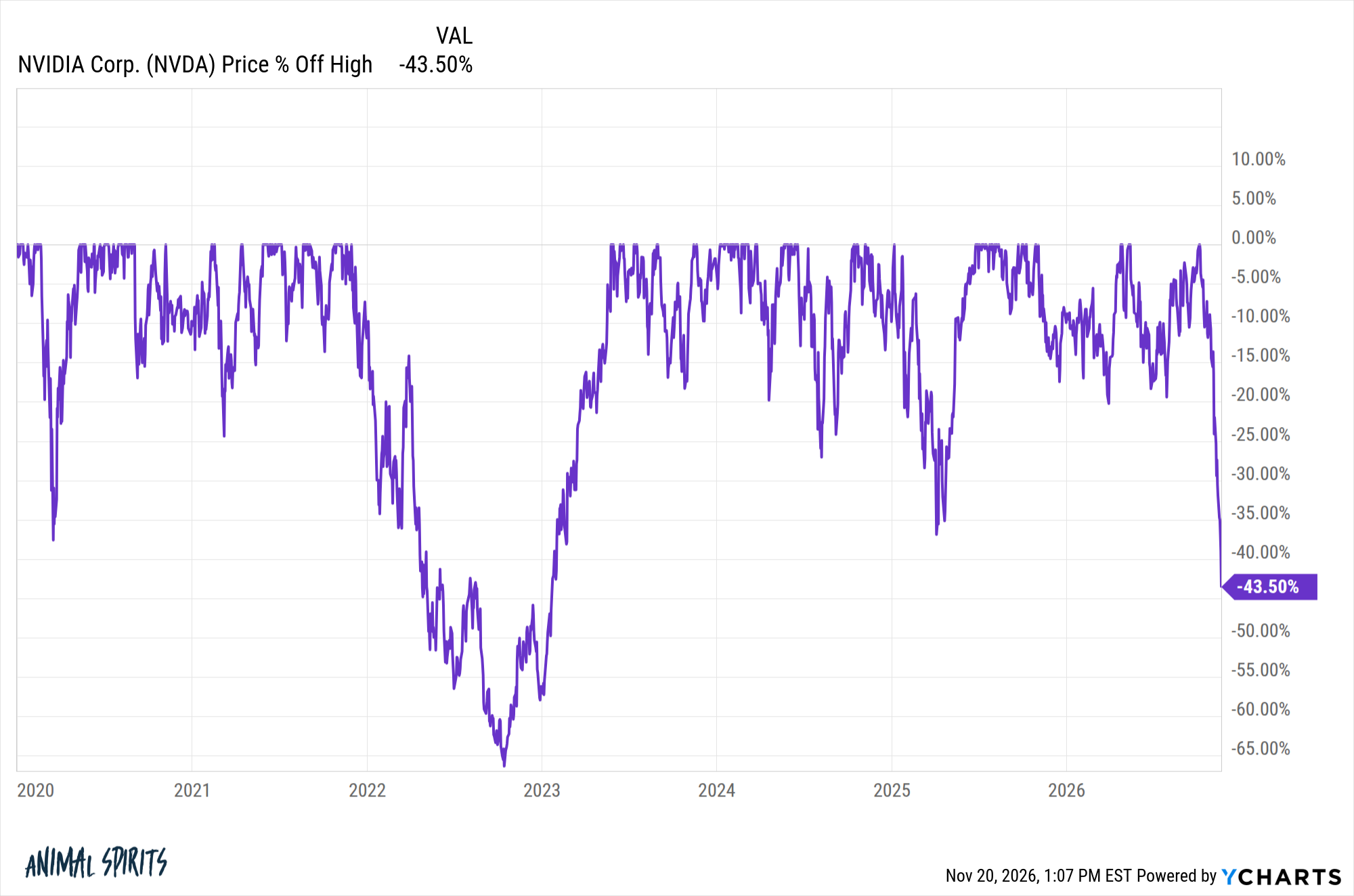
This historic trajectory, however, hit a significant inflection point in late 2026. Following the sudden resignation of CEO Jensen Huang amid a high-profile corporate scandal, Nvidia’s stock price suffered a sharp reversal, plummeting more than 40% from its October highs. The market reaction was swift, testing the resolve of a generation of investors who have become accustomed to the "buy the dip" philosophy that characterized the post-pandemic bull market.
A Chronology of Volatility: From Pandemic to Present
Nvidia’s journey to the $6 trillion milestone was not a linear progression but a series of explosive rallies interrupted by severe, albeit short-lived, drawdowns. Understanding the current crisis requires a look at the company’s history of resilience during market turbulence.
In early 2020, as the global economy shuttered due to the COVID-19 pandemic, Nvidia shares retreated by more than 35%. Yet, the subsequent pivot toward remote work and digital transformation catalyzed a rapid recovery. Two years later, during the 2022 bear market—a period defined by aggressive interest rate hikes by the Federal Reserve and cooling demand for consumer electronics—Nvidia saw its valuation contract by nearly 70%.
More recently, the "Liberation Day" sell-off triggered another 40% decline. In total, the current decade has seen Nvidia shares endure three distinct corrections exceeding 30%, alongside at least eight other double-digit pullbacks. Historically, these moments of extreme pessimism served as entry points for institutional and retail investors alike, with each preceding recovery driving the stock to new, record-breaking valuations.
The Retail Response: The "Buy the Dip" Mentality
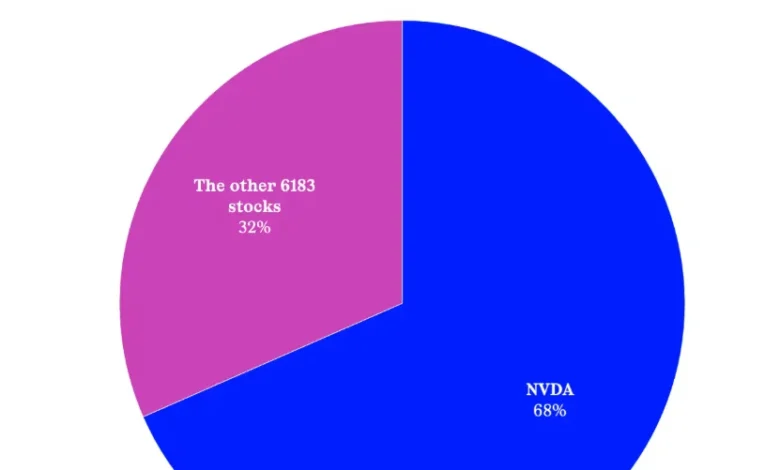
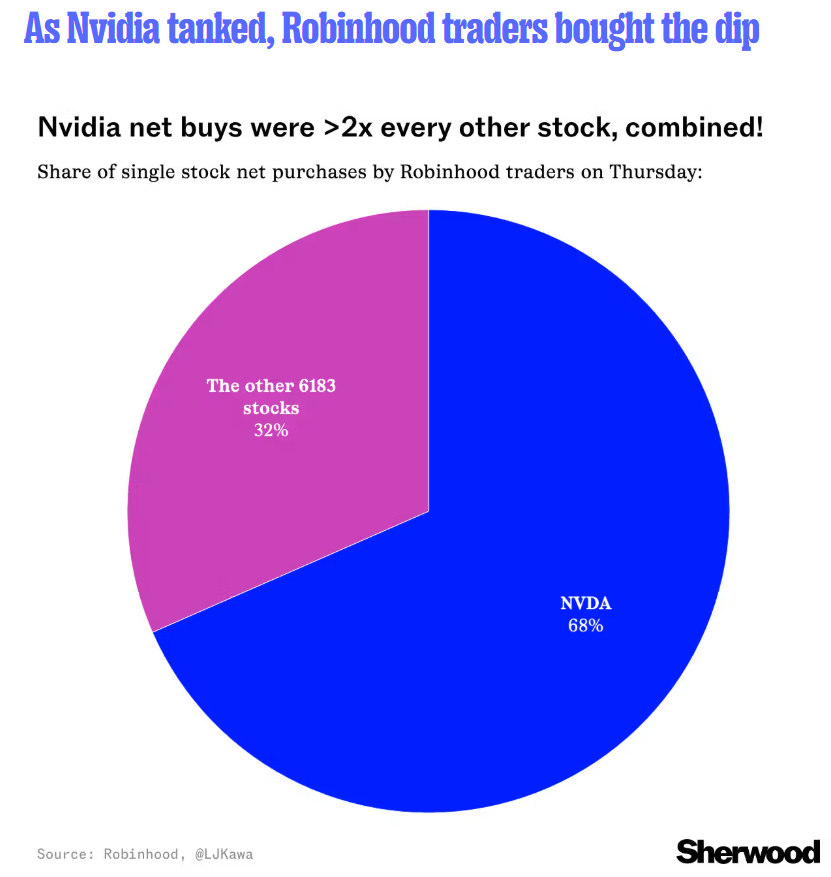
The immediate aftermath of CEO Jensen Huang’s resignation—which saw the stock shed 9% of its value in a single session—offered a unique case study in modern market psychology. Despite the gravity of the leadership transition and the underlying scandal, data from Vanda Research indicates an overwhelming surge in retail participation. Instead of fleeing the equity, individual investors flooded the market with buy orders, effectively attempting to capture what they perceived as a significant discount on a core technological asset.
This behavior reflects a profound shift in market culture. Where previous generations of investors might have viewed a leadership scandal and a 40% correction as a fundamental signal to liquidate, current market participants appear conditioned to treat volatility as a recurring feature rather than a terminal event. This "buy the dip" mentality is no longer a fringe strategy; it has become a standardized response to tech-sector corrections.
The Comparison to the Dot-Com Era
The current market climate shares several structural similarities with the late 1990s, particularly regarding retail investor optimism and the concentration of capital in high-growth technology stocks. During the dot-com bubble, the influx of new retail participants into the equity markets was unprecedented. More than half of all equity shareholders in 2002 had entered the market after 1990, with a full one-third of households initiating their investment journey during the peak of the bubble between 1995 and 2000.

However, historical records suggest that these investors were far more resilient than popular narrative often suggests. As documented in Maggie Mahar’s Bull: A History of the Boom and Bust, mutual fund redemptions remained remarkably low even as the Nasdaq 100 plummeted by more than 80%. Investors in the early 2000s largely held onto their positions, citing a belief in the long-term recovery of the market. It was not until the Great Financial Crisis (GFC) of 2008 that mass capitulation occurred. Household equity ownership, which had peaked at 63% in the mid-2000s, declined significantly to 52% by 2013, as the combination of a banking collapse, a housing crisis, and mass unemployment shattered investor confidence in a way that the dot-com crash did not.
Economic Context: The Determinant of Resilience
The primary difference between the resilience shown in the early 2000s and the exodus following the 2008 financial crisis lies in the health of the broader economy. The 2001 recession was relatively mild, characterized by a GDP contraction of only 0.3% and a short-lived spike in unemployment. In contrast, the GFC was a systemic catastrophe that impacted the household balance sheet directly through home foreclosures and a 5% drop in GDP.
For Nvidia and the broader technology sector, the question of whether investors will maintain their current "buy the dip" strategy depends heavily on the macroeconomic backdrop. If the current downturn remains a corporate-specific event decoupled from a wider economic recession, retail investors may continue to support the share price. However, should the downturn coincide with a rise in unemployment or a systemic contraction in consumer spending, the tolerance for risk is likely to evaporate, regardless of the company’s long-term growth prospects.
Implications and Future Outlook
The departure of Jensen Huang marks the end of an era for Nvidia. Whether the company transitions into a new phase of growth under fresh leadership, similar to the success stories of other mega-cap companies that underwent leadership changes, or whether it enters a period of structural stagnation, remains to be seen.
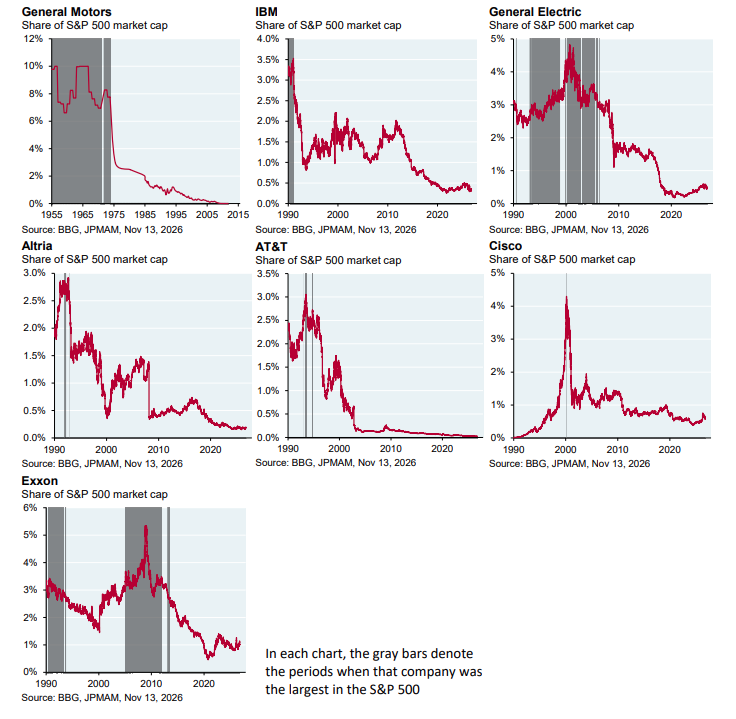
JP Morgan’s research on "Icarus" companies—mega-cap firms that failed to reclaim their previous market dominance—serves as a cautionary note for those assuming that a return to previous highs is an inevitability. While Nvidia’s influence on the AI sector is currently unrivaled, the history of the stock market is littered with dominant companies that eventually lost their competitive advantage.
As of November 2026, the market remains in a state of suspended anticipation. Retail investors continue to test the floor, betting that the fundamental drivers of AI adoption will outweigh the immediate volatility of the leadership transition. Yet, the lessons of history are clear: while technical corrections are often buying opportunities, the true test of investor conviction arrives only when the economic environment becomes hostile. For now, Nvidia remains the primary testing ground for the resilience of modern capital markets.