Today’s Talk Your Book is brought to you by Janus Henderson: An In-Depth Look at the Latest Market Dynamics and Financial Analysis

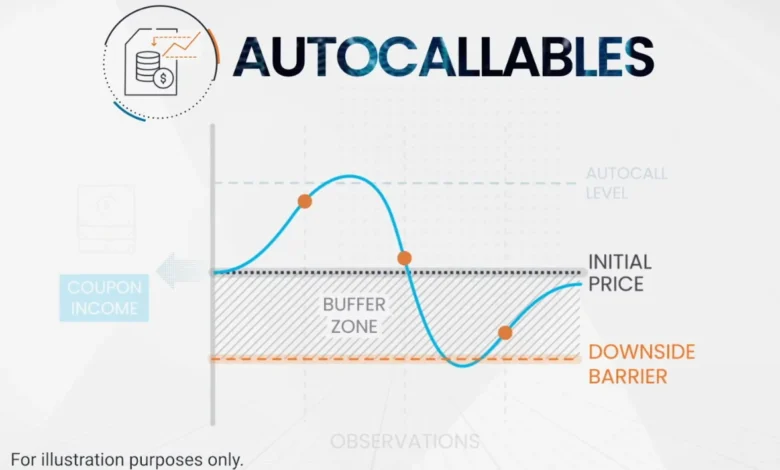
The September 28, 2026, installment of the Animal Spirits podcast, hosted by Ben Carlson, has turned its focus toward the complex interplay of macroeconomic indicators and shifting market sentiment. Sponsored by global asset manager Janus Henderson, the episode serves as a deep dive into the technical charts and fundamental data points currently shaping the investment landscape. As global markets navigate the complexities of late-2026 economic policy, the discussion emphasizes the importance of data-driven decision-making and the risks associated with speculative market behavior.
Market Context and Economic Backdrop
The financial environment in late September 2026 has been defined by a series of volatile adjustments following months of policy shifts from major central banks. Investors are currently weighing the impact of persistent, albeit cooling, inflation data against the backdrop of potential industrial stagnation in developed economies.
The Animal Spirits analysis highlights that market participants are increasingly looking beyond headline numbers, focusing instead on granular trends in corporate earnings and sector-specific performance. The charts presented in this week’s segment indicate a divergence in performance between technology-led growth stocks and value-oriented sectors, suggesting that capital allocation is becoming more selective as liquidity conditions tighten. This trend underscores a broader market shift: the era of "easy money" growth appears to have fully transitioned into a phase of fundamental scrutiny, where only companies with robust balance sheets and clear pathways to profitability are maintaining investor interest.
Chronology of Recent Market Events
To understand the current market position, one must look at the progression of the third quarter of 2026.
- Early July 2026: Markets began to price in a more hawkish stance from the Federal Reserve, as labor market data remained surprisingly resilient despite high interest rates.
- Mid-August 2026: A period of heightened volatility gripped the equity markets following a revision in manufacturing output reports, which signaled a slight contraction in heavy industrial production.
- Early September 2026: Stability returned as corporate leaders began providing more optimistic forward guidance, focusing on supply chain efficiencies and automation.
- Late September 2026: The current period is marked by the recalibration of portfolios in anticipation of the upcoming Q4 earnings season.
This timeline reveals a market in transition, moving from a phase of defensive posturing to one of cautious optimism. The data presented in the recent podcast episode aligns with this, illustrating that investors are currently utilizing technical support levels to anchor their positions amidst shifting macroeconomic tides.
Analytical Breakdown of Key Market Charts
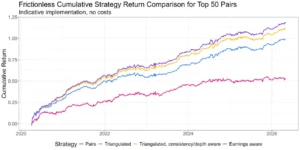
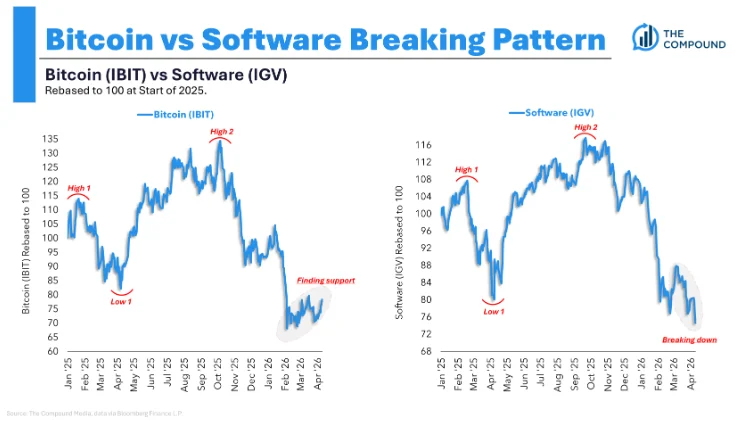
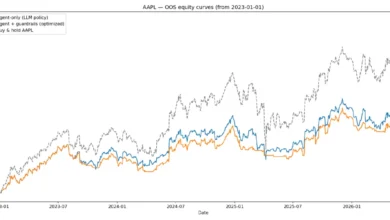
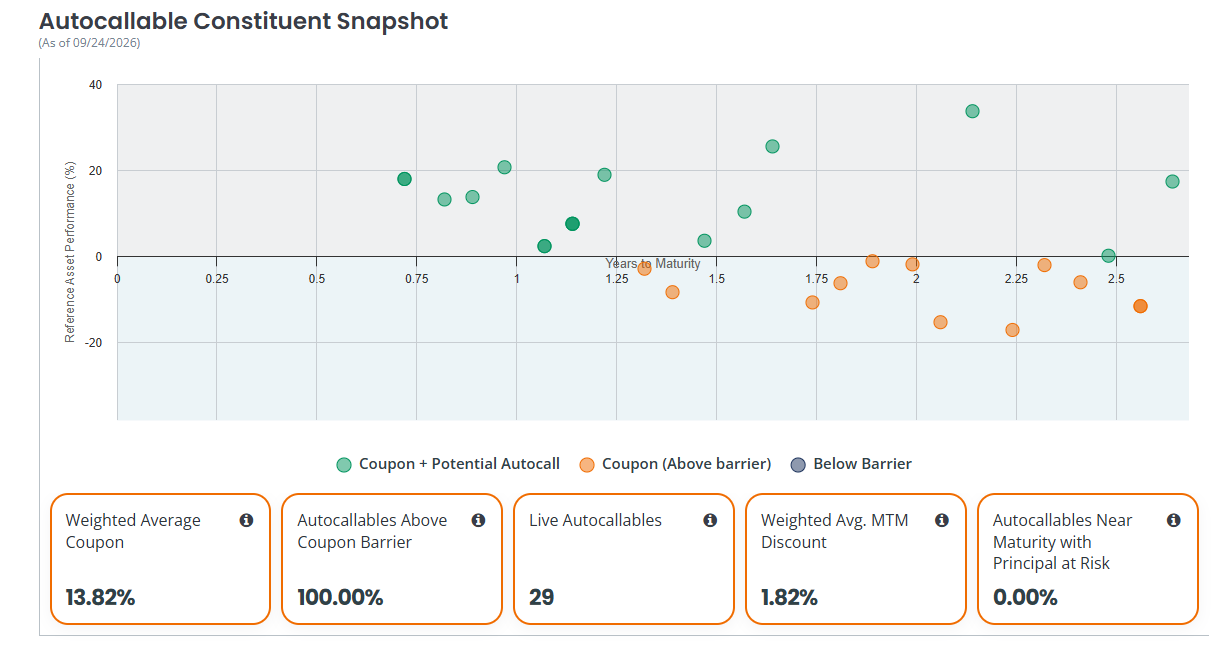
The visual data provided by the Animal Spirits team underscores four critical areas of the current financial climate. The charts, which track performance metrics through the final week of September, highlight a distinct pattern of "reversion to the mean" in several high-growth indices.
- Sector Rotation: The data shows a significant migration of capital from high-multiple tech stocks into defensive sectors, including consumer staples and energy, which have historically acted as a hedge against inflationary pressure.
- Volatility Indices: The volatility clusters observed throughout the month suggest that while the overall market trend remains upward, the frequency of intraday swings has increased, reflecting investor anxiety regarding upcoming policy decisions.
- Credit Spreads: A widening in high-yield credit spreads suggests that the corporate debt market is beginning to factor in a higher probability of default for firms with lower credit ratings, a development that warrants close observation in the coming months.
- Equity Risk Premium: The narrowing of the equity risk premium indicates that investors are becoming more demanding for the compensation they receive for holding stocks over risk-free assets, effectively putting a "ceiling" on valuation multiples.
The Role of Institutional Partnerships
The involvement of Janus Henderson in this analysis highlights the growing trend of institutional asset managers engaging directly with digital media platforms to distribute financial education. By sponsoring expert-led discussions, firms like Janus Henderson are aiming to provide investors with a more comprehensive toolkit for navigating market complexities.

The disclosure provided by Janus Henderson serves as a critical reminder of the fiduciary responsibilities inherent in financial media. Investors are cautioned that any mention of specific securities or strategies during such discussions does not constitute personalized investment advice. Instead, the focus remains on educational context, encouraging listeners to review formal prospectuses and consult with professional advisors before deploying capital.
Broader Implications and Future Outlook
The prevailing sentiment in the current financial discourse is one of "cautious patience." Analysts suggest that as we move into the final quarter of 2026, the focus will remain on the sustainability of earnings growth. The current market structure, characterized by high interest rates and moderated consumer spending, suggests that the "soft landing" scenario remains the primary thesis for many institutional investors.
However, the implications of this environment are far-reaching. For the individual investor, the current climate necessitates a higher level of due diligence. Diversification remains the primary defense against the localized risks that have been exacerbated by the current rate cycle. Furthermore, the reliance on data-backed analysis, as discussed in the podcast, is becoming an essential component of modern portfolio management.
As the market continues to react to geopolitical developments and shifts in global monetary policy, the ability to parse noise from signal will be the defining trait of successful market participants. The resources provided by platforms like Animal Spirits and the educational initiatives of partners like Janus Henderson play a pivotal role in democratizing access to this type of analysis.
Regulatory and Ethical Disclaimers
It is vital for all participants in the financial markets to adhere to the rigorous standards of disclosure. As noted in the episode’s disclaimers, the content presented is for informational purposes only. The Compound Media, Inc., and its affiliates, maintain a clear distinction between editorial content and sponsored messaging.
Investing in financial markets, particularly in speculative securities, carries an inherent risk of loss. The provided materials are not a substitute for the comprehensive prospectus documents required for any investment vehicle. Potential investors should always prioritize the review of official financial documentation, including risk disclosures, fee structures, and the stated investment objectives of any fund, before proceeding with a transaction.
Conclusion
The September 28, 2026, discussion offers a snapshot of a market that is increasingly focused on fundamental stability and risk management. By analyzing the intersection of technical indicators and macroeconomic trends, investors are better positioned to navigate the potential volatility of the coming months.
As we look toward the end of the year, the primary themes to monitor will be the persistence of corporate earnings, the trajectory of interest rate adjustments, and the broader health of the global consumer. Through informed dialogue and a commitment to data-driven analysis, the investment community continues to refine its approach to one of the most complex economic periods in recent history. For those seeking to stay informed, the integration of professional analysis and consistent market monitoring remains the most effective strategy for long-term capital preservation and growth. The ongoing conversation, supported by industry experts and thoughtful commentary, provides a necessary framework for navigating the uncertainties of the modern financial landscape.