Japan’s Keio Corporation confirms ransomware attack disrupted business systems

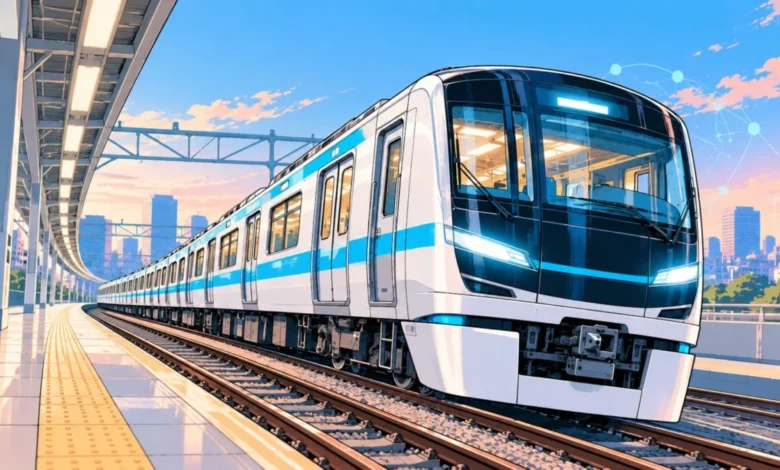
The Japanese transit landscape faced a tumultuous weekend as Keio Corporation, a cornerstone of the Tokyo metropolitan transport network, confirmed it was the victim of a sophisticated ransomware attack. The incident, which came to light in the early hours of September 26, 2026, has sent shockwaves through the Japanese corporate sector, raising urgent questions regarding the cybersecurity resilience of critical infrastructure providers. While Keio’s core railway operations remained largely insulated from the digital intrusion, the breach has caused significant operational friction within its hospitality division, particularly impacting payment processing and customer-facing administrative systems.
A Weekend of Digital Turmoil for Japanese Transit
The disruption began during the pre-dawn hours of Saturday, September 26, 2026. Internal monitoring systems alerted Keio’s IT security team to anomalous activity across its group servers. Upon detecting the signs of a ransomware payload, the company’s incident response team initiated emergency protocols, opting to proactively disconnect several business systems from the network to contain the lateral movement of the attackers and prevent further encryption of critical data.
Keio Corporation, an entity with a profound impact on the daily lives of Tokyo residents, operates a massive network spanning 85 kilometers of track and 69 stations. Beyond its railway business, the group maintains a significant footprint in the hospitality industry, managing 25 hotels under the Keio Plaza brand and other subsidiaries. With a workforce exceeding 2,200 employees and an annual revenue footprint approaching $2.6 billion, the company represents a high-value target for threat actors looking to leverage the operational dependence of large-scale enterprises.
Chronology of the Incident
The timeline of the breach suggests a calculated strike. According to internal reports released by the company:
- Early Morning, September 26, 2026: System alerts trigger an emergency investigation into server integrity.
- Morning, September 26, 2026: Keio Corporation identifies the incident as a ransomware attack and initiates a network-wide shutdown of affected hospitality servers.
- Afternoon, September 26, 2026: The company issues a formal public notification, confirming the breach and the involvement of external cybersecurity forensic experts.
- Evening, September 26, 2026: Local media reports indicate that payment processing systems at various Keio-affiliated hotels have been incapacitated, forcing a shift to manual operations or temporary service suspensions.
- September 27, 2026: Coordination with the Tokyo Metropolitan Police begins as the company commences a deep-dive forensic audit to determine the scope of data exfiltration.
The Scope of the Breach and Operational Impact
While the digital strike crippled segments of the Keio Plaza Hotel Tokyo and other hospitality outlets, the most critical question for the public was the safety of the rail network. Keio has officially stated that train operations, signaling systems, and safety protocols remained unaffected by the cyberattack. This distinction is vital in the context of critical infrastructure protection, where the physical safety of millions of passengers depends on the integrity of operational technology (OT) systems.
However, the hospitality sector was not as fortunate. Reports from the ground suggest that payment gateways, reservation databases, and potentially internal administrative communications were compromised. The disruption of payment systems, in particular, created a cascading effect for travelers and hotel guests, who found themselves unable to finalize transactions through digital channels. The company is currently investigating whether the attackers managed to exfiltrate sensitive customer information or business partner data—a standard practice for modern ransomware gangs who use the threat of data leakage as leverage for extortion.
Parallel Threats: The Tokyo Metro Incident
The situation was further complicated by a near-simultaneous cybersecurity failure at Tokyo Metro. Over the same weekend, the major transit operator reported a separate, unauthorized access event. In this instance, the breach was more focused in scope, involving the theft of approximately 59,000 member email addresses.
Tokyo Metro, which serves an average of 7 million passengers daily across its nine subway lines and 180 stations, acted quickly to patch the vulnerability that facilitated the unauthorized entry. Unlike the ransomware event at Keio, the Tokyo Metro incident appears to have been a targeted data theft operation rather than a system-wide encryption attempt.
The coincidence of these two incidents has ignited a debate among cybersecurity analysts regarding the possibility of a coordinated campaign targeting Japan’s transit infrastructure. However, authorities have yet to provide evidence of a direct link between the two attackers, and the disparate nature of the incidents—one being ransomware, the other unauthorized access—suggests these may be opportunistic attacks by separate entities capitalizing on vulnerabilities in public-facing corporate systems.
Industry Response and Cybersecurity Implications
The Japanese government, through the National Center of Incident Readiness and Strategy for Cybersecurity (NISC), has historically emphasized the need for "cyber-resilience" in the private sector. The Keio attack serves as a stark reminder that even large-scale, well-resourced corporations are not immune to the evolving tactics of ransomware syndicates.
Modern ransomware groups, often operating under a "Ransomware-as-a-Service" (RaaS) model, have shifted their focus toward companies that provide essential services. The logic is simple: the more critical the service, the higher the pressure on the victim to pay the ransom to restore functionality. In the case of Keio, the attackers may have overestimated the leverage they held over the railway operations, or perhaps the target was the hospitality arm specifically, which often possesses weaker cybersecurity controls compared to industrial control systems (ICS) and OT environments.
From a technical standpoint, these incidents underscore the risks associated with interconnected corporate networks. When business systems (like booking software) are not sufficiently segmented from administrative or operational networks, an attacker who gains a foothold in the former can potentially pivot to the latter.
Moving Forward: Recovery and Forensic Analysis
Keio Corporation is currently working with external forensic firms to decrypt affected systems and determine the origin of the attack. The police investigation is focused on identifying the specific malware family utilized in the encryption process, which could provide clues as to the identity of the threat actor. As of the time of this report, no major ransomware group has publicly claimed responsibility for the Keio attack on their respective "leak sites," suggesting that the attackers may be negotiating privately or are choosing to remain under the radar while they evaluate the potential for a payout.
For the customers of Keio Plaza and other affected services, the company has advised vigilance. "We are committed to transparency as we navigate this challenging recovery process," a company spokesperson noted. "Our priority remains the restoration of services and the protection of our customers’ privacy."
The implications for the broader Japanese business community are clear: the cost of inaction is no longer just a technical debt, but an operational and reputational existential threat. As organizations across the globe continue to digitize their services, the barrier to entry for cyber-criminals is dropping, while the potential for widespread disruption is rising. For companies like Keio and Tokyo Metro, the coming weeks will be defined by an intense focus on auditing security architectures, hardening endpoints, and re-evaluating the resilience of their business continuity plans.
The Path to Enhanced Resilience
In the wake of these events, experts suggest that organizations must adopt a "Zero Trust" architecture, where no device or user is trusted by default, regardless of whether they are inside or outside the network perimeter. Furthermore, the segmentation of IT and OT networks remains the most effective defense against the spread of ransomware.
As Tokyo continues to serve as a global hub for business and tourism, the security of its transportation and hospitality infrastructure is paramount. The dual incidents of late September 2026 will likely serve as a catalyst for a national reassessment of cybersecurity spending and regulatory oversight for private firms that operate critical public-facing infrastructure. For now, the focus remains on remediation, with the hope that the lessons learned from this weekend of digital chaos will lead to a more secure future for Japan’s transit sector.
Related posts: