Federal Reserve Unveils Comprehensive Regulatory Framework for Stablecoin Issuers Under Genius Act Mandates

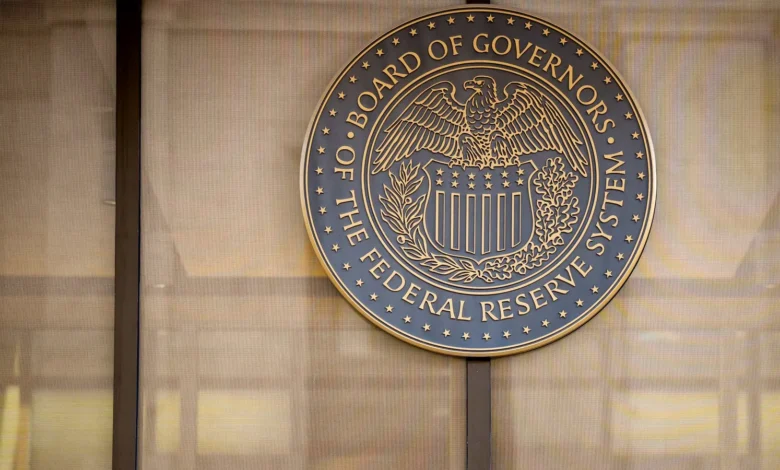
The Federal Reserve has officially introduced a series of proposed regulations aimed at governing the issuance and management of stablecoins, marking a significant milestone in the integration of digital assets into the traditional financial system. These rules, released late last week, establish rigorous standards for the backing of stablecoins, mandate capital requirements to mitigate operational risks, and outline a formal application process for banking institutions seeking to participate in the burgeoning digital currency market. This regulatory push is a direct response to the requirements set forth by the Genius Act, which tasked federal financial regulators with creating a unified oversight framework for stablecoin issuers.
The Core Mandates of the Federal Reserve Proposal
At the heart of the Federal Reserve’s proposal is the requirement that stablecoin issuers maintain high-quality, liquid assets to back their digital liabilities. The central bank has identified instruments such as U.S. Treasury bills as the gold standard for these reserves. By forcing issuers to hold these assets, the Fed aims to ensure that stablecoins remain redeemable at par, regardless of broader market volatility or specific issuer liquidity crises.
Beyond reserve requirements, the framework introduces stringent capital and risk management standards. These measures are designed to address both credit and operational vulnerabilities that have historically plagued the digital asset sector. The proposal also establishes a clear protocol for Federal Reserve-supervised firms tasked with the safekeeping of these backing assets. Furthermore, the rules provide a structured pathway for banks to enter the stablecoin space, complete with a formalized system for appeals, hearings, and final regulatory determinations.
Contextualizing the Genius Act and Regulatory Delays
The introduction of these rules comes months after the statutory deadline established by the Genius Act. While the legislation originally intended for federal regulators and the Department of the Treasury to finalize comprehensive oversight frameworks by July, the process has proven more complex than initially anticipated. The Federal Reserve now joins a roster of other major U.S. financial regulators that have issued their own proposals throughout the year, though none have yet reached the final rulemaking stage.
The regulatory timeline highlights the fragmented yet accelerating nature of the U.S. response to stablecoin adoption:
- February 2026: The Office of the Comptroller of the Currency (OCC) and the National Credit Union Administration (NCUA) initiated the first round of stablecoin rule proposals.
- April 2026: The Federal Deposit Insurance Corporation (FDIC) followed suit with its own set of standards aimed at protecting depositors and ensuring institutional safety.
- August 2026: The Treasury Department released its supplemental regulatory guidelines, focusing on broader systemic risk.
- September 2026: The Federal Reserve finally released its proposal, acknowledging the urgency of the matter while emphasizing the need for technical precision.
The fact that no agency has yet finalized these rules underscores the complexity of harmonizing digital asset regulation with existing banking laws. Industry experts suggest that the lack of finality creates a "limbo" period for issuers, who are eager for regulatory clarity but cautious about committing to infrastructure that may be subject to further modification during the comment periods.
Perspectives from the Federal Reserve
Federal Reserve Governor Michael Barr has been a vocal proponent of this measured approach, emphasizing that the primary objective is to cultivate a digital payment ecosystem that functions securely for both households and businesses. In a formal statement released alongside the proposal, Barr highlighted the existential necessity of stability.

"Stablecoins will only be stable if they can be reliably and promptly redeemed at par in a range of conditions," Barr noted. He specifically cited the need for resilience during "market stress," where even typically liquid government debt can face valuation pressures. According to Barr, the goal is not to stifle innovation but to build "strong guardrails" that prevent the contagion risks often associated with unregulated or under-capitalized digital asset platforms.
Economic Implications and Market Impact
The shift toward a regulated stablecoin environment carries profound implications for the broader financial services industry. If implemented, these rules would effectively force a consolidation of the market. Smaller or non-compliant stablecoin issuers may find the capital requirements and the costs of compliance to be prohibitive, potentially leading to a market dominated by larger, bank-backed entities.
For traditional financial institutions, the proposed framework acts as a green light for innovation. Banks have long sought a clear regulatory pathway to issue their own stablecoins, which could significantly enhance the efficiency of cross-border payments, settlement speeds, and transaction costs. By providing a clear process for application and approval, the Fed is signaling that it views digital assets not as a peripheral curiosity, but as a critical component of the future payment infrastructure.
However, the industry remains divided on the stringency of the proposed capital requirements. Critics within the fintech sector argue that overly restrictive reserve requirements could reduce the "yield" potential of stablecoin operations, potentially making them less attractive to institutional investors. Conversely, consumer advocacy groups have largely welcomed the Fed’s focus on redeemability, arguing that the protection of retail users must take precedence over the profit margins of crypto-issuers.

Quantitative Analysis: Managing Systemic Risk
The emphasis on Treasury bills as a reserve asset is not arbitrary. Current market data suggests that the total volume of stablecoins in circulation has reached levels that, if improperly managed, could pose risks to the stability of the underlying short-term government debt markets. By mandating that these assets be "high-quality" and "liquid," the Federal Reserve is effectively creating a firewall between the volatility of digital assets and the stability of the U.S. sovereign debt market.
Operational risk, another focus of the proposal, refers to the technological infrastructure that supports stablecoin transactions. The Fed’s proposal suggests that firms must have robust cybersecurity protocols, redundant systems, and contingency plans for catastrophic failures. This move aligns the digital asset sector with the regulatory expectations placed upon commercial banks, which are already subject to extensive audits of their technological resilience.
Next Steps and Public Engagement
The Federal Reserve has opened a 60-day window for public comment following the publication of the proposal in the Federal Register. This period is expected to be highly active, as industry stakeholders, legal scholars, and technology advocates prepare to weigh in on the technical specifications of the rules.
Following the comment period, the Fed will be tasked with reviewing the feedback and potentially adjusting the framework before finalizing the regulations. The success of these rules will depend heavily on the Fed’s ability to balance the need for safety with the desire to maintain the United States’ competitive edge in global financial technology.
As the industry waits for the final word, the broader consensus remains clear: the era of the "Wild West" for stablecoins is rapidly coming to a close. Whether the result will be a vibrant, secure market or a stifled one remains the subject of intense debate. What is certain, however, is that the Federal Reserve has laid a foundational stone for the future of money in the digital age, setting a precedent that will likely influence global regulatory trends for years to come.
Ultimately, the Fed’s initiative serves as a acknowledgement that digital assets are deeply embedded in the modern economy. By creating a structure that mirrors traditional banking oversight, the central bank is aiming to bridge the divide between legacy financial systems and the promise of decentralized finance, ensuring that the innovations of the future are built upon the bedrock of fiscal responsibility and consumer protection.