Why Didn’t We Get a Housing Bubble? – A Wealth of Common Sense

The Anatomy of the 2021 Market Surge
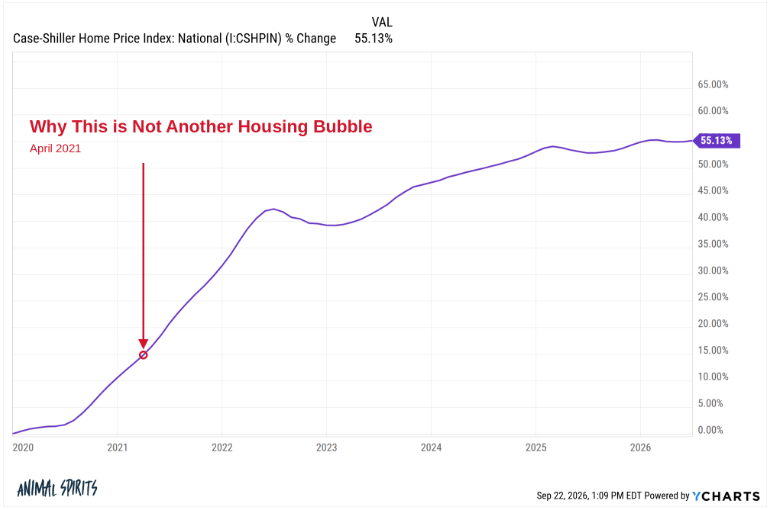
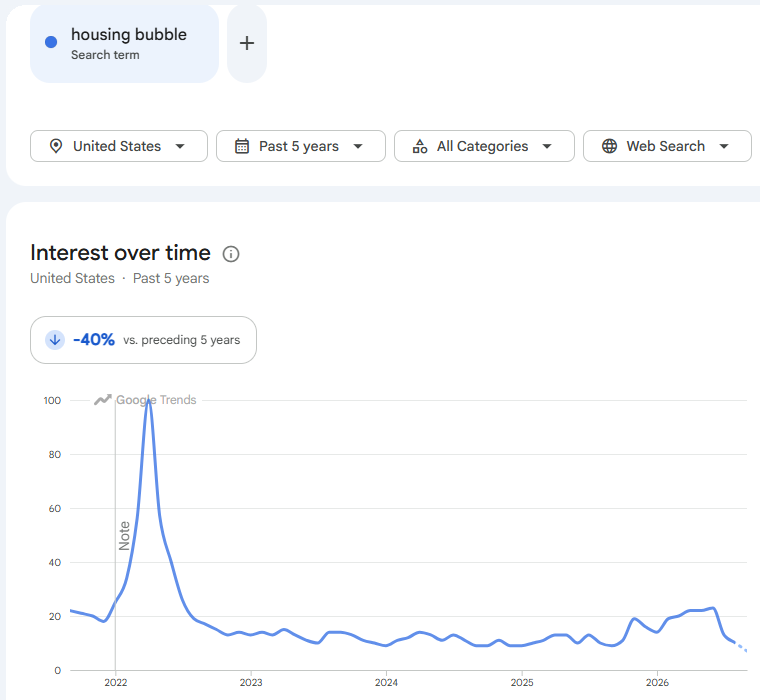
In early 2021, as the global economy emerged from the initial shocks of the COVID-19 pandemic, the U.S. housing market entered an unprecedented period of price appreciation. While skepticism was high, the market fundamentals were markedly different from the mid-2000s housing bubble. The previous bubble was fueled by subprime lending, a glut of speculative construction, and highly leveraged debt instruments that ultimately crippled the global financial system. In contrast, the post-2020 surge was driven by a fundamental shortage of inventory and a massive demographic wave of millennials reaching their prime home-buying years.
A Chronology of Market Dynamics
The trajectory of the housing market since 2020 can be categorized into three distinct phases. First, the 2020-2021 period was defined by historically low mortgage rates, which triggered a massive wave of refinancing and home acquisition as remote work policies prompted households to seek more space. Second, the 2022-2023 period saw the Federal Reserve initiate an aggressive campaign of interest rate hikes to combat 40-year high inflation. This caused mortgage rates to spike from near-3% levels to over 6% in record time. Finally, the 2024-2026 period established a new "frozen" market equilibrium, characterized by low transaction volumes but persistent price resilience.
Supply Constraints and Construction Trends
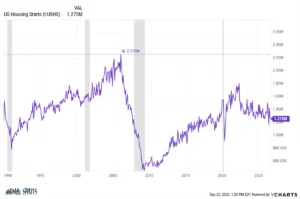
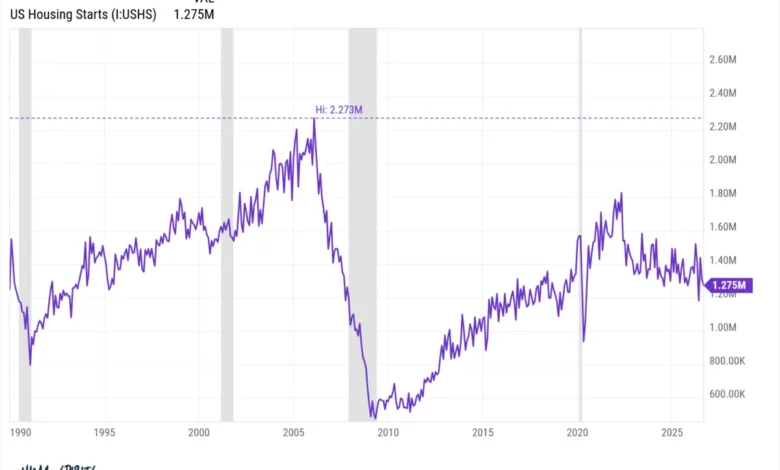
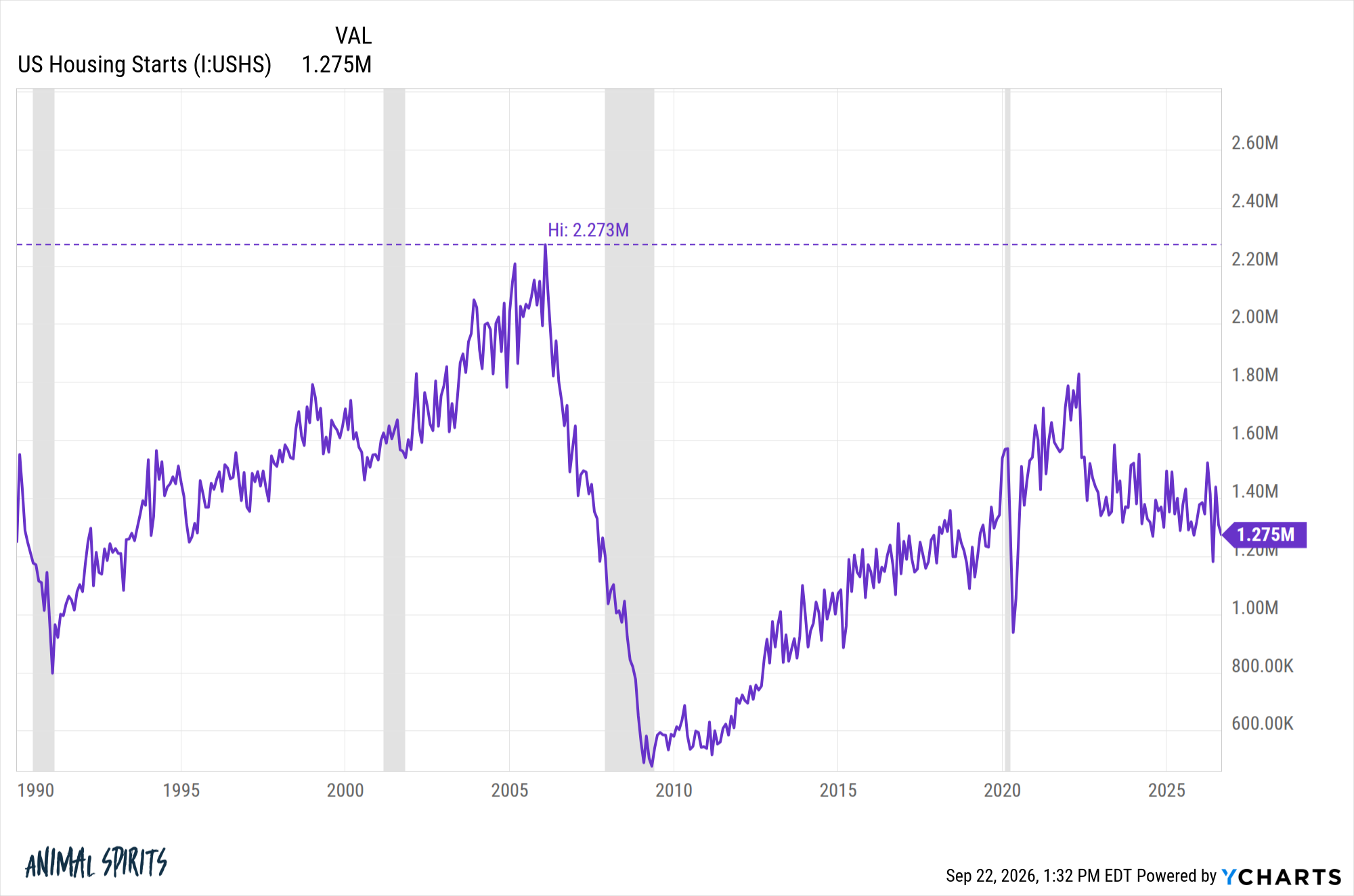
One of the most significant differences between the current market and the mid-2000s is the state of housing supply. During the 2005-2006 peak, housing starts reached levels that vastly outpaced population growth, leading to a massive inventory glut when demand eventually collapsed. Conversely, the 2020s have been defined by chronic underbuilding. Despite a U.S. population that has grown by approximately 40 million people since the turn of the century, new housing starts never reached the feverish peaks seen during the pre-2008 era. This fundamental lack of supply created a floor for home prices, ensuring that even as interest rates rose, the lack of available housing prevented a price correction.
The Impact of Mortgage Rate Lock-in
The rapid rise in interest rates created a unique "lock-in" effect for millions of American homeowners. By early 2022, a vast majority of existing homeowners had secured 30-year fixed-rate mortgages at or below 3.5%. As market rates climbed toward 7%, these homeowners faced a significant financial disincentive to sell their properties, as any move would require them to take on a new mortgage at significantly higher rates. This phenomenon, often referred to as the "lock-in effect," effectively removed a substantial portion of the existing housing stock from the market, further restricting supply and preventing the price declines that many analysts had initially forecasted.
Demographic Shifts and Ownership Profiles
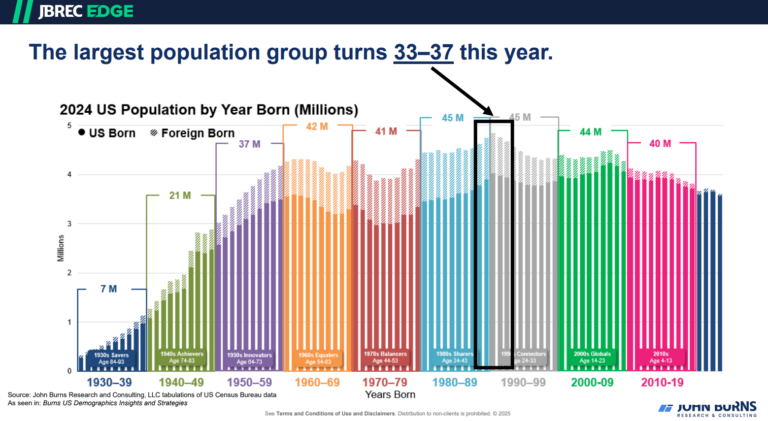
Demographic data supports the notion that the current market is structurally sound. Approximately 40% of all American homeowners currently own their properties free and clear, without a mortgage. This represents a massive buffer against forced liquidations. Furthermore, the largest age cohort in the United States—those between the ages of 33 and 37—has entered their prime home-buying years. This consistent demand from a large, stable demographic segment ensures that there is a persistent buyer base for the limited inventory that does come to market. Unlike the previous cycle, which saw heavy participation from speculative investors using predatory lending, the current ownership profile is dominated by long-term residents and established households.
The Housing Market Recession
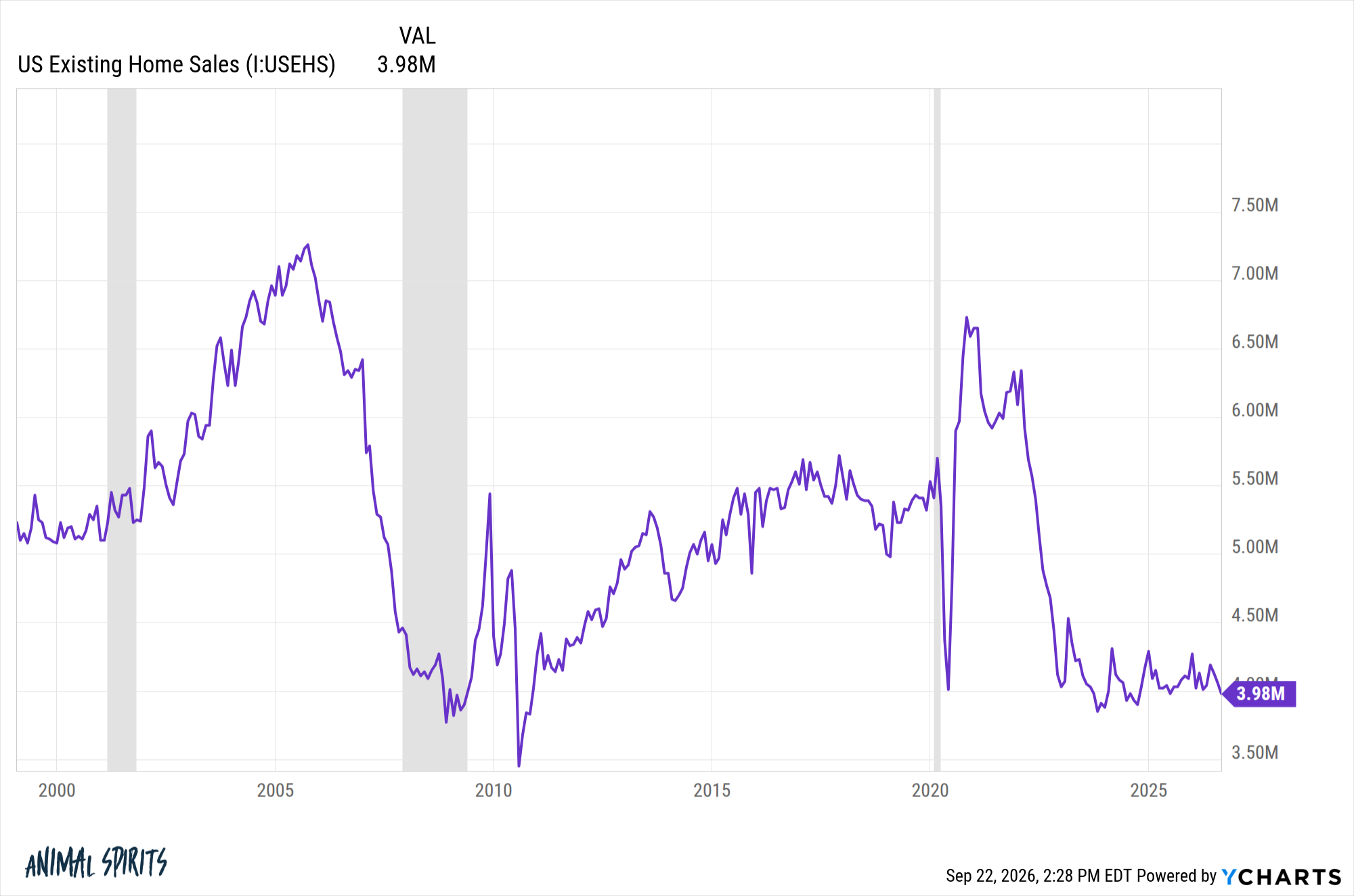
While prices did not crash, the housing sector did experience a "recession" in terms of activity. Existing home sales have remained at stagnant levels for several years, mirroring the volume lows observed during the 2008 financial crisis. This dichotomy—high prices paired with low transaction volume—is a hallmark of a market that has effectively seized up due to affordability constraints and the lock-in effect, rather than a systemic failure of lending standards. The market is not failing; it is constrained.
Financial Implications and Equity Gains
The primary legacy of the last five years in real estate is a historic increase in home equity. For millions of American families, their primary residence has served as an effective hedge against the high inflation environment of the mid-2020s. The aggregate gain in home equity provides a significant cushion for the broader economy. Even if there were to be a localized downturn in specific regions or a modest softening of national prices, the average homeowner possesses a much higher level of equity today than they did in 2008, reducing the likelihood of widespread foreclosures or a forced-selling cascade.
Comparative Analysis of Lending Standards
Central to the argument that a bubble was absent is the radical shift in lending standards. Post-2008 regulations, such as the Dodd-Frank Act, imposed rigorous requirements on mortgage originators. The "teaser rates" and "no-doc" loans that characterized the mid-2000s are largely absent in the modern regulatory environment. Borrowers today generally have higher credit scores, higher down payments, and more stable income profiles compared to the previous cycle. This professionalization of the mortgage market has ensured that the surge in home prices was supported by qualified capital rather than speculative debt.
Broader Macroeconomic Outlook
The resilience of the housing market has had profound implications for the U.S. economy. By acting as an anchor for household wealth, the housing market helped stabilize the consumer during a period of high inflation. However, the current environment also highlights the growing divide in wealth and opportunity. For those who were already homeowners, the last five years have resulted in massive balance sheet expansion. For those outside the market, the rapid appreciation in prices, combined with elevated mortgage rates, has created a significant barrier to entry, leading to a broader conversation about housing affordability and the need for increased supply-side incentives.
Conclusion
The narrative that the 2020s would mirror the 2008 housing crash failed to account for the structural differences in the housing supply chain, the demographic composition of the country, and the maturity of modern lending standards. While the market experienced an abnormal, rapid surge in prices—partly fueled by pandemic-era stimuli and shifting lifestyle preferences—it did not exhibit the hallmarks of a bubble. Instead, the market transitioned into a state of structural imbalance, characterized by high prices and low liquidity. As the market looks toward the remainder of the decade, the primary challenge remains addressing the persistent shortage of housing stock to ensure long-term stability and accessibility for the next generation of homebuyers. The "victory" for those who predicted this outcome is not in the precision of their forecast, but in the recognition that market fundamentals, when analyzed without the lens of historical trauma, provide a clearer picture of reality.