Your generous donations have kept WOLF STREET free and open to all, without paywall. Thank you!!

The landscape of digital publishing is undergoing a structural transformation, one characterized by the aggressive ascent of artificial intelligence and the centralizing influence of major internet conglomerates. For independent media outlets like WOLF STREET, this evolution presents a precarious challenge: the erosion of organic search traffic and the siphoning of intellectual property by large language model (LLM) developers. Despite these systemic headwinds, the platform remains committed to its foundational mission of providing un-gated, independent analysis. This commitment is sustained not by institutional advertising, which has seen a sector-wide contraction, but by the direct support of its readership.
The Erosion of the Open Web
The digital media ecosystem has shifted significantly over the past decade. Historically, publishers relied on search engine optimization (SEO) and social media referrals to drive traffic. However, the integration of generative AI into search engines has fundamentally altered this relationship. AI-driven search bots now synthesize information directly from source material, presenting summarized answers to users without requiring them to visit the originating websites.
This practice, often referred to as "zero-click" search results, effectively disintermediates the publisher from the reader. For an independent site, this redirection represents a loss of critical advertising impressions and brand visibility. While internet giants argue that this technology improves user experience by providing rapid information, publishers contend that it constitutes a systemic extraction of labor. By training AI models on copyrighted content without licensing agreements or revenue-sharing models, AI laboratories have fundamentally changed the economics of digital information.
A Chronology of Independent Publishing Challenges
The decline in traditional advertising revenue is not a recent phenomenon but the result of a long-term trend. Since the mid-2010s, the "duopoly" of Google and Meta has consistently captured the majority of global digital advertising spend. For smaller, independent publishers, this concentration of power has meant thinner margins and a reliance on alternative monetization models, such as subscriptions, paywalls, or reader-supported funding.
- 2015–2018: The rise of programmatic advertising led to a collapse in display ad rates, forcing many boutique financial news sites to pivot to subscription-only models.
- 2019–2021: A temporary surge in digital engagement during the pandemic provided a brief reprieve, but the underlying reliance on platform algorithms remained a structural vulnerability.
- 2022–2023: The rapid deployment of LLMs introduced a new paradigm where "content scraping" became the standard operating procedure for tech companies looking to train large models, often bypassing the traditional crawl-and-index protocols that respected publisher directives.
- 2024: The current era is defined by the struggle between independent journalism and AI-generated content, with many outlets reporting a decline in referral traffic as search engines prioritize AI-generated snapshots over original links.
Economic Implications for Niche Media
The economic model of WOLF STREET—providing high-fidelity, independent financial analysis without the friction of a paywall—is increasingly rare. Paywalls serve as a necessary survival mechanism for many legacy media organizations, yet they create an exclusionary barrier that limits access to information. By opting for a reader-supported model, the platform maintains a direct relationship with its audience, prioritizing the integrity of the commentary over the requirements of third-party advertisers.
Data from the Reuters Institute for the Study of Journalism suggests that a significant portion of the online population is increasingly fatigued by paywalls. However, the alternative—advertising-funded content—has led to a degradation in quality, as publishers optimize for clickbait to drive volume. The reader-supported model represents a third way: a sustainable path where the consumer of the content acts as the primary patron, ensuring that the editorial focus remains objective and free from the pressures of corporate or institutional advertising interests.
The Role of Community in Editorial Integrity
The value proposition of WOLF STREET lies in its human-centric approach. In an environment saturated with automated summaries and algorithmically generated sentiment, the platform’s comment sections and original analysis serve as a venue for discourse that is often absent in larger, more sterile news environments. This community-driven model provides a feedback loop that encourages accuracy and depth, as readers often contribute expertise that complements the primary reporting.

Without this direct support, the platform would be forced to conform to the dominant economic incentives of the internet: either restricting access to a select few who can afford subscriptions or catering to the demands of mass-market advertisers. By maintaining independence, the site preserves its ability to challenge conventional economic narratives—a role that is vital in a functioning democracy.
Sustaining the Model: Methods of Support
The logistics of sustaining an independent publication in the digital age require flexibility and transparency. For WOLF STREET, the integration of multiple donation channels ensures that the platform remains accessible to a global audience regardless of their location or preferred payment method.
- Digital Transfers: Modern payment platforms like Zelle have streamlined the donation process, allowing for fast and direct support. This removes the "middleman" fees often associated with international credit card processing, ensuring that a higher percentage of the donation reaches the editorial operations.
- Credit Card Integration: For those preferring traditional methods, PayPal remains the primary gateway. To maintain the barrier-free experience, the platform utilizes simple donation interfaces that do not require complex account setups, emphasizing ease of use for the reader.
- Traditional Remittance: The continued use of checks and physical currency is a testament to the diverse demographic of the readership. While seemingly antiquated, these methods remain highly secure and offer a level of anonymity that many donors prefer in an era of increasing digital surveillance.
Cultural Significance and Institutional Recognition
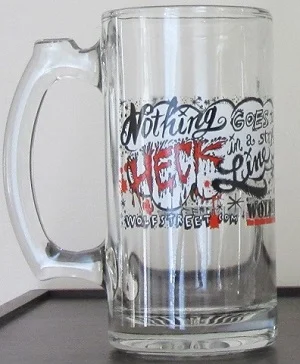
The practice of offering tangible tokens of appreciation, such as the second-generation glass mugs, serves a dual purpose. Beyond providing a physical memento for donors, it reinforces the sense of community and shared purpose between the publisher and the audience. The artwork, created by San Francisco-based artist Erika "Kitten" Lopez, encapsulates the platform’s core philosophy: "Nothing Goes to Heck in a Straight Line."
This phrase serves as a reminder of the volatility inherent in financial markets and the necessity of maintaining a long-term perspective. By incorporating art into the funding model, the platform elevates the act of donation from a transactional exchange to a symbolic participation in the site’s survival.
Broader Impacts on the Digital Landscape
The implications of this struggle extend far beyond a single website. The decline of the independent web threatens to homogenize the information ecosystem. When small, independent voices are drowned out by AI-generated content and platform-favored aggregators, the public loses the diversity of thought necessary to understand complex economic issues.
The ongoing shift in internet traffic towards AI bots suggests that we are entering a phase where the "open web" may be permanently diminished. If the primary gateways to information (search engines) prioritize the convenience of AI over the viability of the creators, the incentive to produce high-quality, original research will continue to plummet. Consequently, the importance of direct-to-publisher support models cannot be overstated.
For the reader, the decision to donate is not merely an act of charity; it is an investment in the availability of diverse information. As the internet continues to evolve into a walled garden of proprietary AI models, the preservation of platforms that exist outside these structures becomes a critical issue for digital literacy and information access. The survival of independent media in the coming decade will depend entirely on the willingness of users to recognize the value of original human labor and to support the platforms that provide it.