As of November 25, 2026, the landscape of decentralized finance (DeFi) has reached a critical juncture of maturation, characterized by a fundamental shift in how decentralized exchanges (DEXs) provide liquidity and financial utility. A comprehensive assessment released by Ambcrypto has identified eight standout protocols that are currently defining the industry standard. Leading this cohort is the entity formerly known as PancakeSwap—now simply "Pancake"—which has pivoted from a single-chain automated market maker (AMM) into a robust, multi-chain liquidity hub spanning more than 11 blockchain networks. This strategic rebranding and infrastructure expansion underscores a broader trend: the aggressive encroachment of DeFi protocols into traditional financial territory, including perpetual futures and tokenized real-world assets (RWAs).
The Evolving Hierarchy of Decentralized Exchanges
The list curated by Ambcrypto includes a diverse mix of architectures, ranging from traditional liquidity-pool systems to sophisticated on-chain order-book models. The eight protocols identified are Pancake, Uniswap, Raydium, Hyperliquid, Balancer, SushiSwap, Orca, and Meteora.
Pancake’s elevation to the top of the list is not merely a branding exercise. By dropping "Swap" from its moniker, the platform signals a departure from simple token-swapping services toward a full-suite financial platform. This evolution includes the integration of 24/7 tokenized stocks and ETFs, directly competing with the operating hours and asset classes of centralized brokerages. This shift is reflective of a wider industry movement where the barriers between permissionless on-chain trading and legacy financial instruments are rapidly dissolving.
Chronology of the 2026 DeFi Pivot
The emergence of these eight platforms as market leaders did not occur in a vacuum. Throughout 2026, the DeFi sector faced significant regulatory pressure and liquidity fragmentation, forcing major protocols to innovate or risk obsolescence.

- Q1 2026: Protocols began prioritizing cross-chain interoperability as users grew frustrated with fragmented liquidity across isolated ecosystems.
- Q2 2026: Integration of real-world assets (RWAs) accelerated. Projects like Balancer began refining their multi-token pool mechanics to accommodate yield-bearing assets, moving beyond the standard 50/50 liquidity model.
- Q3 2026: The Solana ecosystem saw a resurgence in volume. Platforms like Raydium, Orca, and Meteora optimized their architectures to handle high-frequency, low-latency trading, positioning themselves as viable alternatives to Ethereum-based giants.
- November 2026: The rebranding of Pancake and the maturation of Hyperliquid’s on-chain order-book model marked the climax of these trends, setting the stage for the current market structure.
Technical Architectures: AMMs vs. On-Chain Order Books
One of the most significant insights from the current market data is the bifurcation in trading mechanics. While the majority of the protocols on the list—Uniswap, SushiSwap, and the Solana trio—rely on variants of the Automated Market Maker (AMM) model, Hyperliquid represents a different philosophy.
By utilizing an on-chain order book, Hyperliquid facilitates a user experience that closely mirrors a centralized exchange (CEX), supporting complex order types such as limit and margin orders. This design caters to professional traders who require the precision of order books rather than the slippage-prone environment of liquidity pools. Conversely, platforms like Balancer continue to dominate the institutional-adjacent space by offering programmable liquidity. Balancer’s ability to set custom weights for tokens and adjust trading fees dynamically allows it to function effectively as an automated portfolio manager rather than a simple exchange, a distinction that has solidified its role in institutional DeFi strategies.
The Solana Resurgence and Competitive Dynamics
The inclusion of three Solana-based protocols—Raydium, Orca, and Meteora—serves as a testament to the network’s recovery and technical evolution. Each protocol addresses a different facet of liquidity provision. Raydium remains the foundational liquidity infrastructure for the chain, effectively blending AMM mechanics with a robust token-based governance framework.
Orca, meanwhile, has gained traction through its "Whirlpools" feature, which allows liquidity providers to concentrate their capital within specific price ranges, significantly enhancing capital efficiency. Meteora’s Dynamic Liquidity Market Maker (DLMM) further pushes these boundaries, utilizing price bins that adapt to market volatility. This granular control over liquidity has made the Solana ecosystem a highly efficient environment for both retail and institutional market makers, challenging the long-held dominance of Ethereum-based protocols.
Market Performance and Volatility Trends
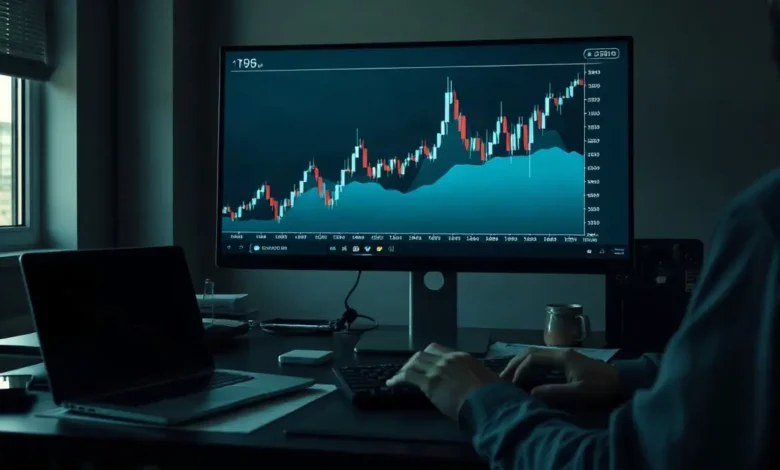
Current market conditions as of November 25, 2026, reflect a high-stakes environment. Data from CoinPaprika indicates that volatility remains a defining feature of the sector. For instance, the HYPE token associated with Hyperliquid traded at approximately $57.00, representing a 13.8% decline over the preceding seven-day period. This downward pressure coincided with a 24-hour trading volume of $305.8 million.
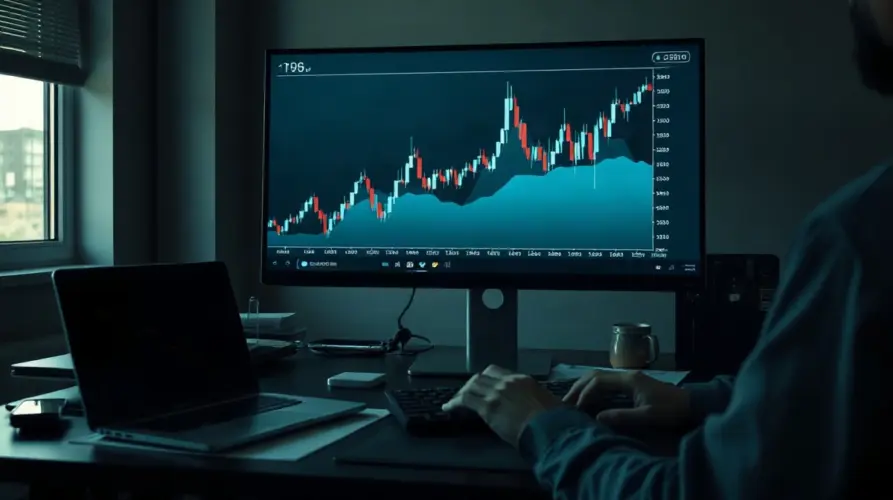
Ethereum, the bedrock of the DeFi ecosystem, has seen its native asset face similar headwinds, trading at $1,645 with a 6.3% weekly decline. Analysts suggest that these price movements are heavily correlated with the broader crypto derivatives market. As Pancake and other platforms roll out perpetual futures and more complex leverage-based products, the underlying volatility of the governance tokens often acts as a proxy for the health of the platform’s derivatives ecosystem. When token prices contract, it often signals a cooling in speculative activity, which can lead to thinner liquidity in derivatives markets.
Implications for the Future of DeFi
The shift identified by the Ambcrypto list suggests three major implications for the future of digital finance:
- The Convergence of TradFi and DeFi: The move by Pancake into tokenized ETFs and stocks indicates that decentralized exchanges are no longer satisfied with trading crypto-native assets. The goal is to capture the vast liquidity of traditional markets, potentially bypassing the restrictive opening hours and gatekeepers of the legacy banking system.
- Execution Style as a Competitive Moat: As the technology stabilizes, the debate over "which chain" is increasingly being replaced by "which execution style." Traders are choosing platforms based on their specific trading strategy—order books for precision, AMMs for ease of use—rather than strict allegiance to a single blockchain.
- Governance and Incentive Alignment: All eight listed protocols rely on their native tokens not just for utility, but as mechanisms for governance and liquidity incentivization. The sustainability of these protocols will depend on their ability to balance token inflation with genuine demand for their services.
A Note on Market Risks and Due Diligence
Despite the technical advancements and the growth in features, investors must exercise extreme caution. The list provided by analysts is a snapshot of current market sentiment and functionality, not an investment recommendation or a seal of security.
Unlike traditional financial institutions, these protocols operate in an environment where auditing standards and performance reporting remain inconsistent. Most, if not all, of the platforms listed do not publish audited, standardized performance data that would allow for a direct "apples-to-apples" comparison of fee structures, volume, or slippage. Furthermore, the reliance on smart contracts introduces persistent risks, including code vulnerabilities and liquidation cascades.
As the DeFi ecosystem moves toward 2027, the success of these eight protocols will likely be determined by their ability to provide transparency in an increasingly complex financial landscape. For traders, the priority should remain the same as it has been since the inception of decentralized finance: rigorous self-custody, a deep understanding of the underlying protocol mechanics, and a clear recognition of the risks inherent in an experimental and highly volatile market. No ranking or list can substitute for an individual’s assessment of their own risk tolerance and financial objectives.