Brent Oil Surges Past $97, Approaching $100 Mark Amid Escalating Red Sea Tensions and Strait of Hormuz Concerns


Brent crude oil prices have surged dramatically, breaching the $97 per barrel mark and setting their sights firmly on the psychologically significant $100 level. This sharp ascent is primarily fueled by escalating geopolitical tensions in the Red Sea and heightened concerns over potential disruptions in the Strait of Hormuz, critical arteries for global oil supply. While broader financial markets have largely interpreted this price movement as a geopolitical risk premium, a sustained push above $100 could signal a fundamental shift, indicating that investors are beginning to price in genuine supply disruptions. Such a development would have profound implications, reshaping inflation expectations and influencing investment strategies across all asset classes, from equities and bonds to currencies.
The current trajectory of oil prices is far more than an isolated event for energy traders; it represents a pivotal juncture with far-reaching consequences for a diverse range of market participants. For currency traders, commodity specialists, and equity investors alike, the $100 per barrel threshold carries both psychological weight and fundamental significance. As long as the current rally is perceived as a temporary geopolitical risk premium, central banks may find justification in maintaining a patient approach to interest rate cuts, thereby keeping inflation expectations anchored and allowing currencies to respond with only modest fluctuations. However, a decisive breach of $100, especially if it begins to reflect a tangible risk of supply disruption rather than mere threat, could catalyze a more aggressive response. This scenario might lead to an acceleration in Treasury yields, a downward repricing of growth expectations in equity markets, and renewed pressure on central banks to sustain higher interest rates for a longer duration. Therefore, a nuanced understanding of the dynamics at play as oil approaches and potentially surpasses $100 is paramount for strategic positioning across the global financial landscape.
Several key catalysts are contributing to the durability of the current oil rally, distinguishing it from previous geopolitical spikes in its resilience. The confluence of these factors paints a more robustly bullish picture for crude oil prices than what has been observed in past periods of heightened regional instability.
The Trifecta of Catalysts Fueling Oil’s Ascent
The current surge in Brent crude prices is underpinned by a powerful combination of three distinct, yet interconnected, developments. Unlike previous instances where geopolitical flare-ups were often characterized by threats and pronouncements, this rally is being driven by concrete actions and structural challenges that suggest a more persistent impact on supply dynamics.
Firstly, the escalation of attacks on commercial shipping in the Red Sea has moved beyond isolated incidents to become a persistent and concerning trend. Houthie rebels, supported by Iran, have repeatedly targeted vessels traversing this vital waterway, forcing major shipping companies to reroute their fleets around the longer and more costly Cape of Good Hope. This disruption directly impacts transit times, increases operational expenses due to additional fuel consumption and extended voyages, and creates a tangible barrier to the smooth flow of oil from the Middle East to European and North American markets. The rerouting not only adds to shipping costs but also strains global shipping capacity, potentially leading to further price pressures.
Secondly, the increased risk of escalation involving the Strait of Hormuz adds another significant layer of concern. This narrow waterway, a chokepoint through which approximately 20% of global oil consumption passes, has historically been a flashpoint for geopolitical tensions. Any perceived threat or actual disruption in the Strait of Hormuz would have an immediate and dramatic impact on global oil supply, potentially dwarfing the effects of Red Sea diversions. Recent military posturing and rhetoric from regional actors have heightened anxieties about the potential for such a catastrophic event, prompting traders and analysts to price in a greater probability of supply curtailment.
Thirdly, and critically, there is a lack of a clear and immediate resolution pathway for these escalating conflicts. Previous geopolitical tensions in the region have often been diffused through diplomatic channels or have been perceived as short-term irritants. However, the current situation appears more entrenched, with complex regional rivalries and proxy conflicts making a swift de-escalation unlikely. This lack of a visible endgame contributes to the market’s assessment of a more sustained risk premium, as the underlying causes of the instability are not being addressed with urgency or a clear path to resolution.
This potent combination of tactical triggers, such as actual attacks on shipping, and structural support, stemming from the absence of a quick fix, distinguishes the current oil rally. It suggests a more durable upward pressure on prices compared to the fleeting spikes often associated with mere geopolitical noise. The market is increasingly factoring in the potential for these disruptions to persist, leading to a more entrenched upward trend in oil prices.
The $100 Threshold: A Pivot from Risk Premium to Supply Crisis Narrative
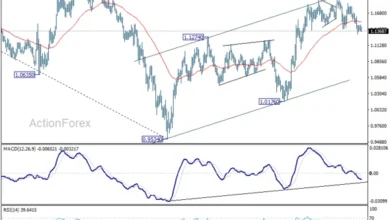
The market’s attention is now squarely focused on the technical and psychological zone surrounding the $100 per barrel mark for Brent crude. A decisive breach of this level, coupled with a close above the nearby 61.8% Fibonacci retracement of the 119.50 to 70.15 decline, which stands at approximately 100.64, would signify more than just another milestone in the current rally. It would likely indicate a fundamental shift in investor perception, moving from viewing elevated oil prices as an uncomfortable but manageable geopolitical risk premium to acknowledging the increasing probability of genuine, tangible supply disruptions.
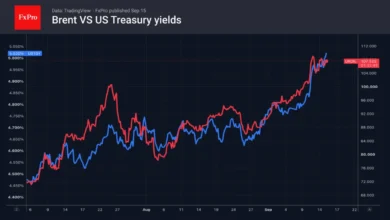
Thus far, investors have largely treated the upward movement in oil prices as a temporary geopolitical premium. This has allowed broader markets to absorb the shock with relative resilience. Equities, while sensitive to energy costs, have not yet experienced a significant sell-off directly attributable to oil prices alone. Treasury yields have risen, but the increase has been gradual, suggesting that inflation expectations have remained somewhat anchored. Similarly, currency pairs have largely traded within familiar ranges, indicating that the market has not yet priced in a substantial inflationary shock.
However, this narrative could fundamentally change if Brent crude establishes a sustained presence above $100, especially if concurrent evidence emerges that Red Sea attacks are materially impacting Saudi export volumes, rather than merely posing a threat. Saudi Arabia, as a major oil producer and a key player in global energy markets, is a crucial barometer for supply stability. Any indication that its export capacity is being genuinely curtailed due to shipping disruptions would send shockwaves through the market.
The critical distinction lies in the transition from uncertainty to confirmed losses. If a simultaneous constraint on both the Red Sea shipping lanes and the Strait of Hormuz were to unfold, the conversation would inevitably shift from geopolitical speculation to the stark reality of confirmed supply losses. This is the point at which the implications for the global economy become far more severe. Treasury yields could experience a sharp acceleration as inflation fears intensify. Equity markets might begin to price in a more significant growth shock, as higher energy costs compress corporate margins and reduce consumer spending power. Furthermore, central banks, already grappling with inflation, would face renewed pressure to reassess their monetary policy stance, potentially leading to a prolonged period of restrictive interest rates to combat resurgent inflationary pressures.

Technical Signals Align With Fundamental Underpinnings
Adding significant weight to the fundamental concerns driving oil prices, the technical landscape for Brent crude also presents a bullish outlook. Analysis suggests that the previous decline from the peak of 119.50 may have completed its corrective phase, ending at 70.14. The subsequent rally has exhibited characteristics consistent with the commencement of a new, impulsive upward trend.
Key technical indicators supporting this bullish view include:
- The formation of a potential five-wave impulse pattern: The initial upward leg from the 70.14 low to approximately 97.00 appears to be the first wave of a larger bullish sequence. This suggests that further upside potential exists as the subsequent waves develop.
- Breaking through key resistance levels: The rally has successfully surpassed several significant resistance barriers, indicating strong buying interest and momentum. The breach of the 80-dollar level, followed by the ascent towards 90 and now 97, demonstrates a consistent upward trend.
- Positive momentum indicators: While some momentum indicators may be entering overbought territory, the overall trend remains strongly positive. This suggests that while short-term pullbacks are possible, the underlying bullish pressure is likely to persist.
The confluence of these technical signals with the fundamental narrative of escalating geopolitical risks and potential supply disruptions creates a powerful alignment. This convergence suggests that the current upward trend in Brent crude oil prices is well-supported and has the potential for further significant gains if the geopolitical situation continues to deteriorate.
ActionForex’s Technical Outlook on Brent Oil
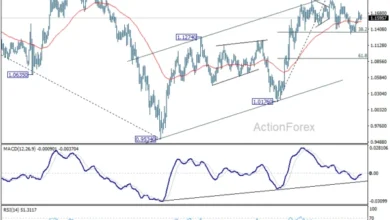
From a short-term technical perspective, traders and analysts at ActionForex acknowledge that pullbacks in Brent crude are not to be entirely discounted. Momentum indicators have indeed entered overbought territory, and a degree of profit-taking around the $100 mark would not be surprising. Such a move could represent a natural pause in the rally, allowing the market to consolidate before potentially advancing further.
However, the overarching technical view remains constructive. Unless Brent crude experiences a decisive fall back below the rising 55-day Exponential Moving Average (EMA), currently situated around 86.82, any correctional move is likely to be interpreted as a healthy pause rather than an indication that the uptrend has exhausted its potential. This EMA level serves as a critical support indicator, and its holding firm would reinforce the bullish sentiment.
In a scenario where geopolitical tensions continue to escalate, buyers are expected to utilize any price weakness as an opportunity to rebuild their positions. This would suggest that the underlying demand for oil, driven by supply concerns, remains robust.
Should Brent crude successfully establish a firm footing above the 100.64 level (the 61.8% Fibonacci retracement), the prospect of retesting the prior high of 119.50 becomes considerably more credible. The ultimate upside target beyond this level would then be contingent upon the pace of geopolitical escalation and any subsequent shifts in market expectations regarding the duration and severity of the supply risks. The interplay between escalating conflict and the market’s reaction will dictate the extent of further price appreciation.
Broader Economic and Geopolitical Context
The current surge in oil prices occurs against a backdrop of a global economy that is still navigating the aftermath of inflationary pressures and the lingering effects of the COVID-19 pandemic. Central banks worldwide have been engaged in a delicate balancing act, attempting to curb inflation without triggering a recession. Higher oil prices, if sustained, pose a significant challenge to this objective.
Background of Red Sea Instability: The Houthie movement in Yemen, which has been engaged in a protracted civil war, has increasingly utilized drones and missiles to target shipping lanes in the Red Sea. While initially focused on vessels with perceived links to Israel, the attacks have become more indiscriminate, impacting international trade routes. The international community, led by the United States and its allies, has responded with naval patrols and retaliatory strikes against Houthie targets, but a definitive resolution to the conflict remains elusive.
Strait of Hormuz Significance: The Strait of Hormuz, a 21-mile-wide waterway between Oman and Iran, is one of the world’s most critical maritime chokepoints. Approximately one-third of the world’s seaborne oil passes through it. Iran has, in the past, threatened to close the strait in response to international pressure or sanctions, a move that would have immediate and severe global economic repercussions. The current regional tensions have rekindled these concerns.
Timeline of Escalation (Illustrative based on typical patterns):
- Early Stages (Months Prior): Gradual increase in Houthie attacks on shipping in the Red Sea, initially met with limited international response.
- Mid-Stage (Weeks Prior): Attacks become more frequent and sophisticated, forcing major shipping companies to consider rerouting. Geopolitical rhetoric from regional actors intensifies.
- Current Stage (Present): Brent crude breaches $97, approaching $100. Major shipping lines actively reroute, increasing transit times and costs. Analysts warn of potential Strait of Hormuz disruption.
- Potential Future Stage (If $100 breached decisively): Market prices in genuine supply disruption. Equities and bonds react more sharply. Central banks face difficult policy decisions.
Official Responses and Market Reactions
As of the latest reporting, official responses from key players have been cautious, reflecting the delicate geopolitical situation.
- United States and Allies: Have reiterated their commitment to freedom of navigation and have increased naval presence in the region. Diplomatic efforts are ongoing, but concrete breakthroughs remain scarce.
- OPEC+ Nations: While some OPEC+ members are major oil producers, their public statements have generally focused on market stability and adherence to production quotas. The impact of current events on their future production decisions remains a key area of observation.
- International Shipping Organizations: Have issued strong warnings about the dangers to maritime traffic and have urged for de-escalation and the protection of commercial vessels.
The market’s reaction, as outlined, is a primary indicator of investor sentiment. The shift from a "risk premium" to a "supply crisis" narrative hinges on the perceived tangibility of supply disruptions. Should evidence emerge of significant reductions in export volumes from key producers like Saudi Arabia, the ripple effects across financial markets would be substantial. This would translate into higher inflation expectations, potentially forcing central banks to maintain restrictive monetary policies for longer, thereby impacting borrowing costs, investment decisions, and economic growth forecasts globally. The coming weeks will be crucial in determining whether the current surge in oil prices represents a temporary geopolitical concern or the harbinger of a more prolonged period of energy market volatility and inflationary pressures.