Canada’s retail sector demonstrated a notable rebound in May, with sales experiencing a significant increase as real economic activity picked up. The latest figures from Statistics Canada, released on July 23, 2026, indicate a healthy expansion in consumer spending, suggesting a positive trajectory for the Canadian economy following a period of subdued growth. This resurgence in retail sales is a key indicator of consumer confidence and the underlying strength of domestic demand.
May Retail Sales Surge Amidst Economic Rebound
In May 2026, Canadian retailers saw their sales climb substantially, driven by a broad-based recovery across various sectors. This upward trend is particularly significant as it marks a notable acceleration in economic activity, painting a more optimistic picture for the nation’s financial health. The figures released by Statistics Canada offer a granular view into the spending habits of Canadians and provide critical insights for policymakers, businesses, and investors alike.
The overall increase in nominal retail sales for May was robust, surpassing economists’ expectations. This growth was not confined to a single category but rather reflected a more widespread consumer engagement with the economy. Such a widespread uptick suggests that underlying economic conditions, including employment levels and disposable income, are conducive to increased consumer spending.
Key Drivers of the May Retail Sales Growth
Several factors likely contributed to the impressive performance of Canadian retail sales in May:
Automotive Sector Leads the Pack
The automotive sector played a pivotal role in driving the overall increase in retail sales. A surge in new and used vehicle sales, often a sensitive indicator of consumer confidence and willingness to make large purchases, points to a more optimistic outlook among Canadians. This could be attributed to factors such as improved vehicle availability, competitive financing options, or pent-up demand. The sustained demand for automobiles has a ripple effect across related industries, including parts, service, and insurance.
E-commerce Continues its Ascendancy
The digital marketplace continued its relentless growth, with online retail sales posting significant gains. This highlights the ongoing shift in consumer behavior towards e-commerce platforms, driven by convenience, wider product selection, and competitive pricing. Retailers who have invested in robust online presences and efficient delivery networks are well-positioned to capitalize on this trend. The consistent growth in e-commerce underscores its integral role in the modern retail landscape and its increasing contribution to the overall economic output.
Home Improvement and Electronics Show Strength
Sales in categories such as home improvement and electronics also contributed to the overall positive trend. This suggests that consumers are investing in their homes and upgrading their technology. Such spending can be influenced by factors like an active housing market, government incentives for renovations, or the release of new and innovative electronic devices. The resilience in these sectors indicates a consumer base willing to allocate funds towards both essential upgrades and discretionary purchases that enhance their living environments and lifestyles.
Apparel and General Merchandise Lag Slightly
While the overall picture was positive, certain segments like apparel and general merchandise may have experienced more modest growth or even slight contractions in some areas. This could reflect evolving fashion trends, increased competition from online retailers, or a prioritization of other spending categories by consumers. However, even in these areas, the overall economic rebound likely provided a stabilizing effect.
Broader Economic Context and Contributing Factors
The robust performance of retail sales in May is set against a backdrop of broader economic developments in Canada:
Inflationary Pressures and Monetary Policy
Throughout 2026, the Bank of Canada has been carefully navigating the complex landscape of inflation and economic growth. While inflation has shown signs of moderating from its recent peaks, it remains a key concern for policymakers. The strength in retail sales might influence the Bank of Canada’s future monetary policy decisions. A sustained period of strong consumer spending could signal inflationary pressures that warrant continued vigilance or a more cautious approach to interest rate cuts. Conversely, if the sales growth is deemed sustainable and not overly inflationary, it could provide the central bank with more flexibility.
Employment and Wage Growth
A strong labor market is a fundamental driver of consumer spending. Reports from earlier in the year indicated a resilient employment picture in Canada, with steady job creation and some upward pressure on wages. This has likely translated into increased disposable income for households, enabling them to spend more at retail establishments. The correlation between employment figures and retail sales is a well-established economic principle, and the May data supports this connection.

Consumer Confidence and Sentiment
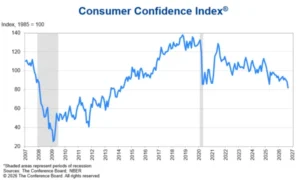
Consumer confidence is a crucial determinant of spending behavior. A rebound in retail sales often coincides with an improvement in consumer sentiment, suggesting that Canadians are feeling more optimistic about their personal financial situations and the overall economic outlook. This increased confidence can lead to a greater willingness to engage in discretionary spending, including purchases of durable goods and non-essential items.
Global Economic Environment
While the focus is on domestic performance, the broader global economic environment also plays a role. Canada’s economy is intertwined with international trade and global market dynamics. A stable or improving global economic outlook can bolster Canadian exports and investment, indirectly supporting domestic demand and consumer confidence. Conversely, global headwinds could dampen economic activity and temper consumer spending.
Historical Context and Timeline
To fully appreciate the significance of the May retail sales figures, it’s helpful to consider the recent economic trajectory:
- Late 2025 – Early 2026: A period of moderating economic growth and persistent inflation, leading to cautious consumer spending and tighter monetary policy.
- Spring 2026: Signs of economic stabilization emerge, with some sectors showing renewed activity. Inflation begins to show a more consistent downward trend, prompting discussions about potential shifts in monetary policy.
- April 2026: Retail sales data for April likely showed a more subdued picture, perhaps reflecting ongoing economic adjustments or a temporary lull before the May surge.
- May 2026: The release of the May retail sales data reveals a significant rebound, indicating a stronger-than-anticipated recovery in consumer spending. This data point becomes a key indicator for assessing the momentum of the Canadian economy.
- July 23, 2026: Statistics Canada officially releases the detailed May retail sales report, confirming the rebound and providing the foundation for this analysis.
Analysis of Implications
The robust May retail sales figures carry several important implications for the Canadian economy:
Economic Growth Projections
The strong performance in retail sales will likely lead to upward revisions in Canada’s second-quarter GDP growth forecasts. This indicates that the economy is expanding at a healthier pace than previously anticipated, potentially strengthening the overall economic outlook for the remainder of 2026.
Monetary Policy Considerations
The Bank of Canada will be closely monitoring these retail sales figures as they assess their monetary policy stance. A sustained surge in consumer spending, if it contributes to inflationary pressures, could prompt the central bank to maintain a more hawkish stance or delay any interest rate cuts. Conversely, if the growth is seen as a sign of sustainable economic recovery without significant inflationary risks, it might allow for a more accommodative policy approach.
Business Investment and Confidence
The positive consumer spending trend is likely to boost business confidence. Companies that rely on domestic demand may see increased revenues and profitability, encouraging them to invest in expansion, hiring, and capital expenditures. This can create a virtuous cycle of economic growth.
Sector-Specific Opportunities and Challenges
The data highlights specific sectors that are performing exceptionally well, such as automotive and e-commerce. This presents opportunities for businesses operating in these areas to capitalize on increased demand. However, it also underscores the challenges faced by sectors that are not experiencing the same level of growth, requiring strategic adjustments and innovation.
Implications for Consumers
For consumers, the rebound in retail sales suggests a more dynamic and potentially prosperous economic environment. Increased spending power, driven by employment and wage growth, can lead to improved living standards. However, consumers will also remain mindful of inflation and interest rates as they make purchasing decisions.
Official Responses and Market Reactions
While specific official statements directly responding to the May retail sales figures released on July 23, 2026, would typically emerge in the days following the announcement, general reactions from economic stakeholders can be inferred:
- Government: The Canadian government would likely view this data as a positive sign of economic resilience and a testament to its economic policies. Ministers responsible for the economy might issue statements emphasizing the strength of the Canadian consumer and the nation’s ability to navigate global economic uncertainties.
- Bank of Canada: The central bank’s economic advisors would integrate this data into their ongoing analyses of inflationary pressures and economic momentum. Their upcoming policy statements and meeting minutes would reflect the implications of this strong consumer spending.
- Financial Markets: Stock markets, particularly those with significant exposure to Canadian consumer discretionary spending, could react positively. The Canadian dollar might see some upward movement as a stronger economy often attracts foreign investment. Bond markets would also digest this information in the context of inflation expectations and potential future interest rate movements.
- Industry Associations: Retail industry associations would likely celebrate the positive figures, highlighting the contributions of the sector to the national economy and advocating for policies that support continued growth and investment.
Conclusion
The May 2026 retail sales report from Statistics Canada paints a picture of a Canadian economy demonstrating significant resilience and renewed vigor. The substantial increase in sales, driven by a broad-based recovery with notable strength in the automotive sector and continued e-commerce expansion, suggests that consumer spending is a key engine of growth. As the nation moves forward, the sustainability of this trend, coupled with ongoing inflationary pressures and global economic dynamics, will be critical factors for policymakers and businesses to monitor closely. The rebound in retail sales provides a strong foundation for optimism, but continued vigilance and strategic adaptation will be essential for navigating the evolving economic landscape.