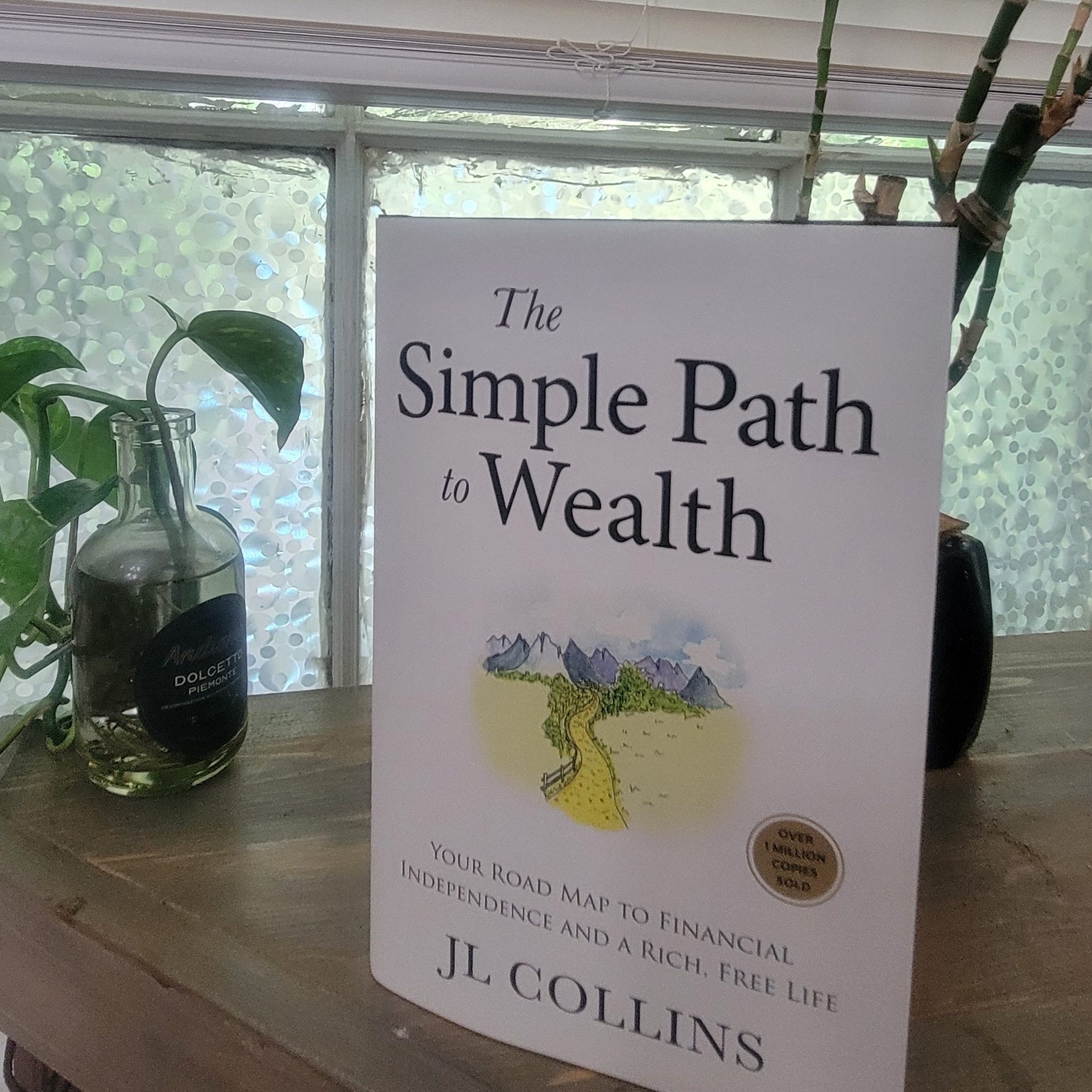
On May 20, a revised and expanded edition of the seminal personal finance book The Simple Path to Wealth by J.L. Collins will arrive in bookstores, marking a significant update to a text that has served as a cornerstone of the financial independence, retire early (FIRE) movement for nearly a decade. This updated volume seeks to preserve the core investment philosophies that propelled the original to international prominence while integrating a decade of market data, updated case studies, and a refined editorial structure to address the evolving economic landscape.
A Decade of Market Evolution
The original manuscript, completed in 2015, emerged during a period of relative economic stability. At the time of the book’s initial conception, the S&P 500 index closed at approximately 2,107 points. Over the ten years that followed, the global financial system navigated a series of unprecedented challenges, including the COVID-19 pandemic, shifts in international trade policy, fluctuations in interest rates, and the rapid emergence of digital asset classes.
As of early 2025, the S&P 500 has climbed to over 5,200, a trajectory that validates the long-term, index-based strategy championed by Collins. The decision to revise the book was driven not by a need to alter the fundamental investment thesis—which rests on the power of low-cost index funds and long-term holding—but by the necessity of stress-testing these principles against a volatile decade. The new edition incorporates updated "what-if" scenarios that reflect contemporary market volatility, ensuring that the advice remains actionable for investors navigating the post-2020 economic environment.
Chronology of the Revision Process
The path to this new edition began in mid-January, following an intensive period of reflection. The author initially grappled with the philosophical dilemma of updating a book whose primary value proposition was its timelessness. During the early stages of development, the revision process proved more demanding than the initial writing of the original manuscript.
The project required a comprehensive audit of existing data sets and a systematic integration of reader feedback gathered over the last ten years. A notable addition to the collaborative process was the involvement of the author’s daughter, Jess, who contributed to the revision. This generational perspective serves to bridge the gap between the original audience—many of whom were seeking a roadmap for mid-life financial restructuring—and a younger demographic now entering the workforce. The final manuscript was prepared with the support of Authors Equity, a move that signals a transition from the self-published, grassroots origins of the work to a more structured, professional publishing standard.
Enhancements and New Features
The revised edition introduces several structural improvements designed to enhance user utility. Among the most anticipated additions is a section titled "What it Looks Like when Everything Financial Goes Wrong," a case study designed to provide readers with a realistic framework for managing extreme market downturns.
Additionally, the book now features a dedicated "Tool Kit" section. This repository addresses the most frequently asked questions submitted by readers since 2015. These queries cover a wide range of topics, including the nuances of different life stages, the mechanics of managing specific retirement accounts, and the author’s perspective on modern speculative instruments like cryptocurrency. By formalizing these answers within the text, the new edition functions both as a foundational guide for novices and a reference manual for experienced investors. The physical production of the book has also been upgraded, aligning with the quality standards of contemporary high-end non-fiction publishing to ensure long-term durability.
Financial Principles in a Changing Landscape
The core of the book remains rooted in the "Simple Path" philosophy: achieving financial independence through high savings rates, avoidance of consumer debt, and the aggressive utilization of low-cost, broad-market index funds. Critics and proponents alike have observed that the persistence of this strategy through three presidential administrations and multiple speculative bubbles reinforces the validity of passive, long-term wealth accumulation.
The inclusion of updated data is critical for modern investors who have been conditioned by the volatility of the post-pandemic era. The new edition provides a longitudinal look at how simple index strategies perform during periods of high inflation and rapid technological disruption. By expanding the content to include these newer market phenomena, the text provides a broader empirical basis for the "stay the course" mentality that remains the author’s hallmark.
Industry Impact and Market Reception
The release of this edition arrives at a time when interest in personal finance literature is at an all-time high, spurred by the accessibility of digital financial tools and the rise of social media-based financial education. By collaborating with notable figures in the industry, such as Pete Adeney (widely known as Mr. Money Mustache), the launch strategy leverages existing networks to reach a global audience of aspiring independent investors.
From an analytical standpoint, the longevity of The Simple Path to Wealth serves as a case study in the power of evergreen content. While many finance books lose relevance within five years due to changing tax laws or market conditions, this book has maintained its status as a top-selling guide by focusing on psychology and behavioral finance rather than short-term market timing. The update is expected to solidify the book’s position as a primary resource for those seeking to automate their savings and remove the emotional component from investment decision-making.
Strategic Distribution and Availability
The publisher has implemented a multi-channel distribution strategy for the release. The book is currently available for preorder via a dedicated website, thesimplepathtowealth.com, with a 10% discount currently offered through major retailers such as Barnes & Noble. A critical note for potential buyers is the distinction between the original paperback edition and the newly revised hardcover/expanded edition. To avoid confusion, consumers are advised to verify that the specific ISBN or product description explicitly states "Revised & Expanded Edition."
The transition from a self-published project to a professionally edited, expanded edition reflects the maturation of the author’s brand. As Collins noted during the preparation of this release, the goal of the new edition is to provide a more refined, comprehensive version of the original while maintaining the simplicity that defined the brand’s success. The involvement of a professional publishing team ensures that the book meets the production values expected in today’s competitive publishing market, providing a polished experience for the reader.
Future Implications for Investors
The broader implication of this release is the continued normalization of the FIRE movement’s principles within mainstream financial discourse. As more individuals move toward retirement or seek career flexibility, the demand for structured, low-complexity investment advice continues to grow. By updating the book to address contemporary concerns—such as the role of digital assets and the complexities of modern, multi-decade retirement planning—the author is positioning the work to remain relevant for another ten-year cycle.
The publication of this edition acts as a benchmark for the industry, proving that consistent, disciplined, and simplified investment strategies remain the most reliable path to wealth creation. As the global economy continues to shift, the emphasis on timeless principles, supported by updated data and improved pedagogical structure, provides a stable anchor for investors at every stage of their professional and personal lives. The upcoming live sessions and community engagement initiatives surrounding the release underscore the shift toward a more interactive, digital-first approach to financial literacy, ensuring that the legacy of the original work remains accessible to future generations.