The Paradox of Wealth and Elderly Discomfort Addressing the Activation Energy Gap in Senior Care and Safety

The intersection of personal finance and geriatric wellness reveals a persistent irony: the demographic with the highest net worth often resides in the most substandard or hazardous conditions. While retirees over the age of 65 hold a significant portion of national wealth, many continue to endure preventable physical discomforts, ranging from malfunctioning climate control systems to deteriorating household infrastructure. Financial experts and geriatric specialists suggest that this phenomenon is rarely a matter of liquidity; rather, it is a complex interplay of psychological inertia, physiological adaptation, and a decline in what is known as "activation energy." Recent observations from the field of elder care highlight that even minor investments—such as a $400 air conditioning upgrade or an $80 vehicle repair—can be the difference between health and catastrophic medical emergencies.
The Wealth-Comfort Gap in Aging Populations
According to data from the Federal Reserve, Americans aged 65 and older hold more than 50% of the country’s household wealth. Despite this, a significant subset of this population lives in "lifestyle-lag," where their living standards do not reflect their financial capabilities. This discrepancy often manifests in the refusal to replace aging appliances, repair household leaks, or upgrade safety features in vehicles.
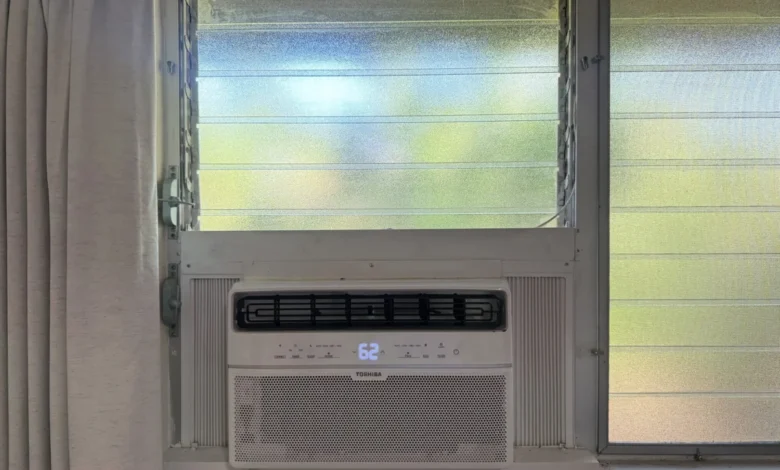
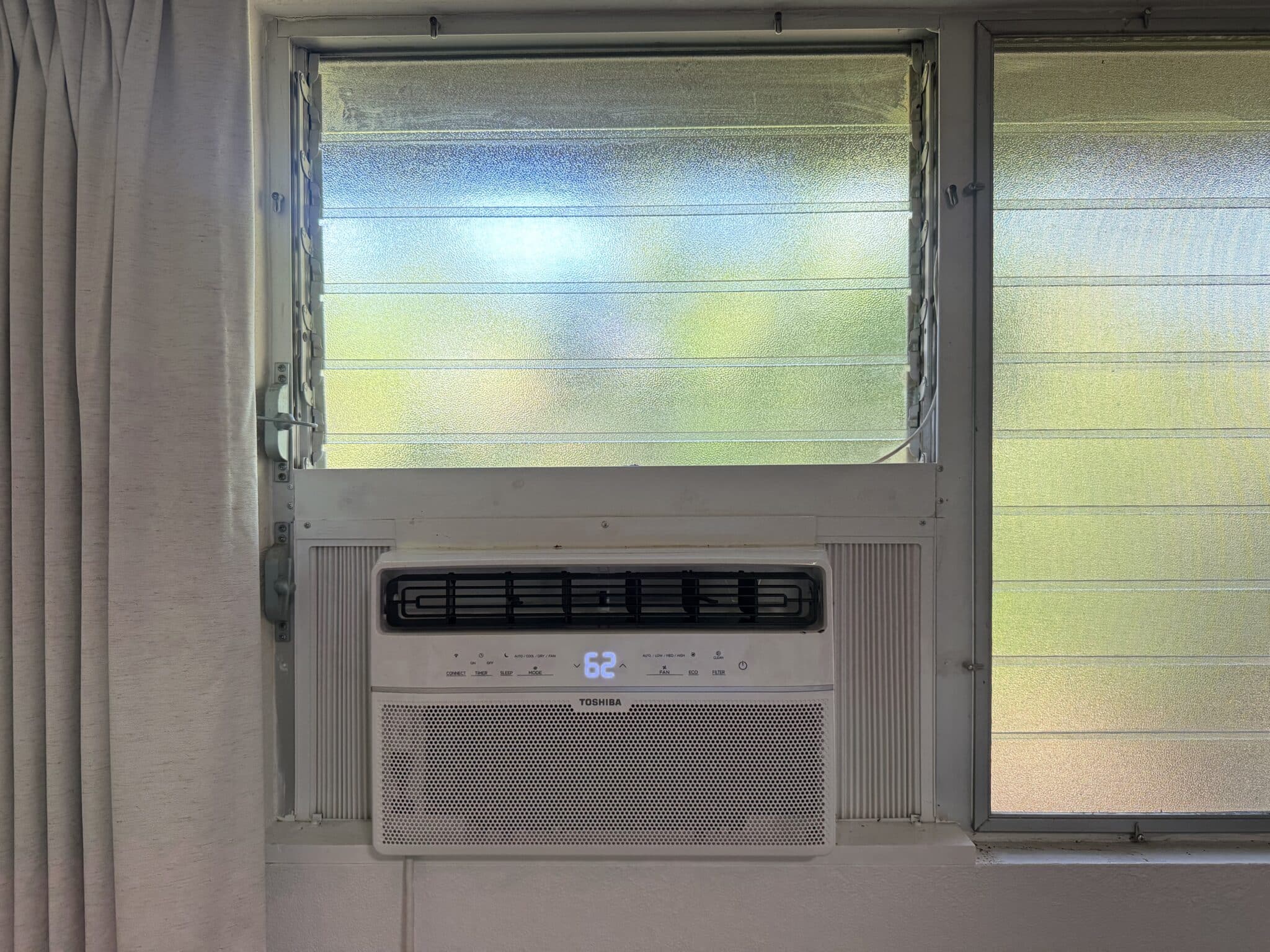
In a recent case study involving elderly residents in high-temperature climates like Honolulu, Hawaii, it was observed that many seniors were utilizing window-unit air conditioners that were over 40 years old or entirely non-functional. In environments where temperatures regularly exceed 85 degrees Fahrenheit with high humidity, the lack of climate control is not merely an inconvenience but a significant health risk. The cost to remediate these issues is often negligible relative to the individual’s net worth—often requiring less than $500 for a total replacement and installation—yet the "activation energy" required to initiate the repair remains a formidable barrier.
The Physiological and Environmental Risks of Heat Stress
The reluctance to invest in cooling technology carries lethal implications. The World Health Organization (WHO) reports that heat stress is the leading cause of climate-related death in the European Region, claiming more than 175,000 lives annually. Globally, the figures are even more staggering. Approximately 85% to 90% of these heat-related fatalities occur in individuals over the age of 65.
Medical experts attribute this vulnerability to the biological process of aging. As the human body ages, its ability to thermoregulate—the process of maintaining a steady internal temperature—diminishes. The efficiency of sweating and blood flow to the skin decreases, making it harder for seniors to cool down. Furthermore, chronic conditions such as cardiovascular disease and respiratory issues are exacerbated by extreme heat. Despite these known risks, many seniors report "adapting" to the heat, often failing to realize that their perception of temperature does not align with the physiological strain their bodies are enduring.

The Concept of Activation Energy in Senior Maintenance
The primary obstacle to improving senior living conditions is frequently misidentified as frugality. However, behavioral economists suggest the real culprit is a lack of "activation energy"—the initial effort required to start a process. For an elderly individual, the logistics of a home or vehicle repair are significantly more daunting than they are for a younger adult.
A standard repair, such as fixing a vehicle’s air conditioning system, involves several high-effort steps:
- Identifying a reputable service provider.
- Scheduling an appointment and coordinating transportation.
- Managing the potential for fluctuating costs or predatory pricing.
- Enduring the noise, disruption, and physical movement required to facilitate the fix.
For a person in their 80s, these steps can represent an uphill climb that outweighs the perceived benefit of the repair. Consequently, many seniors choose "inertia," allowing discomfort to fade into the background noise of daily life. This "doing nothing" approach costs zero energy in the short term but accumulates significant risk over time, such as mold from unrepaired leaks or heat stroke from non-functional AC units.
Chronology of Neglect: A Pattern of Gradual Adaptation
The transition from a well-maintained home to a hazardous environment often follows a predictable timeline:
- Phase 1: Minor Malfunction. A secondary appliance or non-essential feature (e.g., a car’s power window or a guest room AC) fails. The senior decides it is "not worth the hassle" to fix.
- Phase 2: Habitual Adaptation. The senior adjusts their daily routine to avoid the broken item. They may stop using certain rooms or drive only during cooler hours.
- Phase 3: Perceptual Normalization. The discomfort becomes the new normal. Leaking pipes are managed with rags; blurry televisions are accepted as a sign of aging eyes rather than a failing screen.
- Phase 4: Critical Failure. A primary system fails (e.g., the main refrigerator or the driver-side AC during a heatwave), leading to a direct threat to health or safety.
This timeline illustrates how "frugality" can morph into "dangerous neglect" without the individual noticing the shift.
The Tragedy of Preventable Neglect: The Gene Hackman Case
The dangers of this phenomenon were underscored by the tragic events surrounding Academy Award-winning actor Gene Hackman and his wife, Betsy Arakawa, in early 2025. Despite Hackman’s reported net worth of $80 million, the couple was found deceased in their Santa Fe home under distressing conditions. Investigations revealed that the property had fallen into significant disrepair, with evidence of rodent infestations that led to Arakawa contracting hantavirus pulmonary syndrome—a rare but preventable disease spread by rodent droppings.
Hackman, 95 and suffering from advanced Alzheimer’s, remained in the home with his deceased wife for several days before succumbing to heart failure. This case serves as a stark reminder that wealth is not a shield against the consequences of decreased activation energy. The resources to hire cleaners, pest control, and caretakers were readily available, yet the cognitive and physical energy required to organize those services had evaporated.
The Strategic Role of Adult Children and Caregivers
Social workers and elder care advocates emphasize that adult children must play an active role in providing the "activation energy" for their parents. Rather than offering advice or "committee-style" discussions about repairs, experts suggest a more direct approach:
- Direct Observation: Extended visits are necessary to identify issues that seniors have normalized. A brief phone call will rarely reveal a leaking ceiling or a non-functional car AC.
- Logistical Absorption: Caregivers should handle the research, scheduling, and supervision of repairs. The goal is to remove the friction of the process rather than just providing the funds.
- Incremental Improvements: Introducing modern conveniences, such as grocery delivery apps or ride-sharing services, can reduce the physical toll on seniors and prevent them from engaging in hazardous tasks.
- Safety Audits: Regular checks of smoke detectors, HVAC systems, and vehicle safety features should be treated as non-negotiable insurance against catastrophic events.
Broader Implications and Economic Analysis
The failure of the wealthy elderly to spend on their own comfort has broader economic implications. It contributes to the "frozen" nature of the housing market, where large, aging-in-place populations live in homes that are deteriorating in value due to lack of maintenance. Furthermore, it places an increased burden on the healthcare system; a $100 repair to a trip hazard or a $500 AC unit is significantly more cost-effective than a $50,000 hospital stay for a broken hip or heat exhaustion.
The "frugality" observed in the "Silent Generation" and older Baby Boomers is often a vestige of mid-century conditioning, where "making do" was a virtue. However, in the context of modern climate extremes and advanced age, this virtue can become a liability.
Conclusion: Reimagining Frugality in Later Life
The ultimate purpose of wealth accumulation is to provide security and comfort. When the pursuit of "saving" begins to shorten one’s life or degrade its quality, the tool of money has failed its owner. Addressing the "activation energy" gap requires a shift in how society views elder care—moving away from just financial support toward logistical and emotional intervention.
By removing the "small, boring costs" of household maintenance, families can eliminate "catastrophic risks." Whether it is $80 for refrigerant to fix a car’s cooling system or a few hundred dollars to ensure a home is free of pests and heat, these investments are the most rational use of capital for the aging wealthy. As the global population continues to age, bridging the gap between financial status and living standards will remain a critical challenge for families and policymakers alike.