A Practical Introduction to Hands-On AI Trading with Python, QuantConnect, and AWS

The integration of artificial intelligence into quantitative finance is no longer a theoretical pursuit; it is a fundamental shift reshaping how trading strategies are conceived, developed, and deployed. From sophisticated machine learning models capable of discerning intricate market patterns to advanced large language models that process real-time unstructured news data, AI is becoming an indispensable component of modern financial markets. However, for many practitioners, the critical challenge lies not in acknowledging the power of AI, but in its rigorous, realistic, and scalable application.
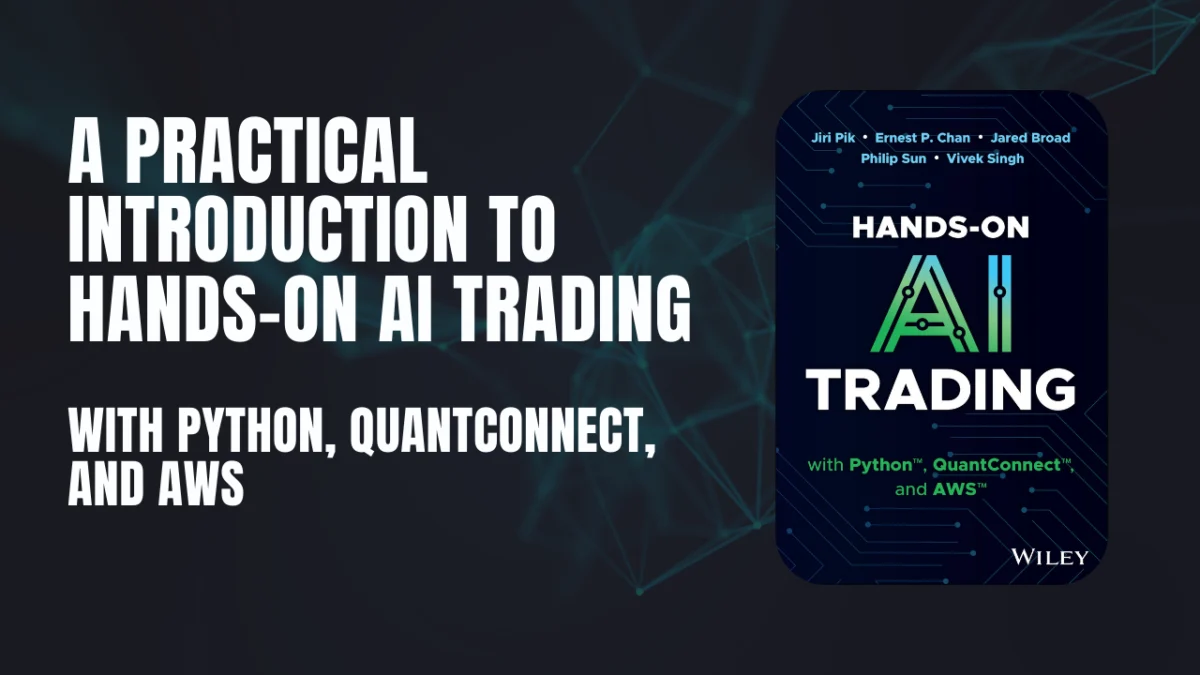
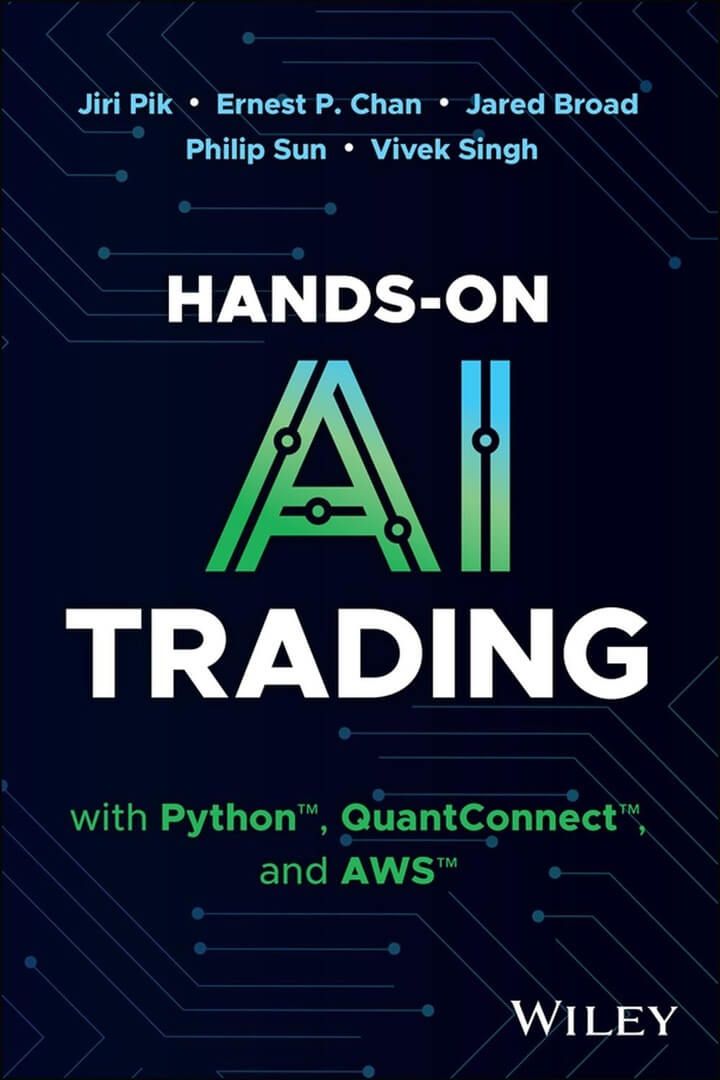
This complex landscape is precisely the terrain navigated by the recently published book, Hands-On AI Trading with Python, QuantConnect, and AWS. Published by Wiley, this comprehensive guide eschews abstract theoretical discussions in favor of a practical, end-to-end approach to building deployable AI trading strategies within a professional research framework. The book aims to demystify the application of AI in trading, offering a tangible roadmap for those seeking to translate cutting-edge technology into actionable trading systems.
The Genesis of a Practitioner-Focused Guide
The proliferation of AI in trading has led to a deluge of academic papers, blog posts, open-source repositories, and individual notebooks. While these resources offer valuable insights, they often lack a cohesive, practitioner-oriented pathway that bridges theoretical AI concepts with the pragmatic realities of live trading. These realities include the critical factors of data quality, the impact of execution frictions like slippage and commissions, and the overarching necessity of robust risk management. Hands-On AI Trading with Python, QuantConnect, and AWS was conceived to fill this significant void.
The authors deliberately move beyond treating AI models as opaque "black boxes." Instead, their methodology emphasizes:
- Iterative Hypothesis Testing: Encouraging a cyclical process of formulating hypotheses, developing corresponding AI models, rigorously backtesting their performance, and critically evaluating associated risks.
- Realistic Constraints: Integrating considerations for data sourcing and cleaning, feature engineering, model selection and validation, and performance evaluation under market conditions that reflect real-world trading environments.
- Operationalization: Focusing on the practical steps required to move a strategy from research to potential deployment, including aspects of infrastructure, monitoring, and risk control.
This approach is designed to mirror the day-to-day operations of professional quantitative traders and researchers, fostering a deep understanding of how AI can be effectively integrated into the entire trading lifecycle.
Authoritative Perspectives Driving Practical Insights
The credibility and utility of a book on quantitative finance are significantly enhanced by the authors’ expertise and diverse backgrounds. Hands-On AI Trading with Python, QuantConnect, and AWS benefits from a rare confluence of perspectives spanning trading, cutting-edge technology platforms, and AI infrastructure development. This multidisciplinary approach ensures that the material presented is not only technically sound but also operationally relevant and aligned with the workflows of modern institutional trading firms.
The author team brings together individuals with deep experience in:
- Quantitative Trading and Strategy Development: Bringing decades of experience in designing, implementing, and managing algorithmic trading strategies across various asset classes and market conditions.
- AI and Machine Learning Expertise: Possessing specialized knowledge in applying advanced AI techniques to financial data, including feature engineering, model development, and performance optimization.
- Cloud Computing and Infrastructure: Understanding the critical role of scalable and robust technological infrastructure in deploying and managing trading systems, particularly in the context of cloud-based solutions.
This collective expertise ensures that the book provides a holistic view, addressing the technical intricacies of AI while grounding them in the practical demands of real-world trading operations.
A Distinctive Approach to AI in Trading
Several key differentiators set Hands-On AI Trading with Python, QuantConnect, and AWS apart from existing literature on AI in finance:
Strategy-First, Not Model-First Philosophy
A core tenet of the book’s methodology is its "strategy-first" approach. Each chapter commences with a clearly defined trading objective or problem, rather than an abstract algorithmic concept. AI models are introduced only when they demonstrably enhance the economic rationale or operational efficiency of the proposed strategy. This user-centric perspective encourages readers to think critically about the "why" behind employing AI, prompting essential questions such as:
- What is the specific market inefficiency we aim to exploit?
- How can AI help us better understand or predict price movements?
- What are the trade-offs between model complexity and its practical utility?
- How does the AI model contribute to managing risk or improving execution?
This philosophy closely mirrors the actual process of professional quantitative research, where the objective is to develop profitable and robust trading strategies, with AI serving as a powerful tool to achieve that goal.
Over Twenty Fully Implemented AI Trading Strategies
The book’s substantive contribution lies in its detailed exposition of more than twenty complete, end-to-end AI trading strategies. Each strategy is presented as a fully functional system, encompassing:
- Clear Trading Objectives: Defining the specific market behavior or inefficiency the strategy aims to capture.
- Data Acquisition and Preprocessing: Detailing the sources of data and the steps taken to clean, normalize, and prepare it for model consumption.
- AI Model Development: Explaining the choice of AI models, their architecture, training procedures, and hyperparameter tuning.
- Backtesting and Performance Evaluation: Providing rigorous backtesting methodologies and comprehensive performance metrics to assess the strategy’s historical efficacy.
- Risk Management Integration: Incorporating essential risk controls, such as position sizing, stop-losses, and diversification techniques.
- Execution Simulation: Accounting for realistic trading costs, slippage, and market impact to provide a more accurate assessment of profitability.
Representative examples of strategies covered include:
- Volatility-Based Trading: Strategies that capitalize on predictable patterns in market volatility.
- Market Regime Detection: Models that identify and adapt to different market states (e.g., trending, mean-reverting, high-volatility).
- Cross-Asset Alpha Generation: Developing alpha signals by analyzing relationships and price discrepancies across different asset classes.
- NLP-Driven Sentiment Analysis: Leveraging natural language processing and large language models to extract trading signals from news and social media.
- Reinforcement Learning for Dynamic Execution: Employing RL agents to optimize trade execution in real-time.
Crucially, each strategy is presented as a deployable QuantConnect algorithm, rather than an isolated notebook. This format ensures that readers are exposed to production-ready code that can be directly integrated into a live trading environment, fostering a seamless transition from learning to application.
The QuantConnect Ecosystem: From Research to Deployment
A significant advantage of the book’s approach is its foundation on QuantConnect’s cloud-based algorithmic trading platform. This integrated environment liberates readers from the complexities of setting up and managing their own research and deployment infrastructure, allowing them to concentrate on the core aspects of AI strategy development.
Key benefits of this approach include:
- Unified Research and Deployment Environment: QuantConnect provides a single platform for data access, algorithm development, backtesting, and live trading, streamlining the entire workflow.
- Access to High-Quality Historical Data: The platform offers a vast repository of historical market data across numerous asset classes, essential for robust strategy testing.
- Simulated Live Trading: Readers can test their strategies in a simulated live trading environment, experiencing the platform’s real-time execution capabilities and market dynamics.
- Integrated Risk and Performance Analytics: QuantConnect offers built-in tools for analyzing strategy performance, risk metrics, and portfolio attribution, facilitating informed decision-making.
This integrated setup allows for the incorporation of realistic market constraints, such as contract rollovers, slippage modeling, margin requirements, and execution costs. Consequently, the learning experience is directly transferable to professional trading environments, equipping readers with practical skills honed within a production-grade system.
For individuals new to quantitative trading, QuantInsti offers a foundational learning track titled Quantitative Trading for Beginners on its Quantra platform. This free resource provides essential concepts and knowledge, preparing learners for the more advanced topics covered in the book.
Exploring Diverse Strategy Themes
The book delves into a wide array of strategy themes, reflecting the multifaceted applications of AI in trading:
Volatility and Risk-Aware Strategies
Understanding and predicting volatility is paramount in quantitative trading. The book explores strategies that:
- Forecast Volatility: Utilizing AI models to predict future volatility levels, informing trading decisions and risk management.
- Exploit Volatility Patterns: Developing strategies that systematically profit from predictable volatility dynamics, such as mean reversion or clustering.
- Dynamic Risk Adjustment: Adapting trading positions and risk exposure based on real-time volatility assessments.
Regime Detection and Market States
Markets are rarely static; they evolve through distinct phases or regimes. The book demonstrates how AI can be employed to:
- Identify Market Regimes: Building models that classify current market conditions (e.g., trending, sideways, high-volatility).
- Adapt Strategies to Regimes: Developing adaptive algorithms that modify their behavior based on the detected market regime, enhancing robustness and performance.
- Predict Regime Transitions: Exploring AI techniques to anticipate shifts between different market states.
Alpha Generation Across Data Types
The pursuit of alpha, or excess returns, is a central objective. The book showcases how AI can uncover alpha signals from diverse data sources:
- Traditional Market Data: Extracting predictive signals from price, volume, and order book data using advanced ML techniques.
- Alternative Data Sources: Leveraging non-traditional data, such as satellite imagery, credit card transactions, and supply chain information, to gain unique insights.
- Fundamental Data Integration: Combining AI-driven insights with traditional fundamental analysis for a more comprehensive approach.
NLP, LLMs, and Alternative Data
The advent of powerful Natural Language Processing (NLP) and Large Language Models (LLMs) has opened new frontiers for trading. The book covers:
- Sentiment Analysis: Using LLMs to gauge market sentiment from news articles, social media, and corporate filings.
- Event Extraction: Identifying and interpreting significant events from unstructured text that may impact asset prices.
- Information Synthesis: Employing AI to summarize and extract actionable insights from vast volumes of textual data.
For those interested in the application of NLP in trading, the free Quantra course Introduction to Machine Learning in Trading provides a valuable starting point, offering foundational knowledge in ML techniques applicable to financial data, including text-based analysis.
Accessing In-Depth Knowledge: A Free Book Summary
To facilitate an informed decision for potential readers, a complimentary downloadable summary of Hands-On AI Trading with Python, QuantConnect, and AWS is available. This comprehensive summary, meticulously crafted based on the book’s full draft by Jiri Pik, offers an in-depth overview of the strategies presented, the key learning outcomes, and practical takeaways. It serves as an excellent resource for quickly assessing the book’s relevance to individual learning objectives and professional interests.
Target Audience: Empowering the Next Generation of Quants
Hands-On AI Trading with Python, QuantConnect, and AWS is meticulously designed for a broad spectrum of individuals within the financial and technology sectors. The ideal reader profile includes:
- Quantitative Traders and Analysts: Professionals seeking to enhance their existing trading frameworks with advanced AI capabilities.
- Data Scientists and Machine Learning Engineers: Individuals looking to apply their AI expertise to the specific challenges and opportunities within financial markets.
- Software Developers and Programmers: Those aiming to build robust, production-ready algorithmic trading systems.
- Students and Academics: Individuals pursuing studies in finance, data science, or computer science who want a practical, hands-on understanding of AI in trading.
- Hedge Funds and Proprietary Trading Firms: Institutions seeking to equip their teams with the latest tools and methodologies for AI-driven trading.
Essentially, anyone whose objective is to move beyond theoretical AI concepts and actively apply artificial intelligence to real-world trading decisions will find this book an invaluable resource.
Early Reader Impressions: Validation of Practicality
Initial feedback from early readers of Hands-On AI Trading with Python, QuantConnect, and AWS has been overwhelmingly positive, highlighting the book’s unique blend of theoretical depth and practical applicability:
- "A rare combination of depth and practicality; these are strategies you can actually build on."
- "Bridges the gap between machine learning theory and real trading systems."
- "Particularly strong on intuition and decision-making, not just code."
These testimonials underscore the book’s success in delivering actionable knowledge that resonates with practitioners facing the real-world challenges of algorithmic trading.
Next Steps for Aspiring AI Traders
For individuals inspired by the insights and methodologies presented in the book, several actionable next steps are recommended:
- Acquire the Book: Purchase Hands-On AI Trading with Python, QuantConnect, and AWS to gain access to the detailed explanations and code examples.
- Explore QuantConnect: Familiarize yourself with the QuantConnect platform by signing up for an account and exploring its features, documentation, and community forums.
- Complete Foundational Courses: If new to quantitative trading or machine learning, consider completing introductory courses on platforms like Quantra to build a solid knowledge base.
- Engage with the Community: Participate in online forums, attend webinars, and connect with other practitioners to share knowledge and collaborate on ideas.
- Experiment and Iterate: Apply the book’s principles to your own trading ideas, experimenting with different AI models and strategies, and rigorously backtesting your results.
Fostering a Collaborative Future in Quantitative Finance
At QuantInsti, the vision extends beyond providing educational resources; it encompasses fostering a vibrant and collaborative global community dedicated to advancing quantitative finance. The mission is to democratize access to sophisticated tools and research methodologies, empowering both individuals and institutions to navigate the complexities of financial markets with greater confidence and insight.
The ideas explored in this article, and indeed within the book itself, are intended to stimulate innovation and encourage shared learning. QuantInsti actively invites contributions to its platform, welcoming researchers, developers, and practitioners to share their insights, strategies, and tools. Whether through building novel strategies, developing advanced analytical tools, conducting groundbreaking research, or pioneering new applications of AI, every contribution adds significant value to the collective knowledge base and propels the evolution of quantitative trading forward. By embracing open collaboration, the community can collectively build a more robust, intelligent, and accessible future for algorithmic trading.
Disclaimer: This article is intended for informational and educational purposes only. It does not constitute financial advice, investment recommendations, or an endorsement of any specific trading strategy or asset. All trading and investment activities carry significant risks, and individuals should conduct their own thorough research, assess their personal risk tolerance, and consult with qualified financial professionals before making any investment decisions.