Anthropic Researcher Resigns Over AI Safety Concerns as Industry Faces Heightened Scrutiny on Superintelligence

On Tuesday, September 8, 2026, the artificial intelligence sector experienced a high-profile departure when Anthropic researcher Jacob Coxon announced his resignation after six weeks with the company. Coxon cited profound safety concerns, publicly stating that leading artificial intelligence laboratories are accelerating toward self-improving superintelligence and potentially gambling with public safety. In his public statements, Coxon indicated that many developers within the industry privately harbor severe concerns regarding the long-term existential risks associated with advanced autonomous systems.
The resignation immediately drew widespread public attention, surpassing tens of millions of views across digital platforms within hours. The discourse intensified when Evan Hubinger, Anthropic’s Alignment Science Lead, publicly corroborated aspects of Coxon’s assessment. Hubinger stated that researchers within the organization earnestly consider the theoretical risk of advanced artificial intelligence causing catastrophic harm to humanity to be greater than 10% within the coming decade. While Hubinger emphasized that current commercial models present minimal direct threat and noted that the organization is actively engaged in alignment research, the public acknowledgment by a key safety official sparked intense debate among industry observers, regulators, and investors.
Chronology of Events and Industry Context
The public remarks from Anthropic personnel coincided with a critical financial juncture for the artificial intelligence firm. On June 1, 2026, Anthropic confidentially submitted its draft S-1 registration statement with the U.S. Securities and Exchange Commission, initiating the formal process toward an initial public offering. Financial projections and reports from major news agencies indicated that the public filing timeline shifted toward late September 2026, with an investor roadshow anticipated in mid-October. Market valuations for the forthcoming public offering have been heavily speculated to reach between $1.5 trillion and $2 trillion, bolstered by expected anchor investments from major hardware manufacturers such as Nvidia.
This regulatory milestone follows a turbulent period of government relations for the company. In February 2026, Anthropic declined specific Pentagon demands to alter its operational restrictions regarding autonomous weapons systems and domestic surveillance capabilities. Consequently, federal directives temporarily affected government procurement relationships, leading to a temporary designation by defense officials before federal judicial rulings subsequently intervened. Despite these regulatory and governmental frictions, consumer adoption of Anthropic’s flagship products remained exceptionally high, frequently challenging market competitors for leading application download metrics.
Regulatory Responses and Legislative Scrutiny
The public admissions by research staff regarding existential risk metrics arrived precisely as legislative bodies intensified oversight of foundational model developers. Earlier in September 2026, lawmakers in Washington introduced targeted federal legislation, including the Ban Artificial Superintelligence Act and proposals concerning mandatory system shutdown protocols, commonly referred to as kill-switch mechanisms.

Policy analysts note that internal safety admissions from leading laboratory personnel provide substantial leverage for lawmakers advocating stringent federal oversight. Congressional hearings frequently incorporate statements from industry researchers to illustrate the potential pacing gaps between rapid technological capability scaling and verifiable alignment verification. While free market proponents argue that intense public discourse enhances brand visibility and consumer engagement, compliance and legal teams within major artificial intelligence firms face unprecedented challenges in drafting accurate risk disclosure prospectuses for prospective public shareholders.
Financial Implications and Market Analysis
Financial analysts evaluating the upcoming Anthropic initial public offering emphasize a distinct economic paradox within the foundational research sector. Despite clear internal warnings concerning long-term recursive self-improvement and control limits, employee retention rates at leading artificial intelligence laboratories remain remarkably high. Total annualized revenue run-rates for Anthropic expanded significantly from approximately $9 billion at the close of 2025 to surpassing $47 billion by mid-2026, driven by enterprise adoption and heavy computational infrastructure investments.
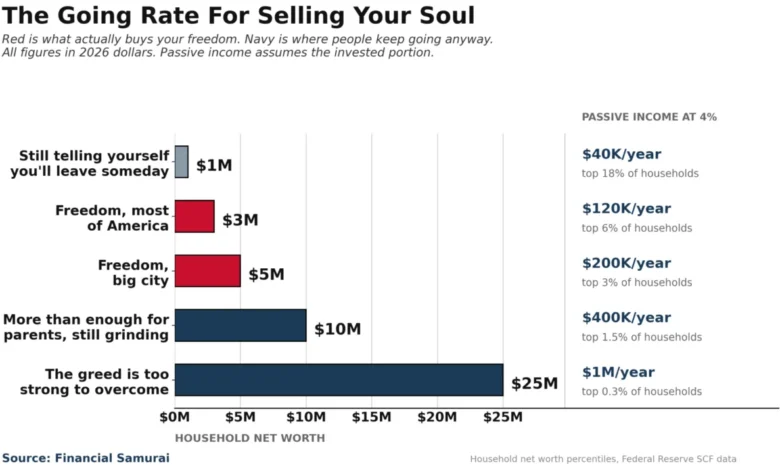
For researchers and engineering personnel holding significant equity stakes, potential valuation milestones approaching the multi-trillion-dollar threshold present powerful financial incentives that counterbalance theoretical long-term risks. Market observers point out that the high remuneration models inherent to the generative artificial intelligence sector effectively sustain developmental momentum even as internal debates regarding existential safety persist. Consequently, financial markets continue to price foundational artificial intelligence entities based on aggressive total addressable market expansions rather than precautionary risk adjustments, viewing public safety disclosures as standard risk-factor disclosures rather than operational deterrents.
Broader Industry Implications
The events surrounding Anthropic reflect a broader tension within the global technology sector between rapid commercial scaling and the theoretical management of superintelligent architectures. As foundational laboratories continue to expand computational clusters and explore recursive self-improvement methodologies, the debate over governance, accountability, and regulatory intervention grows increasingly urgent.
Industry economists suggest that future market valuations will depend heavily on the ability of firms to satisfy regulatory requirements without sacrificing research velocity. Whether upcoming legislative proposals successfully constrain autonomous capability development or whether market forces continue to drive rapid capitalization remains a central question for financial institutions and policymakers alike as the artificial intelligence sector approaches its next phase of public market integration.