Citizens Bank Announces Strategic Overhaul of Branch Network, Pivoting to Advisory-Centric Model and Consolidating Physical Footprint

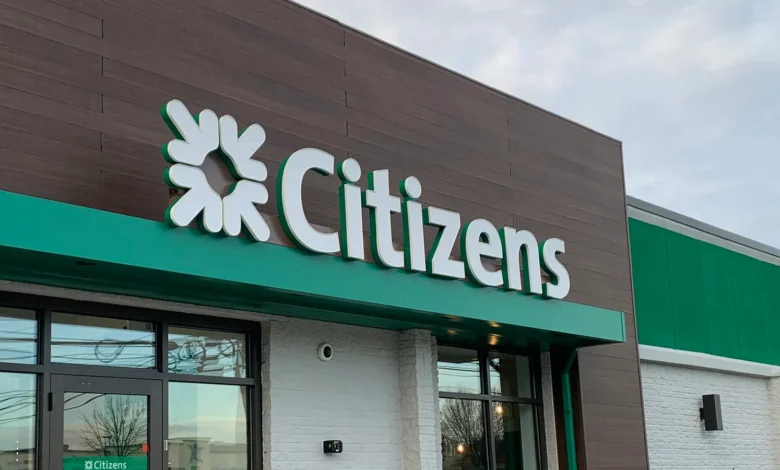
Citizens Bank is embarking on a significant transformation of its physical branch network, a strategic move poised to redefine its customer engagement model and operational efficiency. The bank revealed Thursday in its second-quarter earnings presentation that it plans to close between 100 and 120 existing supermarket-based locations. In a simultaneous but targeted expansion, Citizens will launch 50 to 60 new, stand-alone branches in proximate neighborhoods, shifting its operational focus squarely onto high-value financial services. This strategic pivot emphasizes personalized advice, private banking, wealth management, and dedicated support for small businesses, signaling a clear move away from transactional, retail-oriented banking within grocery store environments.
The Rationale Behind the Shift: A Focus on Value and Efficiency
The decision to reconfigure its branch footprint is rooted in a meticulously planned strategy to enhance deposit trajectories and optimize capital expenditure. Bruce Van Saun, CEO of Citizens, articulated the bank’s vision during a recent conference call, stating, "This type of careful investment in physical locations and in people, if executed well, should create a nice lift in the deposit trajectory without taking on the risk and significant capital expenditure of opening a whole bunch of de novos outside of the footprint." This statement underscores a prudent, efficiency-driven approach, prioritizing the qualitative enhancement of existing markets over a broad, speculative geographical expansion.
The move comes at a time when the banking industry is grappling with evolving consumer behaviors, marked by an increasing reliance on digital channels for routine transactions. For Citizens, the strategy represents an acknowledgement that while physical branches remain crucial, their purpose must evolve. Supermarket branches, often characterized by their smaller size, limited privacy, and focus on basic transactions, no longer align with the bank’s ambition to cultivate deeper, more complex financial relationships with its clientele. The new stand-alone branches are designed to offer a more conducive environment for comprehensive financial planning, investment discussions, and tailored business solutions, moving beyond the traditional teller-line model. This strategic divestment from less impactful physical locations allows for a concentrated investment in high-potential areas, ensuring that Citizens’ physical presence serves as a catalyst for growth in its most profitable segments.
Chronology of a Strategic Evolution: Building the Foundation
This recent announcement is not an isolated decision but the culmination of a strategy that has been consistently articulated by Citizens’ top executives over several months. The bank has been progressively signaling its intent to refine its physical presence and service offerings, laying the groundwork for this comprehensive overhaul.
As early as March of this year, Brendan Coughlin, President of Citizens, hinted at significant changes, particularly within its legacy markets in New England. Speaking to Banking Dive, Coughlin noted, "especially in New England, we’re going to do a lot of surgery around some of our legacy markets." This "surgery" was framed around gearing the bank towards "mass-affluent customers and above," and ensuring branches were "more impressive, [on] the right corner, [with] the right staffing." This early commentary established the core principles of the strategy: market optimization, a focus on higher-value customer segments, and a commitment to elevated physical branch quality.
In April 2025, Nuno Dos Santos, Citizens’ head of branch distribution, further elaborated on the bank’s "aggressive" position on reinvesting in a transformative renovation of its existing locations. This indicated an ongoing commitment to enhancing the quality and functionality of the branches that would remain, or those that would be newly established. The emphasis was clearly on creating a modern, advisory-centric environment.
By May, Matt Boss, head of Citizens’ consumer bank, reinforced the bank’s geographical focus, telling Banking Dive, "The 14 states we operate in today offer more than enough opportunity when it comes to the consumer bank." This statement directly counters the expansionist strategies adopted by some of Citizens’ regional competitors and solidifies the bank’s commitment to deepening its presence and service offerings within its current operational footprint.
The second-quarter earnings presentation on Thursday served as the formal unveiling of the concrete actions stemming from these strategic discussions. It presented the tangible numbers – the specific count of closures and new openings – providing a clear roadmap for the physical manifestation of the bank’s evolving strategic vision. This timeline illustrates a deliberate, well-communicated strategic shift rather than an abrupt change in direction, allowing for internal alignment and external stakeholder preparation.
Evolution of the Branch: From Transactions to Consultations
A cornerstone of Citizens’ branch transformation strategy is the radical rethinking of the physical branch layout and purpose. The traditional, expansive branch model, once a hub for myriad transactions, is being replaced by a more compact, sophisticated design. Once close to 7,000 square feet, Citizens’ new or renovated branches are projected to encompass approximately 2,000 to 3,000 square feet. This reduction in size is not merely about cost-cutting; it reflects a fundamental shift in the primary function of the branch.
The emphasis in these streamlined locations will be significantly less on routine transactions, which are increasingly migrating to digital platforms. Instead, the redesigned spaces will prioritize dedicated areas for "banker conversations with clients." This architectural and operational shift is intended to foster a more intimate, private, and focused environment for discussing complex financial needs. The aim is to create spaces where clients feel comfortable engaging in in-depth consultations regarding wealth management, private banking services, small business financing, and sophisticated financial planning. This new model positions the physical branch as a destination for expert advice and relationship building, rather than merely a point of service for deposits and withdrawals.
The design philosophy behind these new branches mirrors a broader industry trend where banks are optimizing their physical footprints to serve specific strategic objectives. The smaller, more agile format allows for greater flexibility in site selection, potentially enabling Citizens to establish a presence in more strategic, high-visibility locations that are easily accessible to its target demographic. By reducing the physical footprint and shifting the operational emphasis, Citizens aims to create a more efficient and impactful branch network that aligns with contemporary customer expectations for both digital convenience and expert human guidance.
Targeting the Mass-Affluent Segment and Beyond
A critical component of Citizens’ revamped branch strategy is its sharpened focus on the mass-affluent customer segment and those above it. This demographic, typically characterized by higher net worth, more complex financial needs, and a greater demand for personalized advisory services, represents a lucrative opportunity for banks. Brendan Coughlin’s earlier remarks about conducting "surgery around some of our legacy markets" in New England directly correlates with this pivot, suggesting a deliberate repositioning of resources to better serve this valuable customer base.
The mass-affluent segment, generally defined as individuals with investable assets ranging from $100,000 to $1 million, often requires more than just transactional banking. They seek guidance on investment strategies, retirement planning, estate planning, and specialized lending solutions. By tailoring its new branches to facilitate in-depth discussions on these topics, Citizens aims to capture a larger share of this profitable market. This focus is also expected to foster stronger, more enduring customer relationships, leading to increased cross-selling opportunities for other bank products and services, such as mortgages, loans, and trust services.
Citizens is not alone in recognizing the strategic importance of this customer segment. Other major financial institutions, such as Truist and Regions, have also embarked on similar pivots, recalibrating their service models and branch networks to cater specifically to the mass-affluent. This competitive landscape underscores the growing recognition within the banking industry that personalized, advisory-driven services are key to retaining and growing high-value customer relationships in an increasingly digital world. The move signifies an industry-wide understanding that while basic banking is commoditized, expert financial guidance remains a premium service best delivered through a blend of sophisticated digital tools and well-appointed physical spaces staffed by knowledgeable professionals.
The Broader Industry Context: A Farewell to In-Store Banking
Citizens’ decision to close its supermarket-based branches is part of a wider, well-established trend within the U.S. banking industry. In-store branches, once touted for their convenience and extended hours, have increasingly fallen out of favor as consumer banking habits have shifted dramatically. The rise of mobile banking, online platforms, and advanced ATMs has rendered the traditional transactional role of these smaller, often less private, in-store locations largely redundant.
Several prominent banks have already made similar moves. When Huntington acquired TCF in 2021, it swiftly closed nearly 100 Michigan-based branches that were "couched inside Meijer grocery stores." Similarly, People’s United Bank, just ahead of its acquisition by M&T, shuttered 140 branches located inside various Stop & Shop supermarkets. U.S. Bank and PNC have also undertaken analogous strategies, significantly reducing their footprint within grocery store chains.
The reasons behind this industry-wide divestment are multifaceted. Firstly, the operational costs associated with maintaining these micro-branches, often including rent to the host retailer, frequently outweigh the diminishing returns from low-value transactions. Secondly, the lack of privacy in a supermarket aisle is ill-suited for the kind of sensitive financial discussions that banks increasingly wish to cultivate with their customers, particularly the mass-affluent segment. Thirdly, branding and customer experience can be diluted when a bank’s presence is merely an adjunct to a grocery store, rather than a distinct, purpose-built financial institution. The strategic move by Citizens therefore aligns with a proven industry pattern, demonstrating a pragmatic adaptation to evolving market dynamics and customer expectations. By shedding these less effective physical assets, banks can reallocate resources to more impactful channels, whether that be enhanced digital platforms or more strategically designed advisory centers.
Financial Implications and Performance Metrics
The strategic retooling of Citizens’ branch network is not merely an operational adjustment but is meticulously tied to the bank’s overarching financial objectives. Management projects that this comprehensive branch transformation will not impede its ambitious goal of reaching a 16% to 18% return on tangible common equity (ROTCE) by the end of 2027. This projection suggests that the anticipated efficiencies, cost savings from consolidating smaller, less productive branches, and the increased revenue potential from focusing on higher-value customer segments are expected to positively contribute to, or at least maintain, the bank’s profitability targets.
Citizens’ recent financial performance provides a strong foundation for these strategic initiatives. In its second-quarter earnings statement, also released on Thursday, the bank reported a ROTCE of 13.9%, a notable increase from 12.2% just three months prior. This upward trend in profitability indicates a healthy underlying business capable of absorbing and leveraging significant strategic investments.
Further reinforcing its robust financial position, Citizens announced a substantial jump in profit, which rose 35% year-over-year in the second quarter, reaching $587 million. Concurrently, the bank’s revenue experienced a solid 12% year-over-year increase, totaling $2.3 billion. These strong earnings figures provide the necessary capital and confidence for Citizens to execute its ambitious branch transformation plan without compromising its financial stability or long-term growth objectives. The improved ROTCE and increased profits suggest that the bank is effectively managing its capital and generating strong returns, which will be crucial for funding the closures, renovations, and new constructions associated with this strategic overhaul. The expectation is that the new, more efficient branches will contribute higher revenue per square foot and per employee, further boosting these profitability metrics over time.
Strategic Vision: Deepening Engagement in Core Markets
Citizens Bank’s strategy stands in stark contrast to that of some of its regional peers, which have pursued growth through expansive geographic acquisitions. While banks like Ohio-based Huntington and Fifth Third stretched their respective footprints by acquiring Texas-headquartered lenders last year, Citizens has firmly committed to a strategy of deepening its penetration within its existing 14 states. Matt Boss, head of Citizens’ consumer bank, succinctly captured this philosophy, stating, "The 14 states we operate in today offer more than enough opportunity when it comes to the consumer bank."
This focused approach allows Citizens to concentrate its resources, marketing efforts, and operational expertise within markets where it already possesses established brand recognition and customer relationships. Rather than incurring the significant integration costs and market-entry challenges associated with out-of-footprint acquisitions, Citizens is opting to enhance its value proposition within its current operational areas. This strategy aims to build stronger, more resilient customer relationships, improve market share, and leverage existing infrastructure more effectively. By investing in higher-quality, advisory-focused branches in these core markets, Citizens can cater more effectively to the evolving needs of its established customer base, from individual consumers seeking wealth management advice to small businesses requiring specialized financial solutions. This localized, deep-dive approach is designed to foster loyalty and growth through superior service and tailored offerings, rather than sheer geographical breadth.
The Digital Complement: An Integrated Customer Experience
While the focus of this announcement is on the physical branch network, it is crucial to understand that Citizens’ strategy is inherently integrated with its digital capabilities. In an era where customers seamlessly transition between online and offline channels, the new branch model is not a standalone entity but a critical component of an overarching omnichannel strategy. Routine transactions, such as deposits, withdrawals, and balance inquiries, have largely migrated to digital platforms – mobile banking apps, online portals, and advanced ATMs. This digital efficiency is precisely what frees up the physical branches to concentrate on complex, advice-driven interactions.
Citizens, like many modern banks, invests heavily in its digital infrastructure to provide convenient, secure, and intuitive self-service options. This technological backbone ensures that customers who prefer digital interactions are well-served, while those with more intricate financial needs can access expert human guidance in the newly designed advisory centers. The synergy between digital and physical channels is key: digital platforms handle the volume of everyday banking, allowing the human capital in branches to focus on high-value conversations and relationship building. This integrated approach aims to deliver a consistent and superior customer experience, regardless of the chosen channel, solidifying Citizens’ position as a forward-thinking financial institution capable of meeting diverse customer demands.
Challenges and Future Outlook
While Citizens Bank’s strategic overhaul of its branch network presents a clear vision for enhanced profitability and customer engagement, it is not without potential challenges. Managing the transition for customers affected by branch closures, particularly those who may be less digitally inclined or who value the convenience of a nearby supermarket branch, will require careful communication and support. Ensuring that the new stand-alone branches are optimally located and consistently staffed with highly skilled advisors will be critical for the success of the advisory-centric model. Furthermore, competition from purely digital banks, which operate with significantly lower overheads, continues to pose a challenge to traditional banking models, even those undergoing significant transformations.
Despite these hurdles, Citizens’ strategy aligns with the broader future trends in the banking industry. The role of the physical branch is irrevocably shifting from a transactional hub to an advisory center, emphasizing human connection for complex financial needs while leveraging digital channels for routine tasks. By proactively adapting its physical footprint to reflect these changes, Citizens is positioning itself to be more efficient, more customer-centric for its target segments, and ultimately, more profitable in the long run. The successful execution of this strategy will likely serve as a blueprint for other regional banks navigating the evolving landscape of modern finance, underscoring the enduring importance of strategic physical presence in a digital-first world.
Related posts: