Gold Prices Undergo Sharp Correction Amidst Shifting Macroeconomic Landscape and Regulatory Scrutiny


Gold prices have entered a pronounced correction phase following a robust rally that characterized the early part of January. This significant price decline is attributed to a confluence of factors, including evolving macroeconomic expectations, forced deleveraging across financial markets, and targeted regulatory interventions in key global jurisdictions. While initial shifts in U.S. monetary policy sentiment acted as a catalyst, the depth and speed of the current downturn underscore a pre-existing vulnerability in market positioning, suggesting that the recent surge may have been driven by speculative fervor rather than fundamental demand.
The appointment of Kevin Warsh as the next Federal Reserve Chair has notably tempered expectations of aggressive monetary easing. Investors are now recalibrating their outlook, anticipating a period of tighter financial conditions in the United States. This shift in monetary policy expectations, coupled with an uptick in U.S. producer inflation data, has bolstered the U.S. dollar and driven up real yields. The strengthening dollar, in particular, exerts downward pressure on non-yielding assets like gold, especially in the short term. Historically, a stronger dollar often correlates with weaker gold prices, as the metal becomes more expensive for holders of other currencies.
The magnitude of the gold price reversal has also been amplified by systematic selling pressures. Prior to the current downturn, momentum indicators had signaled a deeply overbought market. This extended period of bullish sentiment left the market susceptible to rapid liquidation once key technical support levels were breached. Traders who had built long positions based on the prevailing upward trend were likely forced to exit those positions as prices began to falter, creating a cascade effect that accelerated the decline. The rapid unwinding of leveraged positions in an overbought market is a common precursor to sharp corrections in financial assets.
Regulatory Intervention and Volatility in China
Developments in China have vividly illustrated the extent of the volatility and the concerns of authorities regarding speculative excesses. Major Chinese financial institutions, including the Industrial and Commercial Bank of China (ICBC), Bank of China, and China Construction Bank, issued public warnings to precious metals investors. These warnings characterized the market as "technically fragile" and urged a cautious approach.
In response to these concerns, the Shanghai Gold Exchange (SGE) implemented measures to curb excessive speculation. The exchange adjusted its margin requirements and price limits, making it more difficult and costly for investors to engage in aggressive speculative trading. These actions are a clear indication that Chinese regulators believe recent price movements in gold were disproportionately influenced by leverage and sentiment, rather than by sustainable end-user demand. The SGE’s interventions are designed to restore market stability and ensure that price discovery is more closely aligned with fundamental supply and demand dynamics. Historically, China has been a significant consumer of gold, and its regulatory actions can have a material impact on global gold markets. The shift from a period of robust demand to one of regulatory caution signals a potential cooling-off in speculative interest within the Chinese market.
Retail Stress and Shifting Investor Behavior
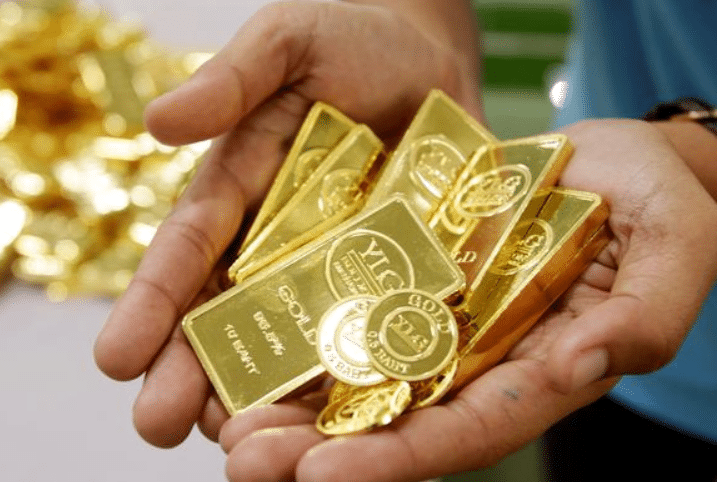
The impact of the global gold price slump has also manifested among retail investors in smaller markets. Reports from Kyrgyzstan indicate a rush among residents to sell certified gold bars to the state-owned Kyrgyzaltyn company following the international price decline. This behavior highlights the rapid shift that can occur in investor sentiment, particularly in economies where gold plays a significant role in savings and capital preservation. What may have been a period of hoarding and accumulation during the rally can quickly transform into a drive for capital preservation and liquidation when prices experience a sharp downturn. This phenomenon underscores the sensitivity of retail investors to price volatility and their tendency to react decisively to significant market movements, especially in markets with less sophisticated financial infrastructure.
Underlying Strength and Enduring Demand Drivers
Despite the current correction, the fundamental pillars supporting gold’s long-term value proposition remain intact. Central banks globally continue to increase their gold reserves as a strategy to diversify away from traditional fiat currencies and hedge against geopolitical and economic uncertainties. This consistent buying by institutional players provides a structural floor for gold prices.
Furthermore, the geopolitical landscape continues to contribute to safe-haven demand for gold. Tensions between the United States and Iran, while perhaps experiencing temporary lulls in rhetoric, remain a significant underlying concern in the global arena. Such geopolitical uncertainties historically bolster demand for gold as investors seek refuge in assets perceived as stable and secure. The ongoing complex relationship between major global powers and regional conflicts ensures that the demand for gold as a safe-haven asset is likely to persist, even if immediate price action is dictated by other factors.
Technical Outlook and Potential Scenarios
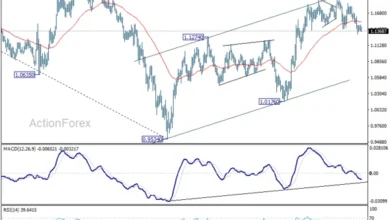
From a technical perspective, the gold price chart presents a somber picture. The precious metal has decisively moved below the 200-period moving average on the 4-hour chart, a significant technical barrier that had provided support since November 2025. This breach suggests a potential for a more sustained downtrend. However, the Relative Strength Index (RSI) has entered oversold territory, indicating that the market may be due for a period of consolidation or a short-term pullback before further downside movement, if any, materializes.
The immediate price targets to watch on the downside include the previous day’s lows around $4,400, with a potential to fill a price gap at $4,330. A break below these levels could lead to further testing of the $4,000 psychological mark. On the upside, a short-term recovery could see gold prices re-test the 100-period moving average near $4,835, followed by the psychological $5,000 level and then the 20-period moving average at $5,250.
Analysis of Implications
The current correction in gold prices is unlikely to signify a complete trend reversal. Instead, it appears to be a necessary recalibration after a period of rapid, potentially emotion-driven price appreciation. The market may be undergoing a healthy reset, shedding excess speculative positions and re-establishing a more sustainable price foundation.
For gold to resume a significant upward trajectory in the near term, additional macro-economic stress or a clear and sustained pivot in global monetary conditions would likely be required. Such events could reignite safe-haven demand and create a more favorable environment for gold accumulation. The interplay between monetary policy, geopolitical risks, and speculative positioning will continue to be the key determinants of gold’s price performance in the coming weeks and months. Investors will be closely monitoring inflation data, central bank communications, and geopolitical developments for further clues regarding the future direction of this pivotal asset. The current technical weakness, coupled with regulatory tightening in key markets, suggests that the path higher may be more arduous than the recent rally had implied.