LG Electronics USA to Suspend Smart TV Apps Exploiting Residential Proxy Functionality

LG Electronics USA announced this week a significant move to protect its users by suspending any applications built for its smart TVs that leverage the device as an "always-on" residential proxy node. This decisive action follows less than a month after alarming research revealed that a substantial portion of apps available on LG’s webOS platform were enabling unknown third parties to route their internet traffic through unsuspecting users’ televisions. The investigation highlighted a widespread vulnerability within the smart TV ecosystem, prompting a swift response from one of the industry’s leading manufacturers.
The genesis of this policy shift can be traced back to early July, when the cybersecurity firm Spur published groundbreaking research detailing the prevalence of residential proxy software development kits (SDKs) embedded within smart TV applications. Their findings, released on July 2nd, painted a concerning picture: over 42% of applications accessible on LG’s smart TVs contained SDKs that effectively transformed the user’s television into a persistent proxy node. This meant that the device could be used to mask the online activities of others, rerouting their internet traffic through the user’s home network without explicit, ongoing consent. The research extended to other major smart TV manufacturers, revealing that more than a quarter of apps designed for Samsung’s Tizen operating system also featured similar residential proxy components.
A Widespread Vulnerability Uncovered
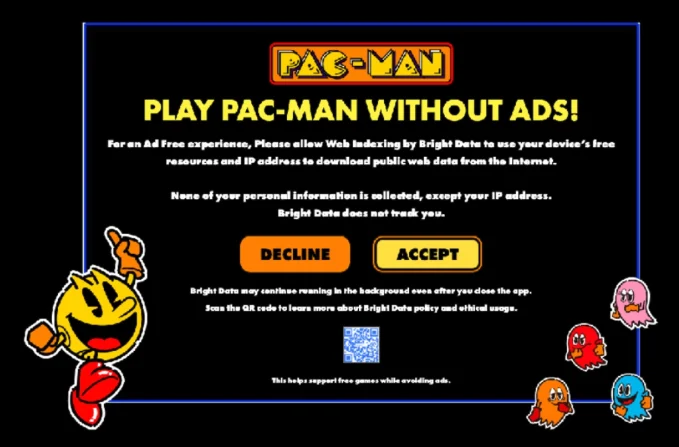
Spur’s comprehensive analysis, which examined thousands of applications across both LG’s webOS and Samsung’s Tizen platforms, identified a disturbing trend of developers incorporating SDKs that offered users a seemingly innocuous choice: either view advertisements within the application or agree to allow their television to function as a residential proxy node. This opt-out mechanism, often buried within terms of service or presented as a secondary choice, raised serious questions about the transparency and voluntariness of user consent.
The research specifically pointed to the residential proxy network operated by Bright Data as a dominant player, accounting for a majority of the proxy SDKs found on both LG and Samsung smart TVs. Applications ranging from simple, classic games like Pac-Man to utility applications and screensavers were found to include these proxy functionalities. This broad integration meant that a vast array of smart TV experiences could inadvertently be turned into tools for anonymizing the internet traffic of unknown individuals or entities.
LG’s Proactive Stance and Developer Accountability
In response to KrebsOnSecurity’s inquiries regarding Spur’s findings, John Taylor, Senior Vice President at LG Electronics, articulated the company’s firm stance on the matter. Taylor confirmed that LG was actively engaging with app developers to mandate the removal of residential proxy capabilities from their applications on the webOS platform. He underscored the company’s commitment to user privacy and security, stating, "A residential proxy network is not an intended use for LG smart TVs, and LG Electronics is working with developers to remove the residential proxy option from their apps on the webOS platform."
Taylor’s statement left no room for ambiguity regarding enforcement: "If this option is not removed, these apps will be suspended." This clear directive signals a new era of stricter oversight for the LG Content Store, emphasizing that applications must align with the company’s vision for a secure and user-centric smart TV experience. LG’s commitment extends beyond immediate remediation, with Taylor assuring that the company is dedicated to preventing residential proxy networks from being integrated into its smart TV apps moving forward. The review process for existing applications is described as "well underway now."
Furthermore, Taylor elaborated on LG’s ongoing efforts to enhance platform quality and user experience. He stated, "As part of our ongoing efforts to enhance platform quality and the user experience, LG will continue to strengthen our evaluation process for developer-submitted apps, including those that incorporate residential proxy SDKs." This suggests a more rigorous and multi-layered vetting process for all applications submitted to the LG Content Store, aiming to preemptively identify and reject any that attempt to exploit users’ devices for proxy services.
The Business Model of Residential Proxies and Developer Monetization

The practice of embedding residential proxy SDKs is primarily a monetization strategy for app developers. These providers pay developers to integrate their SDKs, effectively renting out the user’s internet connection and IP address to paying customers. These customers often utilize these proxy networks for legitimate purposes, such as web scraping for market research, price comparison, or accessing geo-restricted content. However, the potential for misuse remains a significant concern, as the anonymity provided by residential proxies can be exploited for illicit activities.
Bright Data, in its statement to KrebsOnSecurity, defended its operational model, asserting that its network is built on principles of consent and responsibility, and operates in compliance with the terms set by manufacturers like LG and Samsung. A spokesperson for Bright Data stated, "Every peer opts in through a dedicated screen and receives value in return; every customer is vetted, and our practices have now undergone a second independent audit by PwC." They further emphasized their commitment to an "open, transparent internet where legitimate businesses, researchers, and institutions can responsibly access data that lives in the public domain."
Proxy providers, including Bright Data, typically maintain that they implement robust "know-your-customer" (KYC) processes to verify the legitimacy of their clients. They also claim to incorporate technological safeguards designed to prevent their proxy service customers from accessing or controlling other devices on the user’s local network, thereby mitigating the risk of lateral movement and internal network compromise.
Concerns Regarding Transparency and User Control
Despite these assurances from proxy providers, cybersecurity experts like Trevor Sutter of Spur argue that the fundamental issue lies not with the existence of residential proxy networks themselves, but with their pervasive and often opaque integration into consumer devices. Sutter highlighted the inherent asymmetry of power and understanding: "A one-time consent prompt buried in a TV app is not a substitute for meaningful transparency, ongoing control, and platform oversight."
The critical concern raised by Spur is that most consumers do not perceive their smart TVs as full-fledged computers capable of being exploited in this manner. They are not equipped to audit the software running on these devices, nor are they typically aware of the implications of granting broad permissions through seemingly innocuous app installations. The risk is further amplified, Sutter noted, when consent is provided by individuals within a household who may not fully grasp the technical implications, such as minors who might use the device for entertainment without understanding the underlying network implications.
Broader Implications for Smart Device Security
LG’s proactive stance on residential proxy SDKs is a significant step towards enhancing user privacy and security within the smart TV ecosystem. However, this development occurs against a backdrop of other recent controversies involving the company’s software practices. Earlier this week, LG faced criticism regarding a partnership that saw its high-end LCD monitors automatically install software drivers that promoted paid McAfee antivirus subscriptions.
YouTube channel Gamers Nexus reported that certain LG LCD monitors would, through Windows Update, install an application that aggressively pushed paid McAfee antivirus subscriptions. Crucially, this installation occurred without an explicit user approval prompt, raising concerns about the lack of transparency and user control over software being deployed onto their systems. This incident, while distinct from the residential proxy issue, underscores a broader trend of manufacturers integrating third-party software and services into their devices, sometimes with questionable transparency and user consent mechanisms.
The dual controversies highlight a critical challenge facing the consumer electronics industry: balancing innovative features and monetization opportunities with the paramount importance of user privacy, data security, and transparent communication. As smart devices become increasingly integrated into our daily lives, the responsibility of manufacturers to ensure these devices are secure and their operations are fully understood by users becomes ever more critical. LG’s recent actions, while commendable in addressing the residential proxy issue, also serve as a reminder of the ongoing need for vigilance and robust auditing of all software and services embedded within consumer electronics. The industry as a whole is on notice, with consumers and security researchers alike demanding greater accountability and a more user-centric approach to device security and data handling.