Mastering Triangulated Statistical Arbitrage: A Comprehensive Framework for Independent Traders

The landscape of quantitative trading for independent operators has long been constrained by capital inefficiency, high infrastructure costs, and the limitations of traditional pairs trading. Over a rigorous six-month development cycle, quantitative researchers have refined a modern approach known as Triangulated Statistical Arbitrage (Stat Arb). Moving beyond the simplistic confines of bilateral asset tracking, this advanced methodology transforms how solo traders approach mean-reversion strategies, offering a scalable blueprint that balances computational rigor with practical operational execution.
Background and Evolution of the Strategy
Traditional pairs trading has served as a foundational concept for quantitative market participants for decades. At its core, the strategy relies on identifying two economically linked equities whose price spread diverges, betting on an eventual statistical convergence back to a rolling historical mean. However, for an independent trader operating with finite capital, classical pairs trading presents severe structural drawbacks. It locks capital into isolated bilateral positions, suffers from high signal wastage, and often fails to capture broader market dynamics.

To overcome these hurdles, researchers turned to a triangulated architecture. Rather than treating assets as isolated pairs, the methodology constructs a cohesive universe of high-quality pairs, flattens each relationship into individual per-ticker views, and aggregates these signals across the entire network. This allows traders to manage a diversified portfolio of individual equities rather than being shackled to specific pair constraints. Following months of live deployment, quantitative analysts have codified the framework into three core pillars: robust pair selection, network triangulation, and event-based filtering.
The Three-Tiered Methodological Hierarchy
Financial engineers emphasize that the architecture of a successful Stat Arb pipeline relies on a strict hierarchy of diminishing returns, where foundational upstream work dictates the vast majority of strategy performance.
- Good Pairs as the Load-Bearing Foundation
The primary determinant of success in statistical arbitrage is upstream pair selection. If the initial universe of asset pairs is fundamentally flawed, downstream signal processing and machine learning enhancements cannot rescue the strategy. Rather than relying solely on conventional cointegration tests—which frequently fail under market regime shifts—researchers deploy alternative metrics that directly measure frictionless mean-reversion returns and historical convergence consistency.
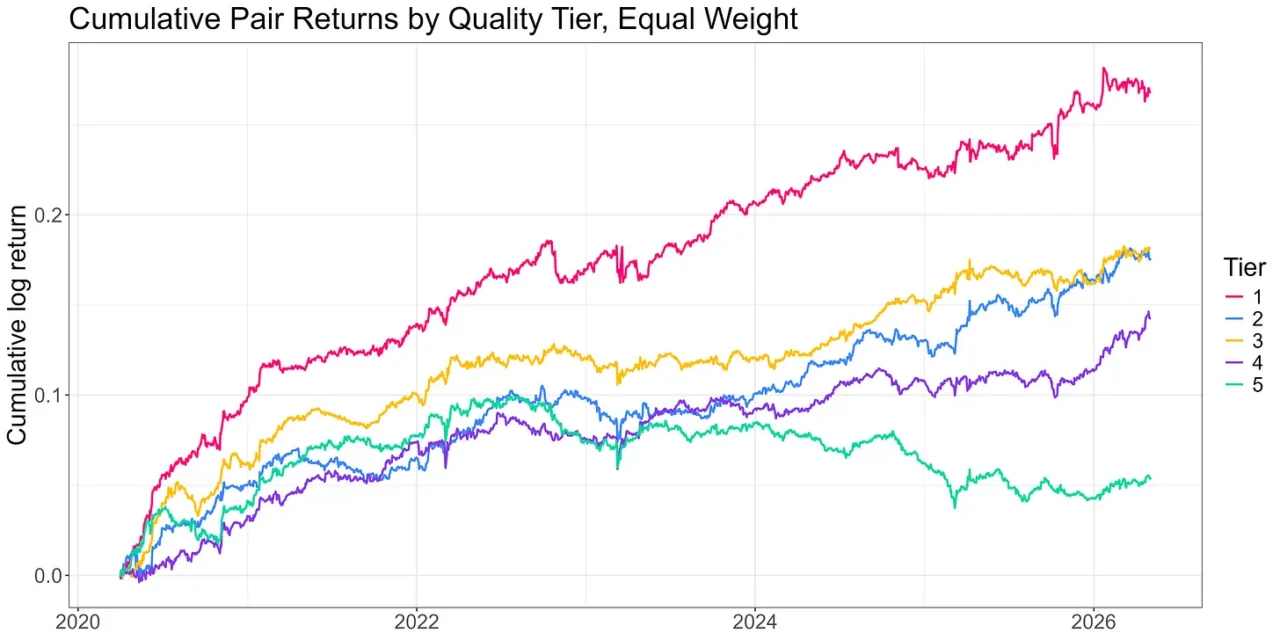
Empirical data from multi-year backtests demonstrate the profound impact of this ranking system. When dividing the top 10% of generated pairs into five performance tiers, a stark divergence in risk-adjusted returns emerges. Tier 1 pairs exhibit Sharpe ratios roughly four times higher than Tier 5 counterparts. This upstream curation acts as the engine of the entire operation, accounting for an estimated 80% to 90% of the strategy’s total alpha generation. Maintaining this universe requires meticulous handling of liquidity constraints, industry classifications, corporate actions, and regular monthly refreshes based on a rolling 24-year history.
- Triangulation and Consistency at the Ticker Level
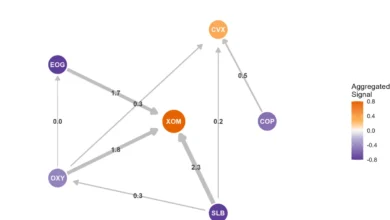
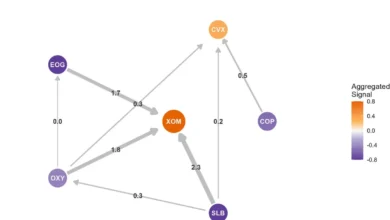
Once a pristine universe of pairs is established, the framework shifts focus from pairs to individual tickers. By examining every pair in which a specific ticker participates, the system calculates a consolidated z-score representing the aggregate mispricing view of the asset.
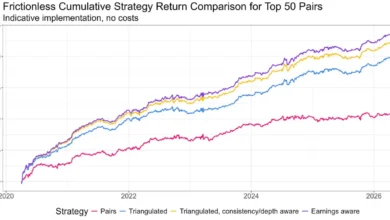
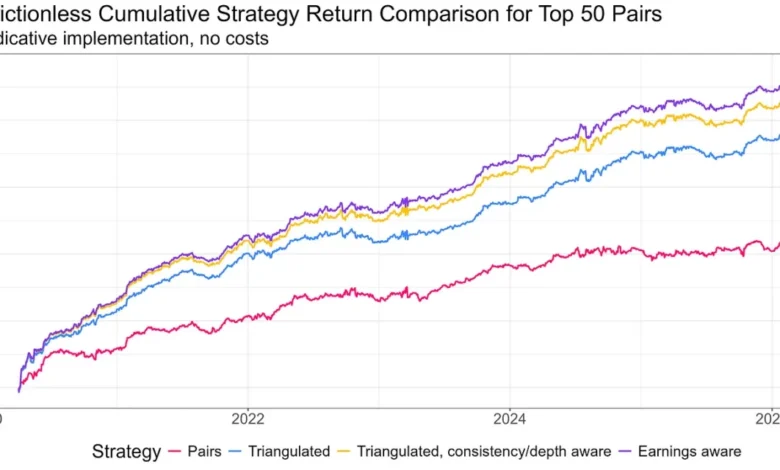
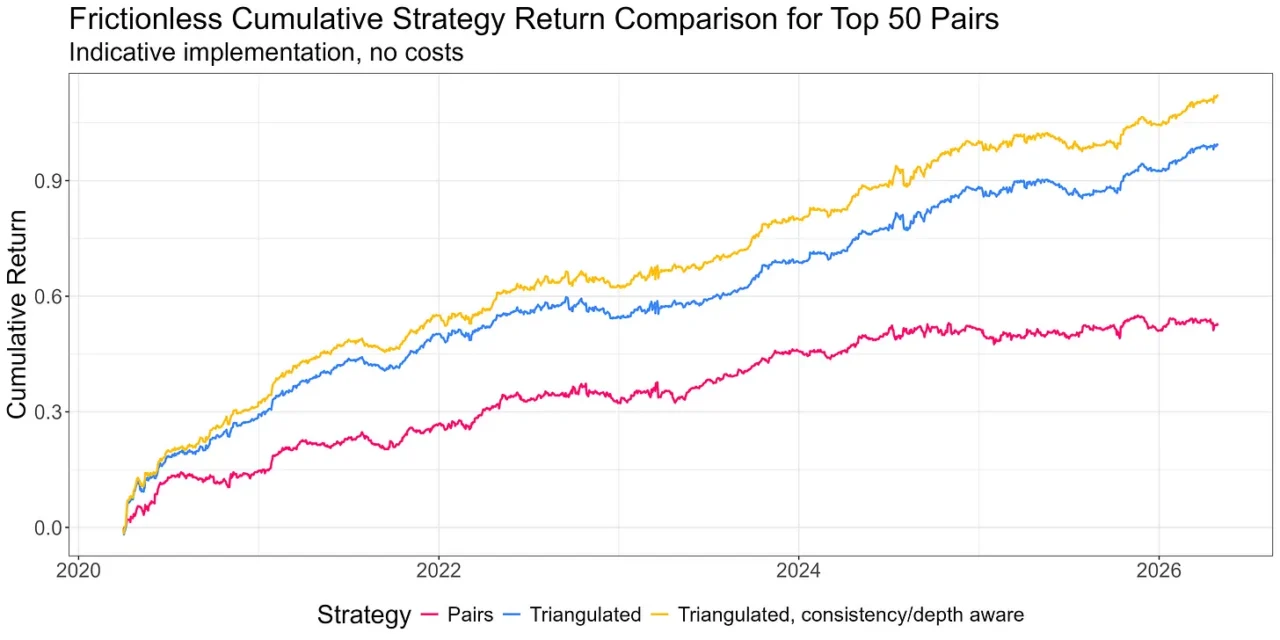
Trading only the extremes of this distribution—filtering out the noisy middle—materially enhances performance. Comparative data illustrate that a triangulated long-short portfolio of mispriced legs vastly outperforms a traditional basket of paired trades. Furthermore, this approach solves the capital inefficiency plaguing solo operators, allowing them to deploy capital with higher precision and lower overhead.
- Event Filtering and Risk Mitigation
While quantitative signals can effectively flag statistical mispricings, they frequently fail to explain the underlying economic catalyst driving a spread apart. A spread divergence can stem from technical forced-flow dynamics (which are easily faded) or from fundamental news events that permanently reprice an asset (which should never be faded).
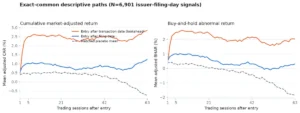
To mitigate the risk of getting run over by fundamental repricing, developers integrated targeted event filters. Empirical analysis of earnings surprises during formation periods revealed that when a spread stretches in the direction of an earnings beat or miss, the expected mean-reversion breaks down. Instead of reverting, these assets frequently exhibit price continuation driven by post-earnings announcement drift. Consequently, incorporating an earnings filter successfully screens out false signals, adding a vital layer of protection to live trading portfolios. Additional explorations into volume-asymmetry indicators demonstrated strong pair-level performance, though their marginal value diminished once aggregated to the ticker network. News sentiment analysis remains the next frontier for future pipeline enhancements.
Resource Allocation and Operational Realities for Solo Operators
Implementing an institutional-grade quantitative strategy typically demands substantial capital expenditure and dedicated engineering infrastructure. Generating a monthly pair universe from thousands of candidate equities involves ingesting, cleaning, and computing ranking matrices across hundreds of thousands of potential combinations. For an independent trader, building and maintaining such infrastructure independently is often economically unviable.
To bridge this gap, quantitative platforms such as RW Pro have internalized these operational burdens, providing application programming interfaces (APIs) for end-of-day and intraday spreads data alongside fully populated historical research environments. Rather than imposing a rigid, one-size-fits-all model, modern developer communities emphasize customizable implementation notebooks. These tools allow traders to adjust operational parameters—such as universe size, weighting schemes, no-trade buffers, signal thresholds, and leverage constraints—to match their unique risk profiles and capital structures.
Market Implications and Broader Outlook
The evolution of Triangulated Statistical Arbitrage marks a significant shift in retail and independent quantitative finance. By democratizing access to institutional-grade data pipelines and modular research frameworks, independent operators can successfully navigate complex market anomalies without requiring full-time engineering teams or massive institutional balance sheets.
Industry observers note that the democratization of these quantitative methodologies fosters greater market efficiency while empowering individual traders to transition from passive strategy consumers to autonomous system operators. As quantitative tools continue to evolve, the emphasis remains firmly on disciplined upstream research, rigorous risk management, and a transparent understanding of underlying market trade-offs.