Nigel Farage’s Reform UK Secures Record £72 Million Political Donation From Crypto Billionaires to Fund General Election Bid

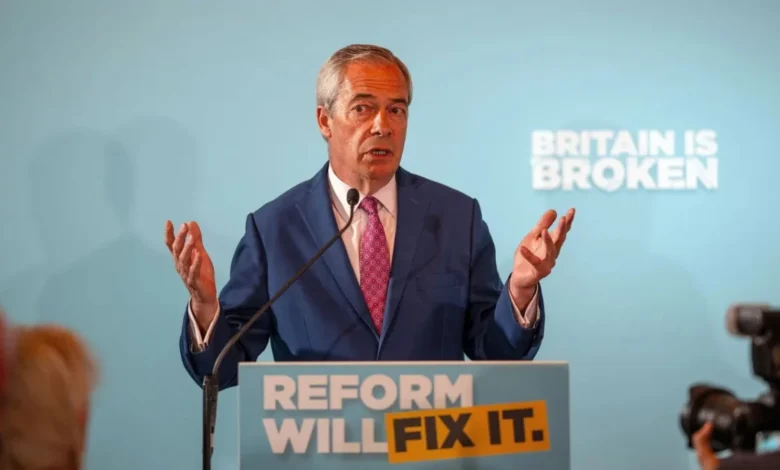
Nigel Farage’s populist party, Reform UK, has secured a staggering combined injection of £72 million ($97 million) from two prominent cryptocurrency magnates. This unprecedented financial windfall marks the largest single political funding boost in the party’s history and ranks among the most substantial political contributions ever recorded in modern British democratic history. According to reports from Reuters, the donations instantly reshape the financial landscape of UK party politics, thrusting digital asset wealth directly into the center of the upcoming national electoral cycle and providing Reform UK with the capital necessary to challenge Britain’s entrenched political establishment on an unprecedented scale.
The massive financial backing arrived in two successive installments from prominent figures within the digital asset industry. Ben Delo, the billionaire co-founder of the global cryptocurrency derivatives exchange BitMEX, initiated the funding surge with a donation of £36 million. Just one day later, fellow crypto investor and entrepreneur Christopher Harborne matched the exact figure with a subsequent £36 million contribution. Together, these identical, multi-million-pound donations have vaulted Reform UK from a relatively lean insurgent campaign into a fiercely competitive financial powerhouse, fundamentally altering the strategic dynamics ahead of the next United Kingdom general election, which is broadly anticipated to take place by 2029.
Shifting Horizons and Strategic Advantages for Reform UK
For Reform UK, the influx of capital represents an existential leap forward. Historically, smaller British political parties have struggled to compete with the vast, institutional war chests enjoyed by the incumbent Labour Party and the Conservative Party, both of which rely on extensive networks of corporate donors, trade unions, and state-subsidized parliamentary resources known as "Short money." With £72 million securely at its disposal, Reform UK leadership has indicated that the funds will be deployed systematically to expand the party’s nationwide campaign infrastructure, establish permanent regional offices, recruit professional political operatives, and launch high-impact media campaigns designed to appeal directly to working-class voters disillusioned with traditional Westminster politics.
The timing of the donation is strategically critical. While the next general election is not constitutionally mandated until 2029, British politics has entered a period of profound volatility. By securing substantial financial backing years in advance, Reform UK can professionalize its ground game, vet parliamentary candidates rigorously, and maintain a continuous electoral presence that outpaces standard campaign cycles.
Motivations and Controversy: The Donors Speak
The sheer scale of the financial contribution has inevitably drawn intense scrutiny from political opponents, watchdog organizations, and civil society groups concerned about the growing influence of private wealth in British democratic processes. However, the donors themselves have firmly pushed back against accusations of undue influence or transactional politics.
Addressing the motivations behind his multi-million-pound contribution, Christopher Harborne offered a direct and uncompromising defense of his actions. In a statement addressing what he expects in return for his investment, Harborne stated, "What do I expect in return for my donations? Nothing. No peerage, no policy change, just a party that is ready for government."
Party leader Nigel Farage echoed these sentiments while expressing profound gratitude for the unprecedented vote of confidence from the two technology entrepreneurs. Reacting to the financial windfall, Farage remarked, "I am honoured and humbled that Ben Delo and Christopher Harborne have shown such confidence in Reform. Both men know that we are the only party that can turn the country around and win the next general election. Thanks to their generosity, we are now able to fight that election on a level playing field."

The Cryptographic Platform: Policy Proposals and Digital Assets
The alignment between Reform UK and prominent cryptocurrency billionaires is not merely financial; it reflects a deepening ideological convergence regarding the future of money, taxation, and state financial architecture. Reform UK has increasingly positioned itself as the most pro-cryptocurrency political organization in the United Kingdom, explicitly tailoring its economic manifesto to appeal to digital asset investors, blockchain developers, and libertarian-leaning technologists.
Should the party secure power or wield significant influence in a future parliament, Reform UK has committed to enacting a series of sweeping economic reforms centered on digital assets. Key policy proposals outlined by the party include:
- Capital Gains Tax Cuts: Substantially reducing or eliminating capital gains taxes levied on digital asset transactions to incentivize domestic cryptocurrency investment and entrepreneurial activity within the UK.
- Bank of England Bitcoin Reserve: Establishing a national strategic reserve fund backed by Bitcoin, mirroring policy discussions emerging in other Western jurisdictions regarding sovereign digital asset holdings.
- Regulatory Streamlining: Dismantling bureaucratic hurdles imposed by traditional financial regulators, which the party argues stifle technological innovation and drive crypto enterprises out of the British market.
This policy platform aligns closely with broader trends observed globally, where the digital asset sector has transitioned from a fringe financial movement into a well-organized, highly capitalized political lobbying force. Notably, the funding news arrives against the backdrop of significant internal party maneuvers; reports indicate that leading opposition figures associated with the broader anti-establishment movement have increasingly integrated Bitcoin into both personal and institutional treasuries, viewing decentralized currencies as a hedge against fiat monetary devaluation and government overreach.
Broader Implications: The Debate Over Political Funding and Foreign Interference
While Reform UK celebrates its newfound financial strength, the £72 million donation has catalyzed an urgent national debate regarding campaign finance reform, transparency, and the integrity of the British electoral system. The integration of massive cryptocurrency wealth into political campaigns poses unique challenges for existing regulatory frameworks, which were largely designed around traditional fiat banking systems, corporate donations, and individual union contributions.
The controversy surrounding crypto donations is not confined to the United Kingdom. Independent policy commissions and parliamentary committees have increasingly raised alarms regarding the vulnerabilities associated with digital asset contributions. A recent UK-commissioned report officially recommended halting all political cryptocurrency donations entirely, citing heightened risks of foreign interference, anonymous dark-money transactions, and the potential for bad actors to bypass traditional anti-money laundering (AML) controls.
These regulatory concerns are reverberating internationally. Following intense legislative debates in London, Canada has similarly moved to ban political cryptocurrency donations, reflecting a growing global consensus among Western democracies to establish stricter guardrails around digital wealth in the political arena. Furthermore, regulatory bodies such as the UK’s Financial Conduct Authority (FCA) have ramped up enforcement actions against illegal peer-to-peer crypto trading and unlicensed digital asset platforms, creating a complex regulatory dichotomy where political parties court crypto billionaires while state authorities tighten compliance on the broader industry.
Conclusion: A New Era for British Electoral Politics
The injection of £72 million into Nigel Farage’s Reform UK represents a watershed moment in the evolution of modern political campaigning. By bypassing traditional institutional funding streams and tapping directly into the immense fortunes generated by the global cryptocurrency boom, Reform UK has secured the financial ammunition required to wage a sustained, professional, and aggressive challenge to the traditional two-party dominance of Labour and the Conservatives.
At the same time, the transaction has intensified the ongoing national conversation concerning the ethics of big money in politics, the transparency of digital asset funding, and the necessity of robust regulatory oversight. As the United Kingdom marches toward the next general election cycle, the debate over how political campaigns are financed—and who ultimately holds sway over the political ambitions of aspiring lawmakers—will remain one of the defining and most contentious issues in British public life.