Automated Intelligent Document Processing Systems Redefine Freedom of Information Compliance in the Irish Insurance Sector


The implementation of a fully automated Intelligent Document Processing (IDP) system on the Amazon Web Services (AWS) cloud platform has demonstrated a transformative shift in how Irish insurance entities manage sensitive data and citizen inquiries. Originally developed to facilitate Freedom of Information (FOI) type requests, the system allows citizens to verify if their personal details—including names, addresses, and sensitive claim histories—are recorded within large-scale insurance databases. By integrating advanced optical character recognition (OCR) with generative artificial intelligence, the architecture has achieved an operational efficiency increase of approximately 90% compared to traditional manual review processes. This technological leap comes at a critical juncture as European financial institutions face mounting pressure to comply with stringent data transparency and privacy regulations under the General Data Protection Regulation (GDPR).
The Regulatory Landscape and the Burden of Data Subject Access Requests
In the Republic of Ireland, the Data Protection Act 2018 and the EU’s GDPR provide citizens with the "Right of Access," often referred to as Subject Access Requests (SARs). These legal frameworks mandate that organizations, including insurance providers, must disclose what personal data they hold about an individual upon request. For the insurance industry, which maintains vast repositories of claims data to prevent fraud and assess risk, managing these requests is a labor-intensive endeavor.

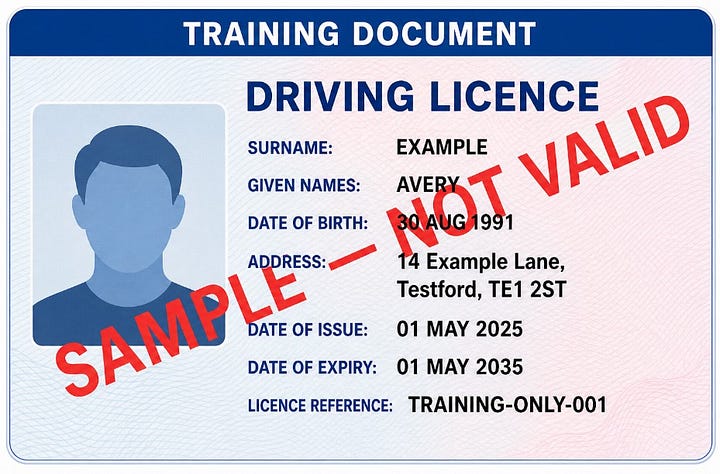
Historically, these requests required manual intervention: staff members would sift through emails, verify identification documents such as passports or utility bills, and cross-reference extracted data against internal databases. The complexity of handling diverse document formats—ranging from handwritten bank statements to digital driving licenses—often led to backlogs and increased the risk of human error. The introduction of an automated IDP system addresses these bottlenecks by leveraging cloud-native services to ingest, classify, and extract Personally Identifiable Information (PII) with minimal human oversight.
Technical Architecture and Workflow Chronology
The transition from manual processing to an automated pipeline involves a sophisticated orchestration of AWS services. The system’s design philosophy prioritizes security, scalability, and accuracy. The operational chronology of the IDP system follows a structured path from the moment a citizen submits an inquiry via email to the final generation of a classification report.
Phase 1: Secure Ingestion and Credential Management
The process begins with the retrieval of emails from a corporate server. In the implemented model, OAuth 2.0 credentials and refresh tokens are managed through AWS Secrets Manager, ensuring that sensitive access keys are never hard-coded. An AWS Lambda function, acting as the ingestion engine, polls the email server for messages labeled for processing. This function performs initial validation, ensuring that attachments meet specific file-type criteria (typically JPG or PNG) and size constraints. Validated images are then moved to an Amazon S3 "raw" landing zone, which serves as the primary data lake for the pipeline.
Phase 2: Document Text Detection via Amazon Textract
Once the raw image is stored, the second stage involves Amazon Textract, a machine learning service that automatically extracts text, handwriting, and data from scanned documents. Unlike traditional OCR, which often struggles with varying layouts, Textract is designed to recognize the relational structure of documents. The system executes synchronous document-text detection, generating a JSON output that includes the extracted text, confidence scores for each line, and metadata regarding the document’s layout. This output is stored in a secondary S3 bucket, labeled for the next stage of analysis.
Phase 3: AI-Driven Classification and PII Extraction
The most critical advancement in this system is the use of Amazon Bedrock, which provides access to high-performance foundation models such as Anthropic’s Claude Sonnet. The extracted text from the previous phase is passed to the AI model with a specialized prompt. The model is tasked with two primary objectives:
- Classification: Determining if the document is a passport, a driving license, a bank statement, or an invalid document.
- Extraction: Identifying specific PII fields such as First Name, Last Name, Date of Birth, and Address.
By utilizing Claude Sonnet 4.6, the system can interpret unstructured text and map it to a structured JSON format, even if the original document had complex formatting or minor OCR errors.

Phase 4: Orchestration and Scheduling
To ensure the system operates reliably without constant manual triggering, the workflow is managed by AWS Step Functions. This orchestration layer handles the logic between Lambda functions, providing built-in retry mechanisms and error handling. The entire pipeline is triggered on a recurring schedule—such as every weekday at 11:55 PM—using Amazon EventBridge. This ensures that all requests received during the business day are processed overnight, ready for final review by the next morning.
Supporting Data and Efficiency Metrics
The shift toward IDP is supported by broader industry trends. According to market analysis, the global Intelligent Document Processing market is expected to grow at a compound annual growth rate (CAGR) of over 25% through 2030. This growth is driven by the significant cost savings associated with automation.
In the Irish insurance case study, the 90% efficiency gain is attributed to several factors:

- Reduced Cycle Time: Requests that previously took days to process manually are now completed in minutes.
- Lower Labor Costs: By automating the rote tasks of document reading and data entry, skilled employees can focus on the "Human-In-The-Loop" (HIL) process—performing the final cross-check and making legal determinations.
- Scalability: The cloud-based nature of the system allows it to handle sudden surges in FOI requests without requiring additional staff.
Data from the implementation shows that the system can process images up to 10MB in size and handle batches of 25 messages per run, allowing for high-throughput processing during peak periods.
Industry Implications and Ethical Considerations
The deployment of AI in document processing for insurance is not without its complexities. Industry experts and data protection advocates emphasize the need for transparency in how these models are trained and used. In the Irish context, the Data Protection Commission (DPC) maintains strict oversight of how AI interacts with PII.
One of the essential features of the described AWS pipeline is the Human-In-The-Loop (HIL) process. While the AI performs the heavy lifting of extraction and classification, a human operator performs a final audit. This ensures that any "hallucinations" or misinterpretations by the AI model are caught before the data is used to make decisions about a citizen’s insurance record. This hybrid approach balances the speed of automation with the accountability required by law.

Furthermore, the use of AWS Secrets Manager and IAM (Identity and Access Management) permissions ensures that the data remains encrypted and accessible only to authorized processes. This "security by design" approach is a prerequisite for any system handling the sensitive personal information of Irish citizens.
Broader Impact on the Financial Services Sector
The success of this IDP implementation suggests a roadmap for other sectors within the Irish economy. Financial institutions, legal firms, and government agencies all face similar challenges regarding the intake of physical and digital documentation. As generative AI continues to evolve, the ability to "understand" a document rather than just "read" it will become a standard requirement for enterprise software.
The integration of services like Amazon Bedrock signifies a shift away from rigid, rule-based systems toward flexible, intelligent agents. For the Irish insurance industry, this means not only faster response times for FOI requests but also improved accuracy in fraud detection and risk assessment, as documents can be cross-referenced against historical data with unprecedented speed.

Future Outlook and Scalability
Looking ahead, the next generation of these systems will likely incorporate even more advanced features, such as:
- Multi-modal Processing: Directly analyzing images within the AI model to bypass the intermediate OCR step, potentially increasing accuracy for handwritten notes.
- Enhanced PDF Handling: Using asynchronous processing to handle multi-page documents and complex legal contracts.
- Automated Redaction: Automatically blurring out PII that is not relevant to the specific request, further enhancing privacy.
As organizations move toward production-ready versions of these "bare-bones" prototypes, the focus will shift toward long-term maintenance, monitoring of AI model drift, and ensuring compliance with the evolving EU AI Act.
The automation of document processing via the AWS cloud represents more than just a technical achievement; it is a fundamental reconfiguration of the relationship between citizens, their data, and the institutions that hold it. By reducing the friction of data access, the Irish insurance sector is setting a high bar for transparency and operational excellence in the digital age. This system proves that with the right orchestration of cloud services and artificial intelligence, the administrative burden of regulatory compliance can be turned into a streamlined, high-efficiency operation.