The Myth of the Lost Generation: Analyzing Gen Z Homeownership Trends in an Era of Economic Uncertainty

Public perception of the American economy is rarely dictated by the cold, hard precision of government data. Instead, it is shaped by narratives—stories that weave together personal financial struggles, societal pressures, and the tangible reality of the cost of living. In the current economic climate, no narrative has gained more traction than the claim that homeownership has become an unreachable dream for young adults. Driven by a combination of historic home price appreciation and a rapid shift in interest rate policy, this story of exclusion has dominated the discourse. However, a closer inspection of current data suggests that the reality for Gen Z is significantly more nuanced than the prevailing sentiment of hopelessness.
A Period of Unprecedented Market Volatility
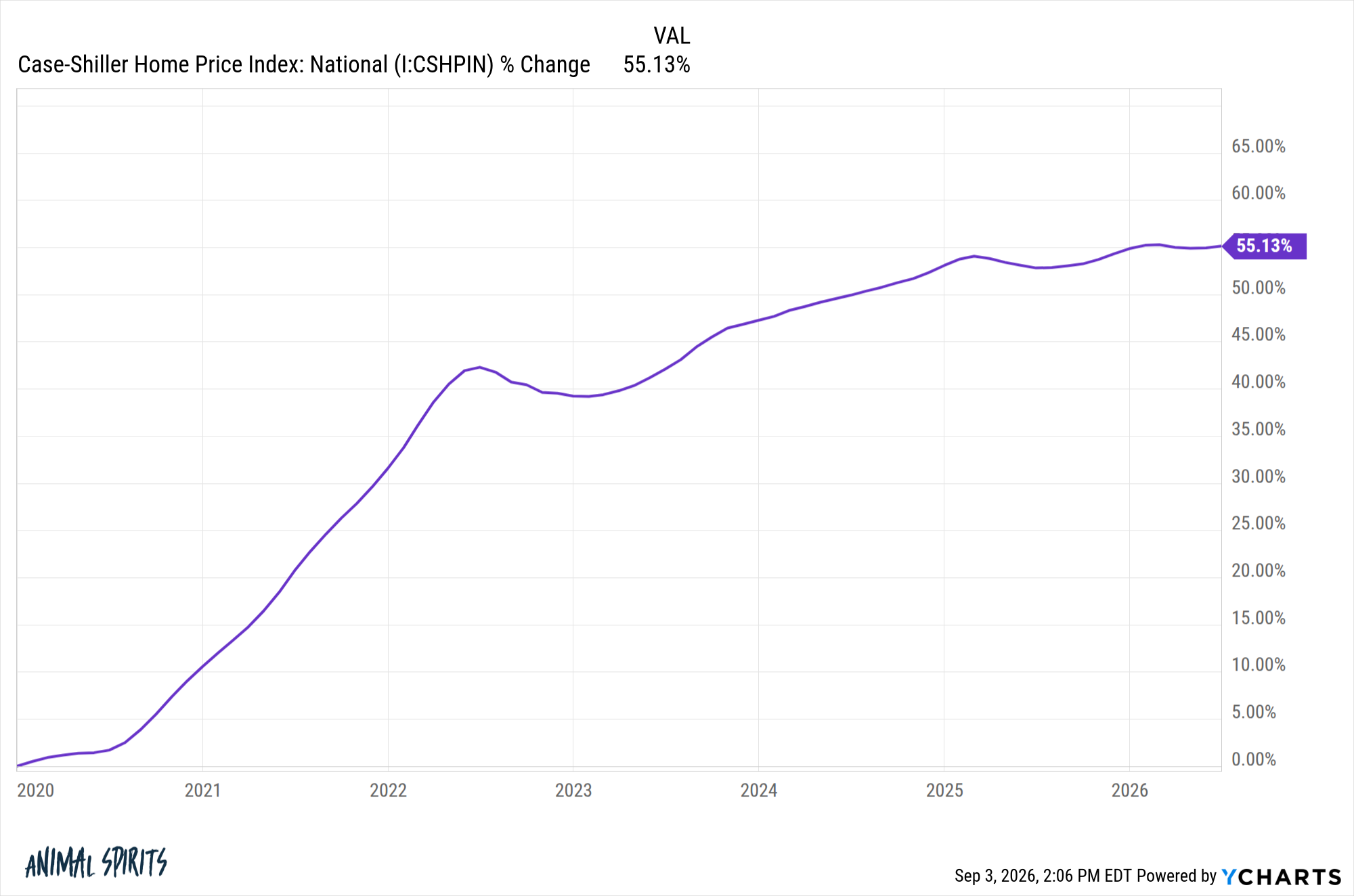
The landscape of the American housing market shifted dramatically between 2020 and 2026. At the dawn of the decade, the combination of historically low interest rates and a post-pandemic shift in remote work preferences catalyzed a surge in housing demand. According to national housing indices, home prices appreciated by nearly 60% in a span of just three years. This meteoric rise in valuation was exacerbated by a lack of housing inventory, creating a seller’s market that left many first-time buyers sidelined.
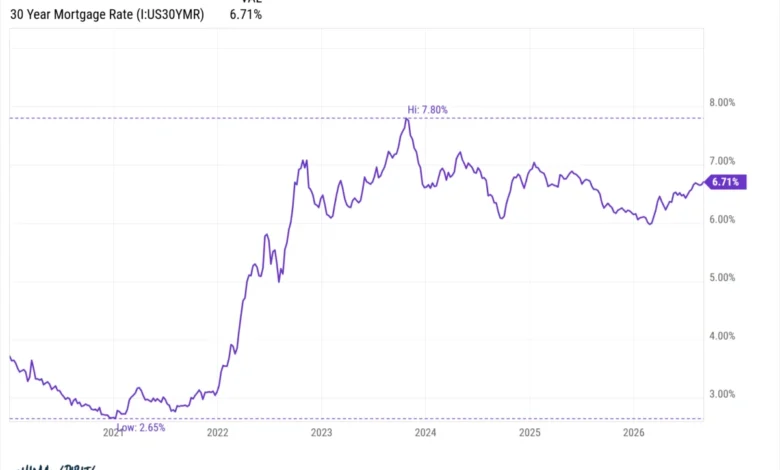
Simultaneously, the Federal Reserve’s pivot toward aggressive monetary tightening to combat inflation resulted in mortgage rates climbing from sub-3% levels to 6% in record time. This "double-whammy"—higher purchase prices coupled with significantly higher borrowing costs—created a massive barrier to entry. For the average young professional, the required down payment, combined with inflated monthly debt service, insurance costs, and rising maintenance expenses, painted a grim picture.
Generational Comparisons: Setting the Record Straight
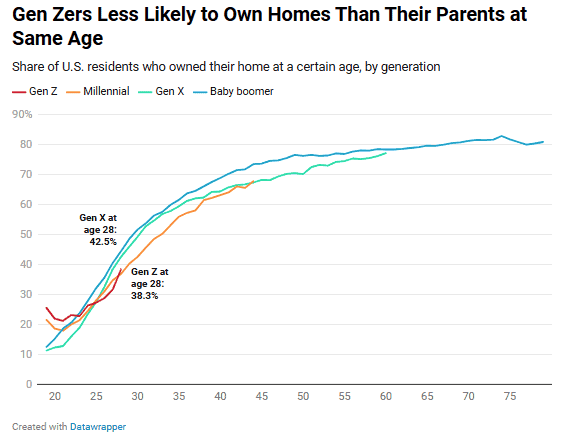
Despite the intensity of these economic headwinds, recent analysis from industry trackers like Redfin suggests that the catastrophic decline in homeownership rates among the youth may be exaggerated. When comparing the current status of Gen Z to previous generations at similar points in their life cycles, the data reveals a trajectory that is not entirely unprecedented.
For example, data from 2025 indicates that approximately 38.3% of 28-year-old Gen Zers were homeowners. While this is lower than the 42.5% seen among Gen Xers at the same age, or the 44.4% observed for Baby Boomers, the gap is not as wide as many commentators suggest. Similarly, for those aged 36, homeownership rates stand at 57.2%, compared to 61.2% for Gen X and 63.7% for Baby Boomers at that age.
When observing the longitudinal trend, Gen Z is actually performing comparably to, and in some metrics, slightly better than Millennials did when they were at the same stage of adulthood. The primary difference is the delay in "adulting" milestones. Modern young adults are spending more time in higher education and are more likely to delay marriage and family formation, which are traditional triggers for entering the real estate market.
Adjusting the Methodology: The HPOP Metric
The traditional "homeownership rate" is a blunt instrument that often fails to account for shifting demographic behaviors. The Minneapolis Federal Reserve has proposed an alternative metric: the Homeowner-to-Population (HPOP) ratio. This metric tracks homeownership as a percentage of the total age-specific population, rather than simply counting householders who live in their own homes.
While the HPOP ratio reveals a lower overall ownership rate than the traditional metric, it highlights that the discrepancy exists across almost all age groups, not just the youngest segment of the population. This indicates that the "housing crisis" for young people is partially a byproduct of broader macroeconomic factors, such as increased college enrollment and changing lifestyle preferences, rather than a total exclusion from the market.
Economic Literacy and Future Projections
One factor often overlooked in the pessimism surrounding Gen Z is the generation’s high degree of financial literacy. Recent research into investment behaviors suggests that Gen Z is more active in the stock market and retirement planning than previous generations were at the same age. By leveraging technological tools and prioritizing financial diversification, this cohort is building personal capital at an accelerated rate, even while navigating a high-cost environment.
The historical precedent of the Millennial generation offers a useful template for the future. In the mid-2010s, widespread headlines proclaimed that Millennials would "never" buy homes. As these individuals aged, settled into careers, and transitioned out of urban centers into more affordable suburban markets, those fears proved unfounded. The process simply took longer than it did for their parents.
Broader Economic Implications
Looking toward the 2030s, the market dynamics are expected to evolve significantly. Two major forces will likely influence housing affordability:
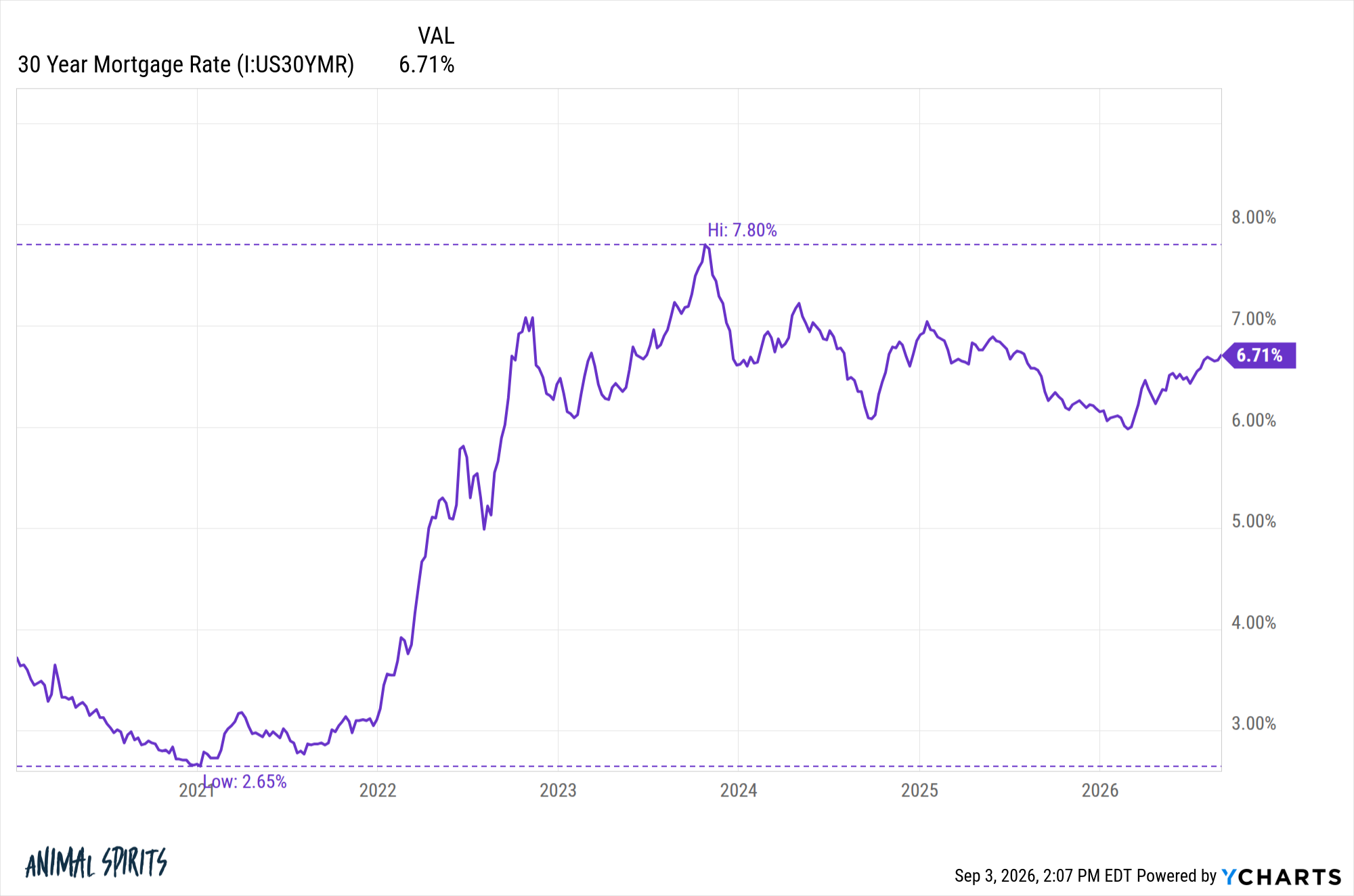
- Interest Rate Normalization: As inflationary pressures eventually subside, it is widely anticipated that mortgage rates will stabilize or decline, reducing the monthly cost burden for potential buyers.
- Generational Wealth Transfer and Inventory Shift: As the Baby Boomer generation ages, a significant volume of housing stock is expected to enter the market through sales and inheritances. This influx of supply could provide a necessary correction to the current inventory shortage, tempering price appreciation and creating more entry-level opportunities.
The primary risk to this optimistic outlook remains a significant macroeconomic shock. Analysts, including those at The Housing Frame, point to the potential for a severe economic downturn—such as a sharp correction in emerging sectors like Artificial Intelligence—as the greatest threat to the stability of the housing market. Such an event would inevitably cause a surge in unemployment, undermining the ability of Gen Z to continue their upward trajectory in wealth accumulation.
Conclusion
The narrative that homeownership is a closed door to young people serves to ignore the long-term patterns of economic development. While the cost of entry is undeniably higher today than it was a decade ago, the fundamental desire and capacity for Gen Z to acquire property remain intact.
When historians look back at the 2020s, they are unlikely to see a lost generation. Instead, they will likely view this period as one of delayed acquisition, characterized by a generation that had to navigate more complex financial terrain than their predecessors. For those who maintain employment, continue to grow their savings, and adapt to changing demographic trends, homeownership remains a realistic, if deferred, objective. The economic environment is in a state of flux, and as mortgage rates eventually recalibrate and housing supply increases, the barrier to entry will likely lower, allowing Gen Z to follow the well-trodden path of their parents and grandparents toward property ownership.
Related posts: