QuantInsti 2025 Mid-Year Review: Pioneering Algorithmic Trading Through Education, Technology, and Global Collaboration

The landscape of financial markets is undergoing a profound transformation as algorithmic trading moves from the exclusive domain of institutional giants to an accessible tool for a broader demographic of traders, developers, and asset managers. At the forefront of this shift is QuantInsti, an organization that has spent the first half of 2025 aggressively expanding its footprint through strategic industry events, academic partnerships, and a commitment to demystifying the complexities of modern quantitative finance. As market structures evolve and regulatory frameworks—most notably those introduced by the Securities and Exchange Board of India (SEBI)—become more stringent, the need for a balanced approach that promotes innovation while ensuring investor protection has never been more critical.
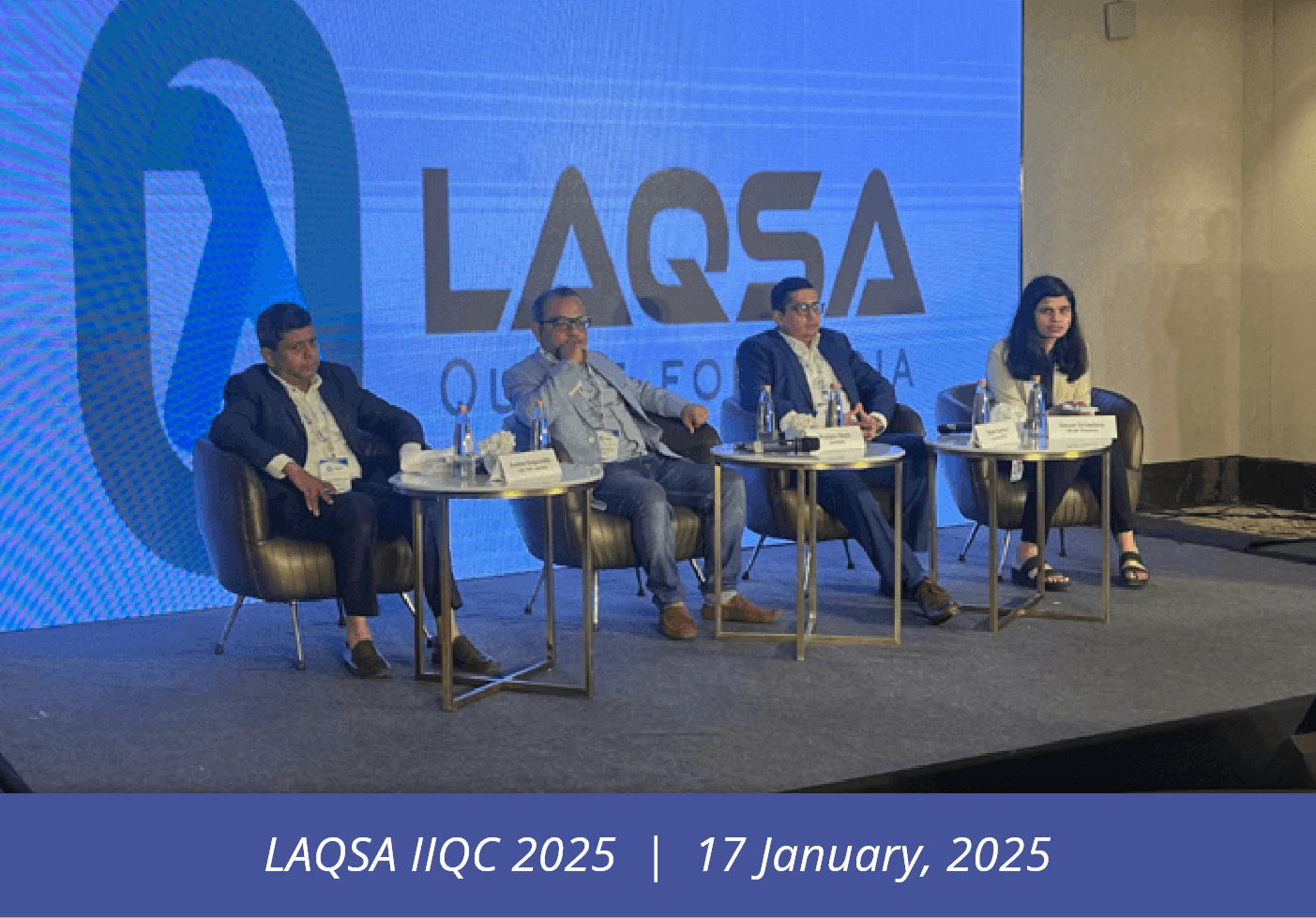
The 2025 trajectory for QuantInsti has been defined by a series of high-impact engagements. From the Global Fintech Fest to major academic hackathons across India’s premier technical institutes, the organization has consistently positioned itself as a bridge between high-level academic theory and the pragmatic, real-world execution required in today’s volatile markets.
Following SEBI Guidelines for Algo Trading in India
A pivotal development in the Indian financial sector during early 2025 has been the implementation of updated SEBI guidelines, such as those detailed in circular NSE/INVG/69255. These regulations represent a significant shift in the operational architecture of algorithmic trading. The core of these guidelines mandates that all client-side algorithms be hosted within broker-controlled infrastructure, with execution routed exclusively through the broker’s systems.
This regulatory shift effectively places the onus of compliance and operational stability on the brokerage firms, necessitating a more robust and transparent relationship between technology providers and financial intermediaries. During a recent interview with Outlook India, Nitesh Khandelwal, Co-founder and Director at QuantInsti, provided a nuanced perspective on these changes. He noted that the new framework provides a necessary layer of structure and accountability. By requiring standardized, secure, and monitored execution environments, SEBI is effectively curbing the risks associated with rogue algos while ensuring that tech-savvy, retail-oriented traders still have the freedom to develop and deploy responsible strategies. For QuantInsti, this environment reinforces its mission to educate traders on the importance of robust code, rigorous backtesting, and institutional-grade risk management.
Industry Events and Knowledge Dissemination
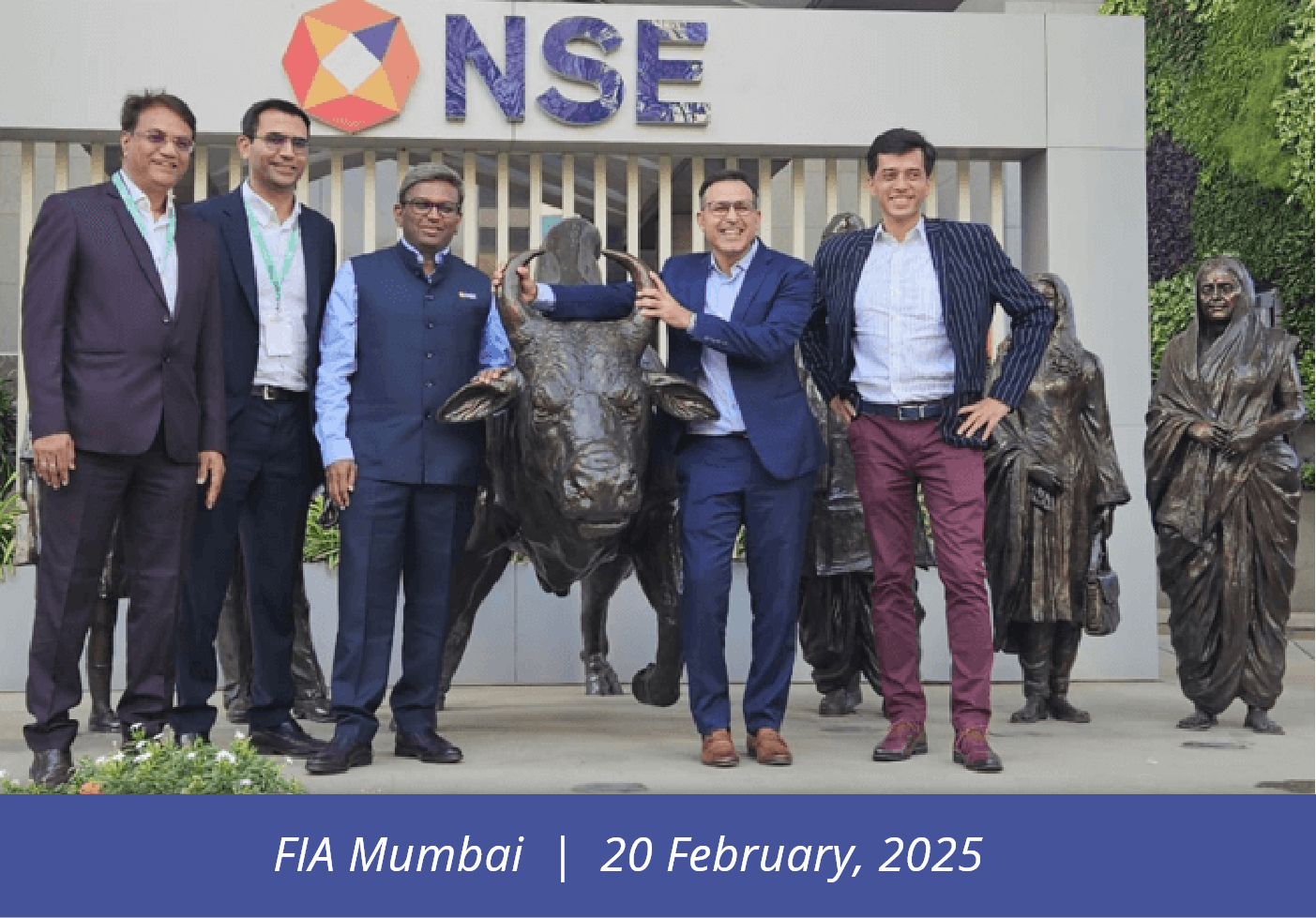
The first half of 2025 has seen QuantInsti participate in a series of high-level industry summits that serve as barometers for the health and direction of global fintech. In February 2025, the FIA Forum in Mumbai served as a venue for Rajib Ranjan Borah, CEO of iRage and Director at QuantInsti, to discuss the sustainability of market liquidity. The forum addressed the delicate balance between refining margin rules and maintaining the depth of the Indian markets, a topic that continues to be a central theme for institutional participants.
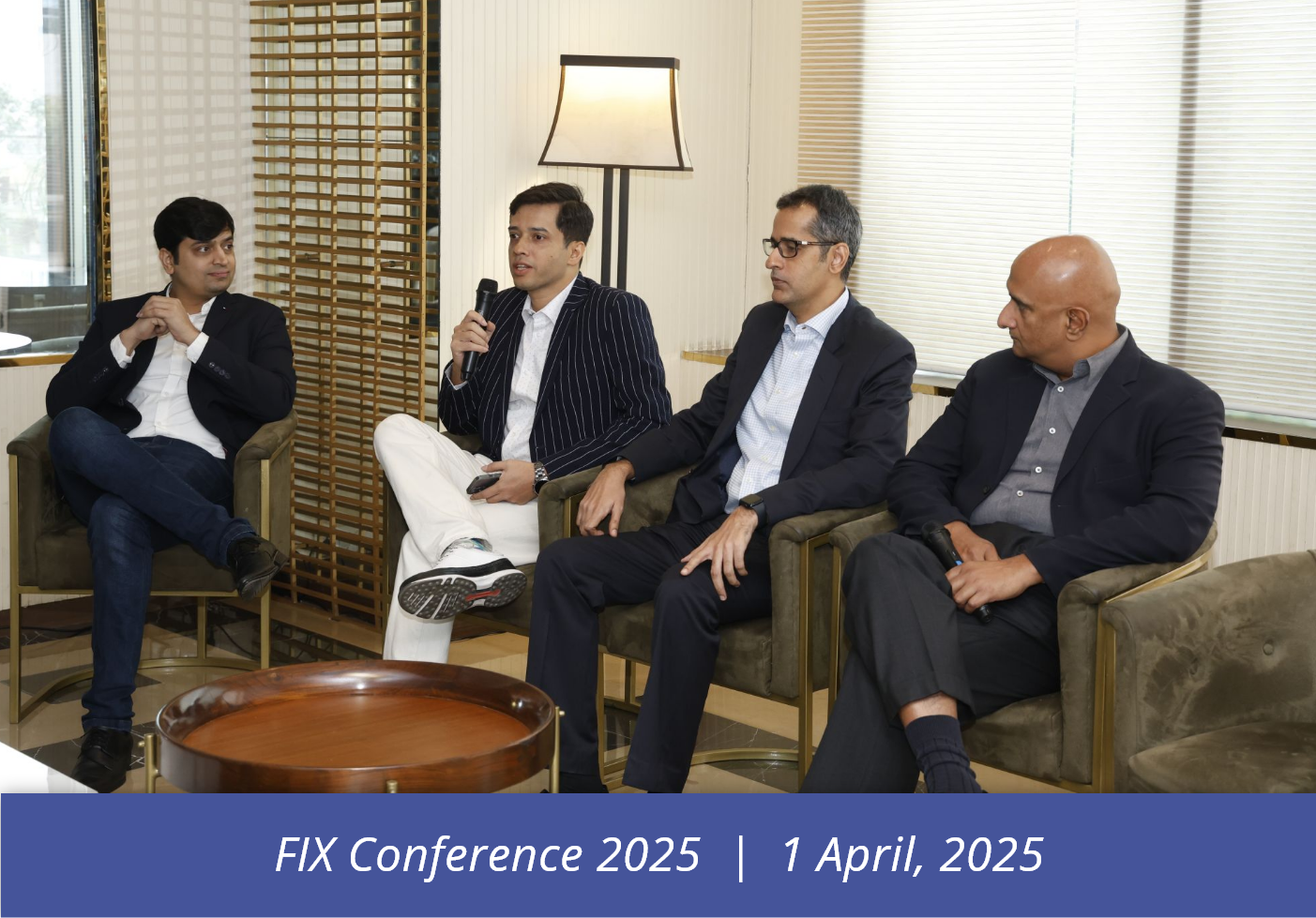
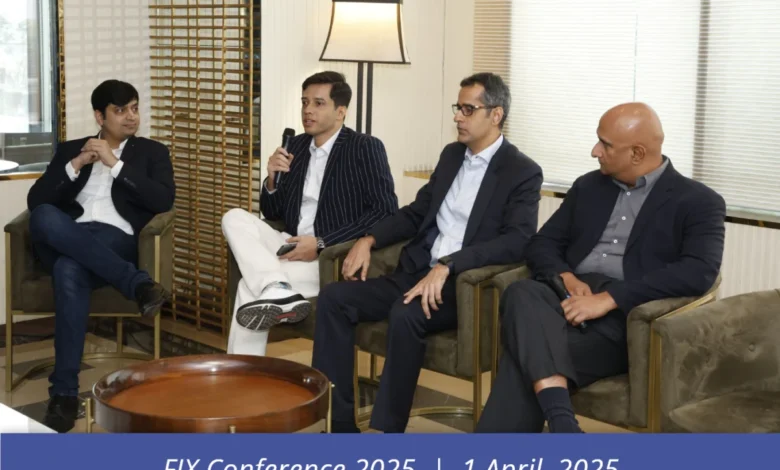
By April, the focus shifted to infrastructure and high-frequency trading (HFT) at the FIX Trading Conference in Mumbai. With over 500 professionals in attendance, the event underscored that HFT is entering "the next frontier." Panelists, including Mr. Borah, debated the impact of shifting market structures on the future of trading infrastructure. The consensus was clear: as regulatory hurdles rise and market competition intensifies, firms that fail to innovate their tech stack will inevitably lose their competitive edge.
The Global Fintech Fest (GFF) 2025, a marquee event in the global calendar, provided another platform for QuantInsti to influence the discourse. Mr. Borah’s presentation, "Decoding Algos 101," offered a comprehensive overview of the principles and pitfalls of algorithmic trading. The session was well-received, particularly due to the presence of global leaders and policymakers, which signaled that algorithmic trading has transitioned from a niche concern to a subject of national economic importance.
The Rise of AI in the Quant Workflow
Perhaps the most significant trend observed in 2025 is the integration of Generative AI and Large Language Models (LLMs) into the quantitative trading workflow. QuantInsti’s "Advanced AI for Traders & Asset Managers Bootcamp," held in late 2024 and expanded upon throughout 2025, highlighted a critical shift in how strategies are developed. Participants are no longer just learning to write code; they are learning to use AI as a force multiplier for research, documentation, and prototype generation.

The bootcamp emphasized that AI is not a "magic button" for profit. Instead, it is a tool that requires rigorous data quality management and careful validation. As one attendee noted, the desire for ongoing education on these tools is high, as professionals grapple with the challenges of supervising AI-driven decisions. The "State of Algorithmic Trading Education 2025" report, compiled by Vivek Krishnamoorthy, provides empirical evidence for this, showing that 76% of practitioners now utilize AI for early-stage research and code scaffolding. However, the report also identifies a persistent "capability gap," where 54% of respondents cite a lack of specialized know-how as the primary barrier to adoption.
Academic Collaborations: Bridging the Gap

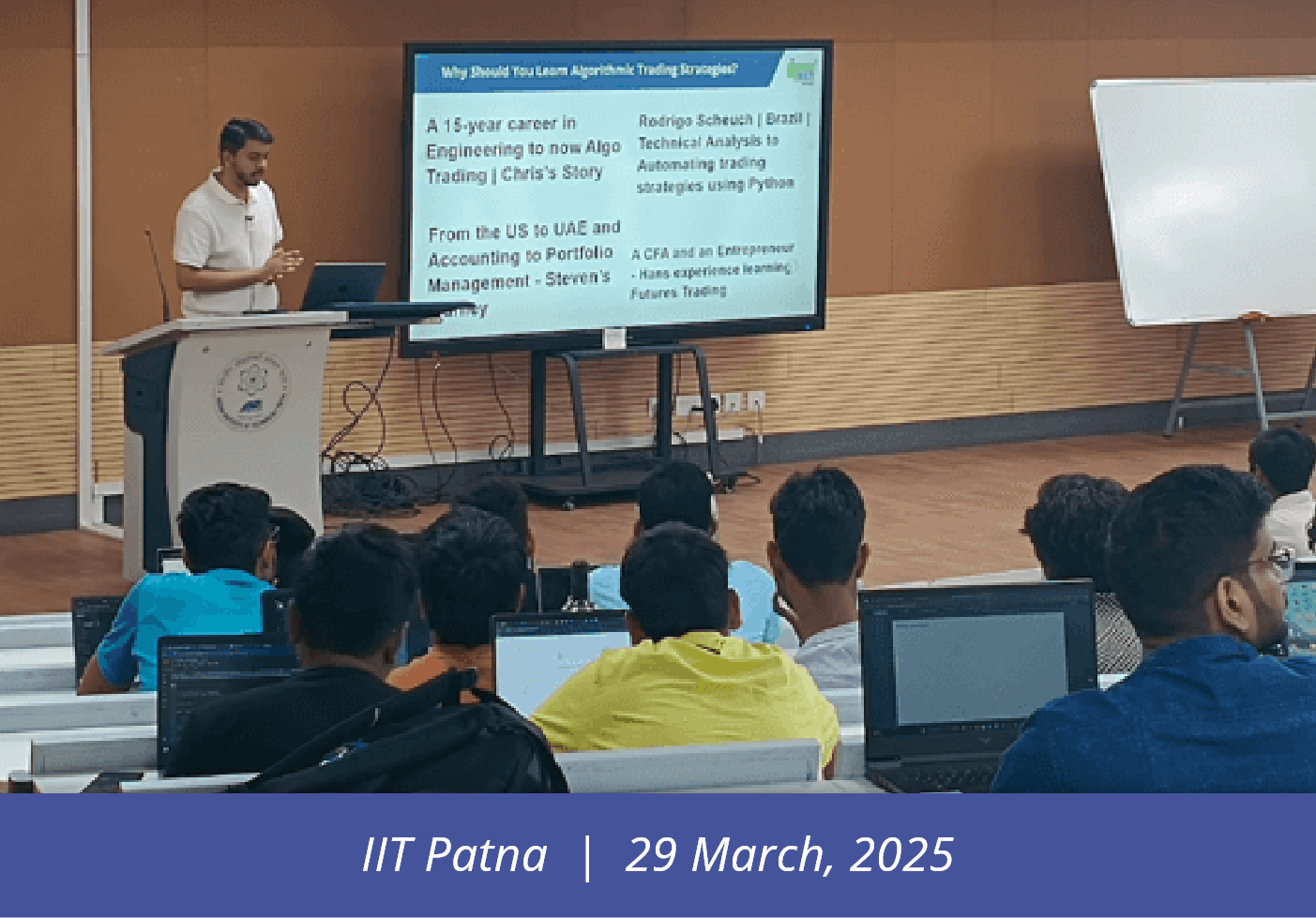
QuantInsti’s commitment to academic outreach has been equally robust. In 2025, the organization partnered with the Finance Club at IIT Madras for an online hackathon, inviting students to design and backtest strategies. Similar efforts were undertaken at IIT Patna for their Intra College Tech Championship (ICTC) and at IIT Mandi during the Xpecto 2025 festival.
These events are designed to be more than just competitions; they serve as a recruitment and training pipeline. By providing students with access to industry-curated problem statements and mentorship from quantitative analysts, QuantInsti is helping to prepare a workforce that is ready to tackle the challenges of modern finance. The IICPC CODEFEST, which drew over 45,000 participants globally, further highlighted the massive interest in competitive programming as a foundation for quantitative research. These partnerships are essential in ensuring that the next generation of quants is equipped with both the mathematical rigor and the practical coding skills required to succeed.
Strategic Partnerships and Institutional Reach
Collaborations with industry heavyweights have further amplified QuantInsti’s impact. The partnership with Zerodha Varsity for the "Introduction to Algo Trading" series saw sessions reach full capacity, demonstrating a massive appetite for professional-grade trading education among retail participants. Furthermore, the collaboration with Dhan, which kicked off in November 2025, focused on the practical aspects of building a workflow for options trading, bridging the gap between an idea and a live execution.
On the institutional front, the partnership with Quantpedia for the 2025 Research Award underscores the organization’s role in recognizing excellence in quantitative finance. By sponsoring scholarships for papers that examine critical issues—such as the unintended consequences of portfolio rebalancing—QuantInsti continues to foster a culture of evidence-based trading.
Expert Commentary and Market Analysis
Throughout 2025, QuantInsti’s faculty and leadership have been featured in prominent media outlets, providing clarity on complex market issues. Ishan Shah’s insights on gold trading, published by Republic World, argued for a "risk-first" approach, emphasizing that in an unpredictable market, one should act based on probabilistic models rather than point predictions. Similarly, the media coverage of the "alpha decay" phenomenon—where trading strategies lose their edge significantly faster today than in the past—highlights the urgent need for traders to shorten their research-to-deployment cycles.
These public contributions serve to educate the broader market on the reality of quantitative finance: it is a discipline that requires continuous learning, strict validation, and the ability to adapt to a rapidly changing regulatory and technological landscape.
Conclusion and Future Outlook
The first three quarters of 2025 have been characterized by rapid change, technological disruption, and a heightened focus on regulatory compliance. QuantInsti has managed to navigate these waters by maintaining a steadfast focus on its core values: delivering high-quality education and empowering traders with the technology they need to operate in a data-driven world.
As the year progresses, the focus for the organization will likely remain on refining these educational initiatives, deepening AI integration, and expanding academic reach. The "systematic awakening" currently being witnessed in India and beyond suggests that the demand for algorithmic trading expertise will continue to grow. Whether through professional bootcamps, academic hackathons, or strategic webinars, QuantInsti remains committed to providing the infrastructure and knowledge necessary to navigate the "next frontier" of finance. For professionals and aspiring quants alike, the message remains clear: the future of trading is not just about the algorithms themselves, but about the intelligence, judgment, and rigorous process that guide their implementation.
Related posts: