Animal Spirits Podcast Episode Tackles Market Volatility, Economic Normalcy, and Corporate Valuations

July 22, 2026 – The latest episode of the popular "Animal Spirits" podcast, hosted by Ben Carlson and sponsored by YCharts and Vanguard, delved into a spectrum of pressing financial and market topics. The discussion, released on July 22, 2026, explored heightened volatility in global markets, the notion of an “average” economic year, and intriguing corporate valuation trends, particularly concerning major media conglomerates.
Navigating Global Market Volatility
A significant portion of the podcast’s discussion centered on the increasing volatility observed in various international markets. One compelling piece of data shared, originally posted by Joe Weisenthal, highlighted the unprecedented levels of volatility in the Korean stock market. As of mid-July 2026, this volatility surpassed figures seen during both the Global Financial Crisis of 2008 and the Asian Financial Crisis of the late 1990s. This stark comparison underscores a concerning trend of heightened risk perception and market swings in key emerging economies.
This increased volatility can be attributed to a confluence of factors. Geopolitical tensions, ongoing shifts in global supply chains, and the lingering effects of previous economic shocks have created an environment of uncertainty. Central bank policy divergence, with some nations tightening monetary policy while others maintain accommodative stances, also contributes to cross-border capital flows and market instability. For investors, this translates into a more challenging landscape where traditional diversification strategies may require re-evaluation.
The Concept of an "Average" Economic Year
In contrast to the heightened volatility in some regions, the podcast also touched upon the idea of a potentially "normal" or "average" year for the U.S. market. Ben Carlson himself shared data indicating that as of mid-July 2026, the U.S. stock market had seen an 11% increase. This performance was accompanied by projected GDP growth in the 2-3% range and inflation hovering around 3.5%. The 10-year Treasury yield stood at approximately 4.5%.
This set of metrics paints a picture of economic equilibrium, where growth is steady but not overheated, inflation is manageable, and interest rates are at a level that balances economic activity with price stability. Such an environment is often considered ideal for long-term investors, as it suggests a sustainable economic expansion without the extreme booms or busts that can derail market progress. However, the very notion of "normal" in today’s rapidly evolving global economy is itself a subject of debate. While these figures represent a seemingly stable period, underlying structural shifts and potential future disruptions mean that this perceived normalcy might be more fragile than it appears.
Corporate Valuations and Media Conglomerate Puzzles
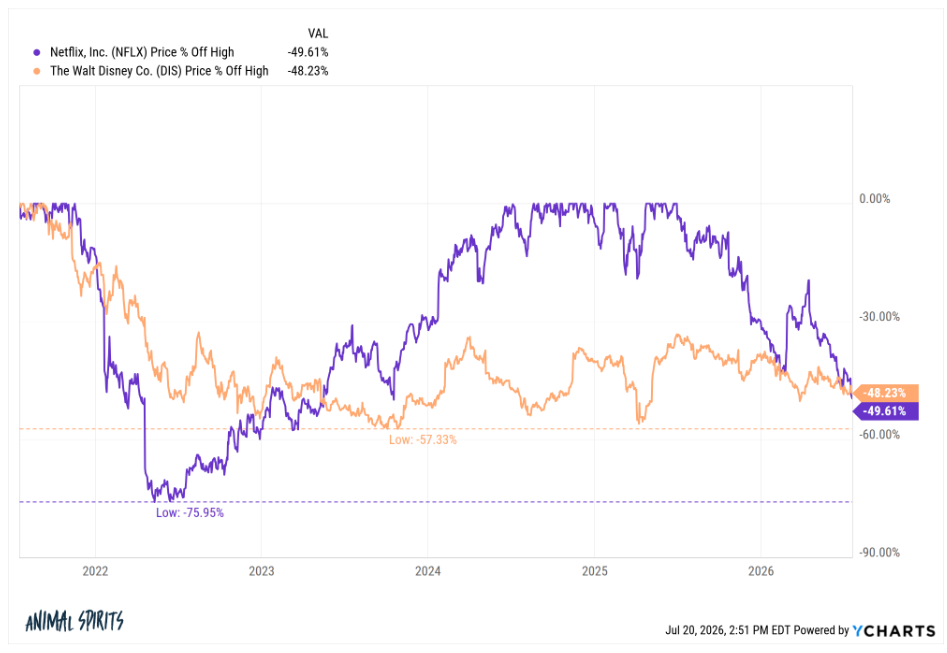
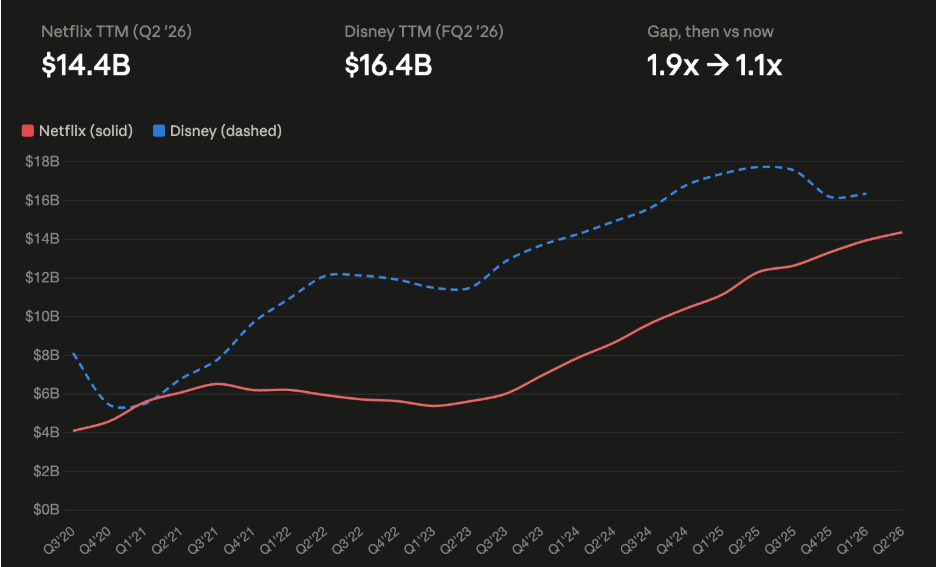
The episode also explored some peculiar valuation trends within the corporate sector, with a specific focus on large media and entertainment companies. A tweet from Jake (@EconomPic) brought to light a striking disparity in the valuation of Disney. The tweet noted that Disney’s cumulative spending on acquisitions, including iconic brands like Marvel, Star Wars, Pixar, ESPN, and Fox, amounted to approximately $129 billion (or roughly $182 billion in today’s dollars). Despite this immense investment in intellectual property and content, the company’s total market capitalization was reported to be around $169 billion.
This data point raises significant questions about how the market is valuing these content empires. It suggests that the sum of Disney’s iconic franchises and legacy assets, despite their perceived cultural and commercial power, is currently being valued by the market at less than the capital expended to acquire and develop them. Several factors could be at play:
- Shifting Media Consumption Habits: The ongoing digital transformation of media consumption, with the rise of streaming services and direct-to-consumer models, has fundamentally altered the landscape. While these acquisitions were likely made with a vision of dominating this new era, the execution and profitability of these ventures may be under scrutiny.
- Integration Challenges: Integrating vast and diverse businesses like those acquired by Disney is a monumental task. Challenges in synergy realization, operational efficiencies, and brand management can weigh on overall performance and, consequently, market valuation.
- Competitive Pressures: The media landscape is intensely competitive, with new players constantly emerging and established ones vying for audience attention and advertising revenue. This competition can put pressure on pricing power and profit margins.
- Debt and Financial Structure: The significant debt incurred to finance these acquisitions could also be a factor influencing the market’s perception of the company’s financial health and future earnings potential.
- Market Sentiment Towards Traditional Media: There might be a broader market sentiment that devalues traditional media assets in favor of more rapidly growing technology or other sectors, even if the content itself remains highly valuable.
The "Bubble" Narrative and Investor Sentiment
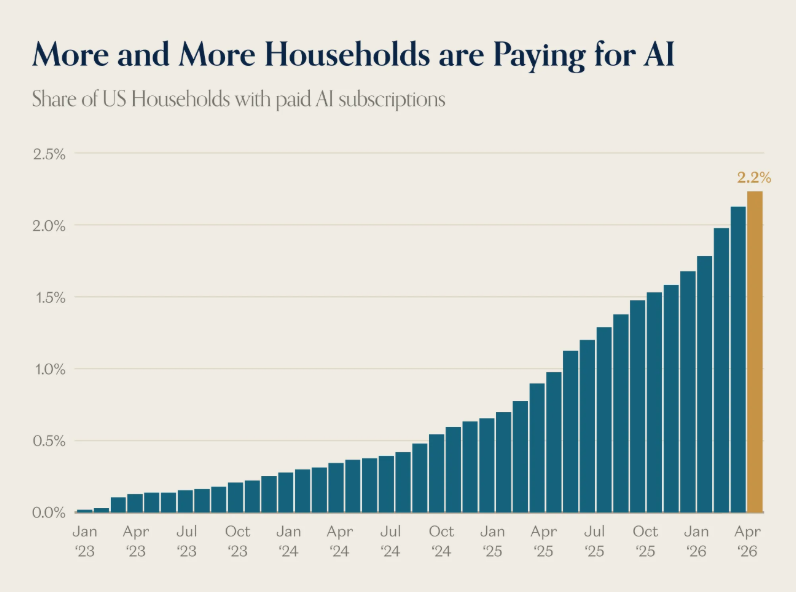
Another intriguing discussion point revolved around investor sentiment and the recurring talk of market "bubbles." A tweet from Zook (@zook_data) presented data showing mentions of the word "bubble" across hundreds of podcast episodes from prominent investing shows. The trend depicted in the accompanying chart suggests a cyclical nature to this concern, often peaking during periods of significant market appreciation or heightened investor exuberance.
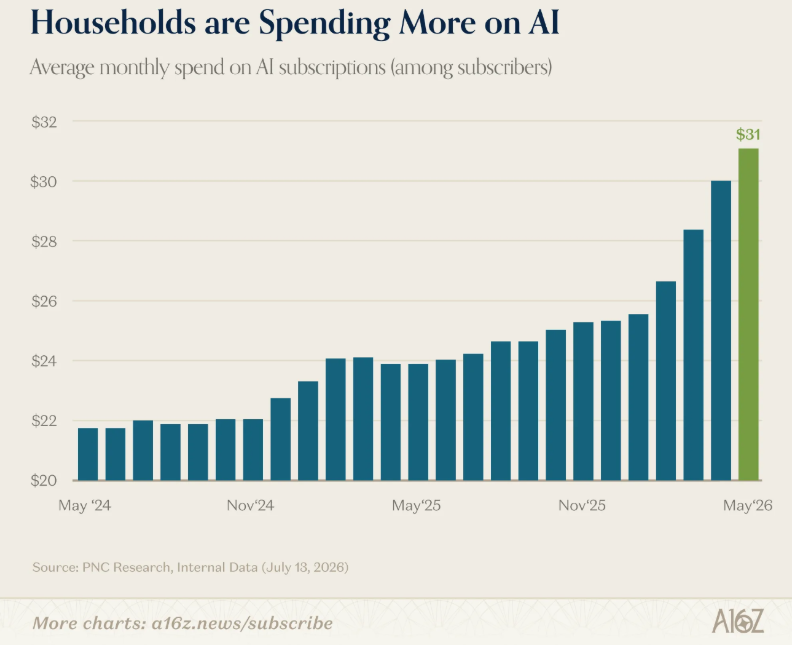
The repeated emergence of the "bubble" narrative, even during periods of seemingly "normal" economic activity, indicates a persistent undercurrent of caution among some market participants. While the current U.S. economic indicators might suggest a stable environment, the memory of past market crashes and the rapid technological advancements driving many asset classes can fuel concerns about overvaluation. This sentiment can be a double-edged sword: it can lead to prudent investing and risk management, but it can also cause investors to miss out on legitimate growth opportunities if fear becomes the dominant driver.
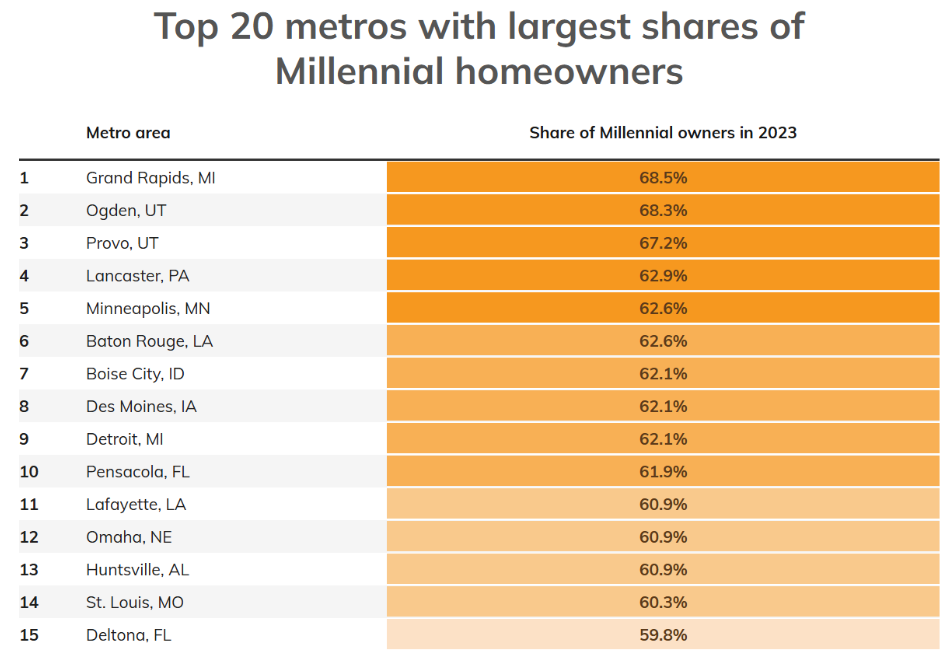
Broader Market Trends and Data Visualizations
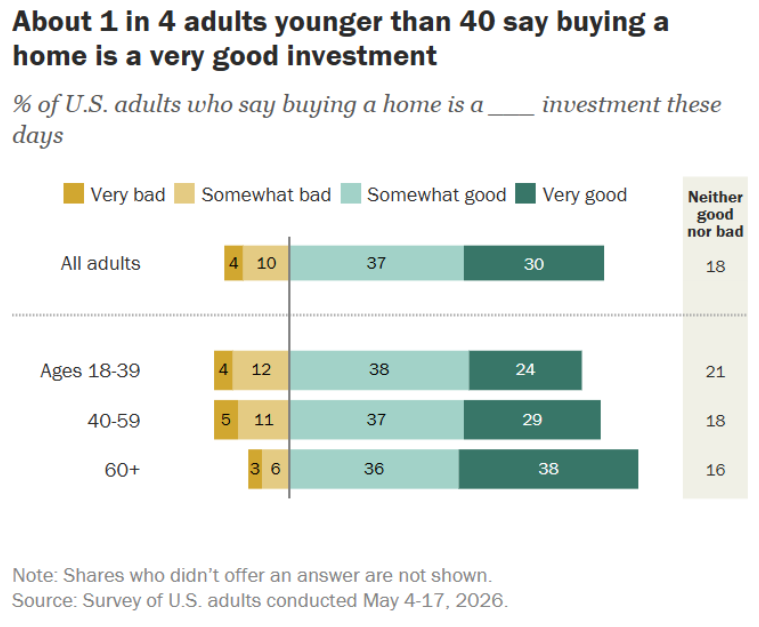
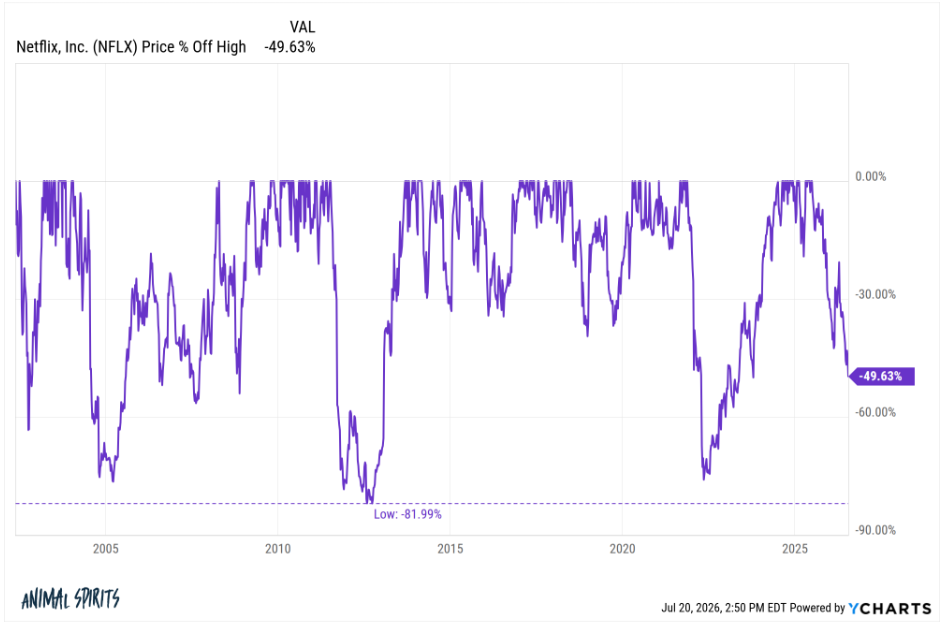
The podcast also featured other data visualizations that offer a snapshot of the market. A chart shared by Brett (@brettmacro), updated to 2026, likely illustrated long-term market performance or economic trends, providing a historical context for current conditions. Such visual data is crucial for understanding the cyclical nature of markets and identifying potential inflection points.
The inclusion of these diverse charts and data points—from specific market volatility to broad economic indicators and sentiment analysis—allows listeners to gain a multi-faceted understanding of the current financial landscape.
Conclusion
The July 22, 2026, episode of "Animal Spirits" provided a comprehensive overview of key financial themes. The discussion on rising global market volatility, the nuanced interpretation of economic normalcy, and the perplexing valuation of major media conglomerates offers valuable insights for investors and market observers alike. As the financial world continues its dynamic evolution, understanding these underlying trends and data points is essential for navigating the complexities of investment and economic forecasting. The podcast’s sponsors, YCharts and Vanguard, play a critical role in providing the tools and frameworks necessary for such analysis, reinforcing their commitment to empowering investors with information and resources.